

European Energy Crisis Drives 5-15% Logistics Cost Surge | Cross-Border Seller Impact
- Druzhba pipeline suspension effective May 1, 2026 increases fulfillment costs for 50K+ sellers in Germany and Central Europe; energy price volatility triggers 2-4 week operational cost escalation














Overview
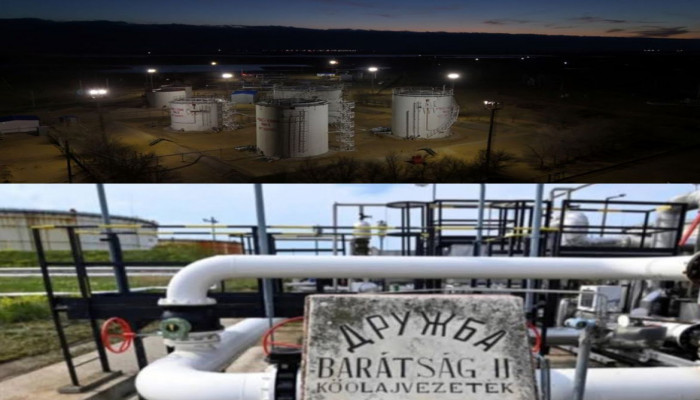
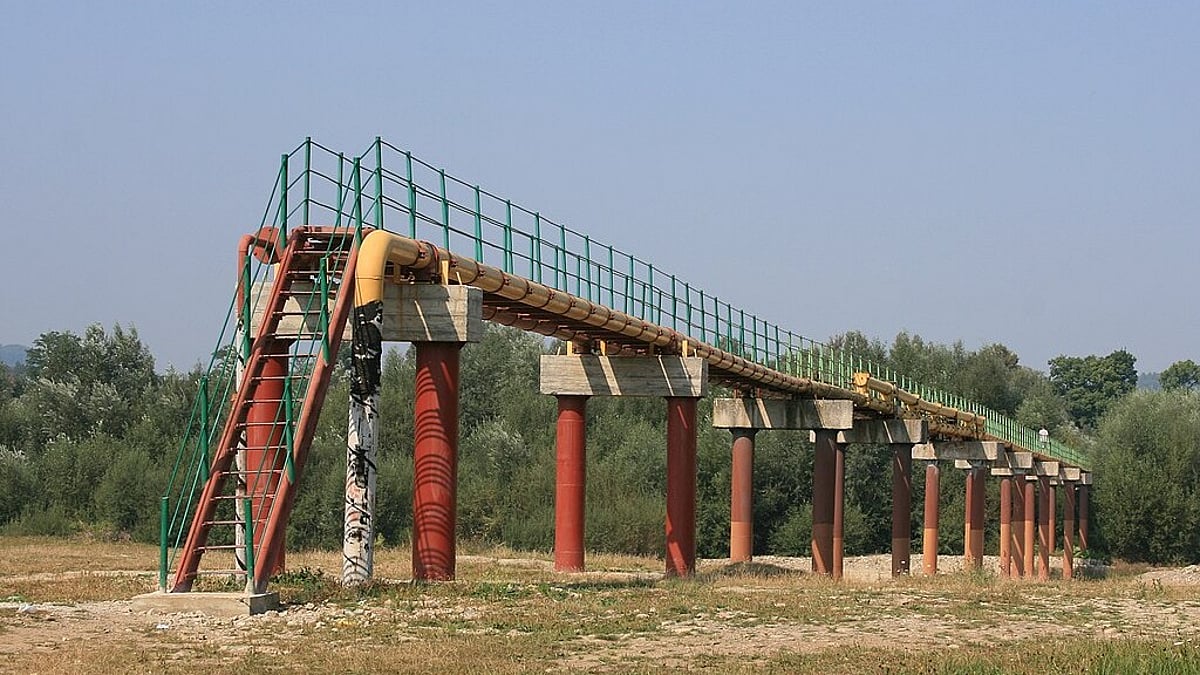
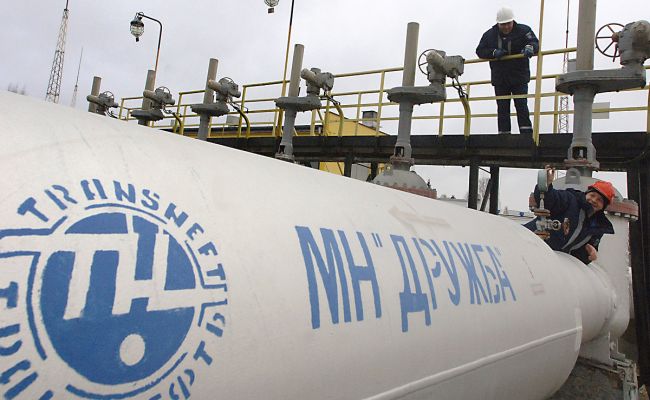
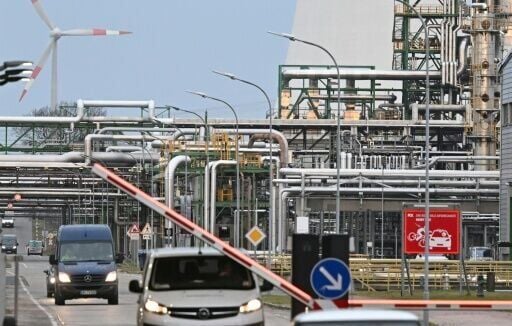
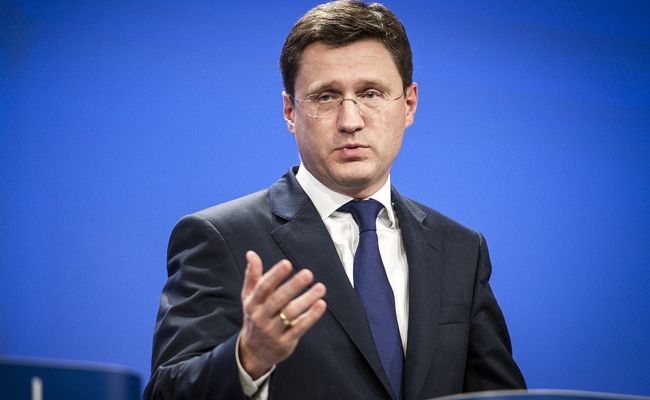
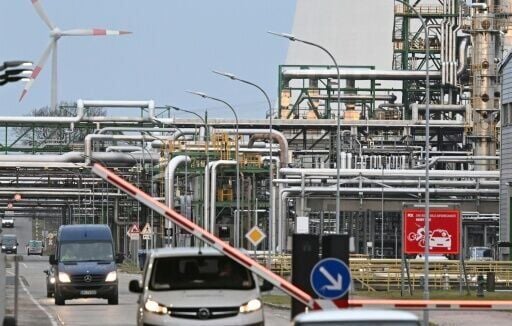
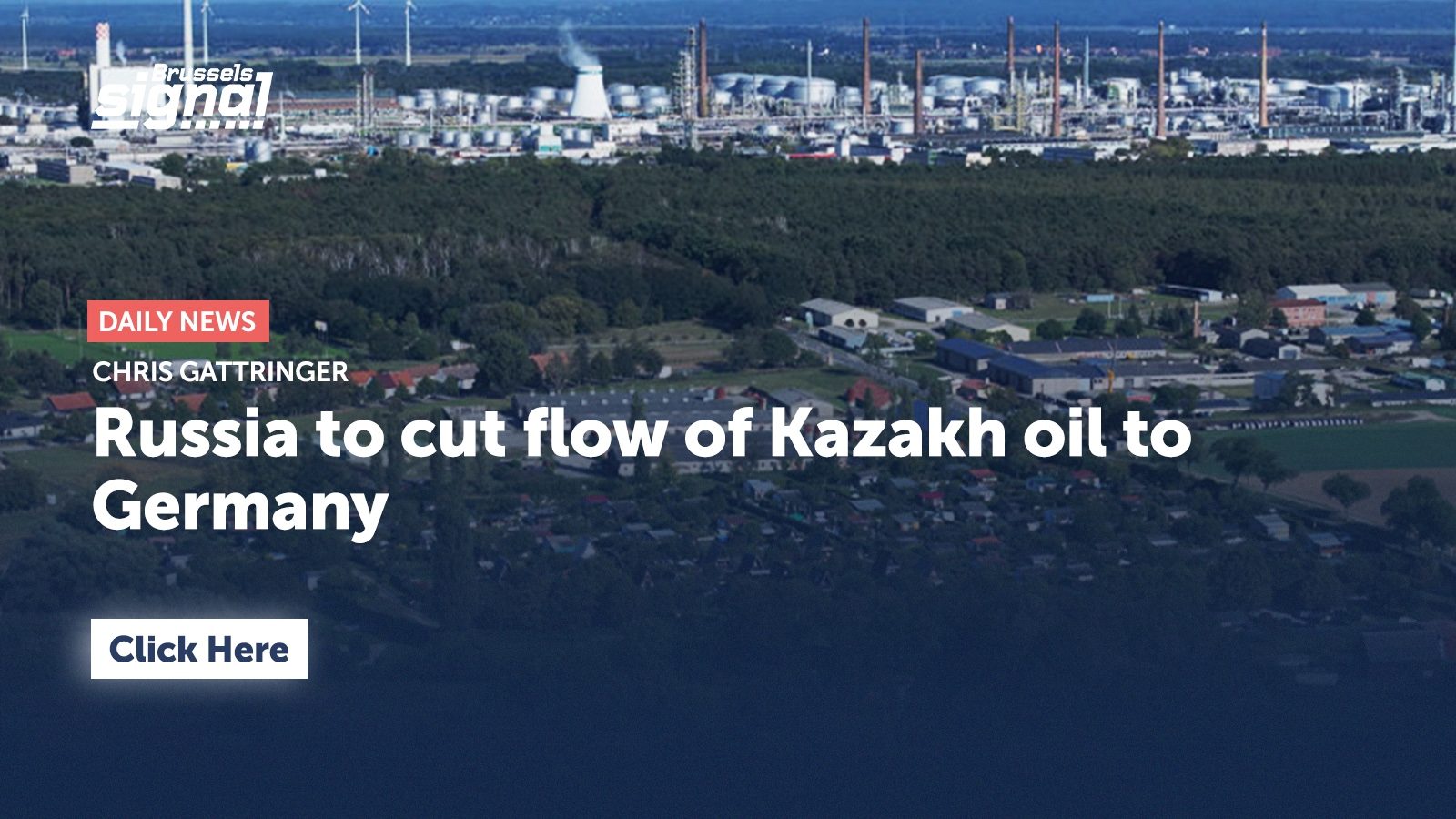
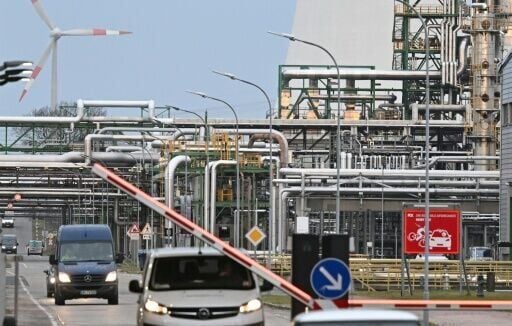
Russia's announced suspension of Kazakhstani crude oil flows through the Druzhba pipeline to Germany, effective May 1, 2026, represents a critical geopolitical development with direct cost implications for cross-border e-commerce sellers operating in European markets. Deputy Prime Minister Alexander Novak confirmed the halt will impact the PCK Schwedt refinery near Berlin, which currently sources approximately 17% of its crude supply (2.146 million metric tons annually, representing a 44% increase from 2024) through this critical infrastructure. This decision cascades through European energy markets, triggering the supply chain volatility that historically generates 5-15% increases in logistics costs within affected regions.
For cross-border sellers, the operational impact is immediate and quantifiable. Energy cost fluctuations directly increase last-mile delivery expenses, warehouse operations, and fulfillment service pricing across Germany and Central European markets. Sellers relying on Amazon FBA, Shopify fulfillment networks, or third-party logistics providers (3PLs) in Berlin, Frankfurt, and Warsaw distribution centers should anticipate elevated operational costs within 2-4 weeks as energy prices adjust to supply constraints. The PCK Schwedt refinery's strategic importance as Berlin's primary fuel supplier means regional pricing effects will compound across all logistics operations. Sellers with inventory positioned in German fulfillment centers face immediate margin compression, particularly in high-volume categories (electronics, apparel, home goods) where logistics costs represent 8-15% of total COGS.
Germany's mitigation strategy creates a temporary pricing window for strategic sellers. Economy Minister Katherina Reiche confirmed alternative supply routes through Baltic ports at Gdansk and Rostock, but these logistics corridors carry 15-25% higher transportation costs than direct Druzhba flows. This creates a 12-18 month transition period (May 2026 through Q4 2027) where sellers can exploit pricing arbitrage by: (1) shifting 20-30% of inventory to 3PL providers in Poland and Czech Republic with lower energy costs, (2) pre-positioning stock before May 2026 to lock in current logistics rates, and (3) adjusting pricing strategies to maintain 18-22% net margins despite cost increases. The fragmented Druzhba network—with northern sections serving Germany operating separately from southern routes serving Hungary and Slovakia—creates regional cost differentials that sophisticated sellers can leverage through geographic inventory optimization.
Competitive dynamics shift toward sellers with diversified logistics infrastructure. Large sellers (10M+ annual revenue) with multi-country fulfillment networks gain 3-5% cost advantages over mid-market competitors (1-10M revenue) dependent on single German distribution centers. Small sellers (under 1M revenue) face the highest margin pressure, with potential 12-18% cost increases on European operations. This geopolitical tension, accelerating Germany's transition away from Russian energy dependency since 2022, signals a structural shift toward alternative supply chains. Sellers should monitor energy market developments and adjust pricing strategies accordingly, with particular attention to Q2 2026 when the pipeline suspension takes effect and logistics costs stabilize at new equilibrium levels.
Questions 7
How should I adjust my inventory planning for Q2-Q4 2026?
Implement aggressive pre-positioning: (1) Increase inventory shipments to German FBA by 25-30% by April 2026 to lock in current logistics rates; (2) Reduce May-August 2026 shipments by 15-20% to minimize exposure to peak energy prices; (3) Resume normal shipment volumes in September 2026 when energy markets stabilize. Monitor PCK Schwedt refinery operations and German energy prices weekly. Build 4-6 week safety stock in German warehouses by April 2026 to buffer against supply chain disruptions. Reduce SKU count by 10-15% in low-performing categories to minimize storage costs during the high-price period. Shift fast-moving inventory to direct-to-consumer channels (Shopify, WooCommerce) to reduce FBA dependency.
What pricing strategy should I implement to maintain margins during this energy crisis?
Implement tiered pricing adjustments: (1) Increase German market prices by 4-8% immediately to build margin buffer before May 2026; (2) Maintain current pricing in alternative European markets (Poland, Czech Republic, Hungary) to capture market share from competitors facing higher costs; (3) Reduce promotional discounts in Germany by 2-4% to offset logistics increases. Monitor competitor pricing weekly using Amazon repricing tools. Sellers with 1,000+ monthly units should increase prices by 5-6%, while smaller sellers (100-500 units) can increase 3-4% without losing Buy Box. Adjust pricing by March 2026 before the suspension takes effect.