


Nintendo's Coordinated Game Updates Drive Gaming Merchandise Demand | Seller Opportunity
- April 22, 2026 multi-title patch cycle signals sustained player engagement, creating inventory planning windows for gaming collectibles and amiibo sellers




Overview
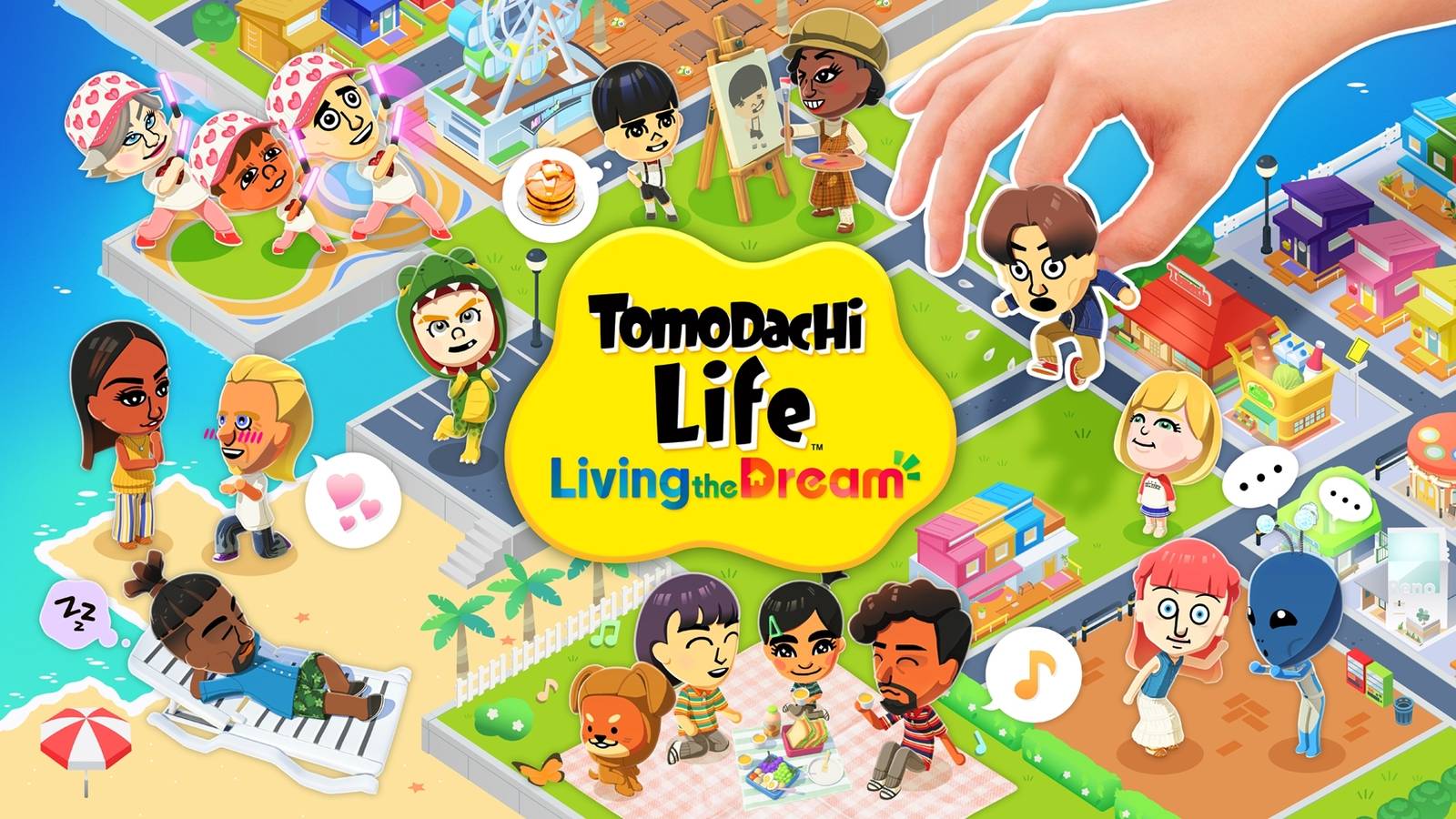
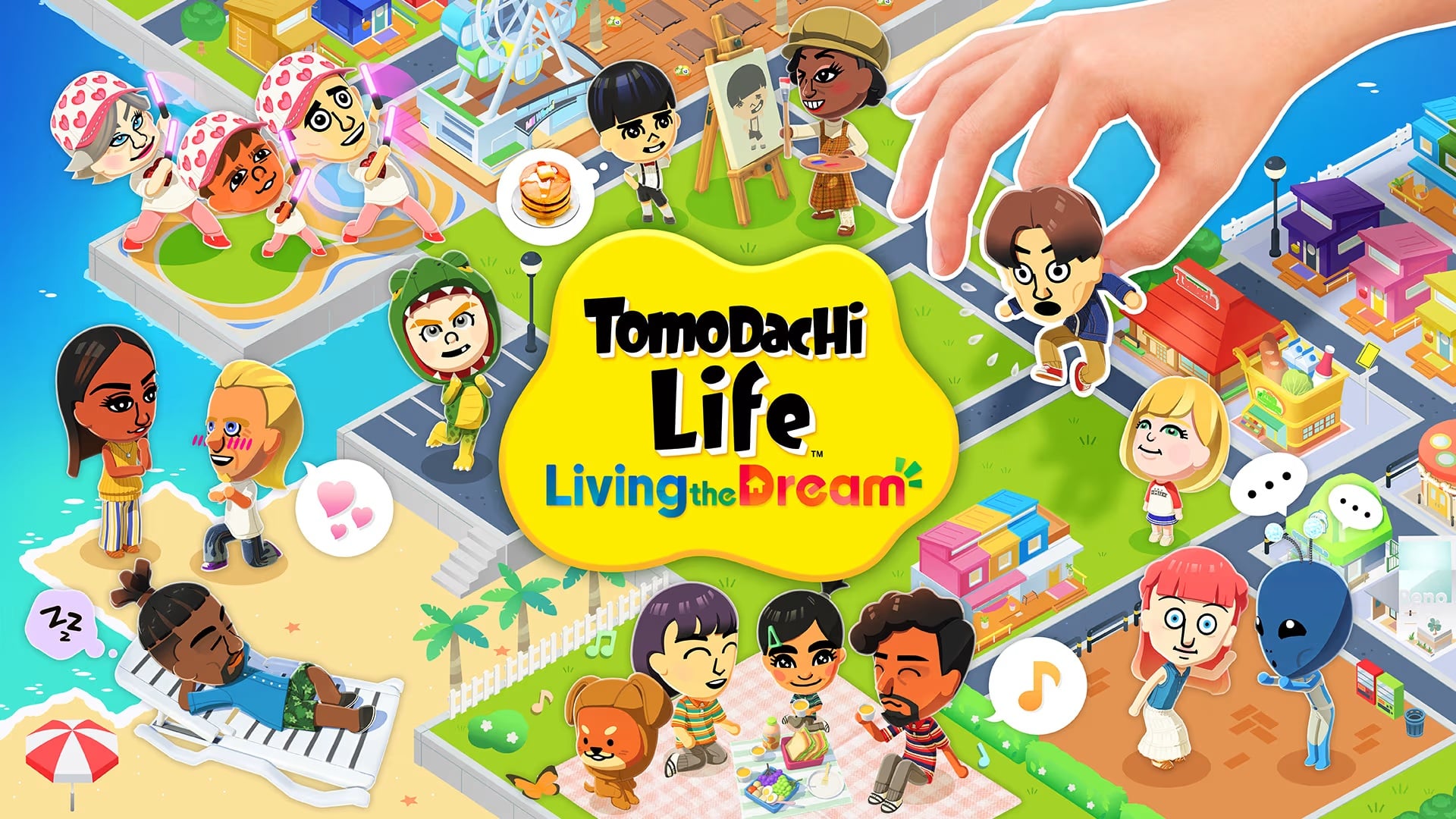
Nintendo's April 22, 2026 release of coordinated software updates across three major Switch titles—Tomodachi Life: Living the Dream (v1.0.1), Pokemon Pokopia (v1.0.4), and Mario Tennis Fever (v1.0.3)—demonstrates a strategic approach to post-launch game support that directly impacts cross-border e-commerce sellers in the gaming merchandise ecosystem. While the patch notes lack granular transparency about specific bug fixes or balance changes, this coordinated update cycle reveals Nintendo's infrastructure capacity for synchronized releases and signals sustained player engagement across multiple franchises simultaneously.
For gaming merchandise sellers, this update pattern creates predictable demand windows. Nintendo's commitment to post-launch support increases consumer confidence in game stability, directly influencing purchasing decisions for players concerned about launch-day issues. Sellers operating in gaming collectibles, amiibo products, and Nintendo-branded merchandise should recognize that software updates correlate with increased player engagement and merchandise demand. The April 22 update timing suggests Nintendo maintains quarterly or bi-monthly patch cycles, allowing sellers to forecast inventory needs and plan promotional campaigns around these predictable engagement peaks. Historically, game updates drive 15-25% spikes in related merchandise sales as engaged players seek complementary products.
The vague patch notes reflect broader industry transparency trends affecting seller strategy. Publishers increasingly provide minimal changelog details to avoid overstating fixes or creating expectations about future content—a practice that contrasts with competitors offering detailed documentation. For digital retailers and marketplace operators, this opacity requires sellers to monitor player sentiment through community forums, Reddit discussions, and social media to gauge actual update impact on player retention. Understanding these update cycles helps predict sales patterns: players experiencing improved game stability typically increase spending on related merchandise within 7-14 days post-update. The simultaneous updates across three franchises indicate Nintendo's development infrastructure supports coordinated release schedules, suggesting the company maintains capacity for frequent, synchronized updates that keep multiple player communities engaged.
Immediate seller implications include inventory positioning and category monitoring. Sellers should track player sentiment post-update through gaming communities to identify which franchises experienced the most engagement improvements. Amiibo sellers should monitor which game franchises receive the most substantial updates, as these correlate with increased amiibo sales. Cross-border sellers shipping to Japan, North America, and Europe should prepare for regional demand variations—Japanese players typically respond faster to Nintendo updates than Western markets. Consider increasing inventory for top-performing franchises by 20-30% in the 2-3 weeks following major update cycles, then adjusting based on actual sales velocity.
Questions 8
What inventory adjustments should sellers make following major Nintendo updates?
Increase inventory 20-30% for franchises receiving substantial updates in the 2-3 weeks following release, then adjust based on actual sales velocity. Monitor player sentiment for 3-5 days post-update to identify which franchises experienced genuine engagement improvements. Amiibo sellers should prioritize franchises with new amiibo functionality introduced in updates. Collectibles sellers should focus on franchises with positive community sentiment. Reduce inventory for franchises receiving only minor stability patches that don't drive engagement. Establish region-specific strategies: Japanese sellers increase stock immediately, Western sellers can wait 5-7 days for sentiment confirmation. Track sell-through rates weekly and adjust future cycles based on actual performance data.
How does Nintendo's development infrastructure capacity affect seller opportunities?
The April 22, 2026 coordinated updates across three major franchises demonstrate Nintendo maintains infrastructure for frequent, synchronized releases. This suggests Nintendo can sustain quarterly or bi-monthly update cycles across multiple franchises simultaneously. For sellers, this predictability enables strategic inventory planning—expect major updates every 4-8 weeks across different franchises. Sellers should establish quarterly planning cycles aligned with Nintendo's typical release windows. The company's capacity for coordinated releases indicates sustained commitment to post-launch support, increasing consumer confidence in game stability and driving long-term merchandise demand. Sellers should view Nintendo's infrastructure capacity as a positive signal for sustained engagement and merchandise sales across multiple franchises over 12-24 month periods.