


Apple Silicon Transition Complete | Intel Mac Support Ends 2027
- Affects 2019-2020 Intel Mac models; creates refurbished device market opportunity and seller hardware upgrade cycle


Overview
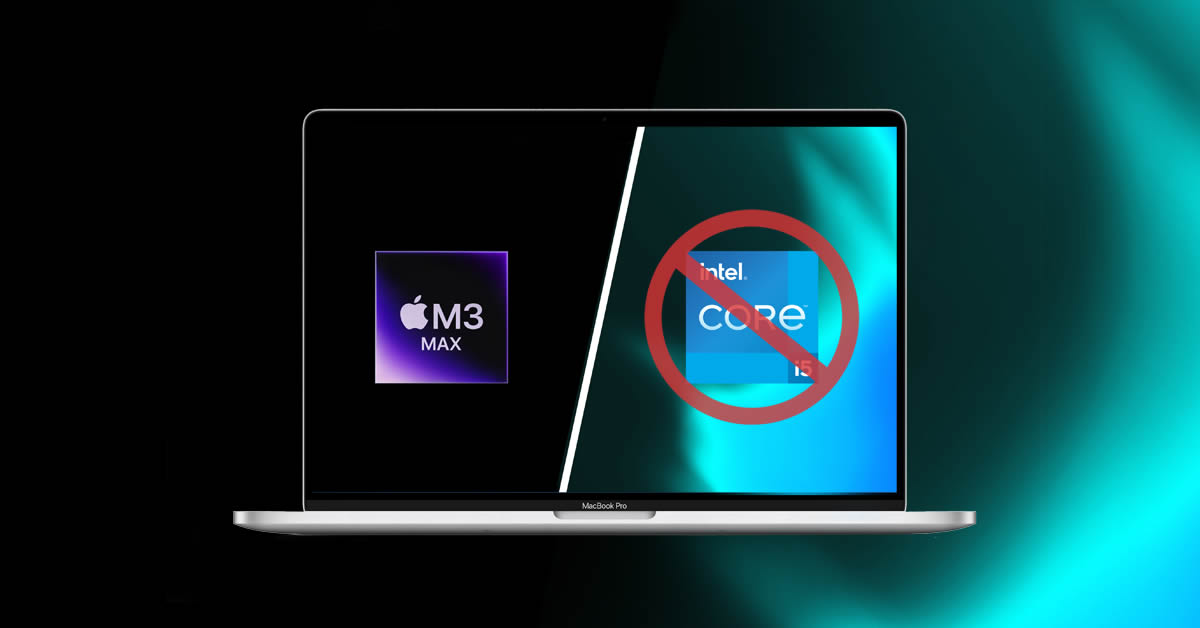
Apple has officially completed its transition to proprietary Apple Silicon, discontinuing support for Intel-based Macs starting with macOS 27 in 2027. This marks the definitive end of a 15-year era of Intel processor integration in Apple's ecosystem. macOS 26 "Tahoe" (final release in 2025) becomes the last version supporting Intel Macs, with only critical security patches provided for three additional years thereafter. The transition, initiated in late 2020 with the M1 chip and evolved through M5 Pro/Max iterations, represents Apple's strategic pivot toward complete vertical integration and supply chain control.
For e-commerce sellers, this development creates a multi-layered opportunity ecosystem. The most immediate impact affects sellers operating Intel-based Macs (2019 MacBook Pro 16-inch, 2020 MacBook Pro 13-inch, 2020 iMac 27-inch, 2019 Mac Pro) who must evaluate hardware upgrade timelines before macOS 27 launch. This creates accelerated deprecation of Intel Mac hardware, generating significant market opportunities in the refurbished electronics category—a segment that generated $12.2B globally in 2024 and is projected to grow 8-12% annually. Sellers can capitalize on this by sourcing discounted Intel Macs from businesses upgrading to Apple Silicon, refurbishing them, and reselling through Amazon, eBay, and specialized marketplaces targeting budget-conscious buyers and developing markets.
The operational implications extend to e-commerce tool compatibility and software vendor ecosystems. Third-party applications supporting seller operations—inventory management systems, payment processors, shipping integrations, and accounting software—must ensure Apple Silicon compatibility. Sellers relying on legacy Intel-optimized tools face potential operational disruptions if vendors delay M-series support. This creates demand for compatibility assessment services and creates opportunities for sellers offering Mac setup/migration consulting services. Additionally, the Rosetta compatibility layer (supporting legacy Intel applications through two macOS releases beyond Tahoe) provides a 3-4 year transition window, but sellers should verify critical business software compatibility immediately to avoid September 2025+ disruptions when macOS 27 beta launches.
Supply chain and pricing implications emerge from Apple's vertical integration strategy. By internalizing chip production and eliminating Intel dependency, Apple gains complete control over Mac pricing, availability, and feature allocation. This signals potential future price increases for Apple Silicon Macs as the company consolidates its hardware ecosystem. For sellers purchasing Mac hardware for business operations, the window for acquiring Intel Macs at current pricing closes within 12-18 months. Sellers managing multi-platform operations should budget for hardware refresh cycles now, as Apple Silicon Mac prices typically remain 15-20% premium compared to Intel equivalents during transition periods.
Questions 8
What market opportunities emerge from Intel Mac depreciation?
The accelerated depreciation creates multiple revenue streams: (1) Refurbished Mac resale through Amazon, eBay, and specialized marketplaces targeting budget-conscious buyers and emerging markets; (2) Mac setup/migration consulting services for sellers transitioning to Apple Silicon; (3) Compatibility assessment and software auditing services for e-commerce businesses; (4) Liquidation sourcing from corporate IT departments upgrading hardware; (5) Trade-in programs offering discounts on Apple Silicon purchases. The refurbished electronics market grows 8-12% annually, with Mac hardware commanding premium resale values. Sellers should establish supplier relationships with corporate liquidators and IT departments now to secure inventory before prices stabilize. Certification programs (Apple Certified Refurbished, eBay Certified Refurbished) add 15-25% price premiums and increase buyer confidence.
What are the implications for e-commerce tool developers and vendors?
Third-party application providers supporting e-commerce operations must ensure their platforms support Apple Silicon architecture to maintain compatibility with seller user bases. This includes inventory management systems, payment processing platforms, shipping integrations, and accounting software used by Amazon FBA sellers, eBay merchants, and Shopify store owners. Vendors delaying Apple Silicon support risk losing market share as sellers migrate to compatible alternatives. The transition creates opportunities for developers offering Mac setup/migration consulting services and compatibility assessment tools. Sellers should prioritize vendors with published Apple Silicon support roadmaps and active M-series testing. Verify vendor commitment through support documentation, beta programs, and customer testimonials before macOS 27 launch in 2026.