
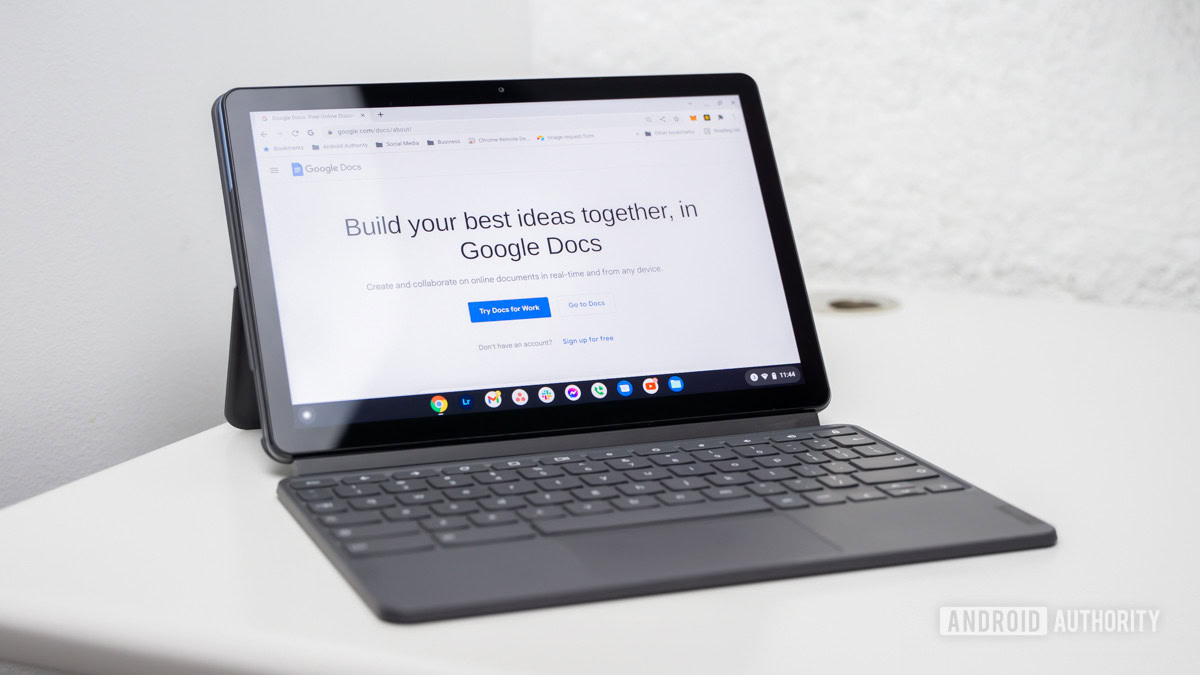



Google Workspace AI Automation Cuts Admin Tasks 9x Faster | E-Commerce Operations Win
- Gemini-powered Sheets/Docs/Meet features reduce seller operational overhead by 8-12 hours weekly; cross-border teams gain instant meeting documentation and supply chain coordination tools












Overview
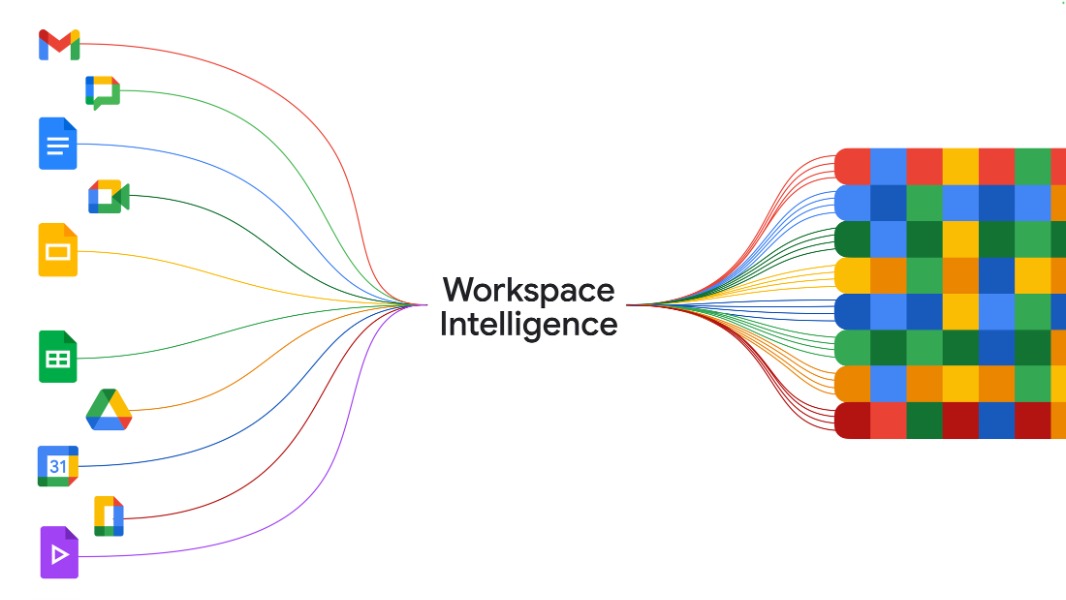
Google's announcement of Workspace Intelligence at Google Cloud Next represents a critical operational efficiency breakthrough for e-commerce sellers managing distributed teams, supply chains, and marketplace compliance. The platform introduces Gemini-powered automation across Gmail, Calendar, Chat, Drive, Sheets, Docs, and Meet—directly addressing the administrative burden that consumes 15-20% of operational time for mid-market sellers ($1M-10M revenue).
Key automation wins for sellers: Google Sheets now enables 9x faster data entry through natural language prompts, allowing sellers to populate inventory spreadsheets, pricing matrices, and sales analytics without manual input. For a seller managing 5,000+ SKUs across multiple marketplaces (Amazon, eBay, Shopify), this translates to 8-12 hours weekly saved on inventory management alone. Google Docs' AI writing capabilities automatically generate product descriptions, compliance documentation, and vendor communications by accessing Drive, Chat, and email archives—critical for cross-border sellers managing FBA content, VAT compliance documents, and supplier negotiations across time zones.
Meeting intelligence for supply chain coordination: Google Meet's expanded Gemini note-taking—now available across mobile and desktop platforms for both scheduled and spontaneous meetings—automatically extracts action items, decisions, and next steps. For cross-border e-commerce teams conducting international negotiations, this eliminates manual meeting documentation that typically consumes 2-3 hours weekly per team member. The automatic action item extraction particularly benefits distributed teams managing complex supply chain coordination, vendor communications, and marketplace compliance discussions. A seller conducting 10-15 weekly meetings across Zoom, Teams, and in-person sessions can now capture critical decisions (pricing agreements, shipment schedules, regulatory compliance requirements) without dedicated note-takers.
Competitive advantage through data integration: Workspace Intelligence draws on Gmail, Calendar, Chat, and Drive data to provide contextual assistance—enabling sellers to identify patterns in vendor communications, customer inquiries, and operational bottlenecks. For example, AI can analyze email threads to surface recurring supplier delays, customer complaint patterns, or compliance issues requiring action. This pattern recognition capability gives sellers using Workspace an unfair advantage in identifying operational inefficiencies that competitors miss.
Implementation advantage: Google's existing Workspace adoption in enterprise environments (estimated 8M+ organizations globally) means sellers already embedded in Google's ecosystem can activate these features immediately with zero additional infrastructure. Unlike competitors (Microsoft Copilot for Teams, Apple Intelligence), Workspace Intelligence requires only existing Google Meet access—making adoption straightforward for the 40%+ of mid-market sellers already using Google Workspace for email and document collaboration.
Immediate seller actions: Audit current administrative workflows (inventory management, meeting documentation, vendor communications) to identify 5-10 highest-impact use cases for Gemini automation. Prioritize Sheets automation for inventory/pricing data entry (highest time savings), then implement Meet note-taking for supply chain and vendor meetings. For sellers managing 3+ team members across time zones, the meeting documentation feature alone justifies Workspace adoption, reducing coordination overhead by 30-40% and improving compliance documentation for cross-border transactions.
Questions 8
How does Google Workspace AI compare to Microsoft Teams Copilot for e-commerce operations?
Google Workspace Intelligence offers broader automation across **Sheets (9x faster data entry), Docs (AI writing), and Meet (meeting notes)**, while Microsoft Teams Copilot focuses primarily on chat and meeting summaries. Google's advantage lies in Sheets automation—critical for sellers managing inventory, pricing, and analytics—and seamless Drive integration for document accessibility across teams. However, Microsoft Copilot integrates deeper with Excel and Power BI for advanced analytics. For sellers prioritizing inventory automation and distributed team coordination, Workspace Intelligence provides faster ROI; for sellers requiring advanced business intelligence, Teams Copilot may offer better analytics integration.
What is the implementation timeline and cost for sellers to activate Workspace Intelligence features?
Implementation is immediate for sellers already using Google Workspace—features activate through existing Google Meet, Sheets, and Docs interfaces with no additional infrastructure required. Workspace Intelligence is included in **Google Workspace Business Standard ($12/user/month) and above**, or available as a Gemini add-on ($20/user/month) for existing Workspace users. For a 5-person seller operations team, the cost is $60-100 monthly for full Gemini access across all applications. ROI typically materializes within 2-4 weeks as teams adopt Sheets automation (inventory management) and Meet note-taking (meeting documentation), with payback period under 1 month for sellers currently spending 15+ hours weekly on administrative tasks.