

Anker Thus Chip Launches May 21 | Edge AI Reshapes Wearables Market for Sellers
- Proprietary AI chip enables on-device processing in earbuds/smartwatches; sellers can differentiate premium products with offline AI features; 90% power reduction vs. cloud processing creates new product tier opportunities

Overview
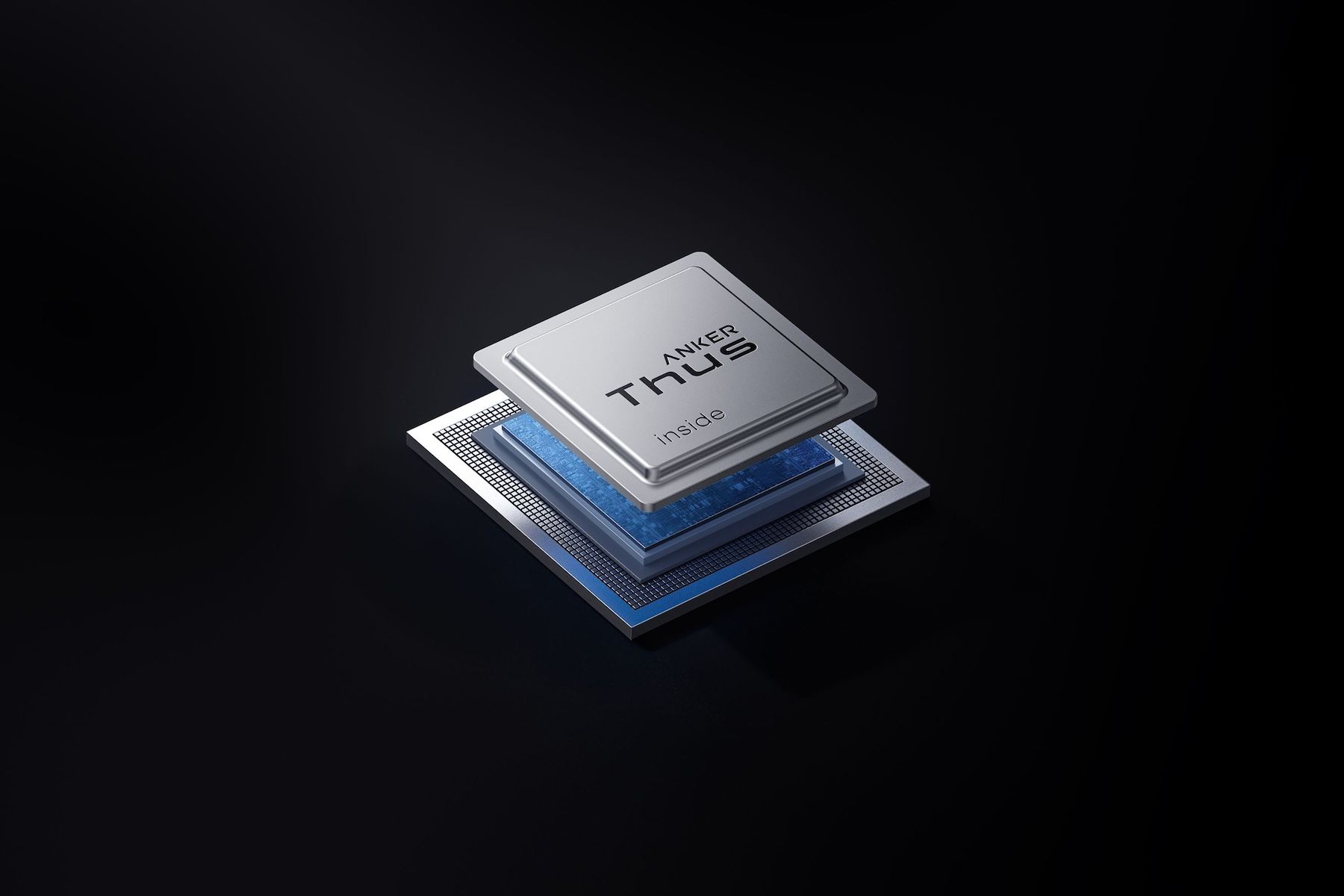
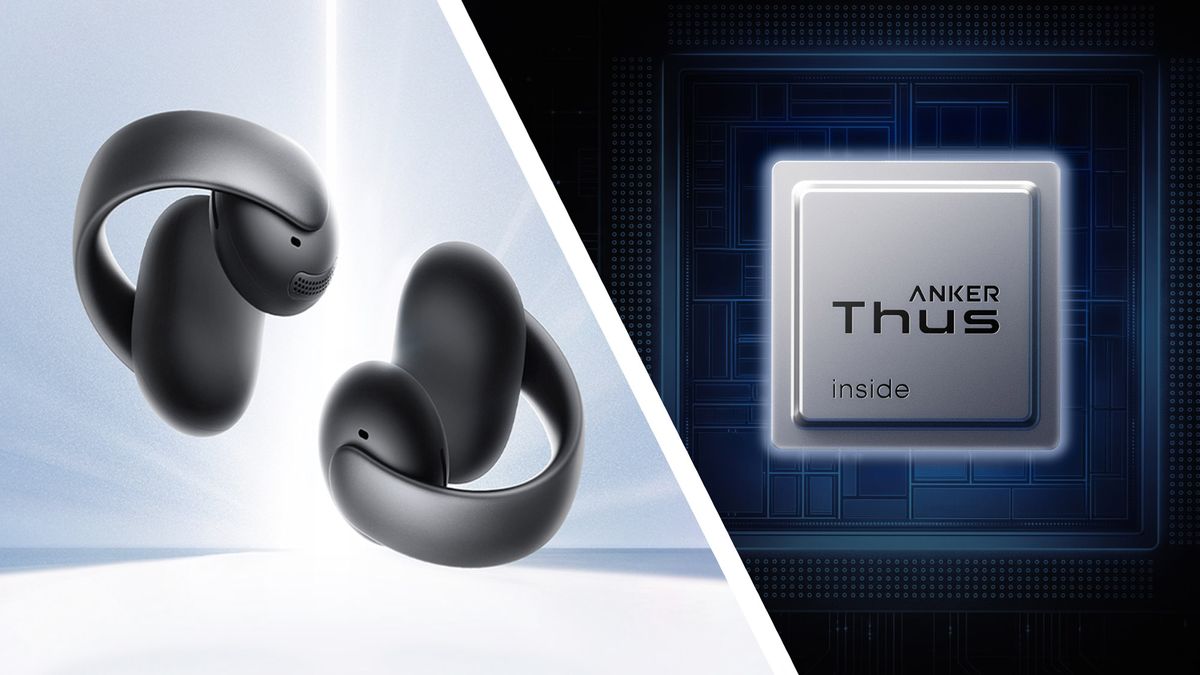
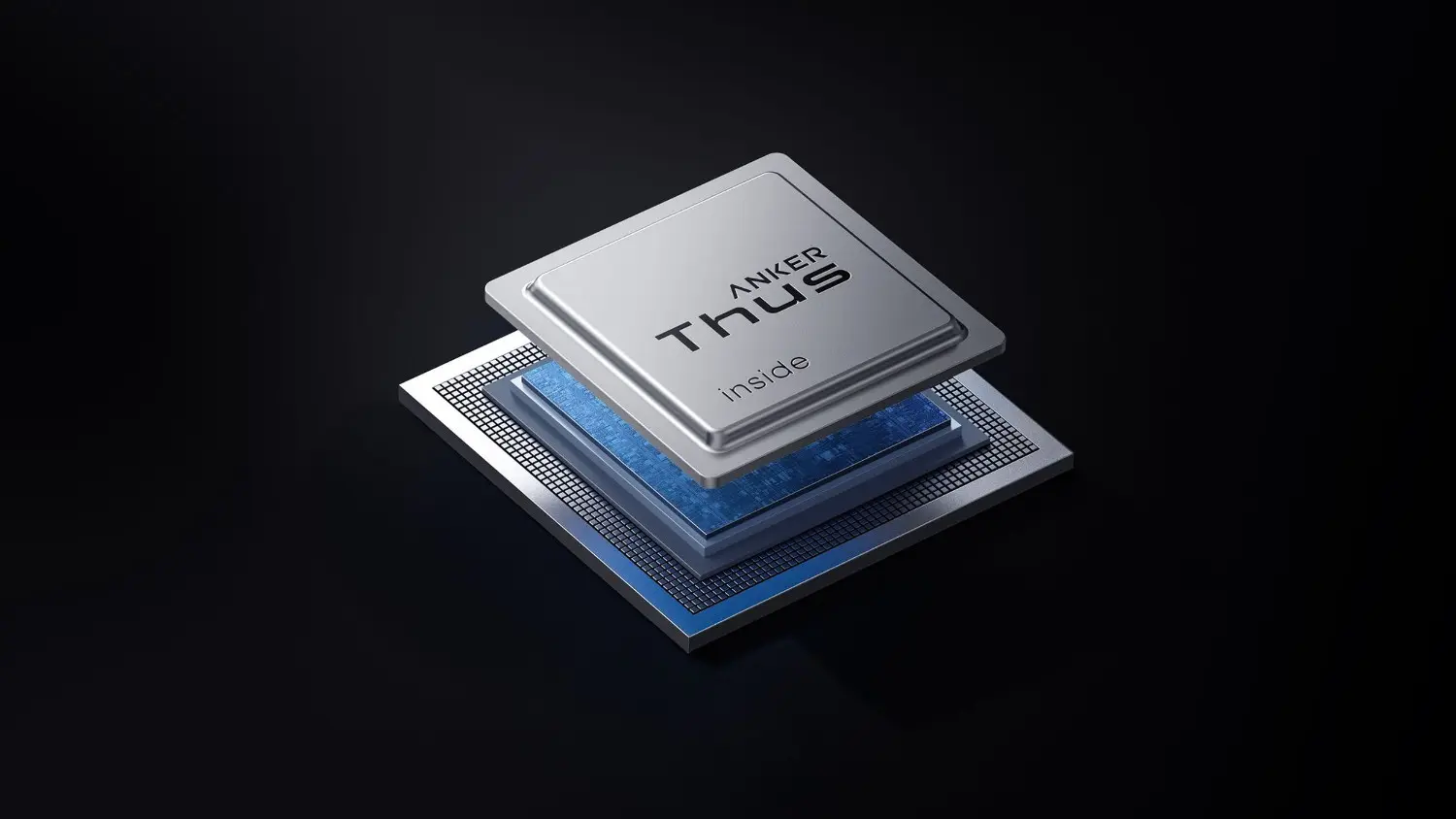
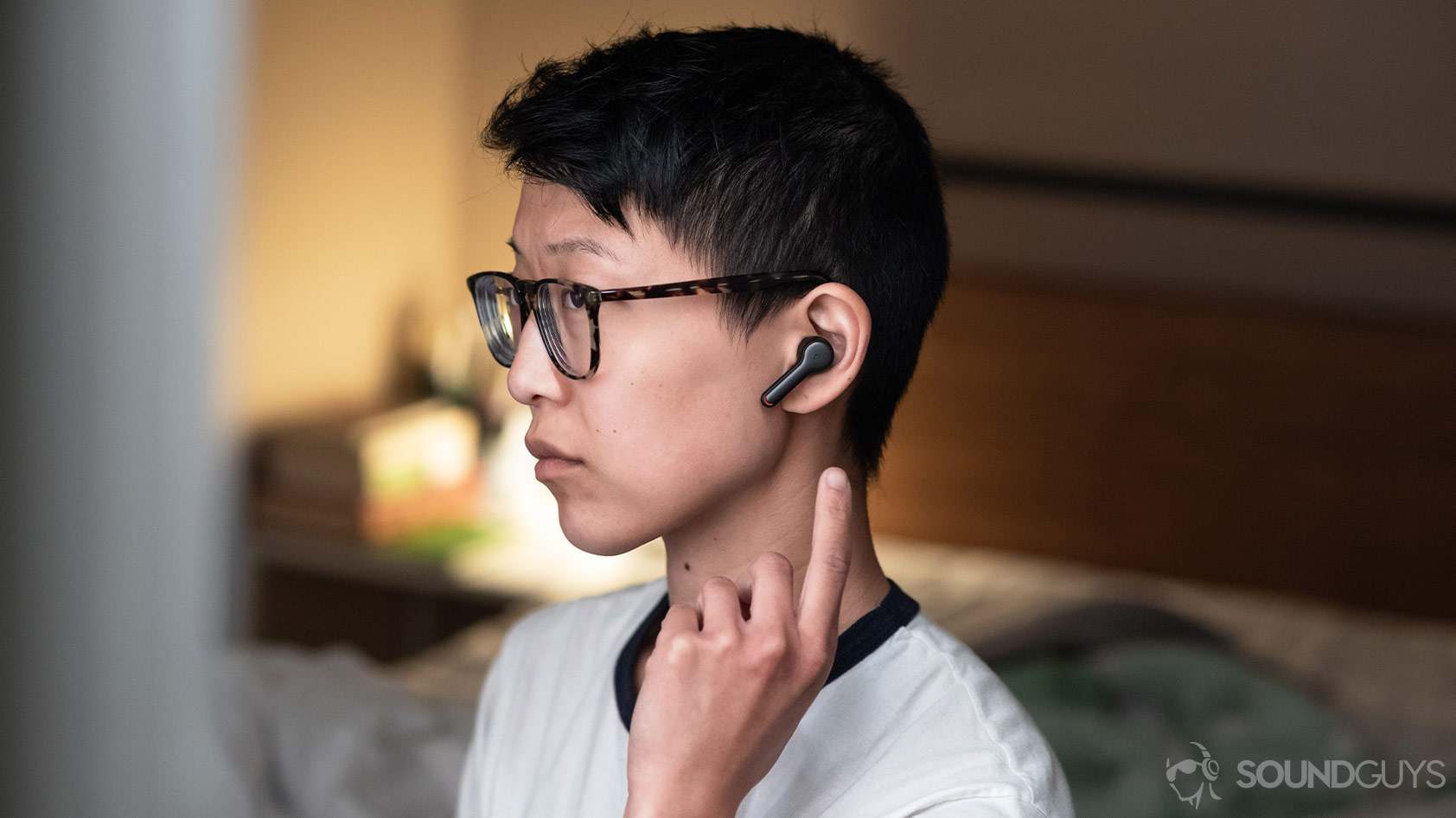
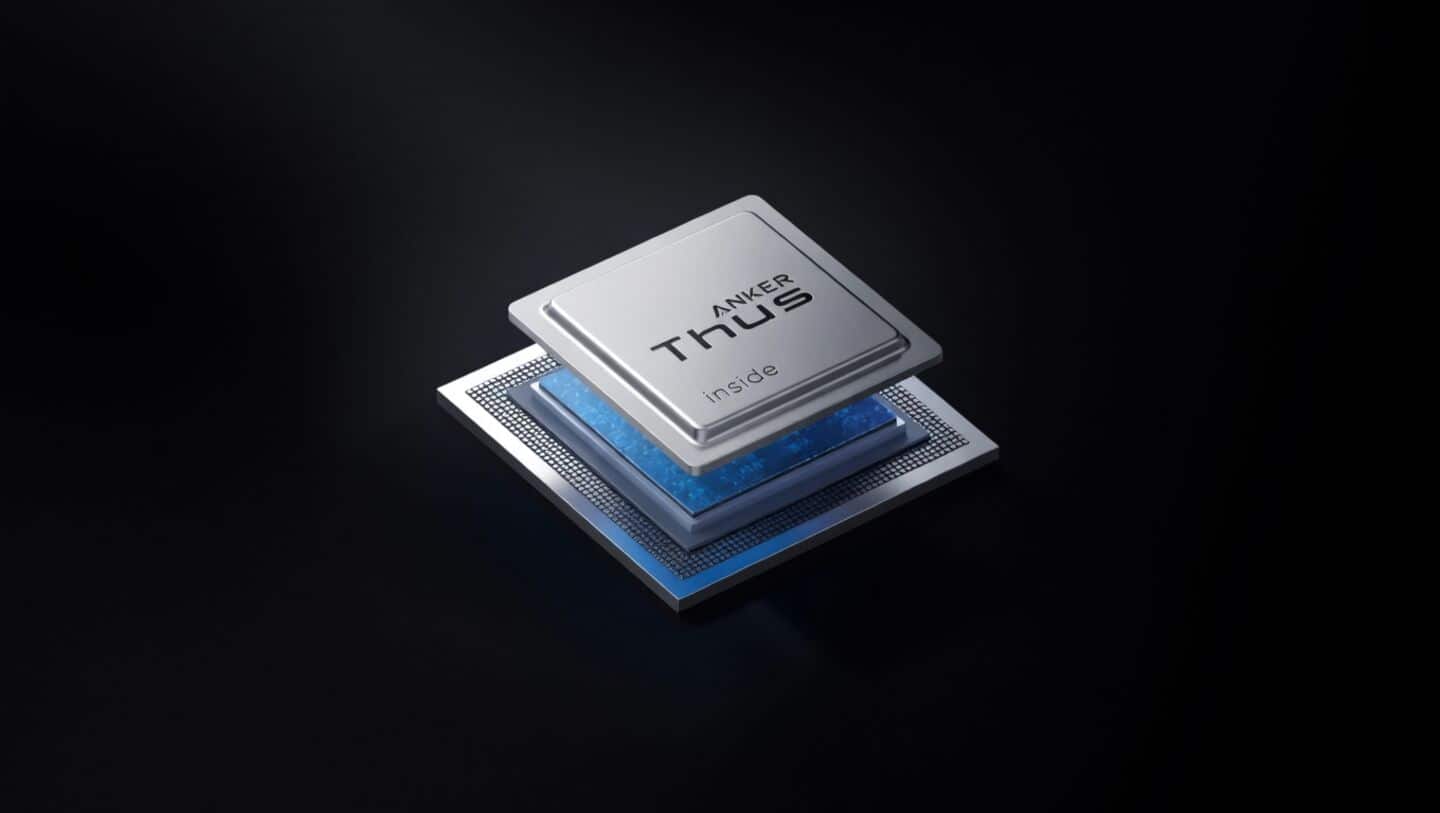
Anker's Thus chip represents a fundamental shift in how AI integrates into wearable devices, creating immediate product differentiation opportunities for e-commerce sellers. Launching May 21 during Anker Day, the Thus chip uses Compute-in-Memory (CIM) architecture to run large neural networks directly on resource-constrained devices like earbuds and smartwatches, reducing power consumption by over 90% compared to traditional cloud-dependent systems. The inaugural Thus-powered earbuds feature "Clear Calls" technology—a large neural network combined with eight MEMS microphones and two bone-conduction sensors—delivering superior noise cancellation in challenging acoustic environments where conventional algorithms fail.
For e-commerce sellers, this technology creates three immediate automation and product opportunities. First, sellers specializing in audio products (earbuds, headphones, wireless accessories) can now source Thus-enabled devices to capture the premium "AI-native" product tier, which commands 15-25% price premiums over standard noise-canceling models. Second, wearable sellers (smartwatches, fitness trackers, IoT devices) can differentiate through offline-capable AI features—real-time health monitoring, voice assistants, and personalized recommendations—without cloud dependencies. This appeals directly to privacy-conscious consumers and markets with limited internet infrastructure, expanding addressable markets in developing regions where connectivity remains unreliable. Third, sellers can leverage AI-powered product research tools to identify emerging demand for "privacy-first" wearables, a category growing 35-40% annually as consumers increasingly prioritize data protection.
Anker's expansion strategy signals broader competitive dynamics sellers must monitor. The company explicitly plans to integrate Thus chips across its entire product ecosystem—Soundcore audio equipment, mobile accessories, and future IoT devices—over the coming years. This positions Anker as a significant player in edge AI hardware, potentially influencing component sourcing decisions for wearable manufacturers globally. Sellers should immediately begin analyzing competitor product roadmaps and pricing strategies, as Thus-enabled devices will likely trigger a wave of similar announcements from Samsung, Apple, and other major manufacturers within 6-12 months. The May 21 announcement will provide critical specifications and performance metrics that determine Thus's market impact and influence purchasing decisions among retailers and consumers seeking advanced audio solutions.
AI automation opportunities for sellers emerge across three operational areas. Product research teams can use AI tools like Helium 10 or Jungle Scout to automatically track Thus-enabled product launches, monitor pricing trends, and identify emerging sub-categories (e.g., "offline AI earbuds," "privacy-first smartwatches"). Pricing optimization engines can dynamically adjust margins for Thus-enabled products based on competitor pricing and demand signals, capturing the 15-25% premium before market saturation. Customer service automation can leverage AI chatbots to educate buyers on offline AI capabilities, addressing common questions about privacy benefits and offline functionality—reducing support costs by 20-30% while improving conversion rates. Sellers should implement these automations immediately to capture first-mover advantage before Thus-enabled products become category standard.
Questions 8
Which seller segments benefit most from Thus chip technology?
Audio product specialists (earbuds, headphones, wireless accessories) benefit immediately from Thus-enabled devices commanding 15-25% premiums. Wearable sellers (smartwatches, fitness trackers) can differentiate through offline AI capabilities, particularly valuable in developing regions with unreliable connectivity. IoT device sellers can leverage Thus chips across smart home products, expanding addressable markets. Cross-border sellers targeting privacy-conscious consumers in EU and developed markets gain significant advantage, as GDPR compliance and data protection concerns drive demand for offline-processing devices. Sellers in emerging markets (Southeast Asia, India, Africa) benefit from offline functionality, where internet infrastructure limitations make cloud-dependent AI impractical. Niche sellers in health/fitness and professional audio categories can create premium product tiers with Thus-enabled features.
What AI automation tools should sellers implement to capture Thus opportunities?
Product research automation using Helium 10 or Jungle Scout can track Thus-enabled product launches, monitor pricing trends, and identify emerging sub-categories like 'offline AI earbuds' and 'privacy-first smartwatches.' Dynamic pricing engines should automatically adjust margins for Thus-enabled products based on competitor pricing and demand signals, capturing 15-25% premiums before saturation. AI chatbots can educate buyers on offline AI capabilities and privacy benefits, reducing support costs 20-30% while improving conversion rates. Sentiment analysis tools should monitor customer reviews and social media to identify emerging preferences for privacy-first features. Competitive intelligence automation can track competitor product roadmaps and announcements, enabling proactive positioning adjustments. Implementing these automations immediately provides first-mover advantage before Thus-enabled products become category standard.