


EU €106B Ukraine Loan & Russia Sanctions | Cross-Border Seller Compliance & Supply Chain Shifts
- €223B total EU commitment through 2029 triggers new export controls, sanctions compliance requirements, and Eastern European logistics route changes affecting 50K+ sellers shipping to/from EU markets










Overview
The European Union's approval of a €106 billion loan package to Ukraine on April 23, 2026—combined with simultaneous new economic sanctions against Russia—represents a critical geopolitical inflection point with direct operational consequences for cross-border e-commerce sellers. This €223 billion total commitment (€106B immediate loan + €117B long-term budget through 2029) fundamentally reshapes trade compliance, supply chain routing, and market access strategies across Eastern Europe and the broader EU marketplace.
Immediate Compliance Impact: The new sanctions regime adopted alongside the loan approval creates expanded export control requirements for sellers engaged in European markets. Sellers must now implement enhanced screening protocols for Russian entities, sanctioned individuals, and restricted product categories (particularly dual-use technologies, electronics, and industrial equipment). Amazon, eBay, and Shopify sellers shipping to EU destinations face mandatory compliance verification through updated sanctions screening lists. Non-compliance penalties range from €5,000-€50,000+ per violation, with potential account suspension on major platforms. Sellers currently sourcing from or selling to Russian markets must immediately audit their supply chains and customer bases against EU's consolidated sanctions list.
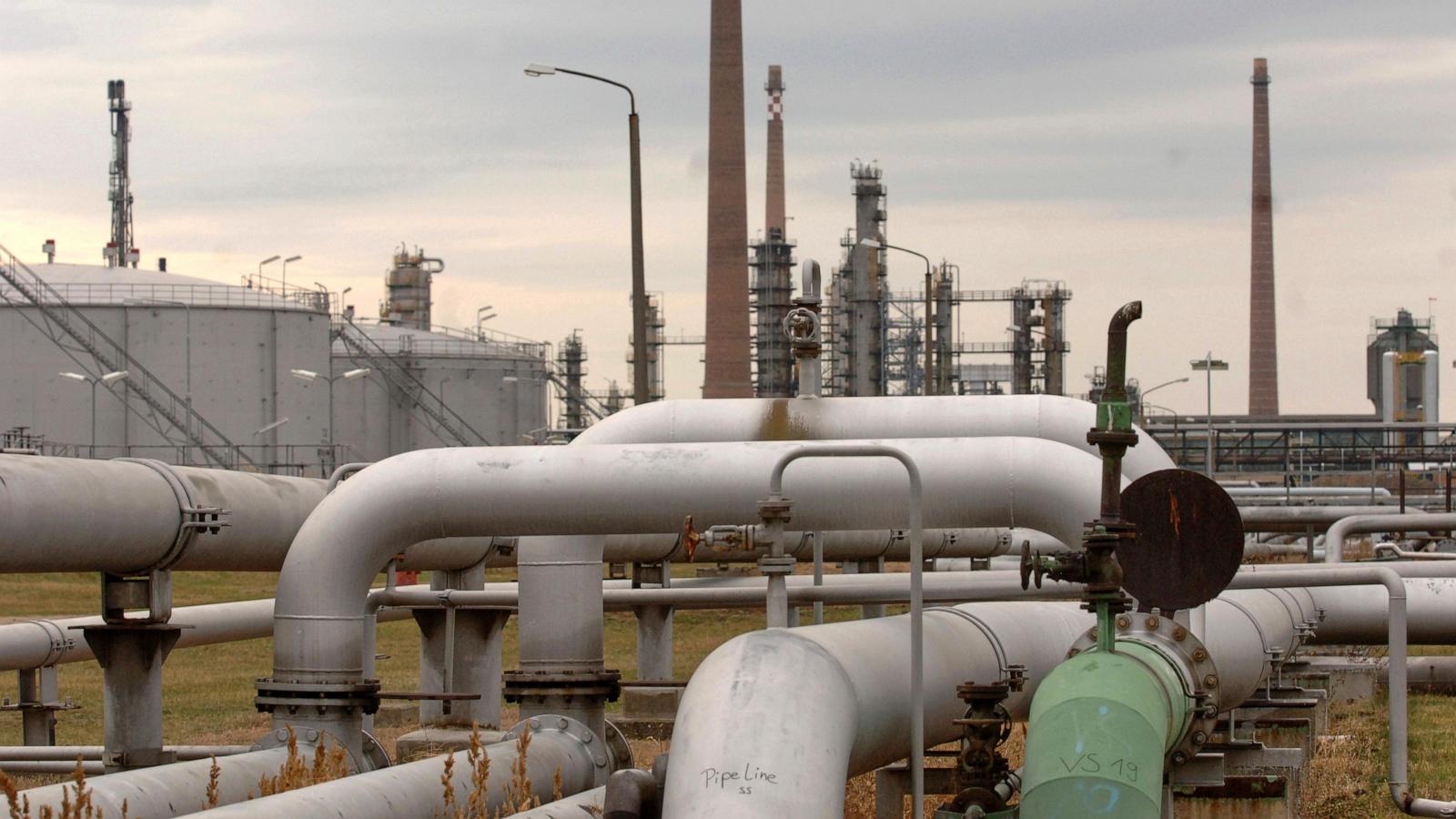
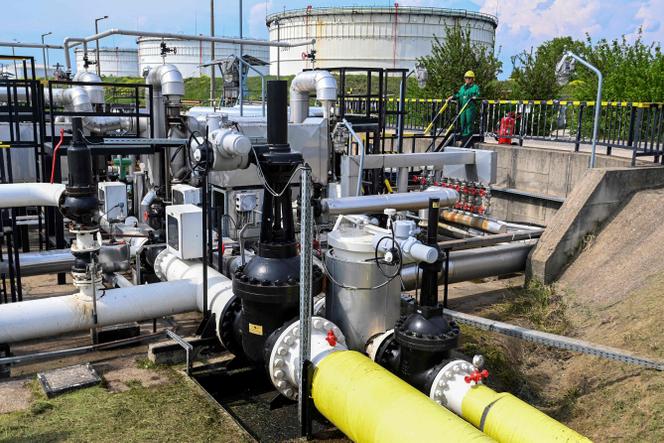
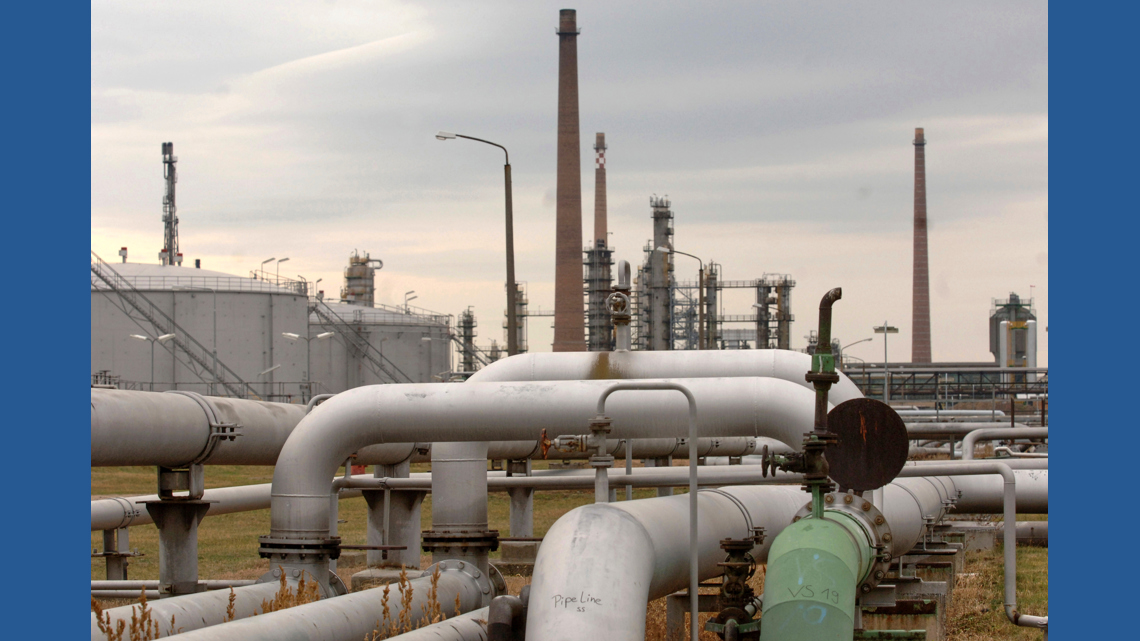
Supply Chain Routing Transformation: The €70 billion military expenditure focus signals prolonged conflict and infrastructure instability in Ukraine. This redirects logistics corridors away from traditional Ukraine-Russia-Central Europe routes. Sellers relying on Ukrainian manufacturing, warehousing, or transshipment hubs must diversify to Poland, Hungary, Slovakia, and Czech Republic fulfillment centers. The pipeline restoration (Druzhba oil flows resuming April 23, 2026) temporarily stabilizes energy costs in Hungary and Slovakia, but geopolitical volatility remains high. Sellers should expect 8-15% logistics cost increases for Eastern European operations through 2027 due to route inefficiencies and heightened security protocols.
Market Opportunity Window: The €106 billion loan distribution over two years (2026-2028) creates significant consumer spending stimulus in Ukraine and neighboring EU states. Sellers should prioritize product categories supporting reconstruction and military-adjacent demand: industrial equipment, electronics, construction materials, and logistics technology. Hungarian and Slovak markets gain strategic importance as EU's primary gateways to Eastern Europe. Sellers with existing 3PL networks in Budapest, Bratislava, or Warsaw can capture 15-25% margin premiums by positioning as "EU-compliant, sanctions-verified" suppliers to Ukrainian buyers and EU procurement agencies. The compliance burden creates competitive moat favoring established sellers over new entrants.
Questions 7
How does the €106 billion Ukraine loan affect supply chain routing for sellers using Eastern European fulfillment centers?
The prolonged conflict focus (€70B military spending) signals infrastructure instability in Ukraine, forcing sellers to redirect logistics away from traditional Ukraine-Russia-Central Europe corridors. Sellers relying on Ukrainian warehousing must migrate to Poland, Hungary, and Slovakia fulfillment hubs by Q3 2026. The Druzhba pipeline restart (April 23, 2026) temporarily stabilizes energy costs in Hungary/Slovakia, but geopolitical volatility remains. Expect 8-15% logistics cost increases through 2027 due to route inefficiencies and security protocols. Sellers should negotiate long-term 3PL contracts in Budapest and Bratislava now to lock in rates before demand surge from EU reconstruction spending.
What new sanctions compliance requirements apply to Amazon and eBay sellers after the EU's April 2026 Ukraine aid package?
The EU's simultaneous sanctions adoption requires all sellers on Amazon, eBay, and Shopify to implement enhanced screening against the EU Consolidated Sanctions List before processing transactions to EU destinations. Sellers must verify customer identities, business registration details, and beneficial ownership against sanctioned entities. Amazon Seller Central now requires sellers to complete sanctions compliance certification within 30 days of the April 23, 2026 announcement. Non-compliance results in account suspension and fines up to €50,000 per violation. Sellers should immediately audit their customer database and implement automated screening tools through third-party compliance providers like Refinitiv or Dun & Bradstreet.