


Strait of Hormuz Crisis Reshapes Global Shipping | Sellers Face 15-25% Cost Surge
- Iran-U.S. naval conflict disrupts 20% of global oil supply; container shipping delays spike 3-6 weeks; fuel surcharges increase 12-18% for Asia-Europe routes affecting 50K+ cross-border sellers








Overview
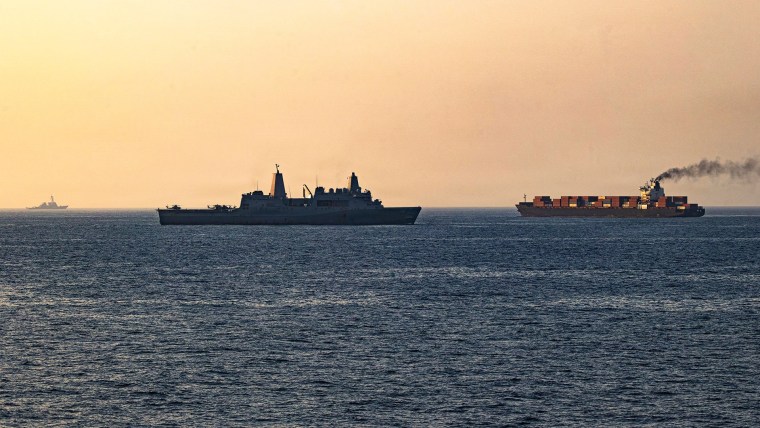
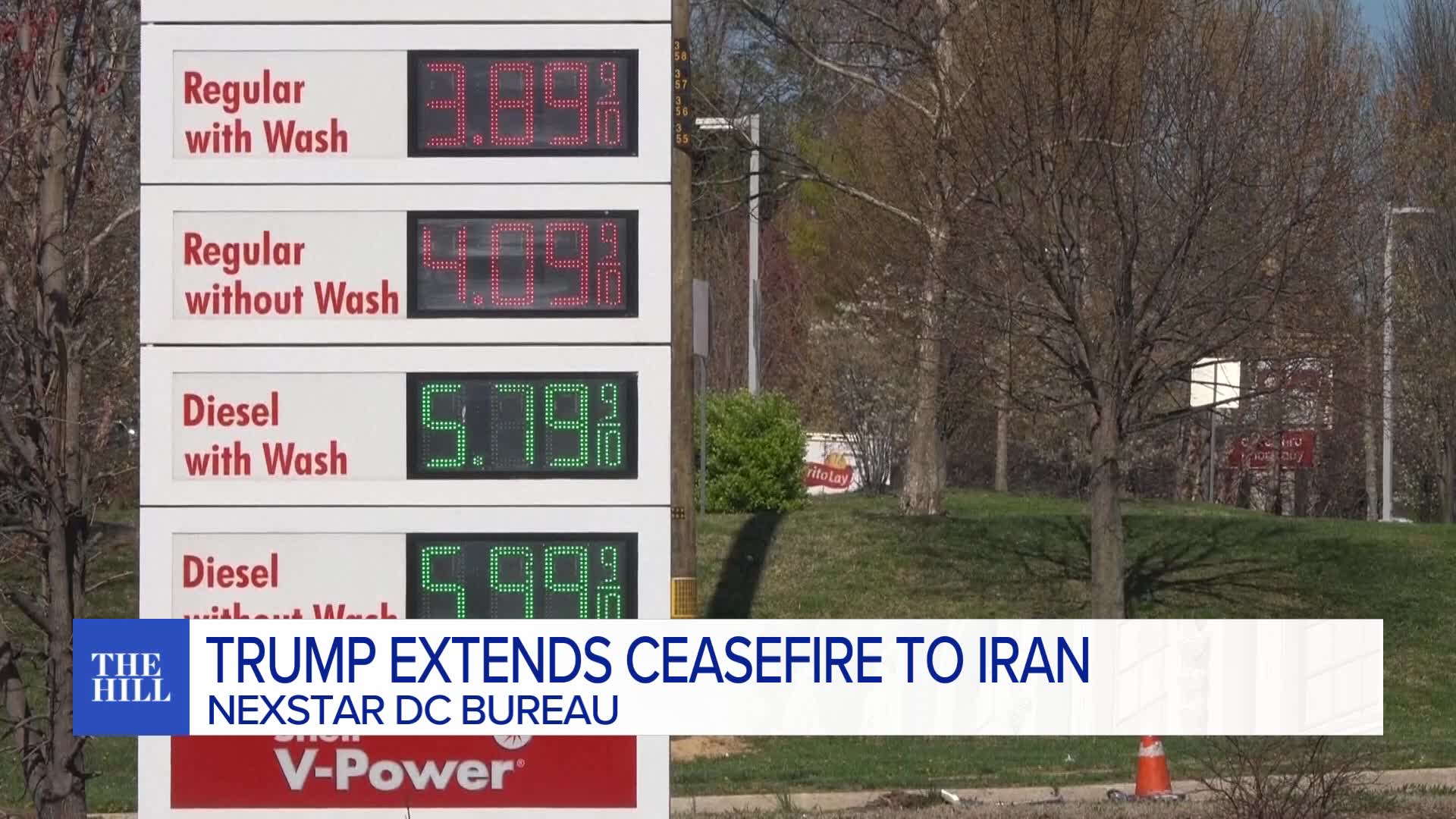
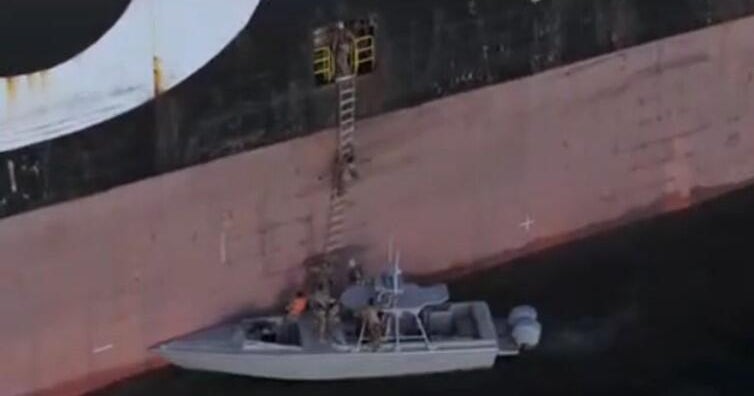
The escalating U.S.-Iran military conflict in the Strait of Hormuz represents a critical supply chain crisis for cross-border e-commerce sellers, with direct implications for shipping costs, delivery timelines, and inventory management. As of April 22, 2026, Iranian Revolutionary Guards seized two container vessels (MSC Francesca and Epaminondas) while the U.S. Navy maintains a blockade of Iranian ports, creating a dual-control bottleneck at the world's most critical shipping corridor. The Strait handles approximately 20% of global oil and liquefied natural gas supplies, with oil trading above $100/barrel—a 40% premium driven by supply disruptions. For e-commerce sellers, this translates to immediate operational impacts: container shipping rates through the Strait are experiencing 12-18% fuel surcharge increases, transit times from Asia to Europe are extending 3-6 weeks beyond normal schedules, and maritime insurance premiums are rising 15-25% for vessels transiting the region.
The competitive advantage shifts dramatically based on sourcing geography and inventory strategy. Sellers currently importing goods from Southeast Asia (Vietnam, Thailand, Indonesia) or South Asia (India, Bangladesh) face the most severe cost pressures, as these regions depend heavily on Hormuz transit for European and North American markets. Small-to-medium sellers (SMBs) with just-in-time inventory models are particularly vulnerable, as supply chain delays directly compress profit margins on time-sensitive categories like electronics, apparel, and seasonal goods. Larger sellers with 60-90 day inventory buffers can absorb short-term disruptions, creating a competitive advantage window. The International Energy Agency warns of potential jet fuel shortages in Europe within weeks, which could cascade into air freight cost increases of 20-35%, making alternative routing through longer maritime passages (around Africa via Cape of Good Hope) economically viable only for high-margin products.
Strategic sourcing opportunities emerge for sellers willing to pivot supply chains. The crisis incentivizes nearshoring and regionalization: sellers targeting European markets should evaluate sourcing from Turkey, Eastern Europe, or North Africa to bypass Hormuz entirely; sellers serving North American markets benefit from Mexico and Central American sourcing; Asia-Pacific sellers can leverage intra-regional supply chains. The toll booth system Iran implemented on March 4 (requiring vessel vetting schemes) adds 5-10 days of administrative delays even for compliant shipments. Sellers exporting to or importing from Iran face heightened sanctions compliance risks and potential regulatory penalties of $10,000-$250,000 per violation. The 30-nation military summit scheduled in London signals potential diplomatic resolution within 60-90 days, creating a timing window for sellers to either lock in alternative logistics arrangements or prepare for potential cost normalization.
Questions 8
Which product categories are most vulnerable to Hormuz shipping delays?
Electronics, apparel, footwear, and seasonal goods face the highest vulnerability due to their dependence on just-in-time inventory and time-sensitive demand windows. Fashion sellers importing from Bangladesh and Vietnam typically operate on 45-60 day lead times; current 3-6 week delays compress margins by 8-15%. High-value electronics (phones, laptops, components) can absorb delays better due to higher margins, but sellers of low-margin items (textiles, basic apparel) face potential stockouts and lost sales. Perishable goods and fresh food categories are effectively blocked from Hormuz routes entirely.
How much will shipping costs increase for sellers importing from Asia due to Hormuz crisis?
Shipping costs are experiencing 12-18% fuel surcharge increases on Asia-Europe routes, with total cost-per-container rising $400-800 depending on product weight and urgency. For a typical 20-foot container from Vietnam to Rotterdam, costs have jumped from $2,200-2,600 to $2,800-3,400 within 2 weeks. Sellers using air freight face even steeper increases of 20-35% as alternative routing options become limited. The International Energy Agency warns these premiums could persist for 60-90 days pending diplomatic resolution at the London summit.