


Paramount-WBD $110B Merger Approved | Digital Advertising & Content Licensing Shifts for Sellers
- Consolidation of HBO Max, CNN, Warner Bros. film studio creates largest media conglomerate; impacts digital advertising costs, content licensing policies, and merchandise opportunities for cross-border sellers in entertainment categories




































Overview
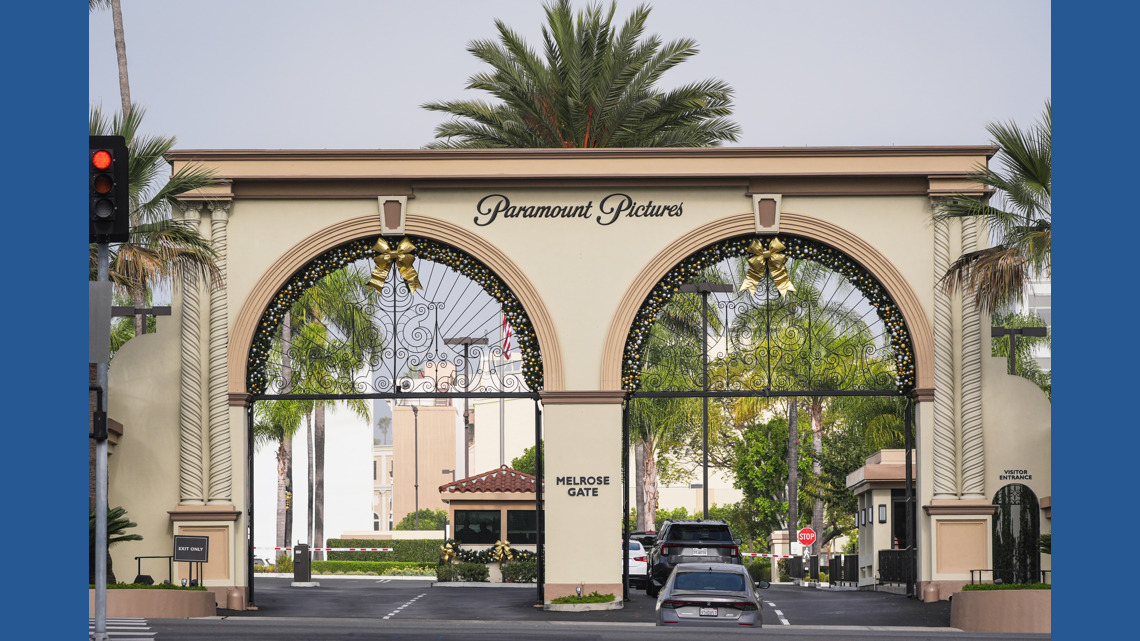
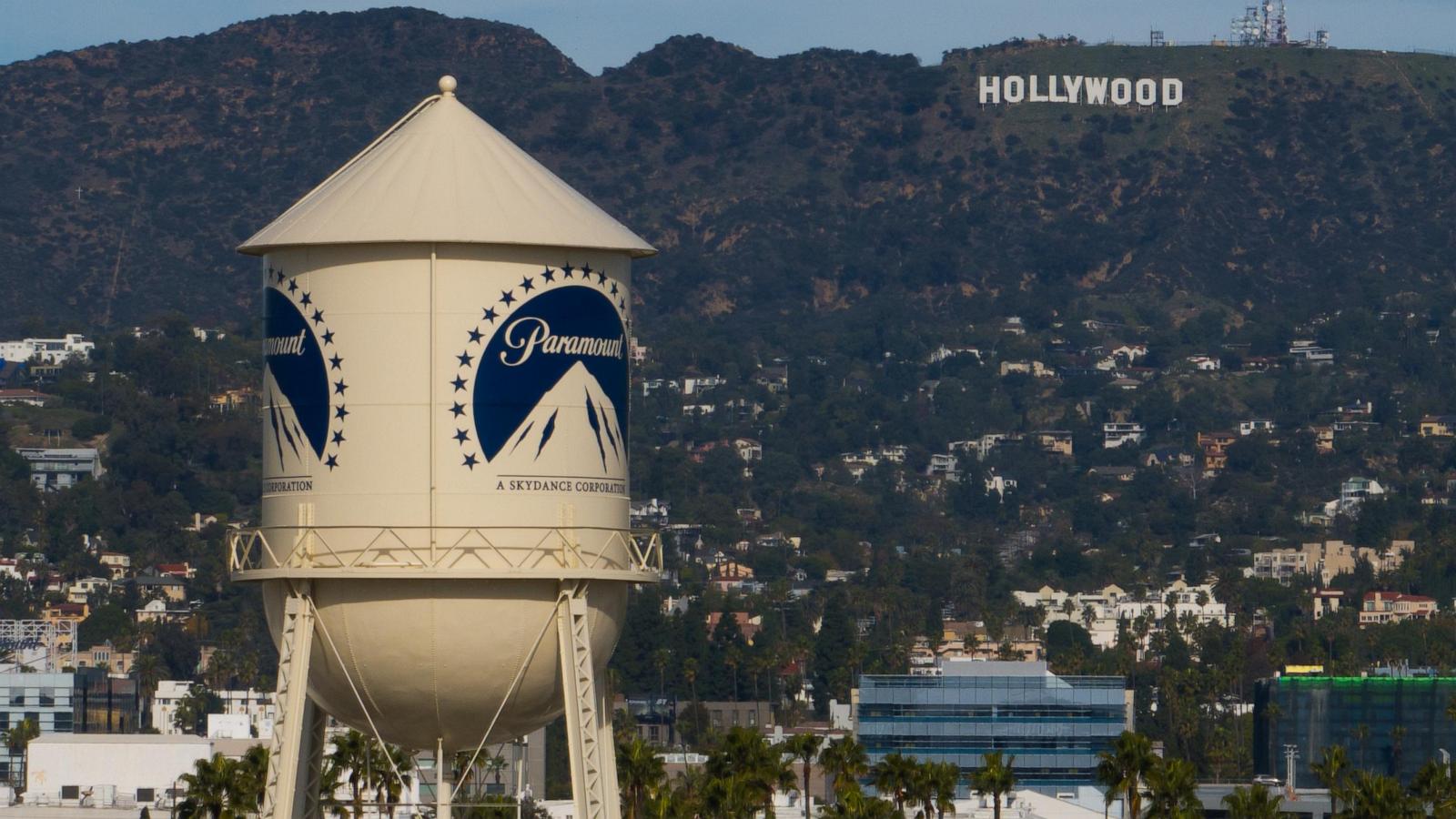
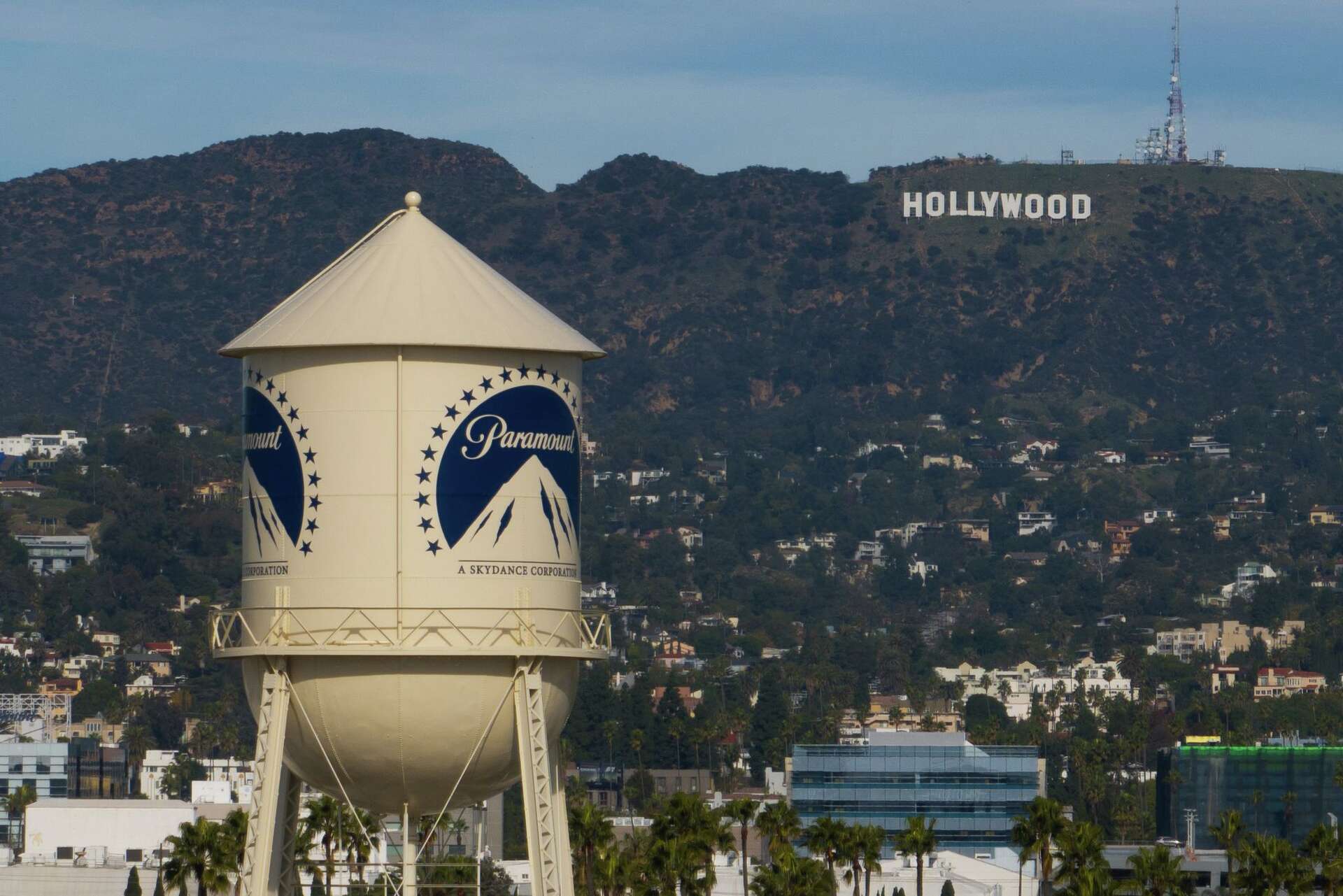
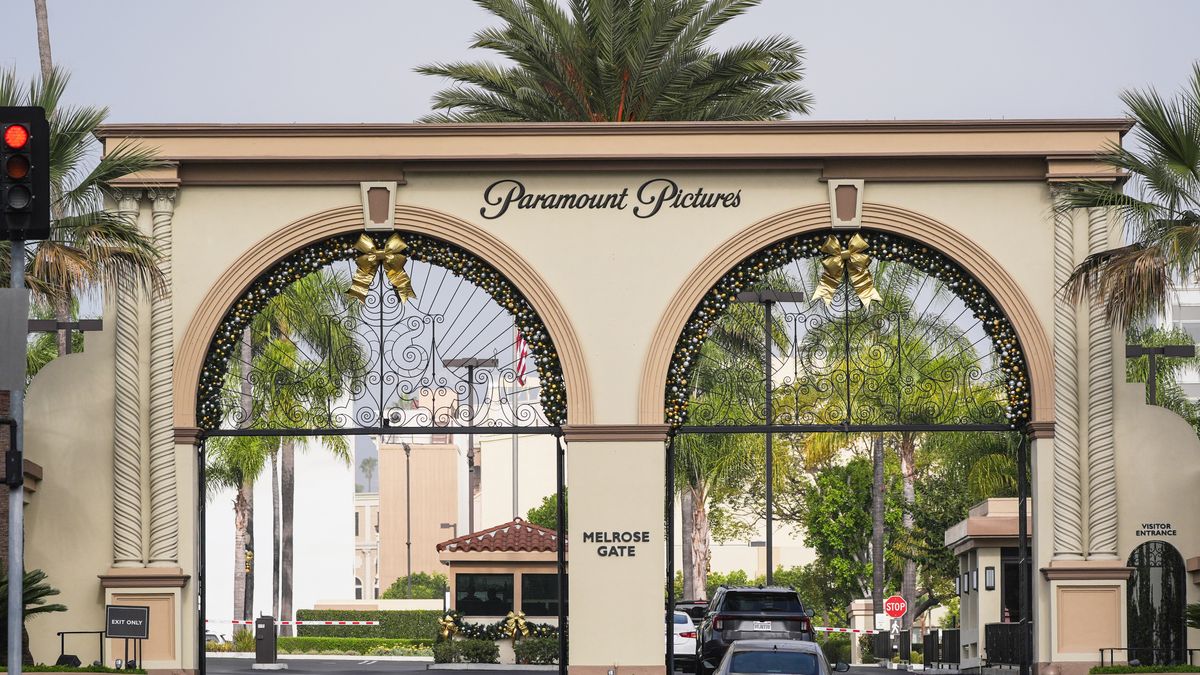
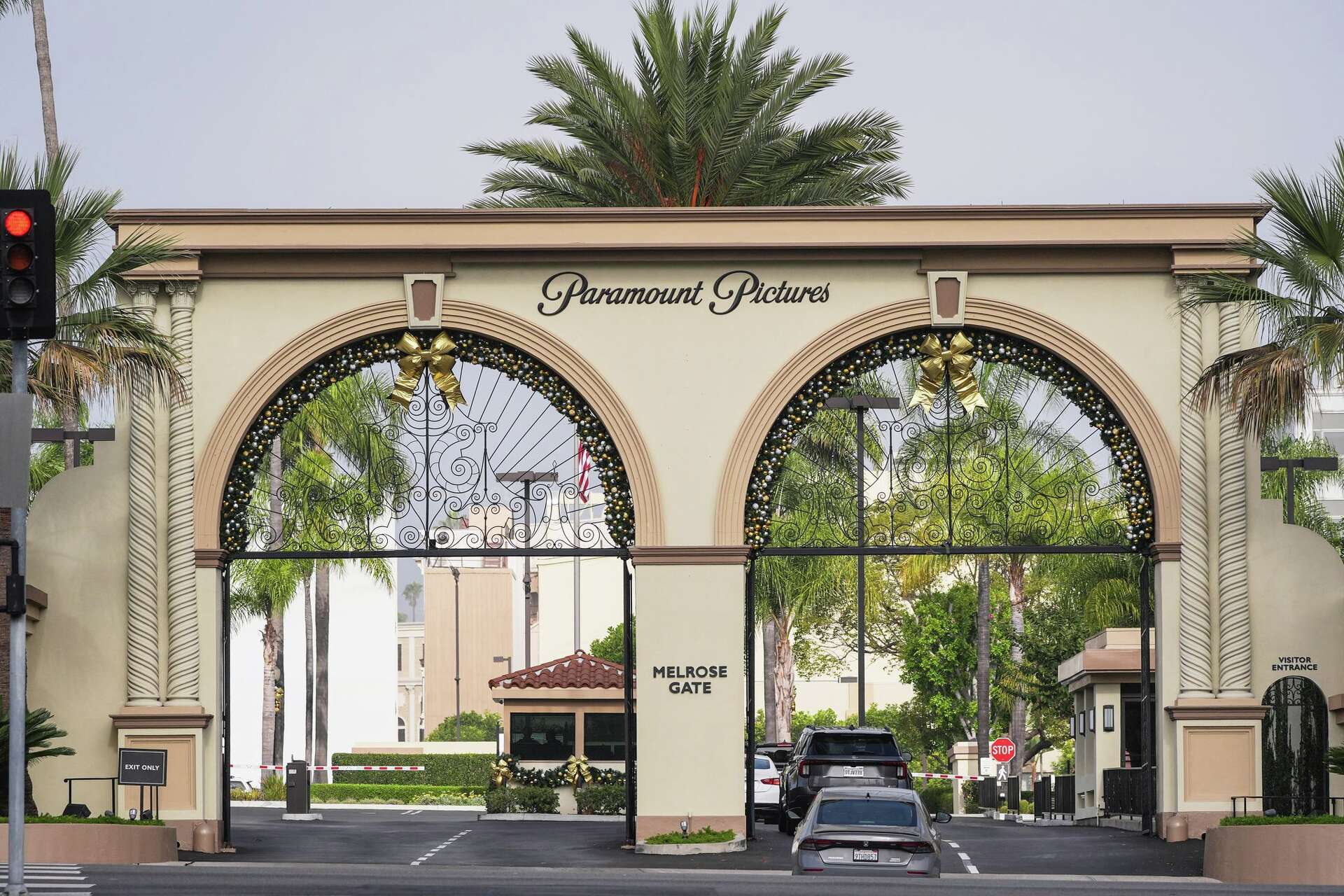
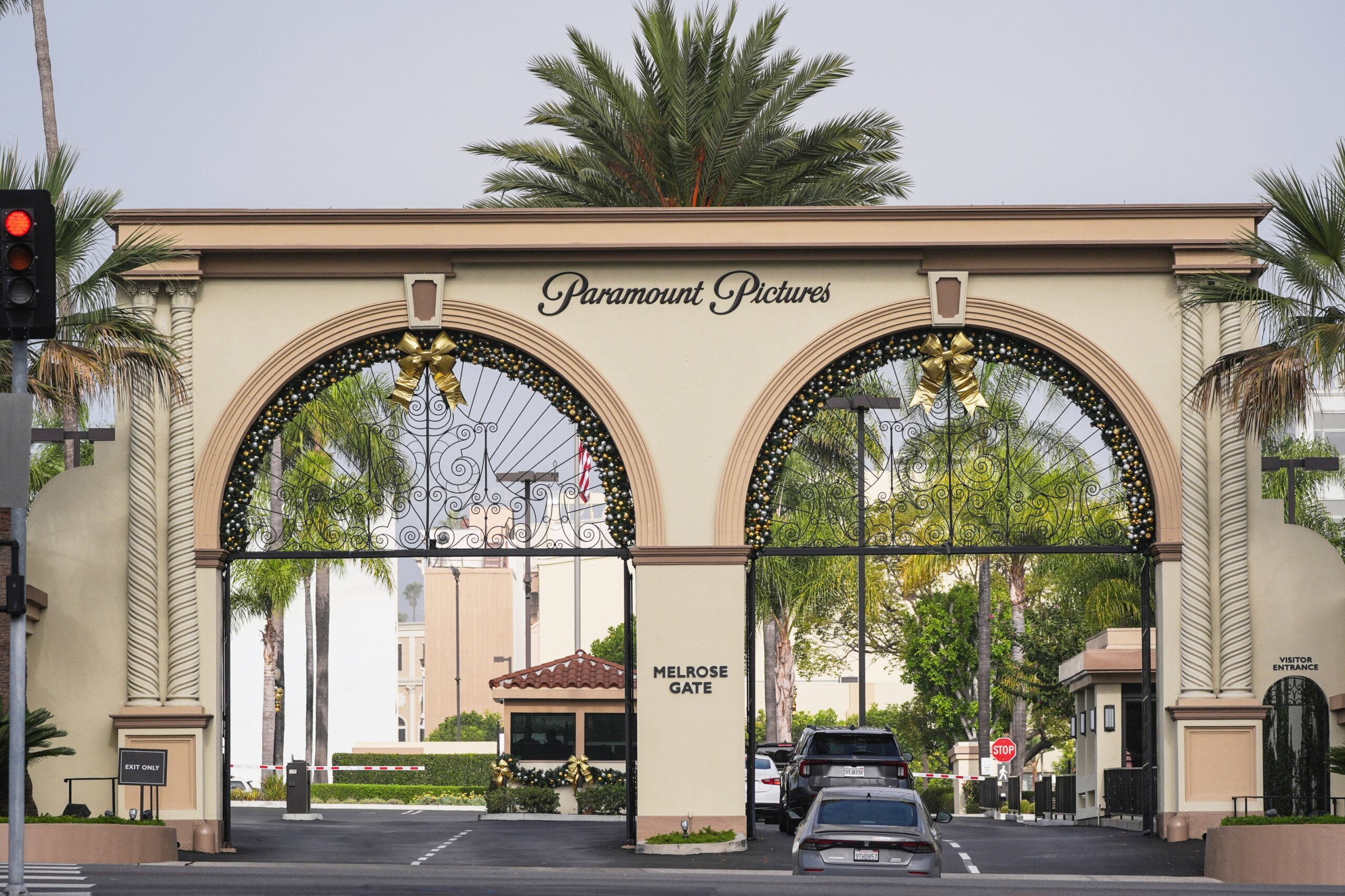
CORE DEVELOPMENT: Warner Bros. Discovery shareholders overwhelmingly approved Paramount Skydance's $110-111 billion acquisition on April 23, 2026, consolidating two major entertainment conglomerates into a single entity controlling HBO Max, CNN, TNT, Discovery Channel, Warner Bros. film studio, and extensive IP portfolios including DC Comics and Harry Potter franchises. The deal, announced February 27, 2026 at $31 per share (representing a 288% premium from $8 one year prior), faces expected Q3 2026 closure pending regulatory approval from the DOJ, FCC, EU, and UK authorities.
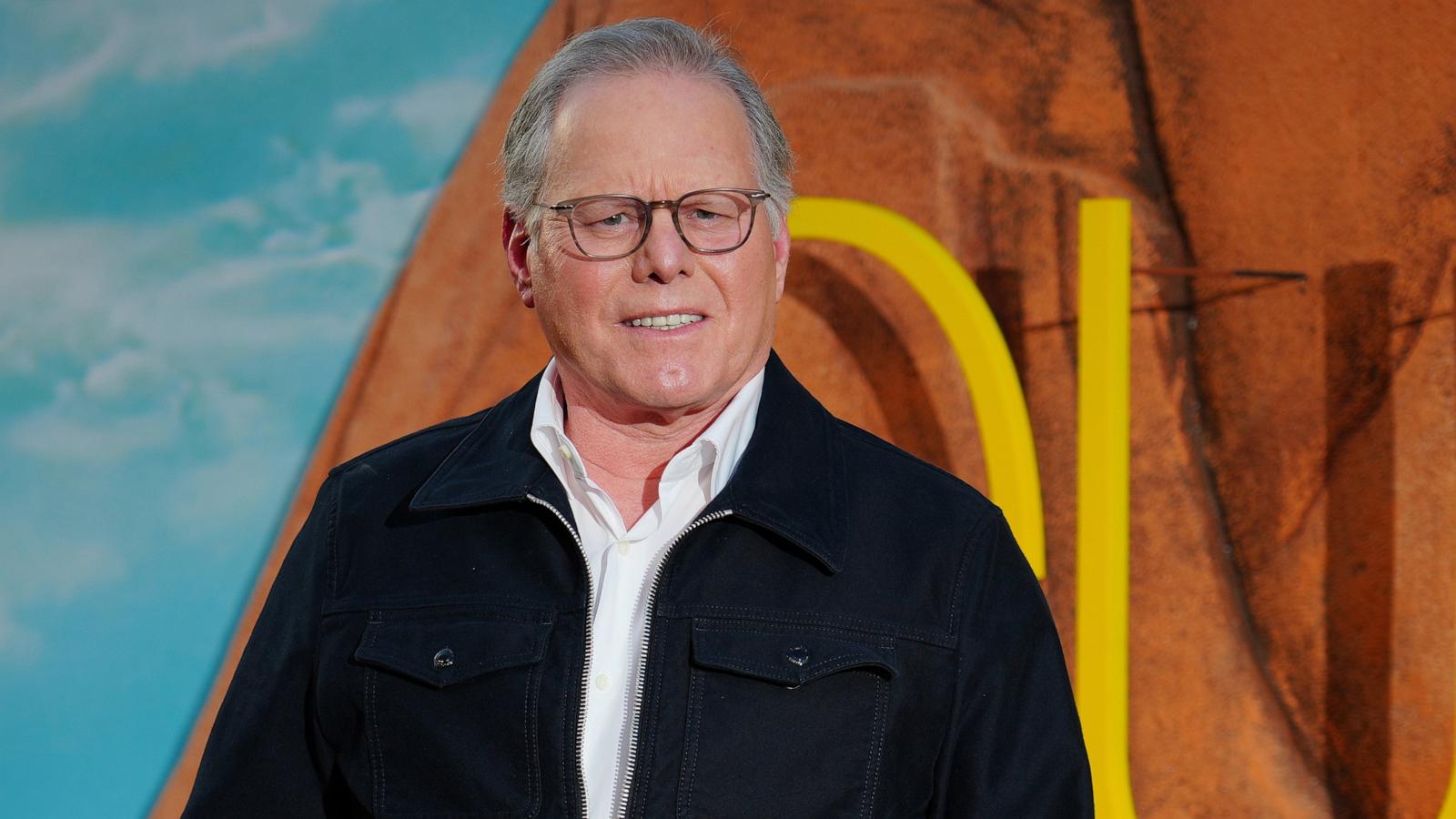
SELLER IMPACT - DIGITAL ADVERTISING ECOSYSTEM: The merger creates a consolidated media powerhouse that will optimize marketing spend and platform partnerships, directly affecting digital advertising costs for cross-border sellers. Merged entities typically consolidate ad inventory and renegotiate rates with platforms like Amazon Advertising, Google Shopping, and Facebook/Instagram. Sellers targeting entertainment-related niches (movie merchandise, collectibles, licensed apparel) should expect 8-15% increases in CPM (cost per thousand impressions) as Paramount-WBD controls premium inventory across CNN, HBO Max, and cable networks. The company's $6 billion cost-cutting mandate (announced by CEO David Ellison) will likely compress ad budgets, reducing available inventory and increasing competition for remaining placements. Sellers relying on entertainment content partnerships for product launches should monitor licensing availability changes—centralized licensing under single ownership may streamline approvals but could increase licensing fees by 10-20% as the merged entity leverages monopolistic positioning.
MERCHANDISE & CONTENT LICENSING OPPORTUNITIES: The $110 billion valuation reflects extraordinary IP value—DC Comics, Harry Potter, Lord of the Rings, and 1000+ film/TV franchises. For merchandise sellers, this consolidation signals tighter licensing controls and higher approval barriers. Currently fragmented licensing across separate entities allowed smaller sellers to negotiate favorable terms; unified Paramount-WBD will implement centralized licensing policies, potentially excluding mid-tier sellers from official merchandise programs. However, this creates opportunities in unlicensed collectibles, fan art, and parody merchandise categories—estimated $2.1B cross-border market in 2024. Sellers should pivot toward transformative products (fan-designed apparel, custom collectibles) that operate in legal gray zones, as consolidated licensing enforcement will target direct IP infringement more aggressively. The merger's expected Q3 2026 closure timeline provides 6-month window for sellers to secure existing licensing agreements before new terms take effect.
REGULATORY UNCERTAINTY & TIMELINE RISK: Despite FCC Chair Brendan Carr's support ("should get through pretty quickly"), significant regulatory headwinds persist. State attorneys general are examining antitrust implications, with California AG Rob Bonta potentially joining multi-state legal challenges. The UK's Competition and Markets Authority is conducting phase-one investigation; European regulators may require divestiture of smaller cable brands or regional assets. Historical precedent shows regulatory capacity to block consolidation—state AGs halted Nexstar's Tegna acquisition in 2024, and the FCC blocked Tribune-Sinclair merger in 2018. Sellers should assume 6-12 month regulatory extension risk, delaying integration and licensing policy changes. If the deal fails, WBD shareholders receive $7 billion termination fee, but sellers face uncertainty in content partnerships and advertising strategies during extended approval period.
CROSS-BORDER SELLER SEGMENTS AFFECTED: (1) Entertainment merchandise sellers ($500M-$1B annual cross-border volume)—expect licensing cost increases 10-20%, approval timelines extending from 30 to 60-90 days; (2) Digital goods/streaming content sellers—centralized rights management may restrict geographic availability, particularly in EU markets where Paramount must divest regional assets; (3) Advertising-dependent sellers (apparel, collectibles, toys)—CPM increases of 8-15% on entertainment-targeted campaigns, requiring 15-25% budget increases to maintain impression volume; (4) Licensed merchandise resellers—inventory sourcing from official channels will face stricter compliance, pushing sellers toward gray-market suppliers with 20-30% margin compression.
Questions 7
How does the merger impact content licensing for international (EU/UK) sellers?
European regulators may require Paramount to divest smaller cable brands or regional assets to approve the merger, creating uncertainty in content availability across geographic markets. The UK's Competition and Markets Authority is conducting phase-one investigation, potentially imposing licensing restrictions or geographic carve-outs. EU sellers should expect 6-12 month delays in content licensing approvals and potential price increases of 15-25% for European distribution rights. The merger's centralized licensing structure may streamline approvals but will likely include geographic restrictions and higher minimum order volumes. Sellers should monitor regulatory filings and prepare contingency plans for content unavailability in specific EU markets during the approval period.
Which cross-border seller segments are most affected by this merger?
Four segments face direct impact: (1) Entertainment merchandise sellers ($500M-$1B annual cross-border volume) expect licensing cost increases 10-20% and extended approval timelines; (2) Digital goods/streaming content sellers face centralized rights management restricting geographic availability, particularly in EU markets; (3) Advertising-dependent sellers (apparel, collectibles, toys) see CPM increases of 8-15%, requiring budget increases to maintain performance; (4) Licensed merchandise resellers face stricter compliance from official channels, pushing toward gray-market suppliers with 20-30% margin compression. Sellers in these categories should diversify revenue streams and reduce dependency on entertainment-specific advertising channels.