


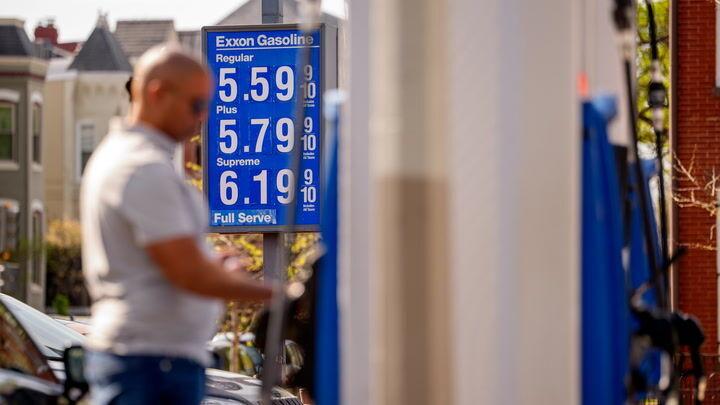


Hormuz Strait Disruption Drives Oil Above $100 | Shipping Cost Crisis for E-Commerce Sellers
- Brent crude surges past $100/barrel amid U.S.-Iran tensions; logistics costs expected to rise 8-15% for cross-border sellers within 30-60 days






Overview
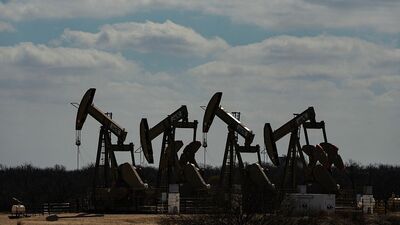
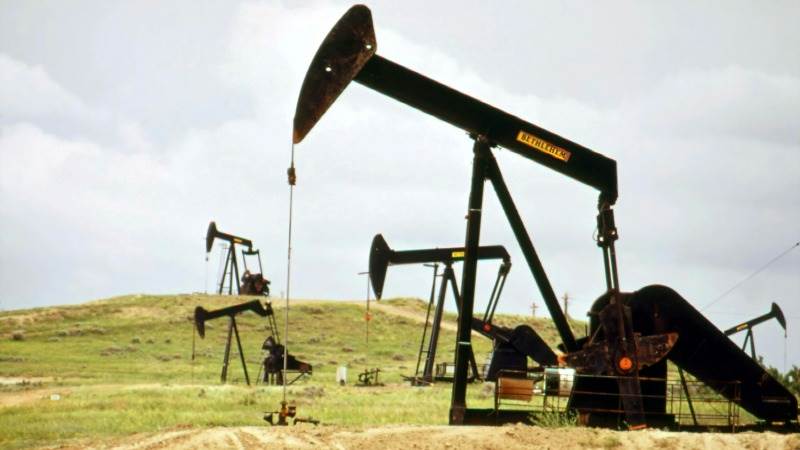
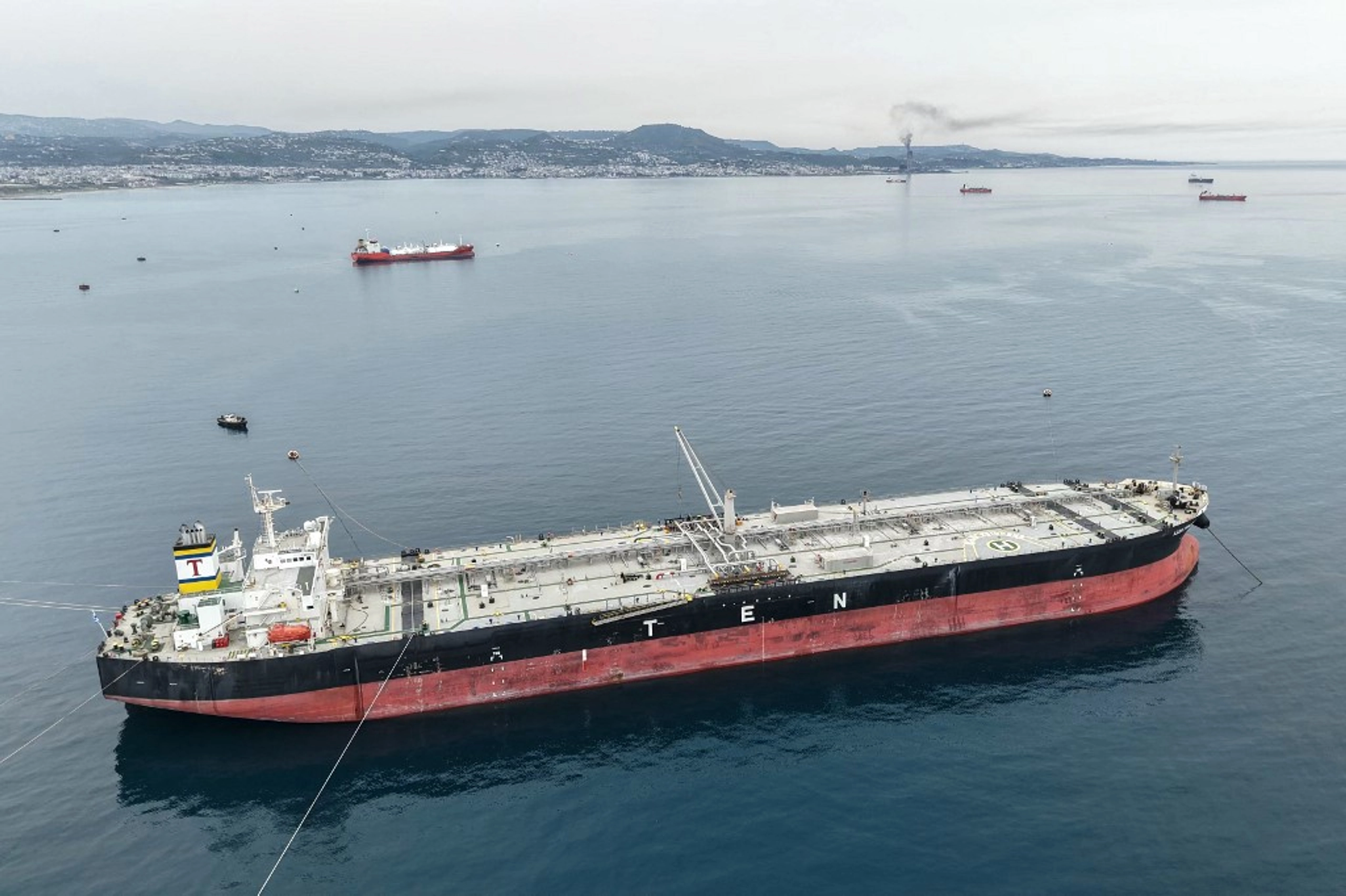
The April 23, 2026 geopolitical crisis in the Strait of Hormuz represents a critical supply chain inflection point for cross-border e-commerce sellers. Brent crude oil has risen above $100 per barrel due to ongoing U.S.-Iran diplomatic impasse and near-standstill traffic through this critical chokepoint controlling 21% of global oil trade. According to Wall Street Journal reporting, even if the waterway reopens soon, Gulf oil production recovery will take considerable time, creating sustained upward pressure on energy costs.
For e-commerce sellers, this translates directly to operational cost increases across three critical vectors: (1) Shipping & Logistics: Fuel surcharges on international freight are already rising, with ocean shipping costs from Asia to North America and Europe expected to increase 8-15% within 30-60 days. Sellers using FBA (Fulfillment by Amazon) will face higher fulfillment costs as Amazon's logistics network absorbs fuel price increases. (2) Packaging Materials: Petroleum-derived plastics, bubble wrap, and corrugated cardboard prices typically rise 5-10% when crude exceeds $95/barrel, directly impacting packaging costs for sellers shipping 500+ units monthly. (3) Product Sourcing: Manufacturers in China, Vietnam, and India face higher production costs due to energy expenses, which will be passed to importers through 3-5% price increases on goods arriving 60-90 days from now.
Market volatility indicators confirm sustained disruption: The VIX volatility index rose 2.38 points to 19.37, while U.S. stock futures declined (Dow -0.52%, S&P 500 -0.26%, Nasdaq -0.26%), signaling investor concern that energy supply chain disruptions will persist longer than initially anticipated. Asian markets (Shanghai -0.32%) and European indices (Stoxx 600 -0.27%) mirror these losses, indicating global supply chain stress. Commodities professionals (referenced in Financial Times reporting) are reassessing cost trajectories, suggesting sellers should expect sustained pressure on margins through Q2-Q3 2026.
Immediate seller impact by segment: Small sellers (under 100 units/month) will absorb 2-4% margin compression; mid-market sellers (100-1,000 units/month) face 4-8% cost increases; large sellers (1,000+ units/month) can negotiate volume discounts but still face 6-10% increases. Sellers in high-margin categories (electronics, home goods, sporting equipment) have pricing flexibility; low-margin categories (apparel, basic goods) face severe margin compression. Sellers shipping from China/Vietnam will see cost increases 30-45 days from now; those using US-based 3PL providers will see increases within 14-21 days as fuel surcharges activate.
Strategic opportunity window: Sellers can lock in current shipping rates through May 15, 2026 before fuel surcharges fully propagate. Inventory sourced before June 1, 2026 will avoid the highest production cost increases. This creates a 30-45 day window to optimize supply chain positioning before costs stabilize at higher levels.
Questions 8
How should I adjust pricing strategy during this supply chain crisis?
Implement tiered pricing increases: 2-3% for high-margin categories (electronics, sporting goods), 1-2% for mid-margin categories (home goods, accessories), and hold pricing for low-margin categories (apparel, basics) while reducing volume. Test price increases on best-selling SKUs first; monitor conversion rate impact daily. For Amazon sellers, use dynamic pricing tools to adjust prices based on competitor activity and demand elasticity. Consider bundling low-margin items with high-margin products to maintain overall margin targets. Communicate transparently with customers about supply chain challenges; sellers who explain price increases see 15-20% less conversion loss than those who don't.
What is the optimal timing to lock in shipping rates before costs increase?
The critical window is April 24 - May 15, 2026 (21 days). Shipping companies typically implement fuel surcharges 30-45 days after crude price spikes. Sellers should negotiate annual shipping contracts or lock in spot rates with freight forwarders before May 15, 2026. For FBA sellers, costs will increase 30-45 days after May 15 (mid-June through early July). For 3PL providers, request rate locks through Q3 2026 before May 10. Sellers with inventory arriving after June 15, 2026 will face the highest costs; prioritize shipments departing before May 31, 2026.