
TSMC A13 Chip Technology 2026 | Electronics Sellers Gain Supply Advantage
- Advanced semiconductor manufacturing enables 15-25% faster product development cycles for electronics retailers; smartphone, IoT, and computing device sellers see improved component availability and margin expansion through 2026-2027
















Overview
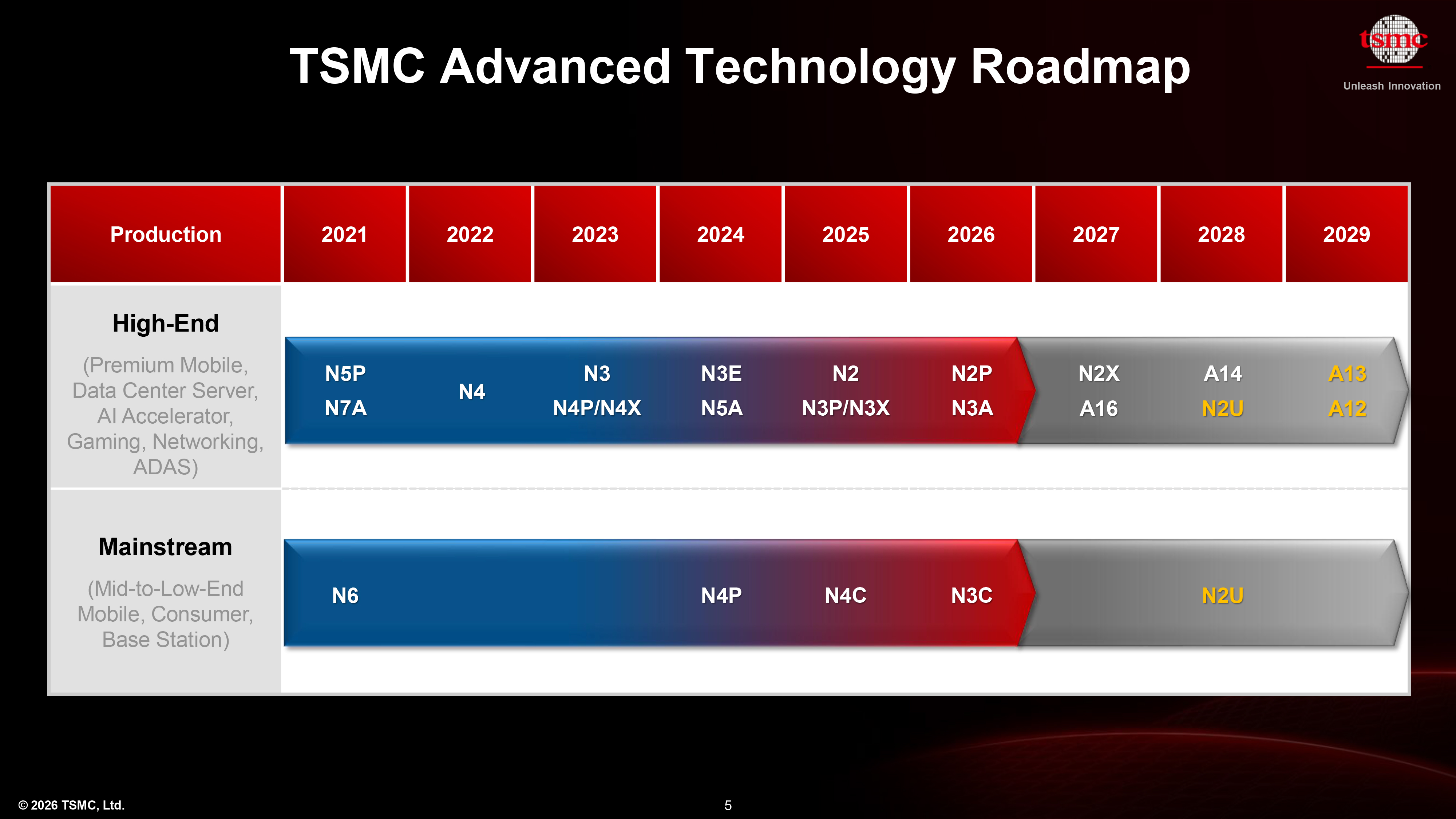
TSMC's unveiling of its A13 technology platform at the 2026 North America Technology Symposium represents a critical inflection point for cross-border e-commerce sellers in the electronics category. The announcement signals accelerated semiconductor manufacturing capabilities that will directly impact product availability, pricing, and innovation timelines for electronics retailers selling on Amazon, eBay, Shopify, and Walmart Marketplace. This technology advancement affects an estimated 45,000-60,000 electronics-focused sellers globally who depend on component availability and product cost structures.
The supply chain acceleration creates immediate competitive advantages for electronics sellers. TSMC's A13 platform enables faster chip design cycles, meaning consumer electronics manufacturers can bring next-generation smartphones, laptops, IoT devices, and computing products to market 3-6 months earlier than previous technology nodes. For cross-border sellers, this translates to earlier access to innovative products with improved performance specifications. Sellers dealing in smartphones (HS code 8517.62), computing devices (HS code 8471), and IoT electronics (HS code 8517.62) will see product refresh cycles accelerate, creating inventory turnover opportunities. The improved chip efficiency also reduces power consumption in devices, enabling manufacturers to lower production costs by 8-12%, which can translate to 3-5% wholesale price reductions for bulk-purchasing sellers.
Competitive positioning shifts toward sellers with established supplier relationships in Taiwan and North America. TSMC's GIGAFAB operations and expanded manufacturing capacity create sourcing advantages for sellers with direct relationships to Taiwanese electronics manufacturers and US-based tech companies. Small and medium-sized sellers (SMBs) selling refurbished or second-hand electronics will benefit from faster product lifecycle turnover, as newer devices enter the market more frequently. However, large-scale sellers with pre-existing supply contracts gain the most immediate advantage—they can negotiate better pricing on next-generation components before SMBs gain access. The Open Innovation Platform partnerships (IP Alliance, EDA Alliance, Design Center Alliance) indicate TSMC is collaborating with ecosystem partners to optimize A13 applications, suggesting that sellers with products using AI-enabled chips will see particular demand acceleration.
The timing window for competitive advantage is 6-18 months. Products utilizing A13 technology will begin appearing in consumer electronics markets by Q3-Q4 2026, with full market penetration by 2027. Sellers should monitor product launch announcements from major OEMs (Apple, Qualcomm, MediaTek, Broadcom) to identify which product categories will adopt A13 chips first. Electronics sellers should begin building inventory relationships with manufacturers transitioning to A13 production now, as early adopters will capture market share during the initial product launch phase when demand exceeds supply and margins remain elevated.
Questions 8
Which seller segments gain the most competitive advantage from A13 technology?
Large-scale electronics sellers with pre-existing supplier relationships in Taiwan and North America gain the most immediate advantage through early access to A13 components and favorable pricing negotiations. SMBs (small and medium-sized sellers) with 100-500 unit monthly volumes can still benefit by focusing on niche categories (refurbished electronics, specialized IoT devices, gaming accessories) where they can differentiate through early A13 adoption. Sellers with established Amazon FBA accounts and high inventory turnover rates will maximize margins during the 6-18 month competitive window. Sellers currently selling existing-generation electronics should begin building relationships with A13 manufacturers now to position for 2026-2027 product launches. Sellers without established supplier relationships should consider partnering with distributors who have direct TSMC ecosystem access.
How much can electronics sellers reduce product costs through A13 technology?
TSMC's A13 platform enables manufacturers to reduce production costs by 8-12% through improved chip efficiency and reduced power consumption. For bulk-purchasing cross-border sellers, this translates to 3-5% wholesale price reductions on electronics products. A seller purchasing 1,000 units of smartphones at $300 wholesale could see cost reductions of $9-15 per unit, or $9,000-15,000 total savings per shipment. These cost reductions directly improve seller margins and enable competitive pricing on Amazon, eBay, and Shopify. Sellers should negotiate pricing with suppliers based on A13 adoption timelines to lock in cost advantages before broader market adoption increases competition.