




Strait of Hormuz Tensions Drive Oil Surge 3% | Seller Logistics & Energy Cost Impact April 2026
- Brent crude rises to $101.91/barrel amid geopolitical uncertainty; shipping delays and fulfillment cost increases expected for cross-border sellers within 30-60 days







Overview
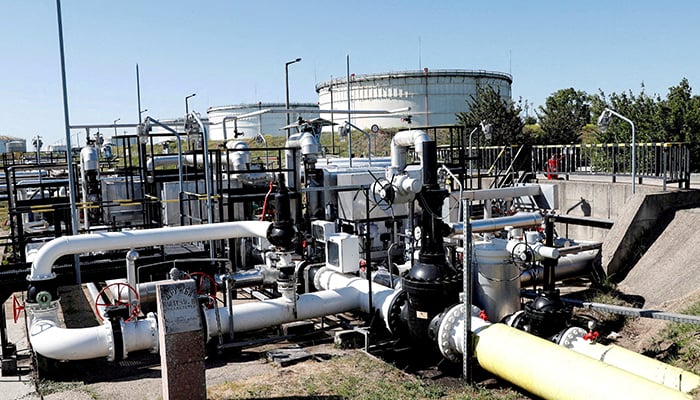
The April 22, 2026 geopolitical escalation in the Strait of Hormuz—where Iran seized commercial vessels and challenged U.S. military presence while the U.S. maintained a blockade—created immediate commodity market volatility with Brent crude oil rising 3% to $101.91/barrel and WTI futures advancing 3% to $92.96/barrel. This "Schrödinger's cat" ceasefire scenario, where Iran's Parliament Speaker Mohammad Bagher Ghalibaf stated the Strait cannot reopen while the U.S. blockade persists, directly impacts cross-border e-commerce sellers through three critical mechanisms: shipping cost inflation, supply chain delays, and energy-dependent fulfillment expenses.
For Amazon FBA sellers and 3PL providers, the immediate impact manifests in increased fuel surcharges on international shipments. Historically, every $10/barrel oil price increase translates to 2-4% higher shipping costs for ocean freight from Asia to North America and Europe—the primary sourcing corridors for e-commerce inventory. Sellers shipping 500+ units monthly from China, Vietnam, or India to U.S. fulfillment centers should expect $150-400 additional monthly costs within 30-45 days as shipping lines adjust fuel surcharges. This particularly affects high-volume categories: electronics (HS 8471-8517), apparel (HS 6204-6209), and home goods (HS 9401-9406) where margins compress 3-8% under elevated energy costs.
Strategic sourcing dynamics shift toward nearshoring and inventory optimization. Sellers currently dependent on 45-60 day ocean freight from Asia face pressure to either: (1) shift 20-30% of inventory to Mexico/Central America sourcing (reducing transit time to 14-21 days and mitigating fuel surcharge exposure), (2) increase air freight allocation despite 5-7x higher per-unit costs for time-sensitive SKUs, or (3) pre-position inventory in U.S./EU warehouses before further escalation. The Strait of Hormuz handles approximately 21% of global petroleum trade—any sustained blockade extends beyond oil to delayed container ship schedules, increased port congestion, and 5-10 day shipping delays for goods transiting the region. Sellers relying on just-in-time inventory models face stockout risks; those with 60+ day inventory buffers gain competitive advantage through stable pricing while competitors absorb cost shocks.
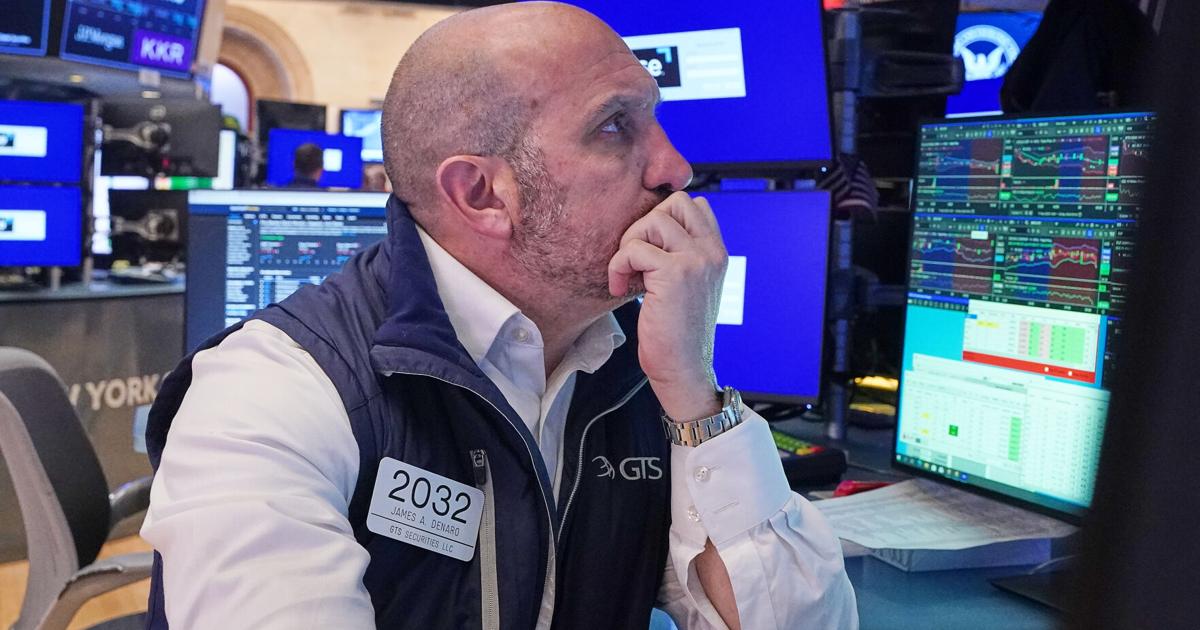
Conversely, AI semiconductor sellers benefit from market tailwinds: SK Hynix's record profits driven by AI chip demand signal sustained pricing power in memory and processor categories (HS 8542). Sellers offering AI-enabled products, smart home devices, or computing accessories should expect 8-15% demand acceleration through Q2-Q3 2026 as enterprise spending on AI infrastructure continues despite geopolitical uncertainty. The disconnect between market volatility and equity market resilience (S&P 500 and Nasdaq hitting all-time highs) suggests investors are pricing in either ceasefire stability or limited escalation—meaning sellers should prepare for 60-90 day uncertainty window before supply chain normalization.
Questions 8
What does the Fed's potential shift to trimmed inflation metrics mean for seller pricing power?
Federal Reserve nominee Kevin Warsh's preference for trimmed averages (excluding extreme price shocks) over core PCE suggests potential monetary policy shifts that could moderate inflation expectations. If adopted, this approach might reduce pressure for aggressive rate hikes, supporting consumer spending and e-commerce demand through 2026. However, this also means fuel surcharge spikes (like current oil volatility) may be treated as 'tail-risk items' and excluded from inflation calculations—reducing Fed urgency to address supply chain cost pressures. Sellers should expect sustained elevated shipping costs without corresponding Fed intervention, making nearshoring and inventory optimization critical competitive advantages.
How should I adjust inventory strategy given the geopolitical uncertainty window?
Implement a 60-90 day inventory buffer strategy through June 2026 while monitoring ceasefire stability. Pre-position 30-40% of Q2-Q3 inventory in U.S./EU fulfillment centers before further escalation; this locks in current shipping costs and mitigates delay risk. For fast-moving SKUs (BSR <5000), increase safety stock by 20-30%; for slow movers, maintain lean inventory to avoid storage cost penalties. Track shipping cost trends weekly via Flexport, Freightos, or carrier rate cards; establish trigger points (e.g., if WTI exceeds $100/barrel for 2+ weeks) to activate nearshoring contingency plans.