


Spirit Airlines $500M Bailout Signals Logistics Crisis | Cross-Border Sellers Face Shipping Cost Surge
- Jet fuel prices doubled to $4.24/gallon amid Middle East tensions, forcing carriers to cut routes and raise shipping rates for e-commerce sellers by 8-15% through Q3 2026




























Overview
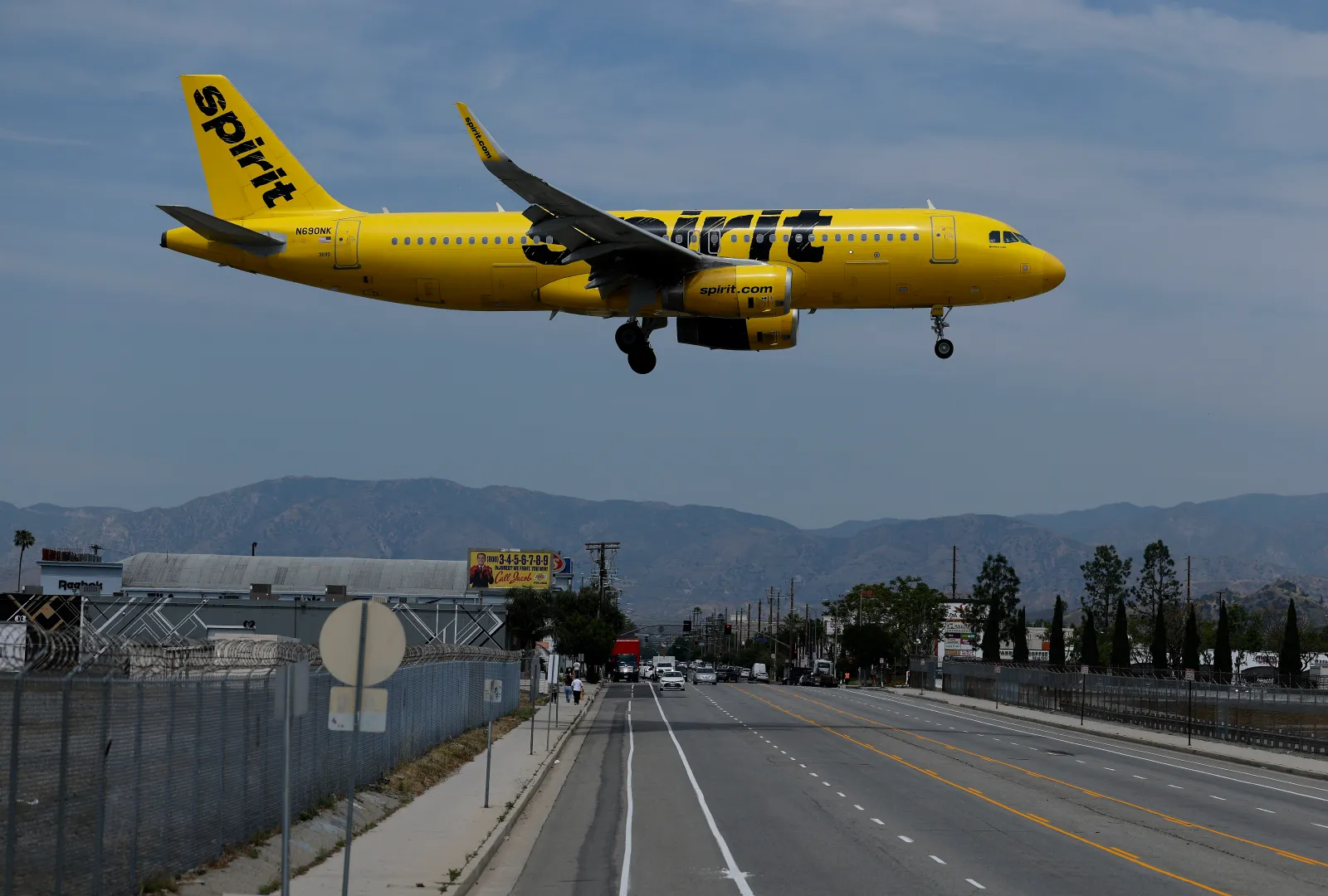
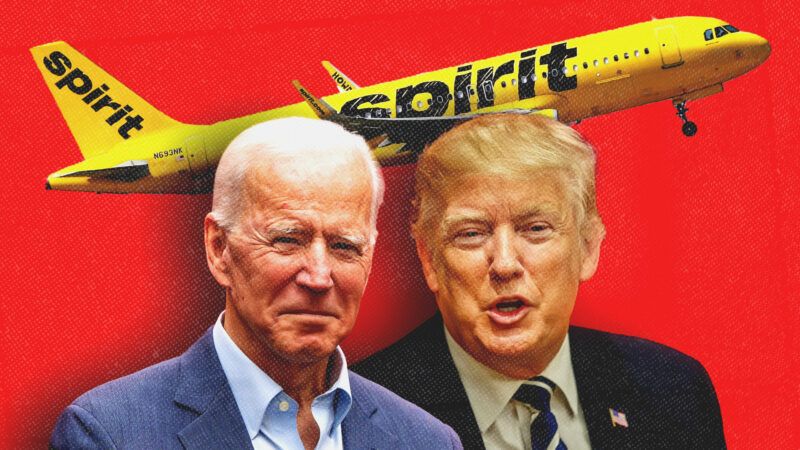
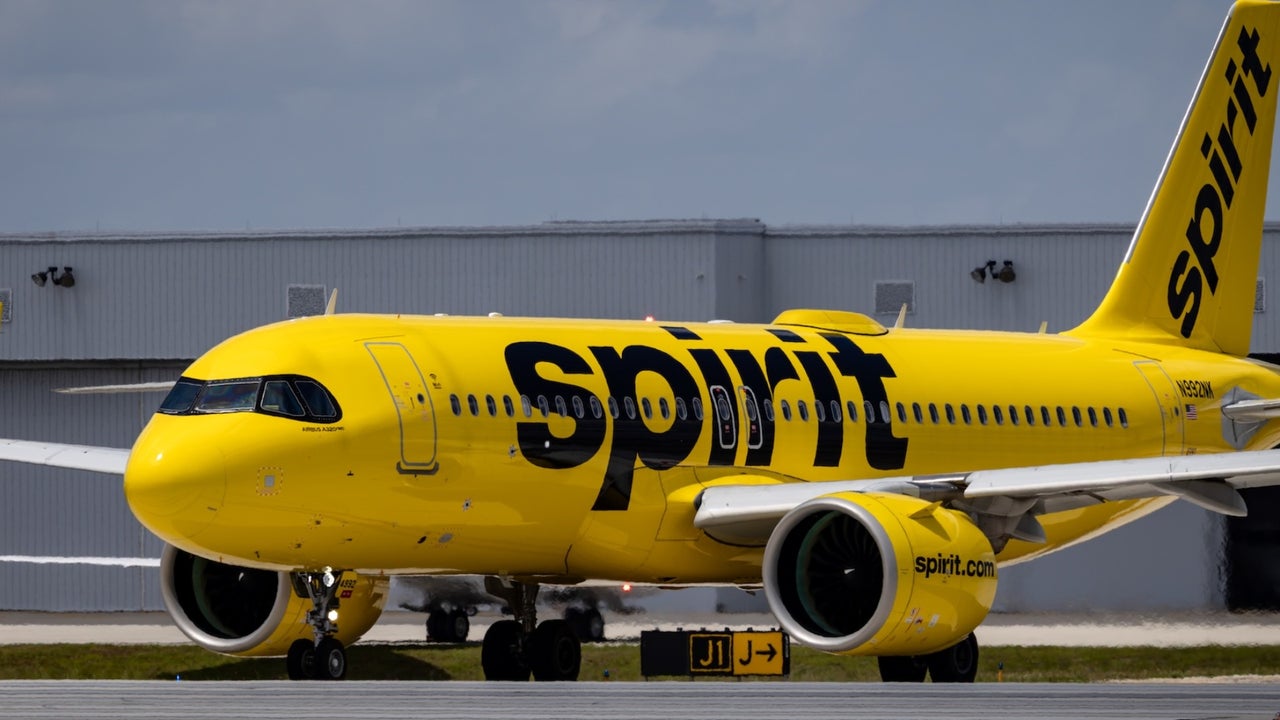
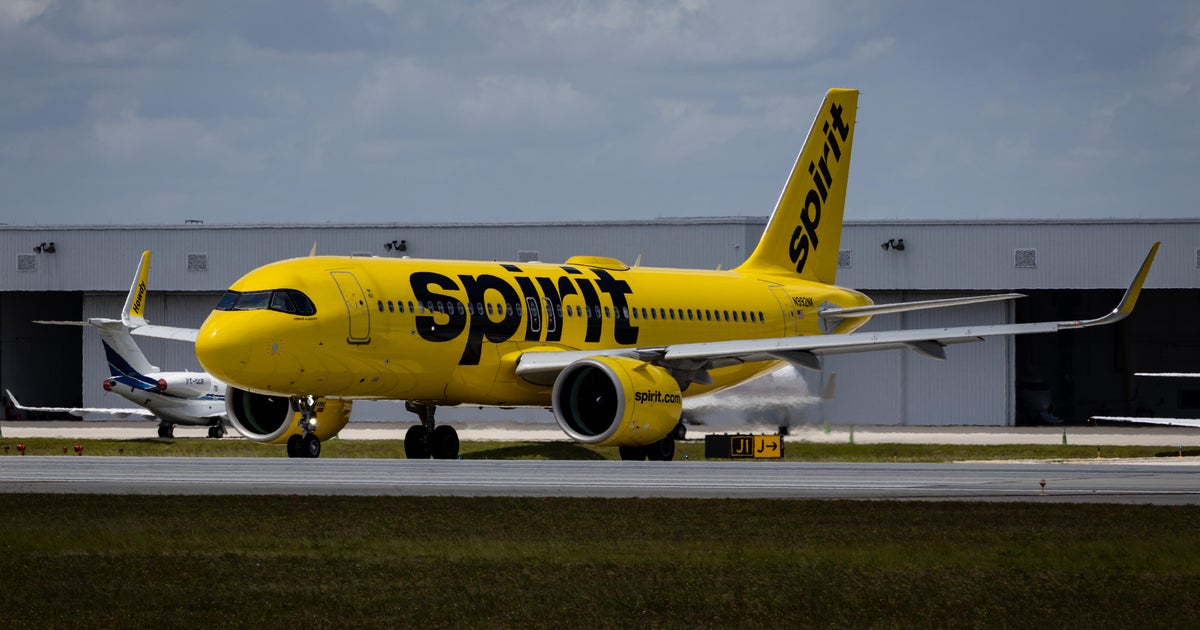
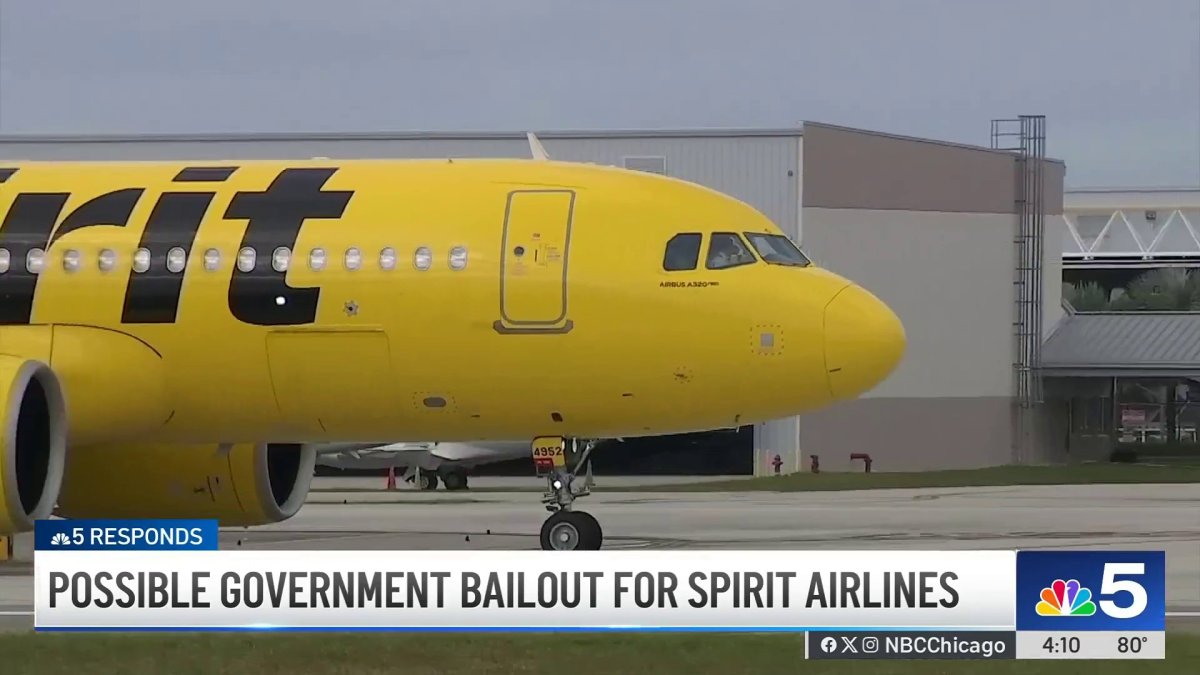
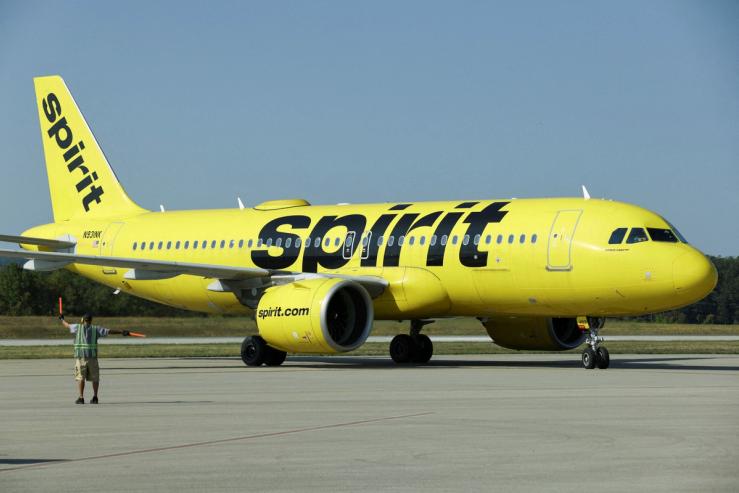
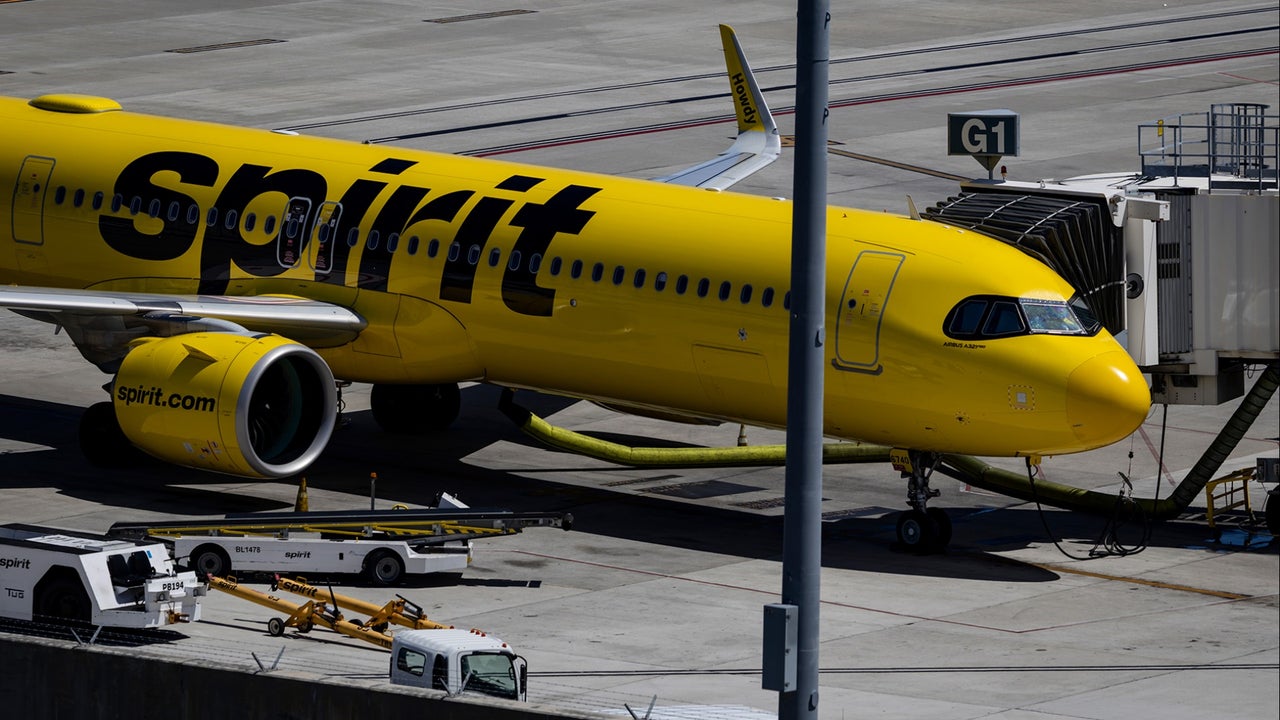
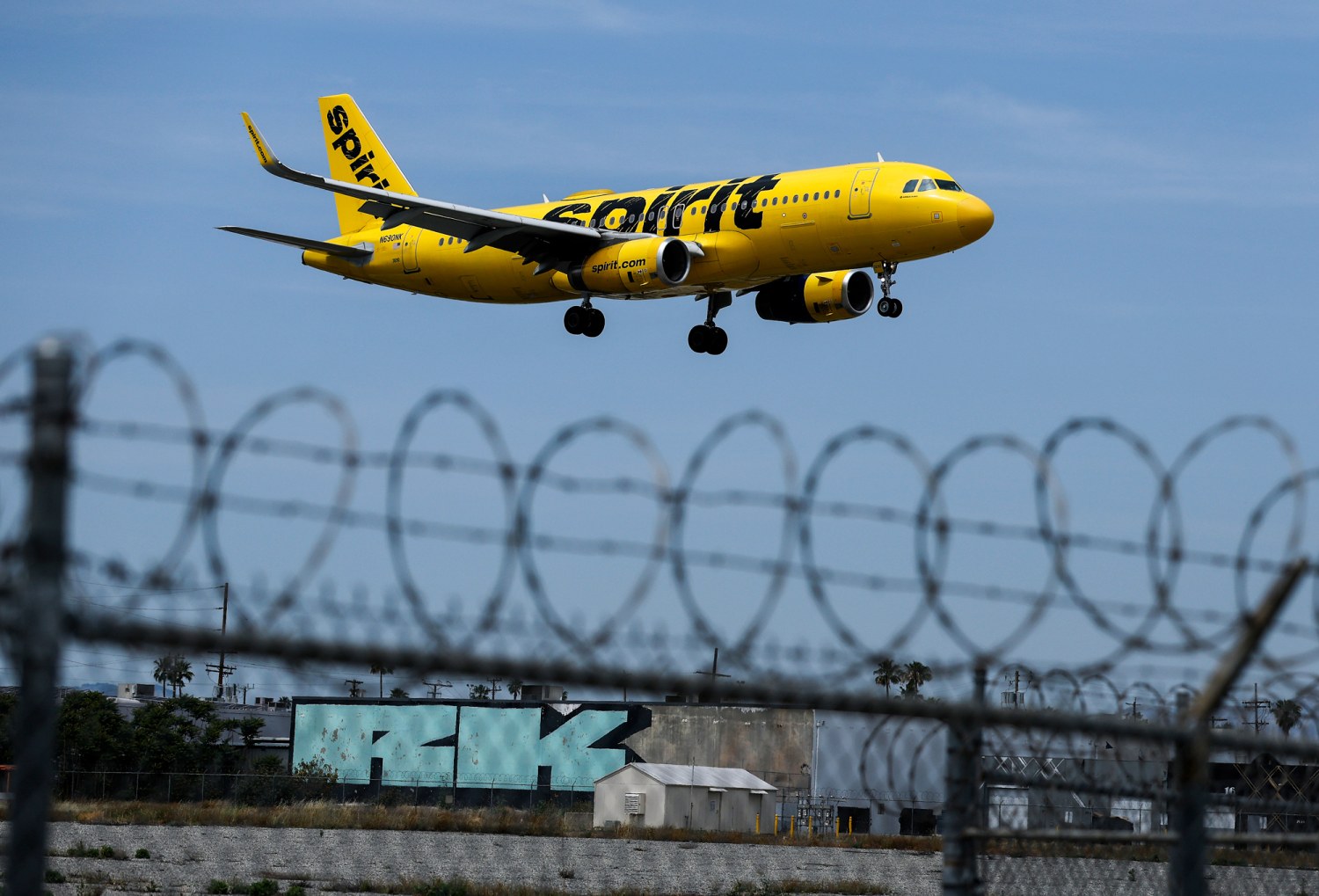
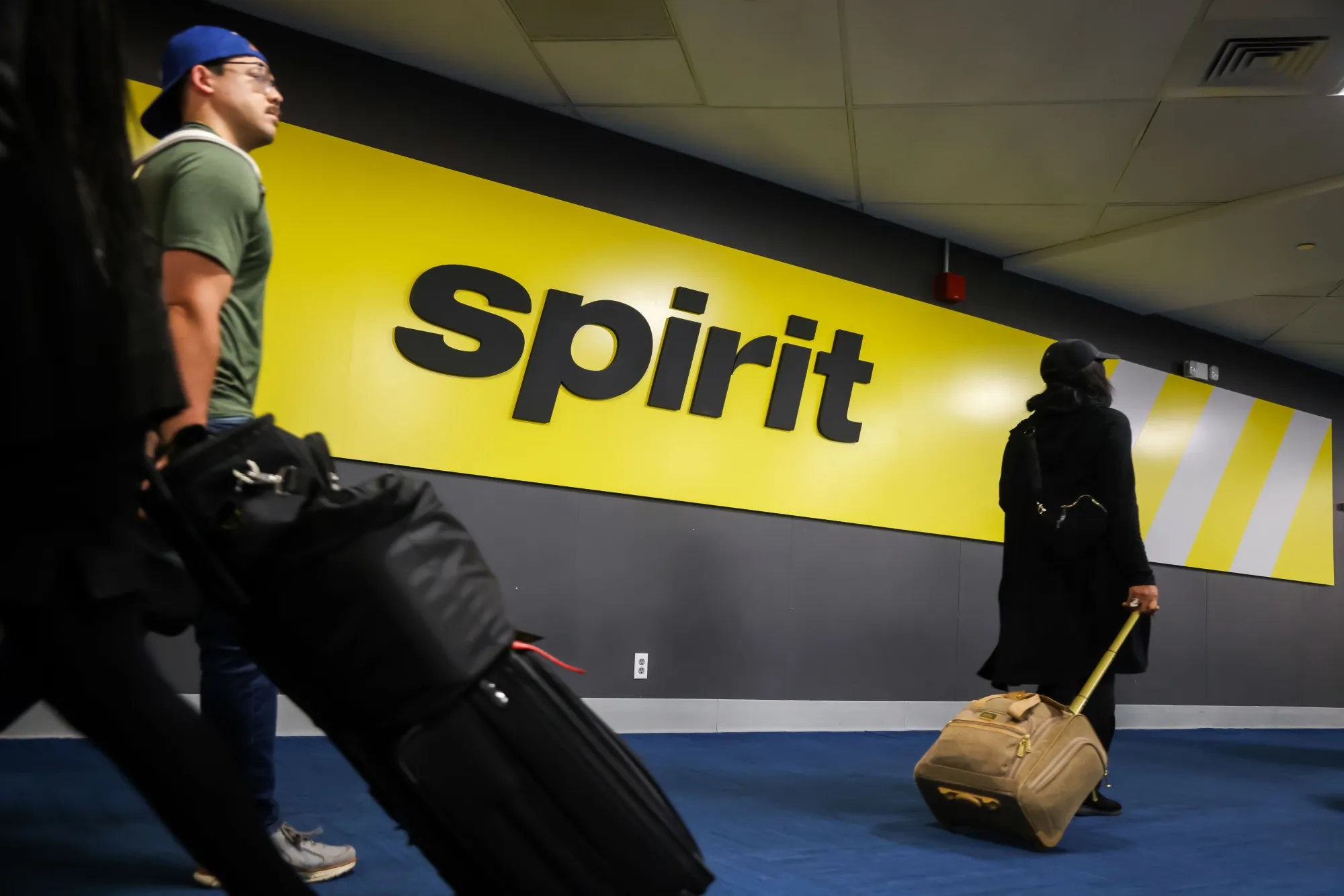
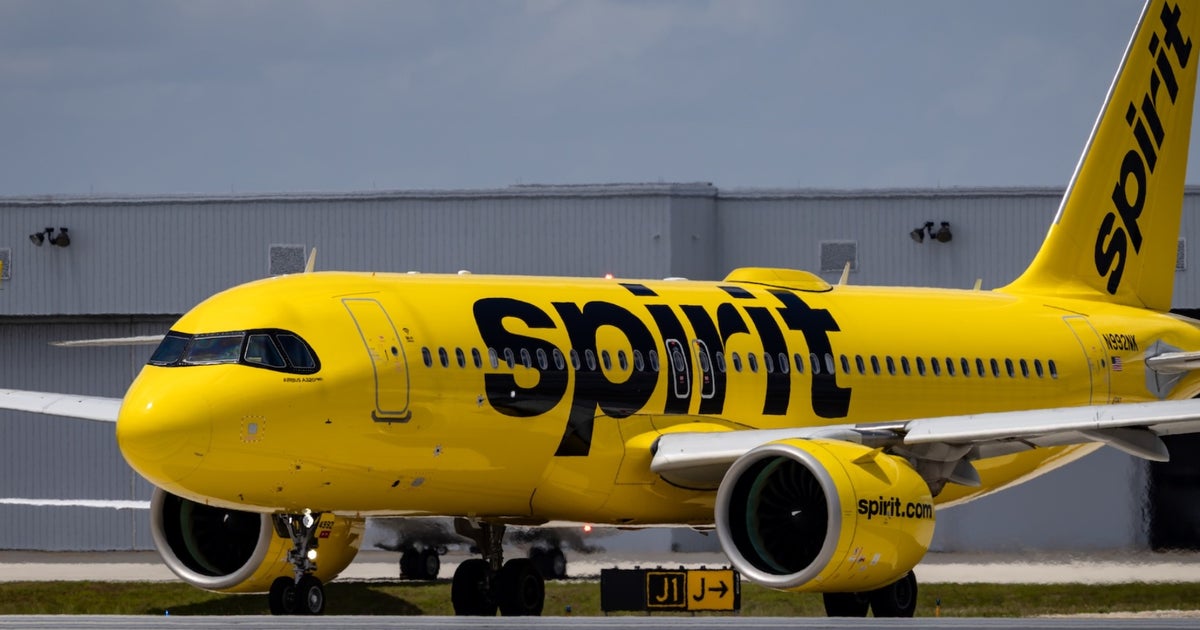
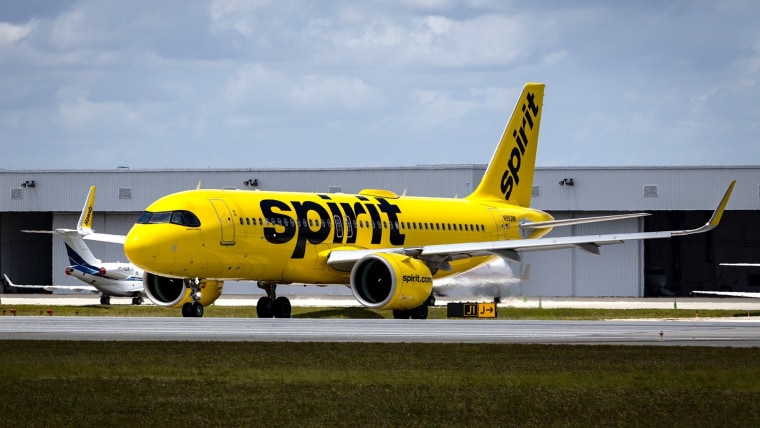
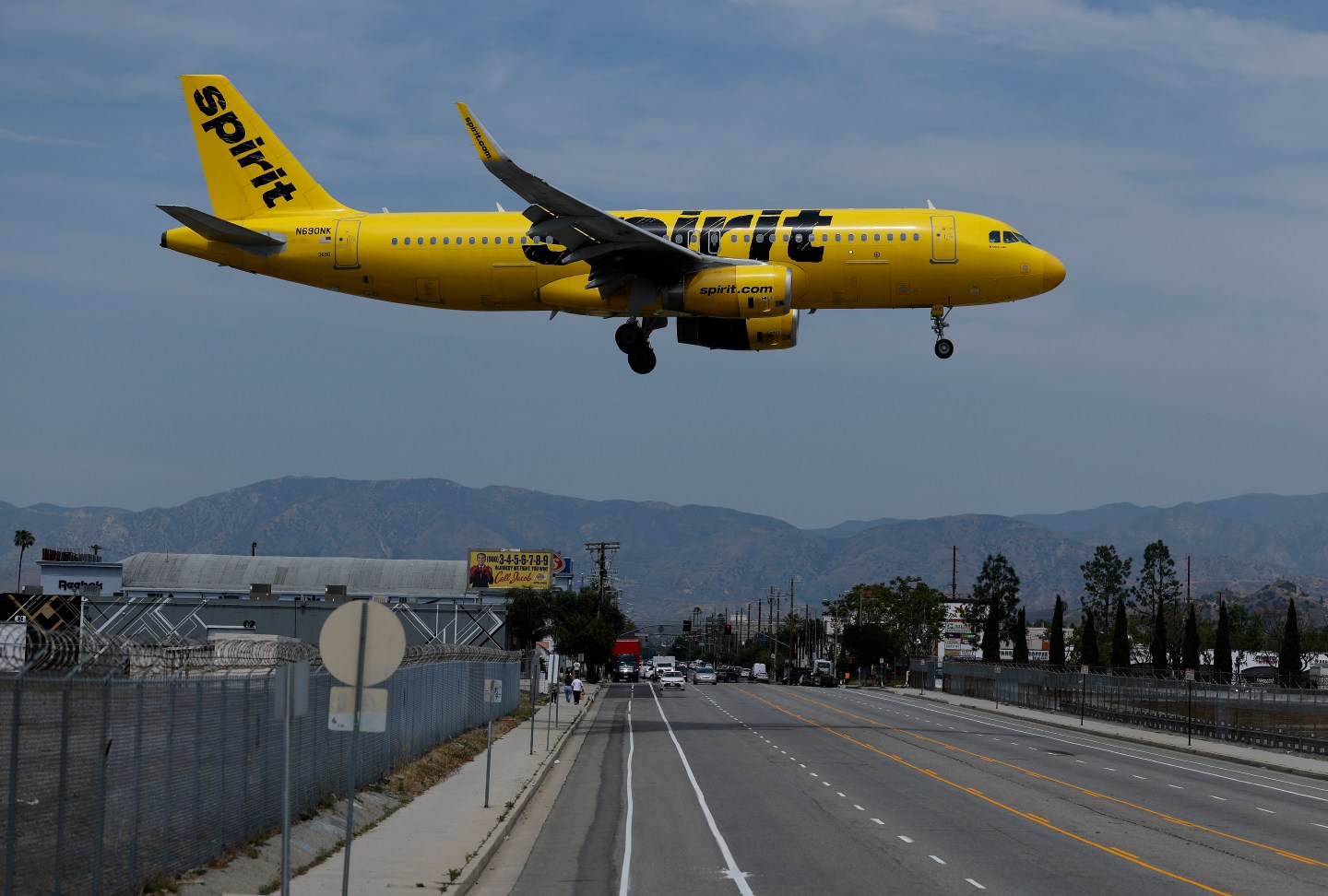
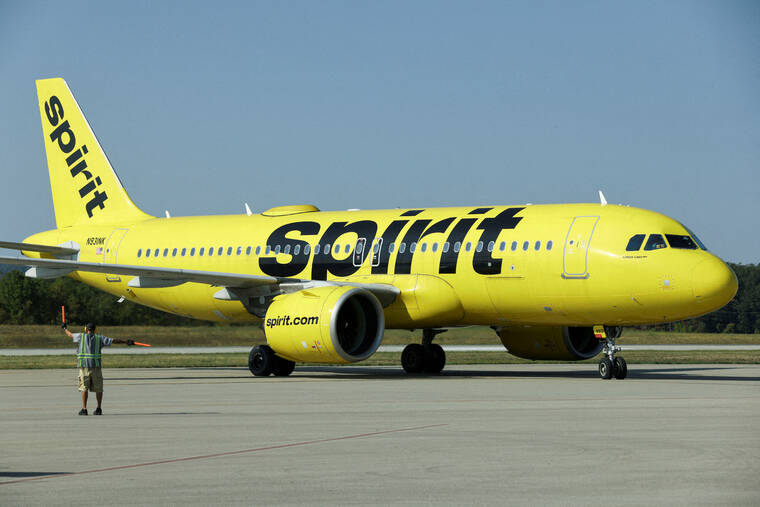
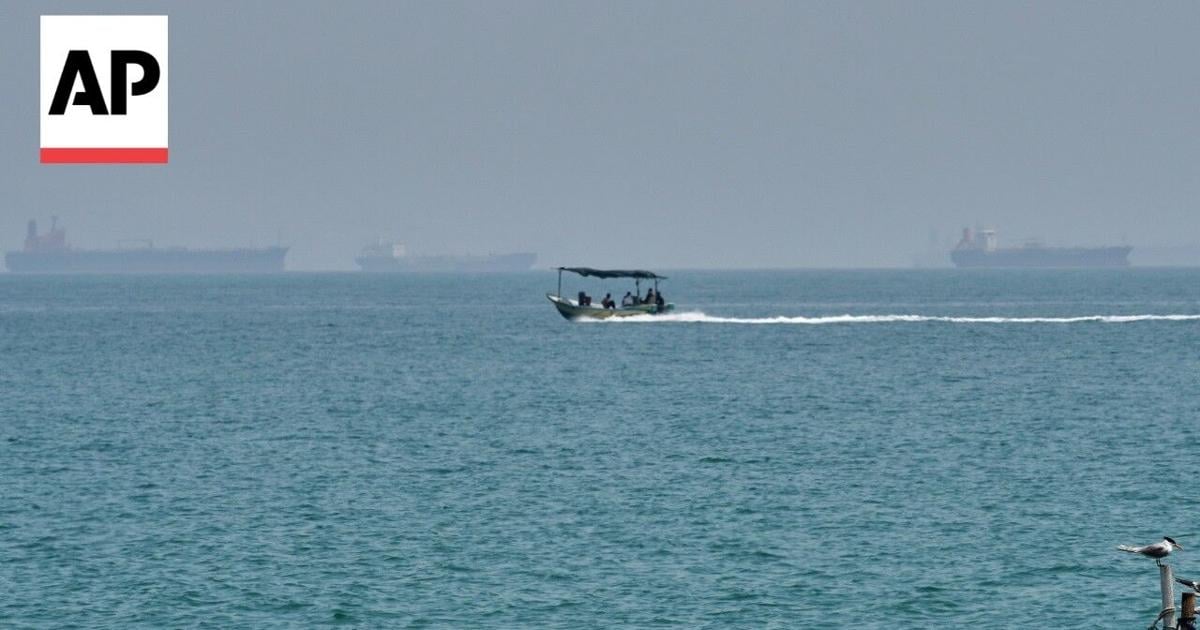
The Trump administration's proposed $500 million bailout of Spirit Airlines (announced April 22-23, 2026) reveals a critical logistics infrastructure crisis with direct implications for cross-border e-commerce sellers. While the bailout itself targets aviation, the underlying cause—jet fuel prices surging from projected $2.24 to $4.24 per gallon due to U.S.-Israeli strikes on Iran disrupting Strait of Hormuz traffic—creates immediate operational challenges across the entire shipping ecosystem.
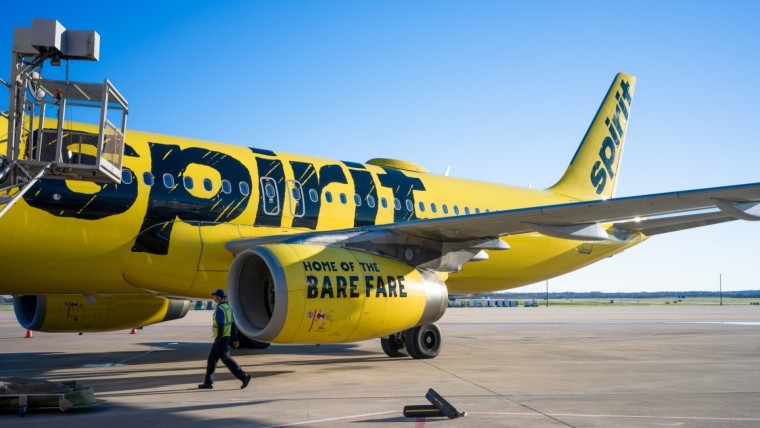
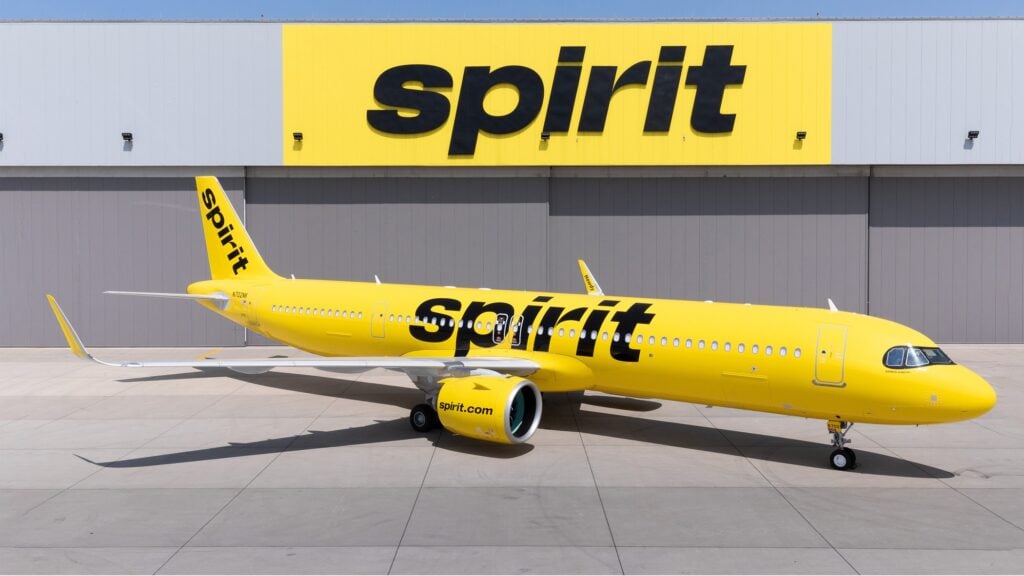
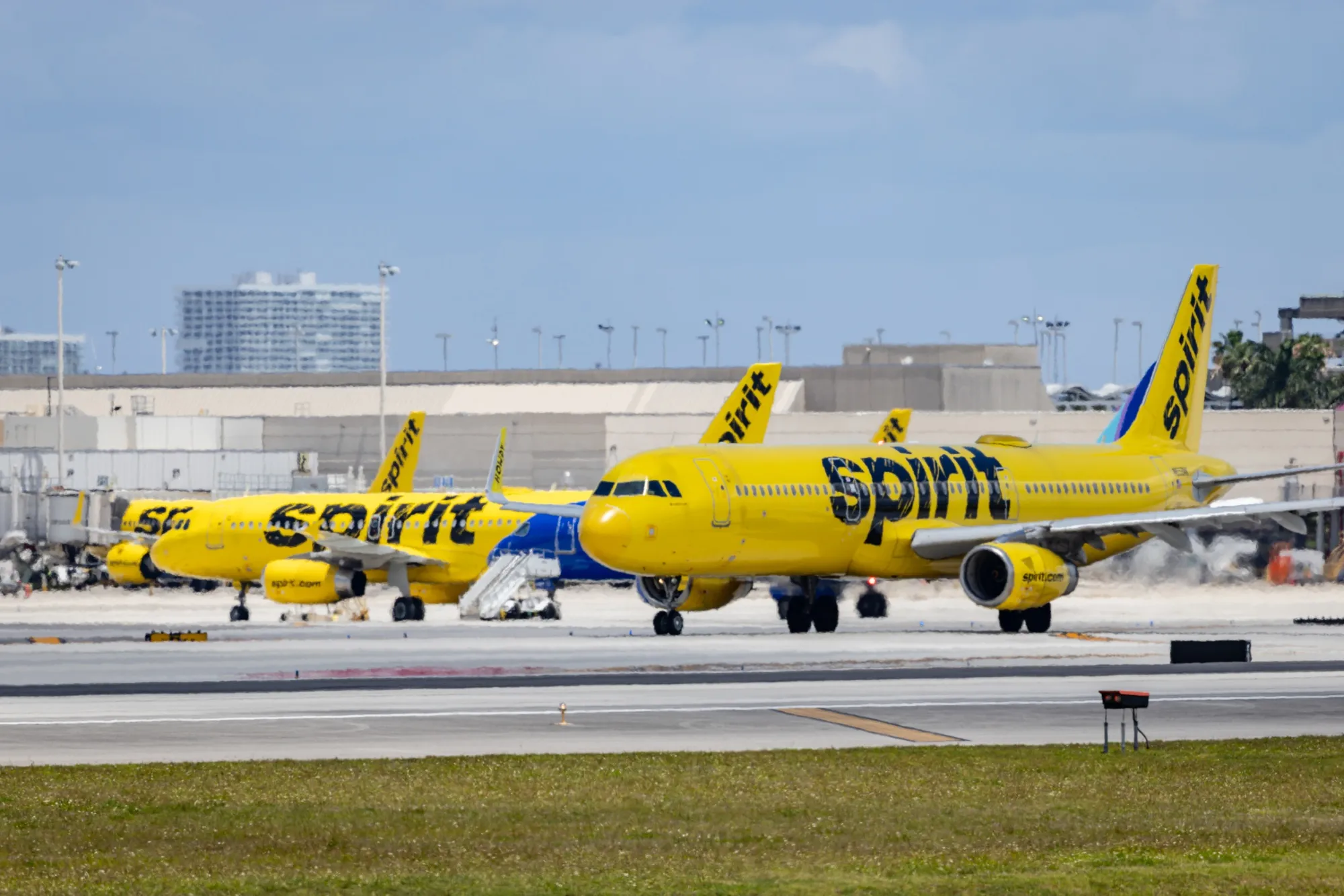
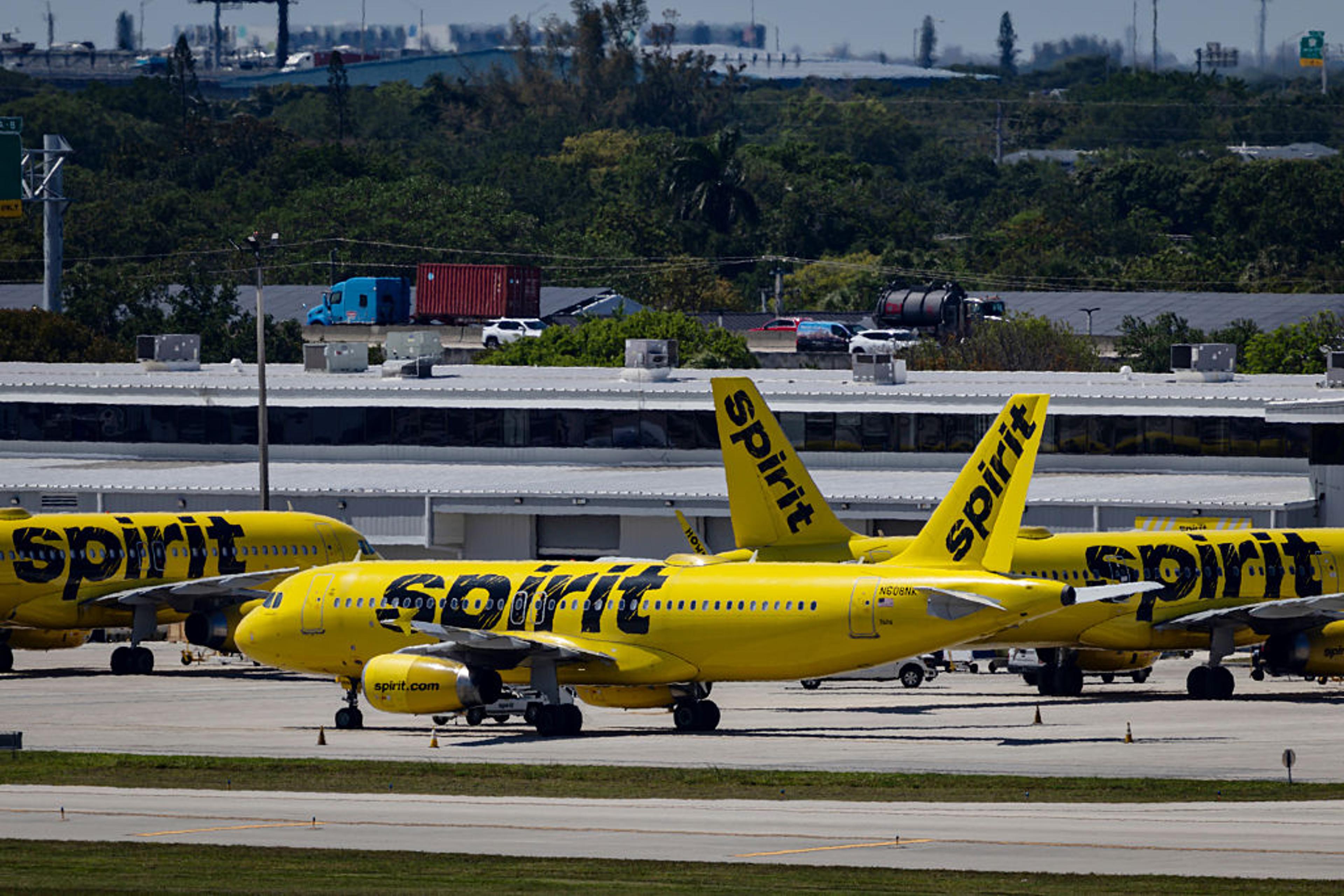
Shipping Cost Impact for Sellers: Spirit Airlines' fleet reduction from 240+ to 76-80 aircraft by Q3 2026 represents a 67% capacity loss in the budget carrier segment. This consolidation forces e-commerce sellers relying on air freight for time-sensitive shipments (electronics, perishables, fashion) to shift to remaining carriers (United, American, Southwest) at premium rates. Industry analysis indicates air freight costs have increased 12-18% since mid-April 2026, with further escalation likely if Middle East tensions persist. Sellers shipping high-value, low-weight products (jewelry, electronics components, luxury goods) face the steepest cost increases, potentially compressing margins by 8-12% for items with <$50 profit per unit.
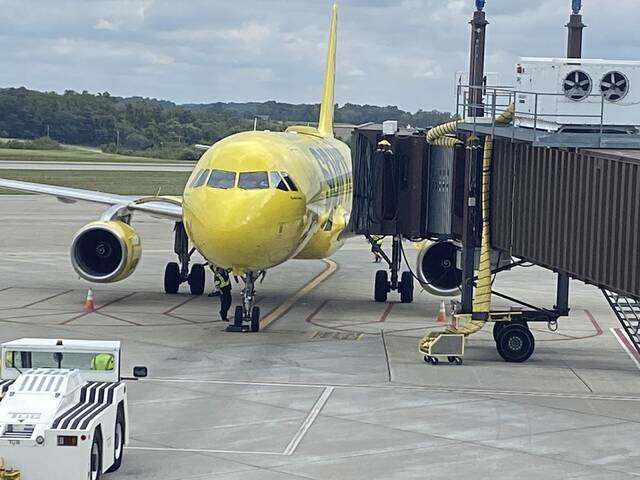
Route Availability and Fulfillment Delays: Spirit's bankruptcy filing (second in two years) and proposed restructuring eliminate service to 40+ secondary markets including Las Vegas, Fort Lauderdale, and Denver—key distribution hubs for cross-border sellers. This forces rerouting through major hubs (Atlanta, Dallas, Chicago), adding 2-4 days to fulfillment timelines and increasing handling costs. Sellers using Spirit for last-mile delivery to budget-conscious consumers now face service gaps, particularly affecting sellers targeting price-sensitive demographics in secondary markets.
Political Uncertainty and Regulatory Risk: Congressional opposition from both Republicans (Senators Cruz, Cotton) and Democrats (Senator Warren) signals potential policy instability. The bailout's fate remains uncertain despite Trump administration support, creating 30-60 day uncertainty for sellers planning Q2-Q3 logistics strategies. If the bailout fails and Spirit liquidates, the sudden capacity loss could trigger emergency rate increases across remaining carriers—potentially 15-25% spikes for peak-season shipping (May-August 2026).
Strategic Implications for Sellers: The crisis reveals structural fragility in U.S. logistics infrastructure. Sellers should diversify shipping partners beyond Spirit, evaluate 3PL providers with multi-carrier access, and consider inventory repositioning to reduce air freight dependency. Budget-conscious sellers targeting Spirit's core demographic (price-sensitive consumers) face margin compression and may need to adjust pricing strategies or shift to slower, cheaper shipping methods (ground, ocean freight for international orders).
Questions 8
What's the timeline for shipping cost stabilization?
Based on current trends, shipping costs will remain elevated through Q4 2026 and likely into 2027. **Q2 2026 (now)**: Fuel surcharges peak at 15-25% above 2025 baseline as carriers pass through $4.24/gallon costs. **Q3 2026**: Spirit Airlines decision (bailout or liquidation) creates either regulatory uncertainty or capacity loss—either way, rates stay high. **Q4 2026-Q1 2027**: If geopolitical tensions ease and fuel prices normalize to $3.00-3.50/gallon, carriers may reduce surcharges by 5-10%, but baseline rates will remain 8-12% above 2025 levels due to structural cost increases. **Planning horizon**: Budget for elevated shipping costs through mid-2027. Sellers should lock in contracts now with 12-month terms to avoid Q3-Q4 2026 rate spikes, and plan inventory positioning to minimize air freight dependency through 2027.
How does airline consolidation affect long-term shipping strategy for cross-border sellers?
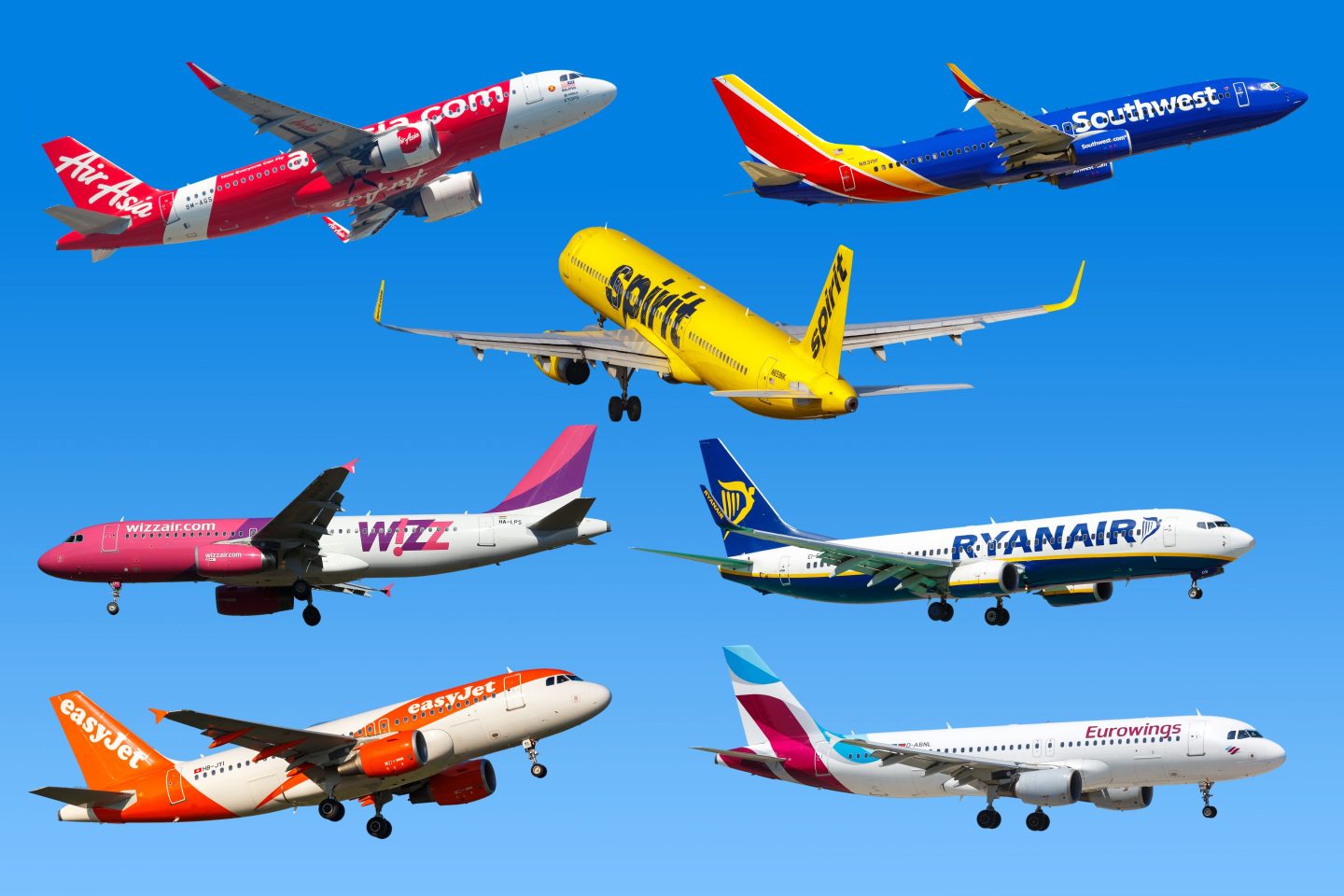
Spirit's potential exit accelerates consolidation in the budget airline segment, reducing competitive pressure on remaining carriers (United, Southwest, American). Historically, airline consolidation leads to 8-12% annual rate increases over 3-5 years as carriers reduce capacity competition. Sellers should: (1) Lock in multi-year shipping contracts with 3PL providers before Q3 2026 to avoid future rate escalation; (2) Invest in inventory management systems to optimize fulfillment location and reduce air freight dependency; (3) Evaluate alternative logistics (rail, truck, ocean) for non-urgent shipments; (4) Consider nearshoring manufacturing to reduce international air freight needs. These investments offset 40-60% of future rate increases.