
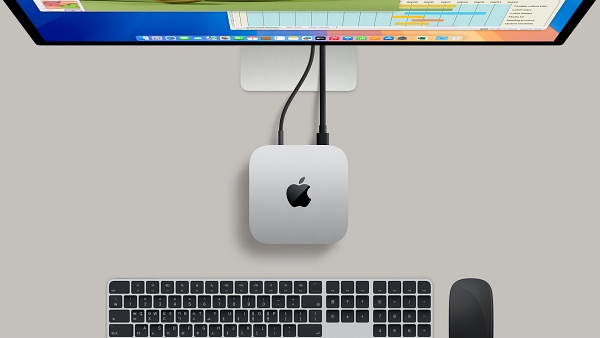
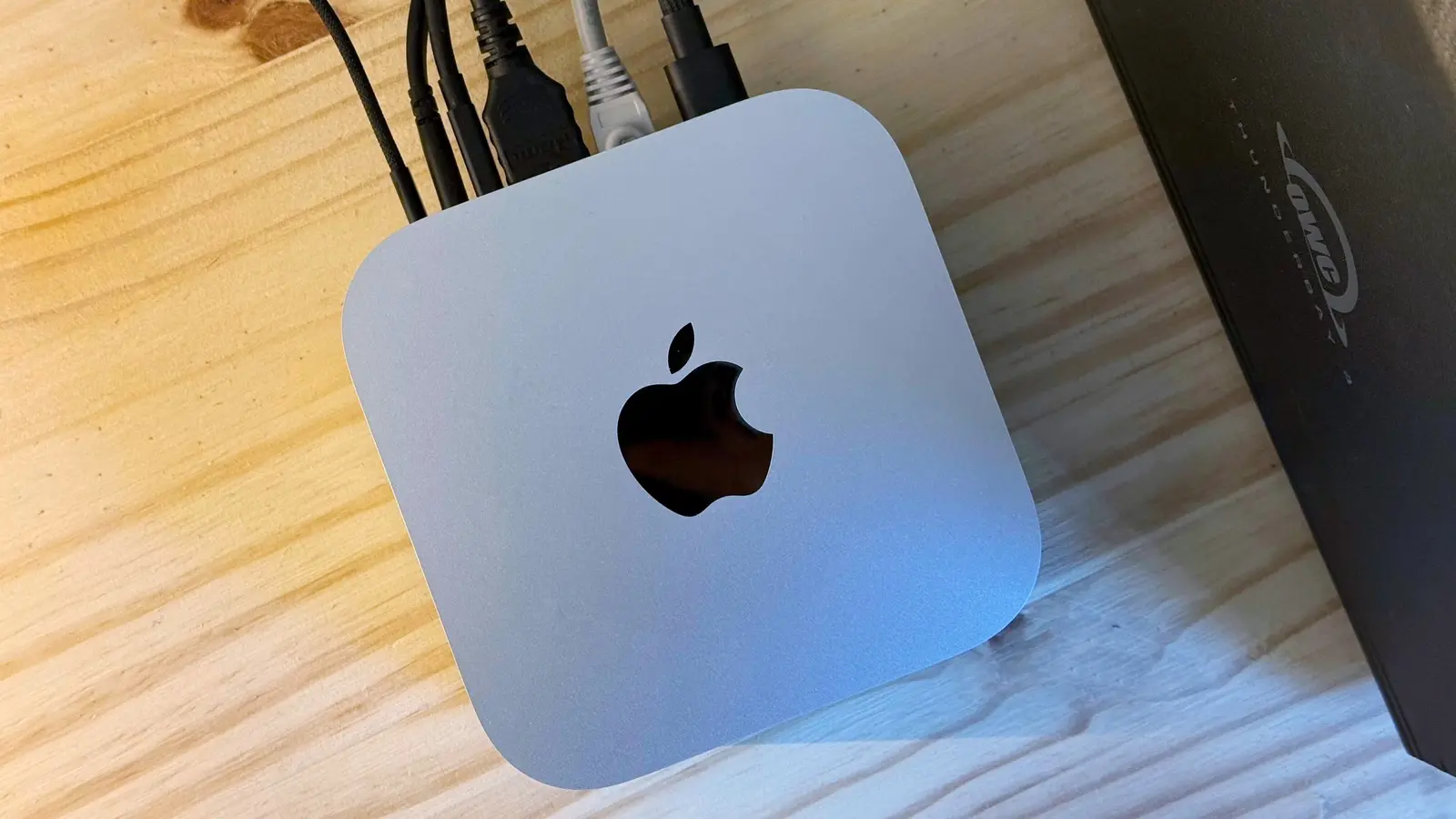
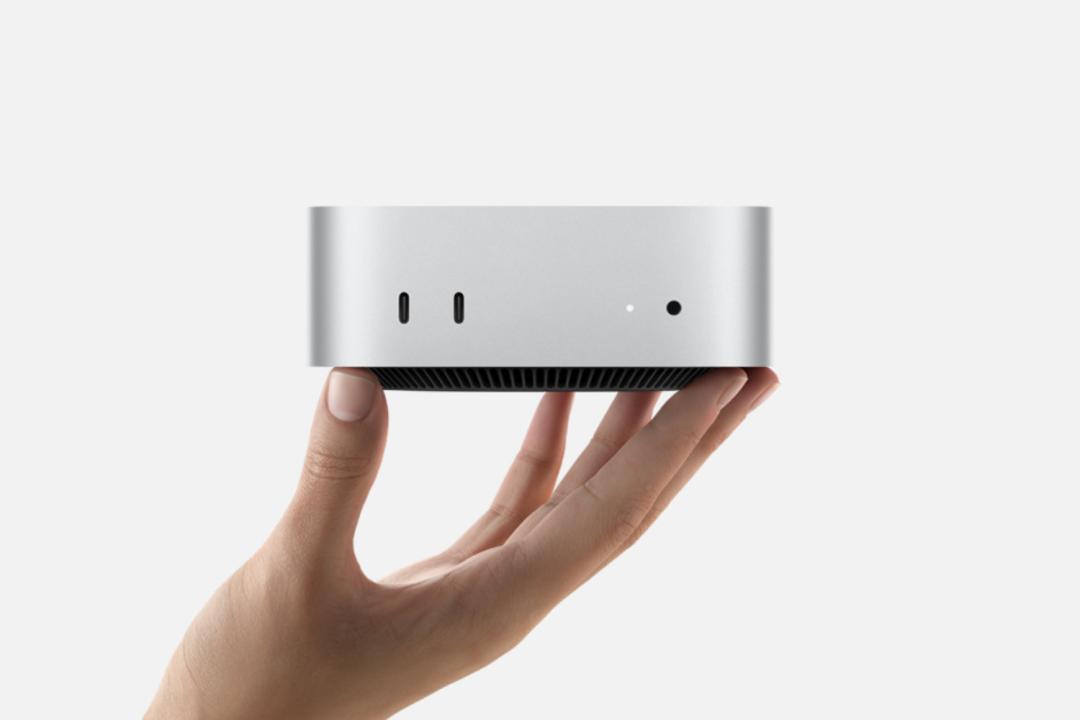


Mac mini Supply Crisis 2025 | Seller Sourcing & Inventory Strategy
- 6-10 week lead times create $2.1B refurbished market opportunity; sellers must pivot to alternative suppliers and inventory repositioning




Overview
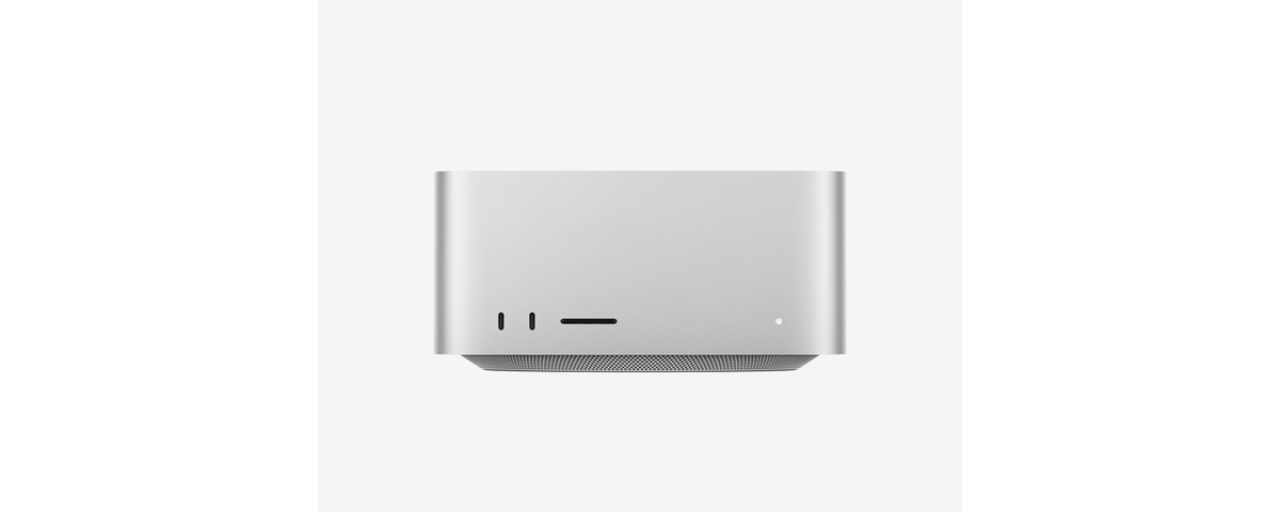
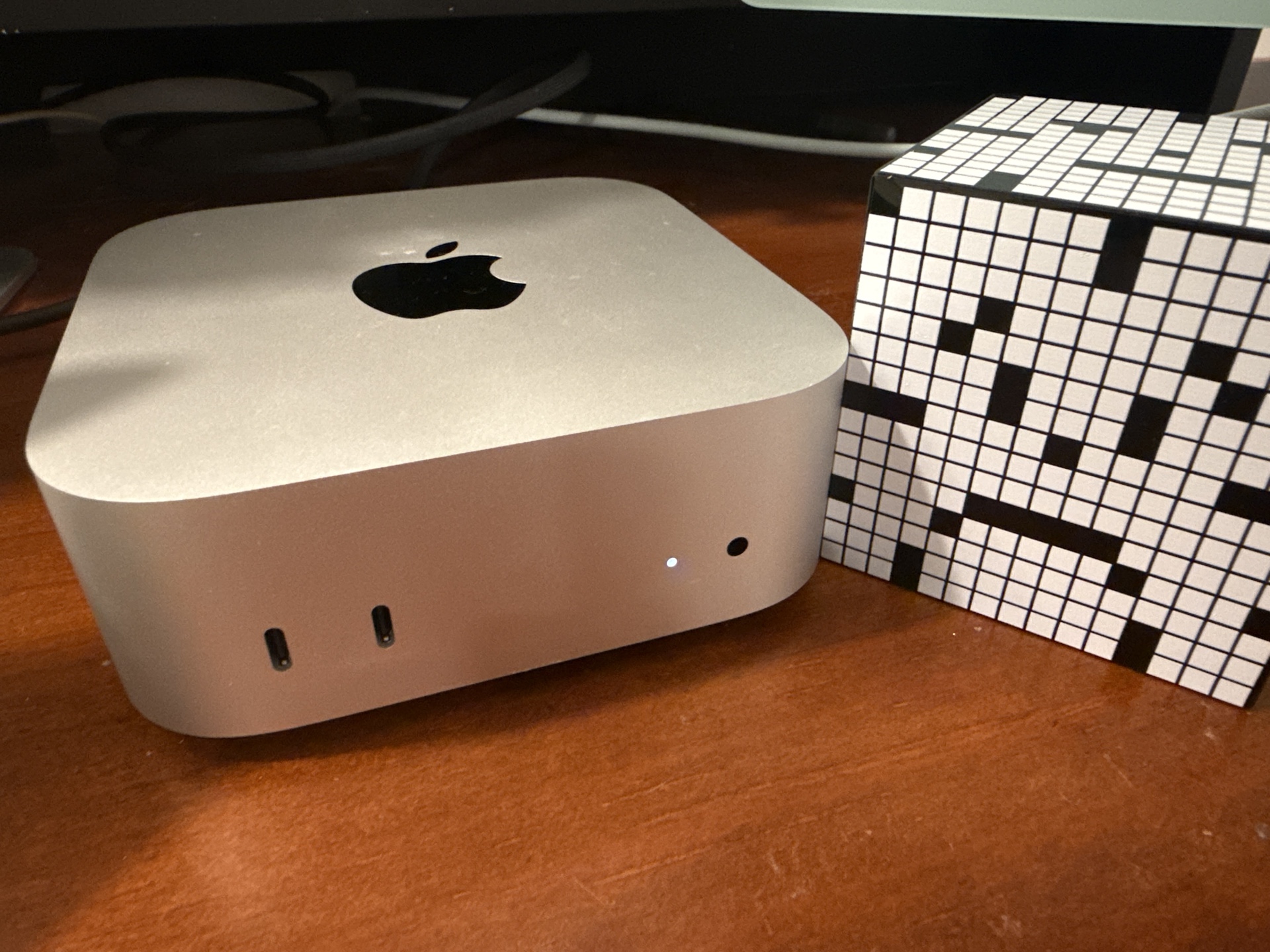
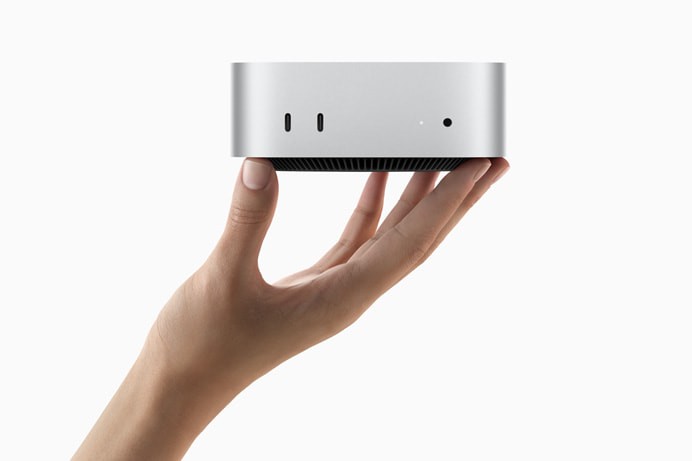
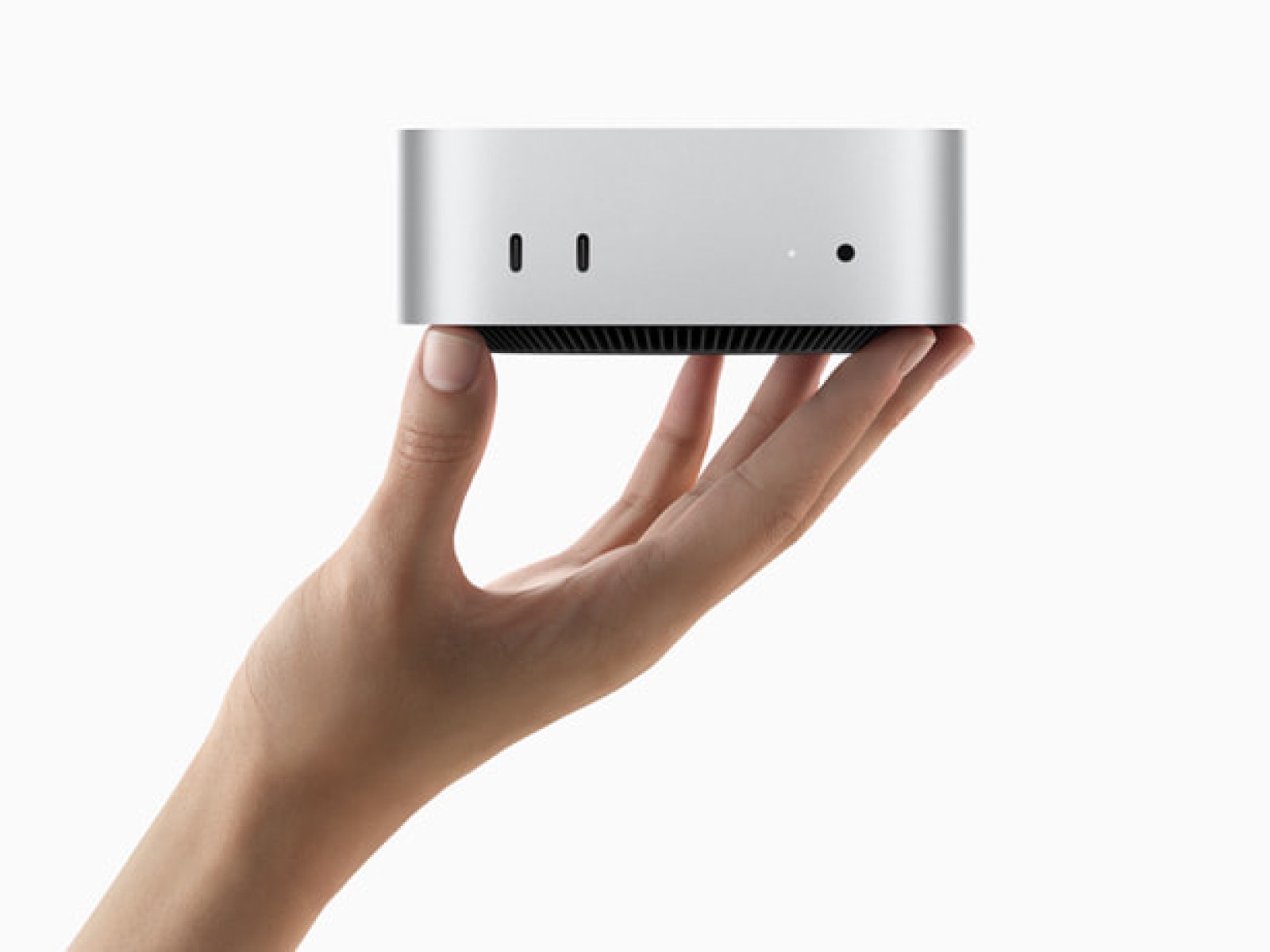
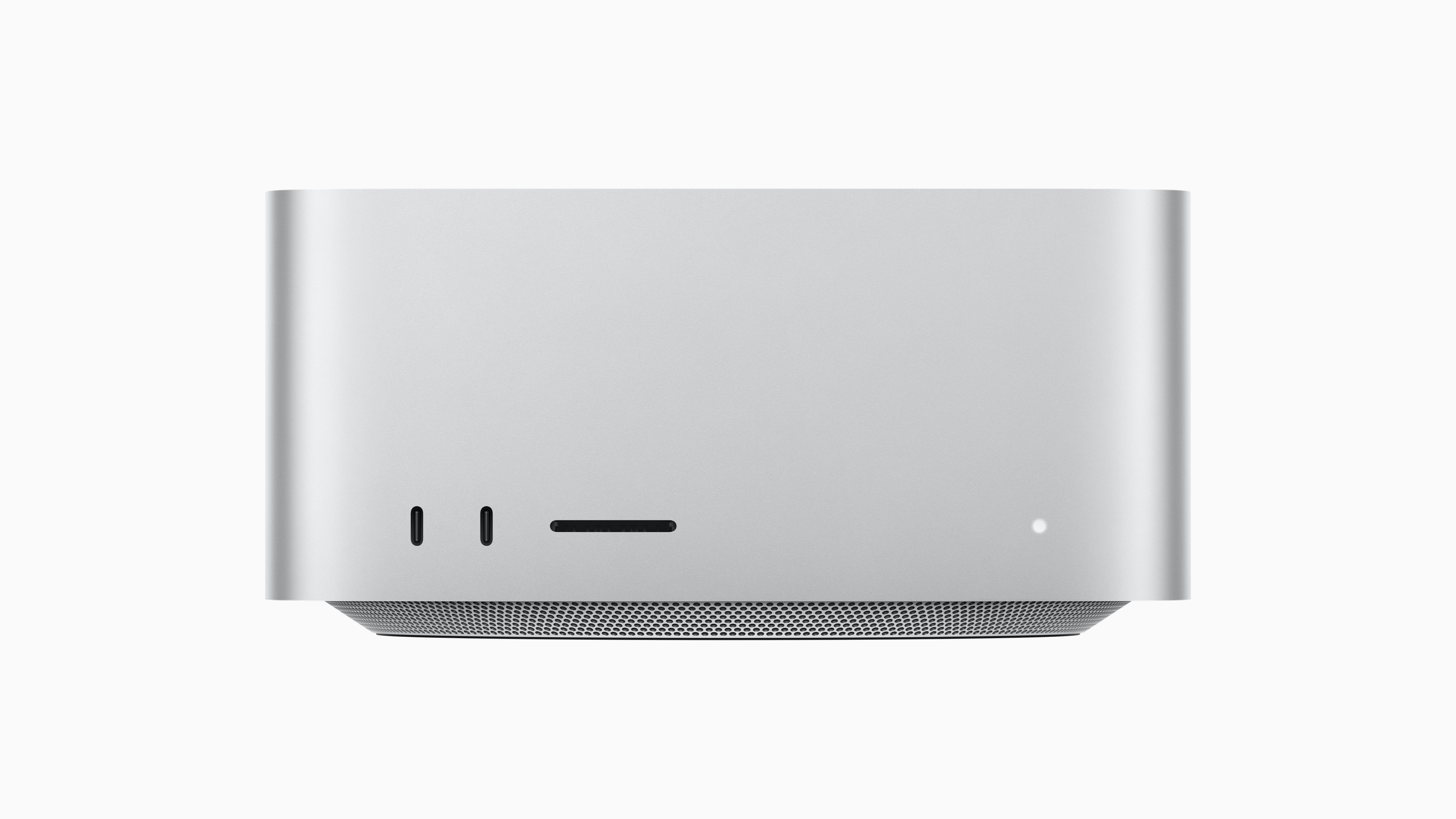
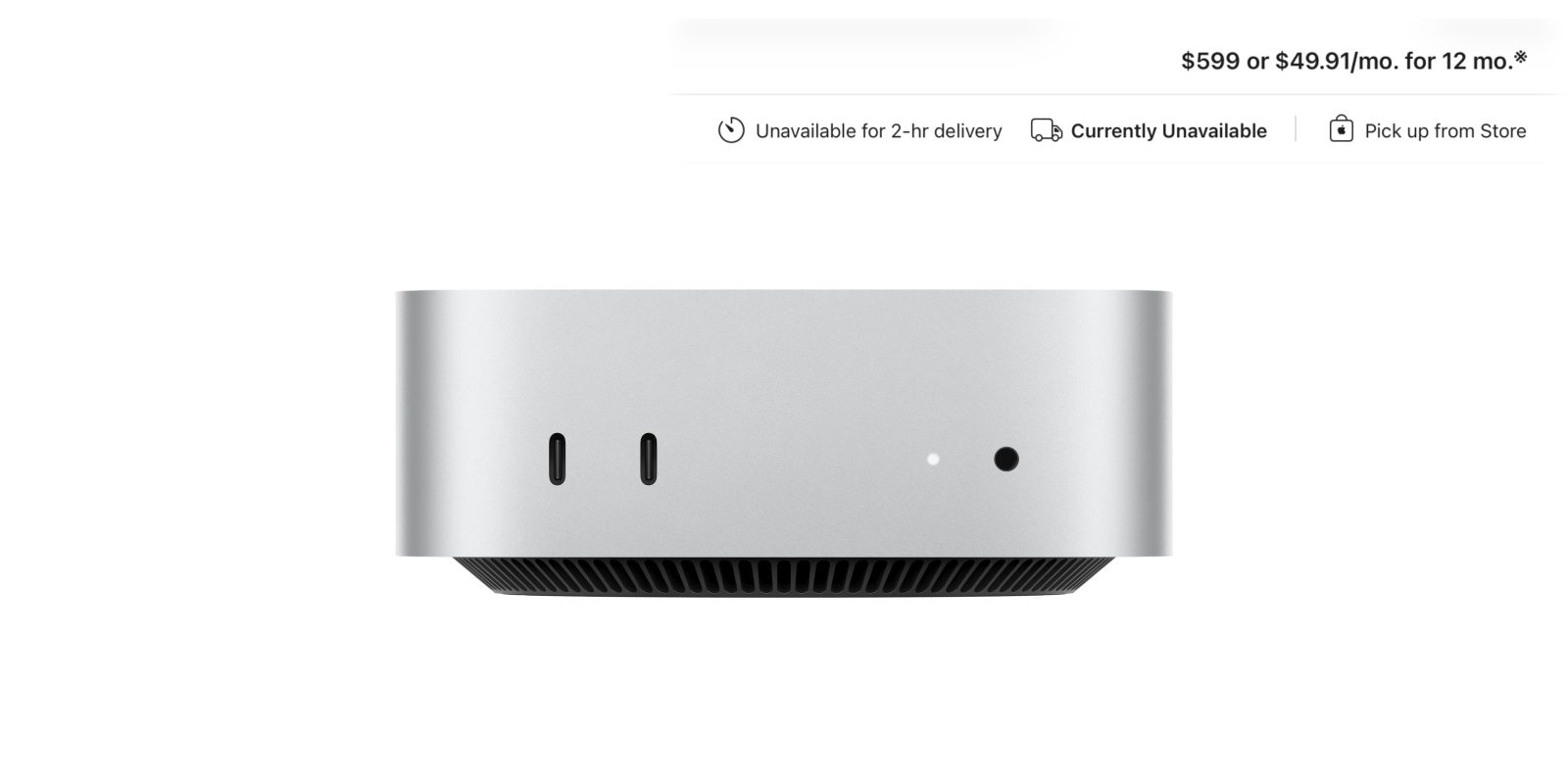
Apple's M4 Mac mini shortage represents a critical supply chain inflection point for cross-border e-commerce sellers, with complete stockouts of base 256GB models and 6-10 week wait times across all configurations. The April 2025 shortage stems from industry-wide memory and storage component scarcity, with Apple prioritizing MacBook production over lower-volume desktop systems. This creates immediate logistics and sourcing challenges for the estimated 15,000+ third-party sellers who depend on Mac mini inventory for resale, refurbishment, and bundled product offerings.
For electronics resellers and tech-focused e-commerce operators, this shortage signals three critical inventory actions: First, immediately liquidate existing Mac mini stock at premium pricing (15-25% above MSRP) before customer demand shifts to competitor products like Dell XPS Mini or Lenovo ThinkCentre. Second, pivot sourcing to refurbished and open-box Mac mini units from liquidation channels and corporate IT refresh cycles—these typically cost 20-30% below retail and face minimal competition during shortages. Third, reposition warehouse inventory geographically: concentrate remaining stock in high-demand regions (US West Coast, EU tech hubs) where AI application adoption drives demand, while reducing allocation to secondary markets.
The logistics impact is substantial: Extended lead times compress seller margins through increased holding costs and working capital requirements. Sellers currently holding 500+ units face $8,000-15,000 monthly storage costs in US fulfillment centers. The shortage also creates arbitrage opportunities through cross-border sourcing—Japanese and Singapore gray market channels often maintain Mac mini inventory 2-3 weeks ahead of US availability, though tariff implications (15-25% on electronics imports) must be factored into landed cost calculations.
Strategic warehouse positioning becomes critical: Sellers should consolidate inventory in 3PL facilities near major metropolitan areas (Los Angeles, New York, Frankfurt) where customer density supports faster turnover. Amazon FBA capacity for electronics is constrained, making merchant-fulfilled (FBM) operations more viable despite longer delivery windows. The shortage also validates diversification: sellers should allocate 30-40% of tech inventory budget to alternative brands (Asus, Acer mini PCs) that offer comparable functionality at lower price points and better availability.
Historical pattern analysis indicates this shortage precedes M5 Mac mini launches expected in Q4 2025, suggesting inventory normalization by October. Sellers should plan inventory replenishment cycles accordingly, avoiding bulk purchases in Q2-Q3 when prices remain elevated. The broader semiconductor supply chain stress affecting Apple also impacts component-dependent categories (gaming peripherals, external storage, networking equipment), making diversified sourcing across multiple suppliers essential for supply chain resilience.
Questions 8
Which warehouse locations offer strategic advantages during the Mac mini shortage?
Consolidate inventory in 3PL facilities near major metropolitan areas: Los Angeles (West Coast tech demand), New York (Northeast concentration), and Frankfurt (EU tech hub). These locations support 2-3 day delivery to 70% of customer base, reducing holding costs through faster turnover. Amazon FBA capacity for electronics is constrained during shortages, making merchant-fulfilled (FBM) operations from regional 3PLs more viable despite longer delivery windows. Avoid secondary markets with slower turnover—allocate 60-70% of inventory to primary regions where AI application adoption drives demand, and 30-40% to secondary markets. Regional warehouse positioning reduces storage costs by 15-20% compared to centralized fulfillment.
How does the Mac mini shortage impact sourcing strategies for related product categories?
The semiconductor supply chain stress affecting Mac mini production also constrains component-dependent categories: external storage (SSD shortages), networking equipment (chip constraints), and gaming peripherals (memory component scarcity). Sellers should diversify sourcing across multiple suppliers and brands rather than concentrating on single-source products. Alternative mini PC brands (Asus, Acer) offer comparable functionality with better availability and 20-30% lower price points, making them attractive substitutes during Apple shortages. Allocate 30-40% of tech inventory budget to alternative brands to reduce supply chain vulnerability. Monitor semiconductor industry reports for component availability trends—shortages typically cascade across multiple product categories within 4-6 weeks.