



PS5 Price Swings Signal Gaming Console Market Saturation | Seller Opportunity in Bundled Electronics
- Sony's $200 discount (33% off) follows 26% price hike in Canada; signals inventory management and shifting consumer demand in $50B+ gaming hardware market



Overview
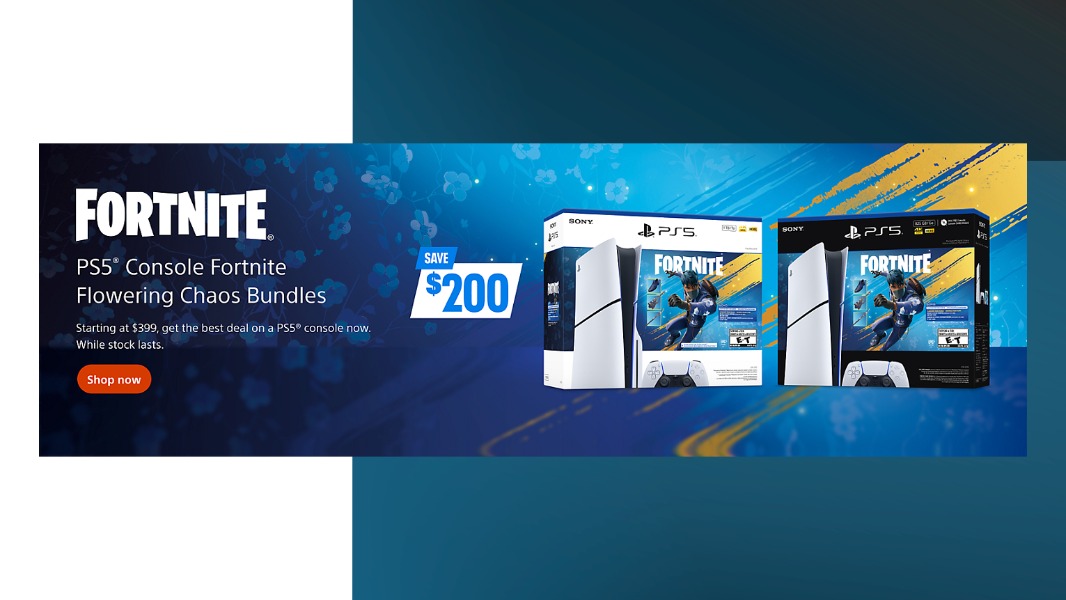
Sony's contradictory pricing strategy—a $200 discount on PS5 Slim Digital Edition ($599→$399) just one month after announcing a 26% price increase (CAD $649.99→$819.99 in Canada)—reveals critical market dynamics that directly impact cross-border e-commerce sellers in gaming, electronics, and bundled product categories. The promotional bundle, valued at $100 in Fortnite content (1,000 V-Bucks + cosmetics), positions the console $100 below pre-increase retail pricing, suggesting Sony is managing excess inventory while maintaining margin protection amid semiconductor cost pressures. This pricing volatility creates immediate arbitrage opportunities for sellers monitoring regional price differentials and bundle composition strategies.
For gaming electronics sellers, this pattern signals three critical market shifts: First, the 33% discount magnitude indicates potential market saturation in premium console hardware, with consumers increasingly price-sensitive despite strong Fortnite integration (a $100 value-add designed to drive conversion). Second, Sony's direct-to-consumer channel prioritization through the official PlayStation Store—rather than third-party retailers—demonstrates manufacturer shift toward DTC models, reducing wholesale margins for traditional resellers. Third, the bundled promotion strategy (console + exclusive digital content) mirrors broader e-commerce trends where sellers combine complementary products to increase average order value and reduce price sensitivity. Gaming peripheral sellers should note that the separate disc drive attachment ($79.99) creates upsell opportunities, with Best Buy distribution indicating strong retail channel integration.
The Canadian price increase context amplifies seller implications: The 26% hike (CAD $170 increase) reflects semiconductor supply chain pressures affecting component costs globally, particularly RAM and memory components. This cost inflation extends beyond consoles to gaming peripherals, accessories, and related electronics categories. Sellers in North American markets should expect similar pricing pressures across consumer electronics inventory, with potential 15-25% cost increases on sourced products through 2026. The timing—coinciding with economic pressures on consumer discretionary spending—suggests demand elasticity will increase, making price-competitive positioning critical. Cross-border sellers should monitor regional pricing variations (US vs. Canada vs. international) to identify arbitrage windows, particularly as manufacturers balance cost inflation with market competitiveness. The promotion's magnitude and timing suggest Sony may be preparing for product refresh cycles or managing Q2-Q3 inventory ahead of potential new console announcements, a pattern relevant to sellers planning seasonal inventory strategies.
Questions 8
Why did Sony discount PS5 by $200 after raising prices 26% in Canada?
Sony is managing inventory levels while protecting margins amid semiconductor cost inflation. The $200 discount (33% off) on the PS5 Slim Digital Edition suggests excess stock accumulation, likely driven by price-sensitive consumers delaying purchases after the April 2026 price increase. The bundled Fortnite content ($100 value) serves as a conversion hook to move inventory without further eroding margins. This pattern—aggressive discounting following price increases—typically signals manufacturers expect demand softness in Q2-Q3 2026 or are preparing for product refresh cycles. For sellers, this indicates market saturation in premium console hardware and potential margin compression across gaming electronics categories.
How should cross-border sellers respond to regional PS5 pricing differences?
Monitor price differentials between US ($399 promotional), Canada (CAD $819.99 standard, ~USD $600), and international markets to identify arbitrage windows. The 26% Canadian price increase creates temporary pricing gaps that savvy sellers can exploit through regional sourcing strategies. However, Sony's DTC channel prioritization (official PlayStation Store) limits third-party reseller access to promotional inventory. Instead, focus on complementary product opportunities: gaming peripherals, disc drive attachments ($79.99), and Fortnite-related merchandise that benefit from console bundle visibility. Track Best Buy and major retailers for inventory signals indicating when promotional stock depletes, signaling potential price normalization or new promotions.