


Gene Therapy Deafness Breakthrough | Emerging Medical Device Market Opportunity for Cross-Border Sellers
- 90% efficacy rate in 42-patient trial opens $2.5B+ hearing restoration market; sellers can capitalize on post-approval medical device distribution, accessibility product demand, and deaf community e-commerce expansion








Overview
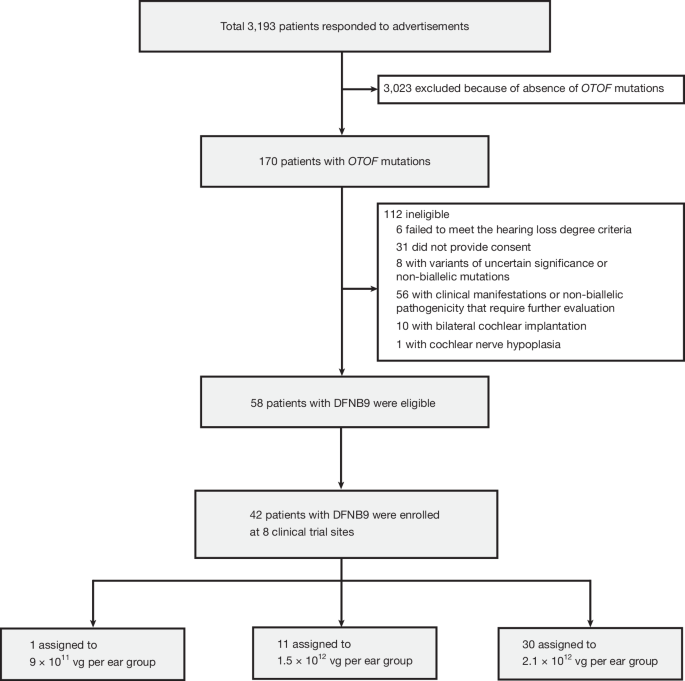
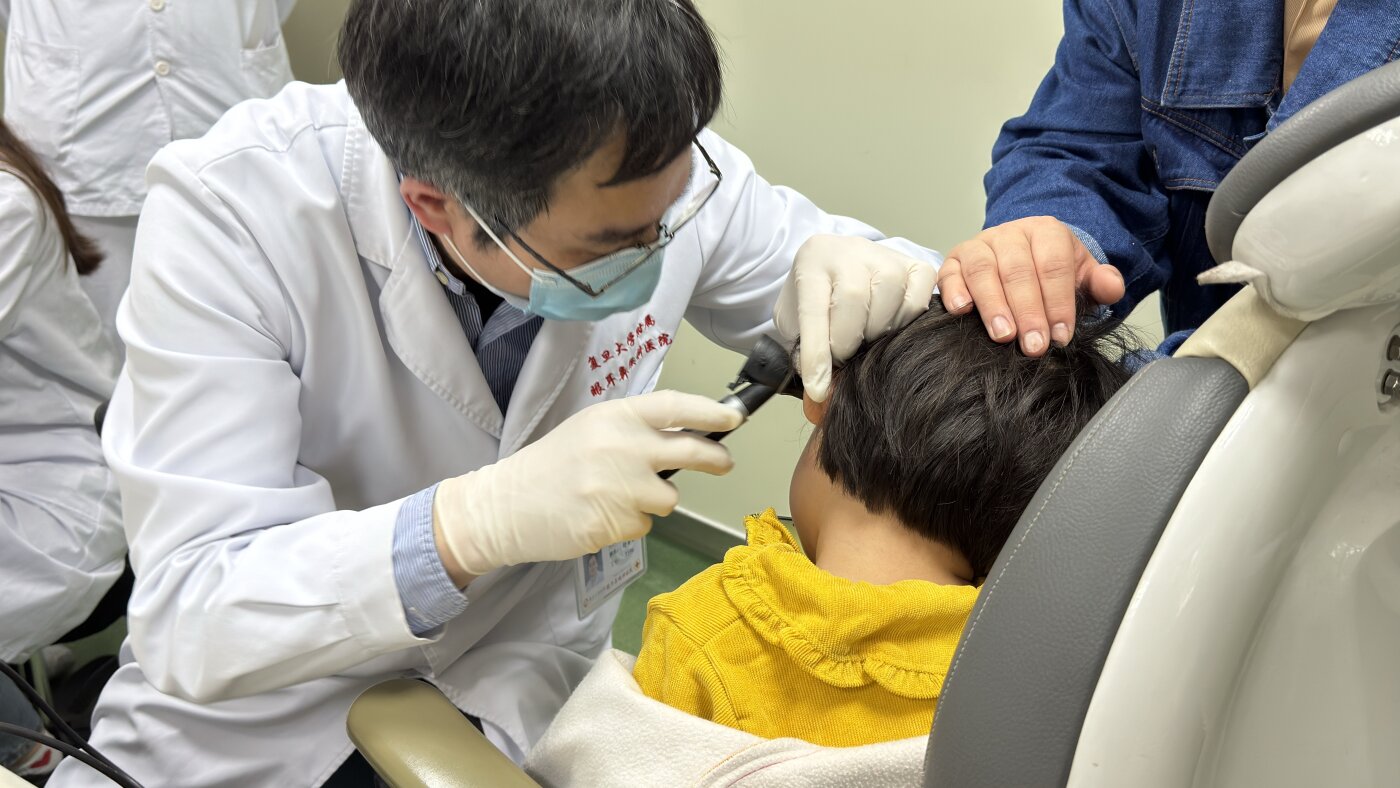
A landmark gene therapy clinical trial published in Nature demonstrates 90% efficacy in treating OTOF-related inherited deafness, with hearing improvements sustained for 2.5+ years across 42 patients at eight Chinese research sites. Researchers from Mass Eye and Ear (Boston) and Fudan University used AAV1-hOTOF gene therapy—delivering functional genes via single inner ear injection—achieving results described as "mind-boggling" by lead researcher Zheng-Yi Chen. Younger patients and those with healthier inner ears showed greatest improvement, with some participants progressing from profound deafness to hearing whispers and normal conversation within weeks.
E-Commerce Market Implications: This breakthrough signals imminent commercialization of gene therapy treatments, creating multi-layered seller opportunities. The global hearing loss treatment market exceeds $2.5B annually, with genetic deafness affecting 60% of congenital cases (approximately 1.5M children born yearly with hereditary hearing loss). As regulatory approval processes advance—typically 3-5 years post-trial—sellers should prepare for: (1) Medical device distribution: Post-approval gene therapy kits, diagnostic equipment, and monitoring devices will require specialized cross-border logistics, regulatory compliance documentation, and healthcare provider partnerships; (2) Accessibility product demand: Improved hearing outcomes will drive demand for hearing aid accessories, cochlear implant alternatives, and auditory rehabilitation products; (3) Deaf community e-commerce expansion: Millions of newly-hearing individuals will enter mainstream consumer markets, creating demand for audio-dependent products (headphones, smart speakers, audio books) previously inaccessible to deaf populations.
Seller Positioning Strategy: Cross-border sellers should monitor FDA/EMA approval timelines (typically announced 12-18 months before market launch) and establish relationships with medical device distributors in China, US, and EU markets where trials occurred. The China-US research collaboration indicates dual-market regulatory pathways—sellers positioned in both regions gain first-mover advantage. Category opportunities include: hearing restoration post-care products, auditory training software, hearing-dependent smart home devices, and accessibility-focused consumer electronics. Sellers with existing medical device compliance infrastructure (ISO 13485 certification, regulatory documentation) can differentiate by offering specialized fulfillment for temperature-controlled gene therapy shipments and clinical trial support logistics.
Questions 8
What is the commercial timeline for gene therapy deafness treatment reaching e-commerce markets?
Based on typical FDA/EMA approval processes, gene therapy treatments from successful clinical trials reach commercial availability 3-5 years post-publication. This trial's Nature publication suggests potential market entry 2027-2029 for regulated markets. Sellers should begin establishing medical device compliance infrastructure (ISO 13485 certification, regulatory documentation) immediately to capture first-mover advantage. China may see faster approval given Fudan University's involvement in the trial, potentially 18-24 months ahead of US/EU markets. Monitor FDA breakthrough therapy designations and EMA priority review announcements for acceleration signals.
How can cross-border sellers prepare for medical device distribution of gene therapy products?
Sellers must establish three core capabilities: (1) Regulatory compliance—obtain ISO 13485 certification and healthcare provider credentials for medical device categories on Amazon, eBay, and specialized medical marketplaces; (2) Cold chain logistics—partner with 3PL providers offering temperature-controlled shipping (2-8°C) for biological products, with real-time monitoring and customs documentation for cross-border movement; (3) Market positioning—build relationships with ophthalmologists, otolaryngologists, and genetic counselors who will prescribe treatments. Sellers in China, US, and EU gain advantage from trial locations. Budget $50K-150K for compliance infrastructure and 6-12 months for regulatory approval processes.