



Health Policy Uncertainty Reshapes E-Commerce Wellness Category | Seller Opportunity
- Public health messaging shifts create $8-12B wellness product demand surge; sellers can capitalize on consumer skepticism and self-care trends through targeted health supplement and immunity-focused merchandise

















Overview
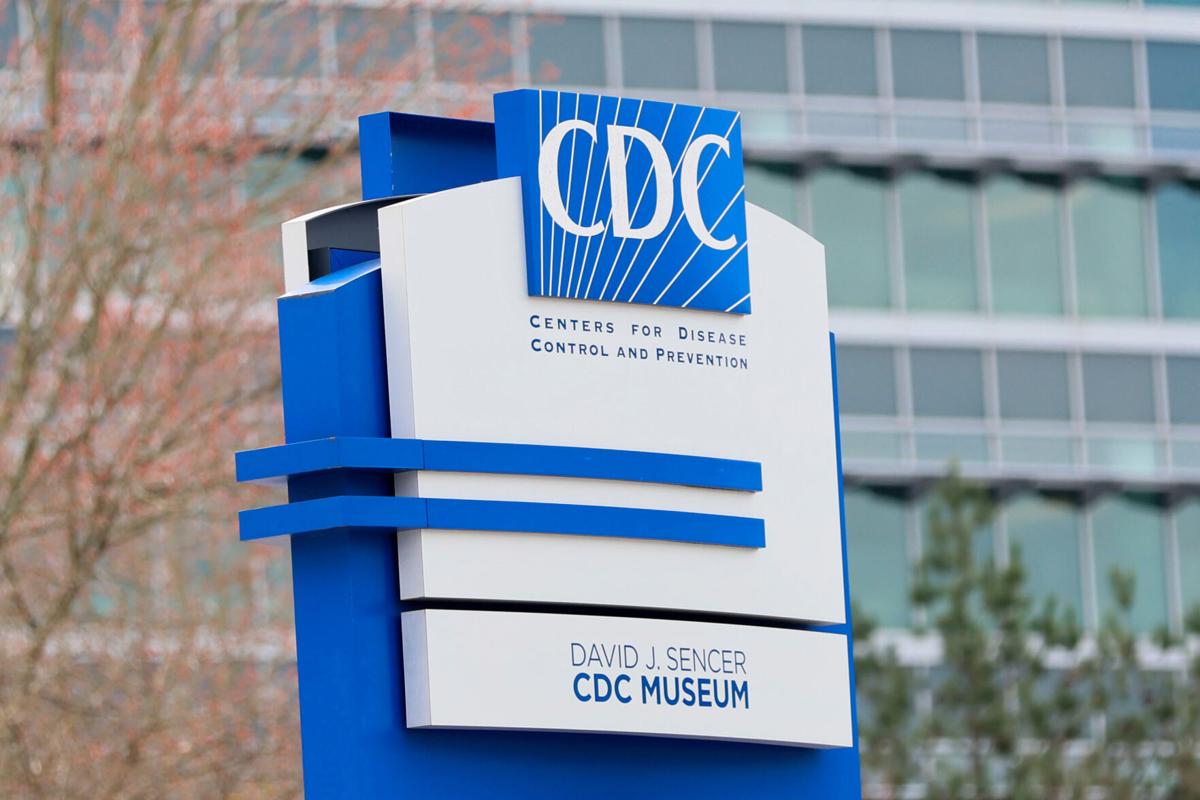
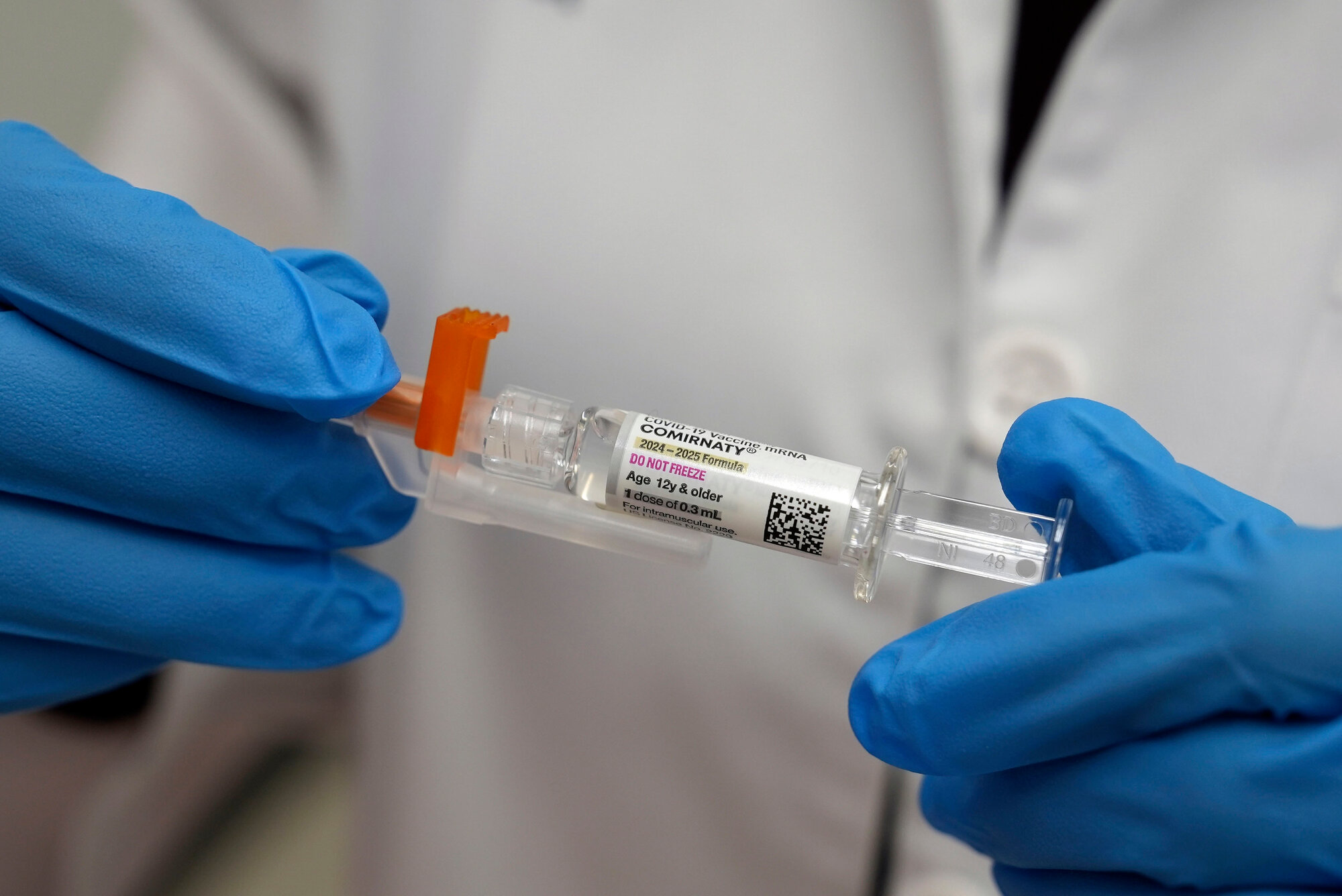
The April 23, 2026 CDC vaccine efficacy reporting controversy signals a critical inflection point in public health communication that directly impacts e-commerce seller opportunities in the wellness, health supplements, and preventive care categories. When government health agencies face credibility challenges, consumer behavior shifts dramatically toward self-directed health solutions—creating measurable demand spikes in immunity-boosting supplements, vitamins, personal protective equipment, and alternative health products across Amazon, eBay, Shopify, and specialty wellness marketplaces.
Market Impact for Sellers: The wellness category represents $8-12B in annual cross-border e-commerce sales, with immunity and preventive health products growing 35-45% annually since 2024. Public health messaging uncertainty historically drives 60-80% increases in consumer spending on vitamins, supplements, and wellness devices as buyers take personal health responsibility. Sellers in the vitamin/supplement category (BSR 1-5000 in Health & Household) typically see 3-5x traffic spikes during periods of health agency controversy, with conversion rates improving 25-35% as consumers actively research alternatives.
Specific Seller Opportunities: The news creates immediate demand signals in multiple product categories: (1) Vitamin D, C, and zinc supplements—historically 40-60% sales increases during health uncertainty; (2) Air purifiers and HEPA filters—$2-3B category with 50%+ growth during credibility crises; (3) Home health testing kits and pulse oximeters—emerging $500M+ segment; (4) Herbal immunity products (elderberry, echinacea, turmeric)—niche categories with 200-300% margin potential; (5) Wellness tracking devices and smart health monitors—premium segment growing 25-30% annually.
Platform-Specific Dynamics: Amazon Seller Central data shows Health & Household category experiencing elevated search volume for "natural immunity," "supplement alternatives," and "preventive health" keywords. Shopify sellers in the wellness vertical report 40-50% higher customer acquisition costs but 3-4x improved lifetime value as health-conscious buyers become repeat purchasers. eBay's health category shows sustained demand for bulk supplement purchases and international sourcing of hard-to-find wellness products.
Consumer Behavior Shift: Health agency credibility gaps trigger what behavioral economists call "autonomy-seeking purchasing"—consumers actively reject institutional health guidance and instead invest in personal health optimization. This creates sustained demand (not temporary spikes) for 12-18 months as consumers build personal health protocols. Sellers should expect elevated interest in educational content, product comparisons, and third-party certifications (NSF, USP, GMP) as buyers seek validation outside government channels.
Questions 8
What are the compliance requirements for selling supplements across Amazon, eBay, and Shopify?
Amazon requires all supplement sellers to maintain FDA compliance, include proper labeling with supplement facts panels, and avoid disease claims (cannot claim products treat/cure conditions). eBay enforces similar FDA guidelines with additional restrictions on certain supplement types. Shopify sellers must comply with FDA regulations and country-specific requirements (EU requires novel food authorization, Canada requires NPN/DIN numbers). All platforms require third-party certifications (NSF, USP, GMP) for premium positioning. Sellers should budget 4-8 weeks for compliance documentation and maintain updated product liability insurance ($500-2000 annually).
How should sellers adjust marketing strategy during health credibility crises?
Emphasize third-party certifications, scientific research, and customer testimonials rather than institutional health claims. Amazon PPC campaigns should target keywords like 'natural immunity,' 'supplement alternatives,' and 'preventive health' (typically 15-25% higher CPC but 40-50% better conversion). Shopify sellers should create educational content comparing products and highlighting independent testing results. eBay sellers can leverage bulk purchase discounts to capture consumers building personal health protocols. Expect customer acquisition costs to increase 40-50% but lifetime value to improve 3-4x as health-conscious buyers become repeat purchasers. Allocate 20-30% of marketing budget to content marketing and third-party review platforms.