





Forensic Breakthrough: How Advanced DNA Technology Unraveled a Decades-Long Murder Mystery
- Investigative genetic genealogy reveals hidden serial killer, bringing closure to victims' families











Overview
In a remarkable demonstration of forensic persistence, Toronto law enforcement has cracked a complex serial killer case that spanned nearly two decades, revealing the dark legacy of Kenneth Smith, a predator who systematically targeted young women between 1982 and 1997. The investigation represents a pivotal moment in cold case resolution, showcasing how advanced genetic technologies can pierce through decades of silence and bring long-awaited justice.
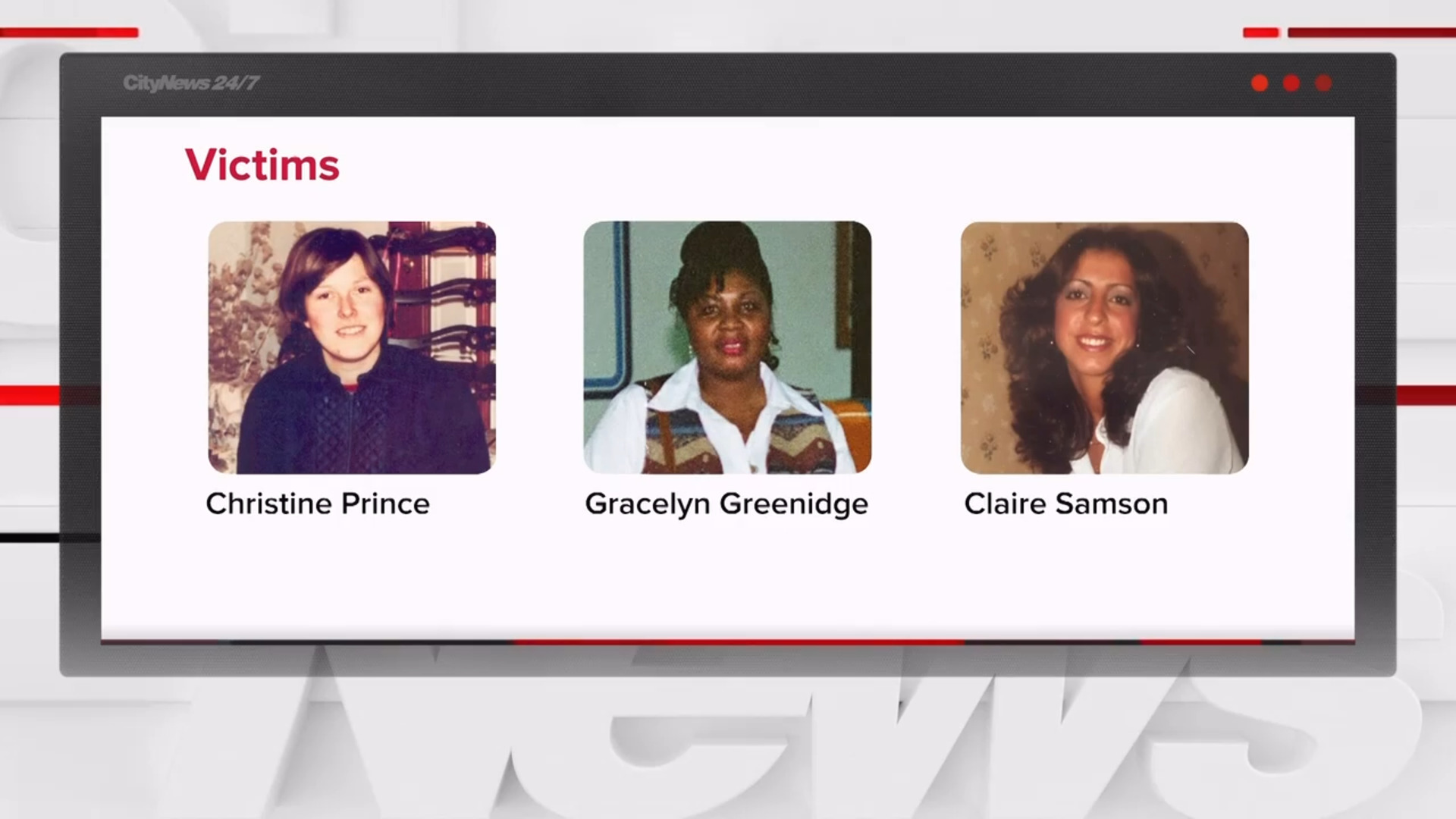
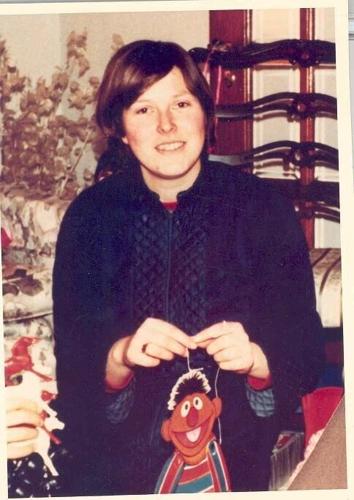
Investigative genetic genealogy emerged as the critical breakthrough, transforming what were once seemingly disconnected murders into a coherent narrative of criminal behavior. By meticulously tracing Smith's genetic profile through national DNA databases, investigators connected the dots between three distinct victims: Christine Prince (25), Claire Samson (23), and Gracelyn Greenidge (41). Each murder, initially appearing as an isolated tragedy, now reveals a chilling pattern of opportunistic violence.
The case's complexity lies not just in its temporal span, but in the methodical approach required to link these crimes. Smith's criminal history—marked by previous sexual assault convictions and multiple incarcerations—provided crucial context. Investigators discovered connections through national DNA databases in 2016 and 2017, ultimately using cutting-edge genealogical techniques in 2022 to definitively link Smith to these murders.
Notably, the investigation transcends mere historical accounting. Police have emphasized that while these three murders are now solved, there may be additional unidentified victims. This suggests a broader systemic approach to cold case investigations, where technology and persistent detective work can unearth hidden patterns of criminal behavior.
The human impact cannot be overlooked. For the families of Prince, Samson, and Greenidge, this resolution represents more than legal closure—it's a validation of their decades-long quest for truth. The announcement that "these women were never forgotten" speaks to a profound commitment to justice that extends far beyond immediate criminal proceedings.
Ultimately, this case stands as a powerful testament to the evolving landscape of forensic investigation, where genetic science and meticulous detective work can resurrect long-dormant mysteries and provide answers to those who have waited generations.
Questions 3
Why couldn't Smith be prosecuted for these murders?
Smith had already died in 2019, before the conclusive genetic evidence was assembled. While he cannot be criminally prosecuted, the investigation provides crucial closure for the victims' families and demonstrates the power of persistent forensic work.
How did investigators finally connect Kenneth Smith to these murders?
Investigators used advanced investigative genetic genealogy, tracing Smith's genetic profile through national DNA databases. By identifying genetic connections and relatives, they were able to conclusively link him to the three murders committed between 1982 and 1997.