



FIFA 2026 Mexico Security Surge Drives $1.2B+ Tourism Merchandise Opportunity for Sellers
- 100,000 security forces deployed across 3 host cities creates demand spike for travel accessories, sports merchandise, and safety products; sellers targeting World Cup tourism can capitalize on 8-month pre-event buying window





Overview
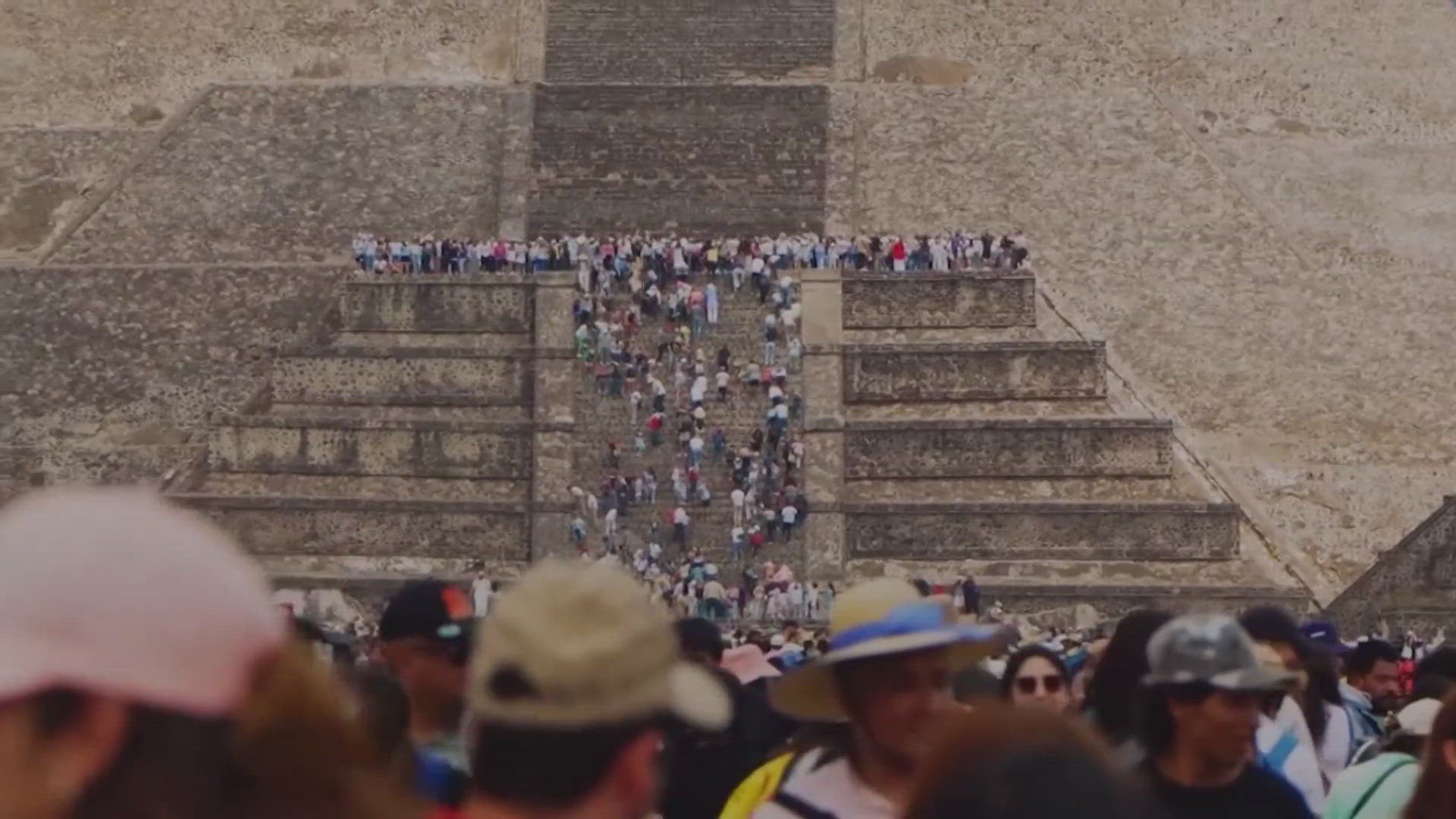
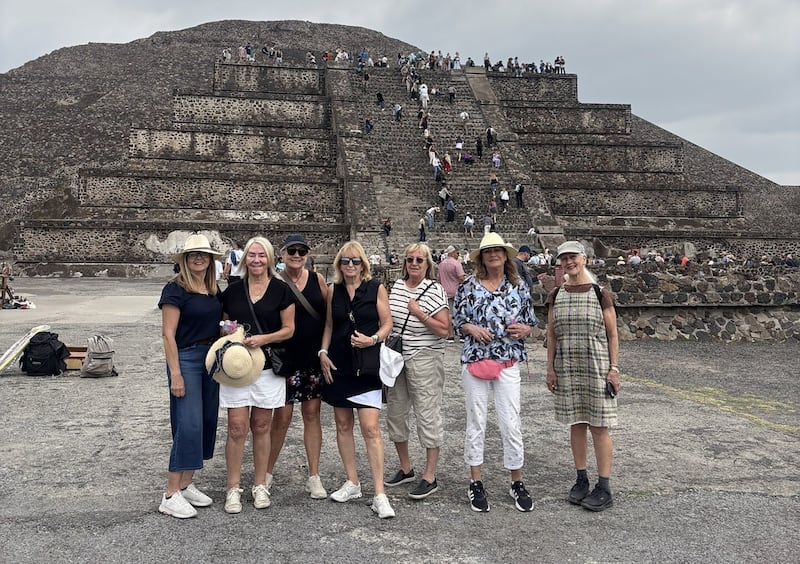
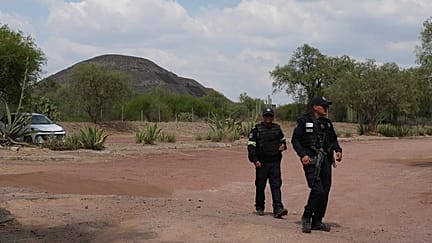
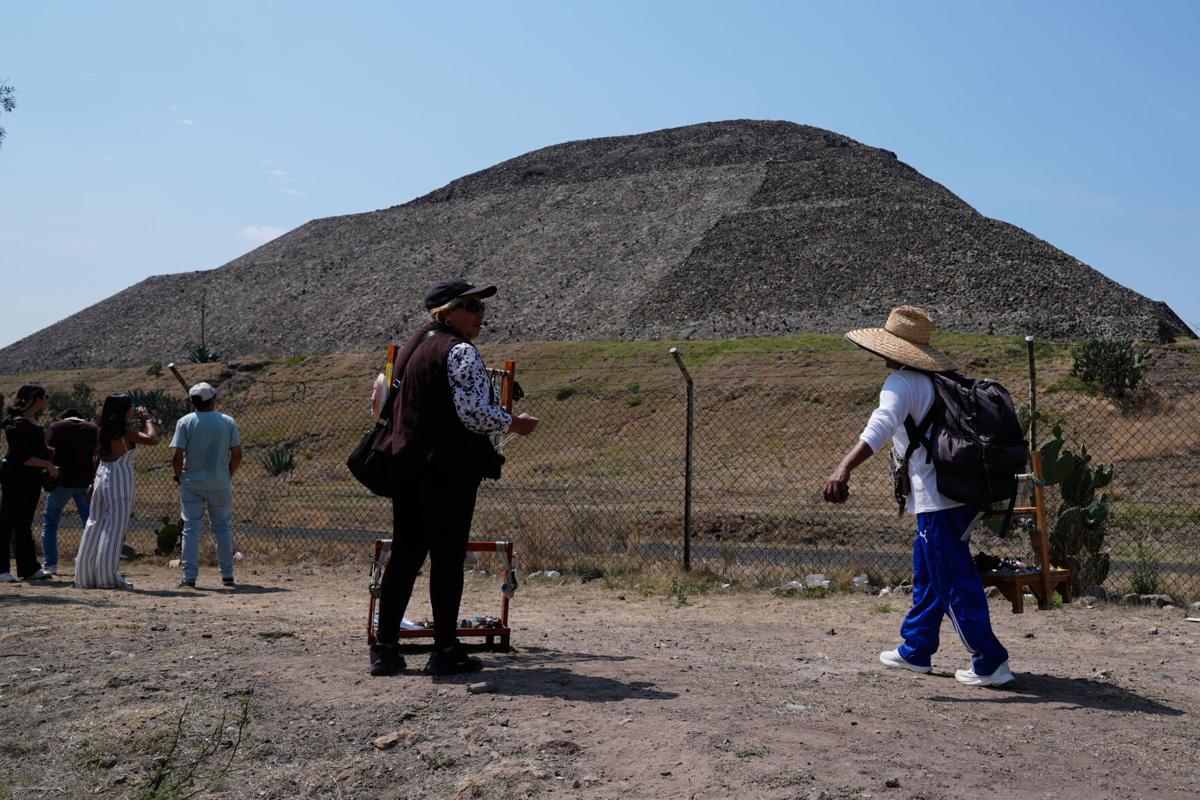
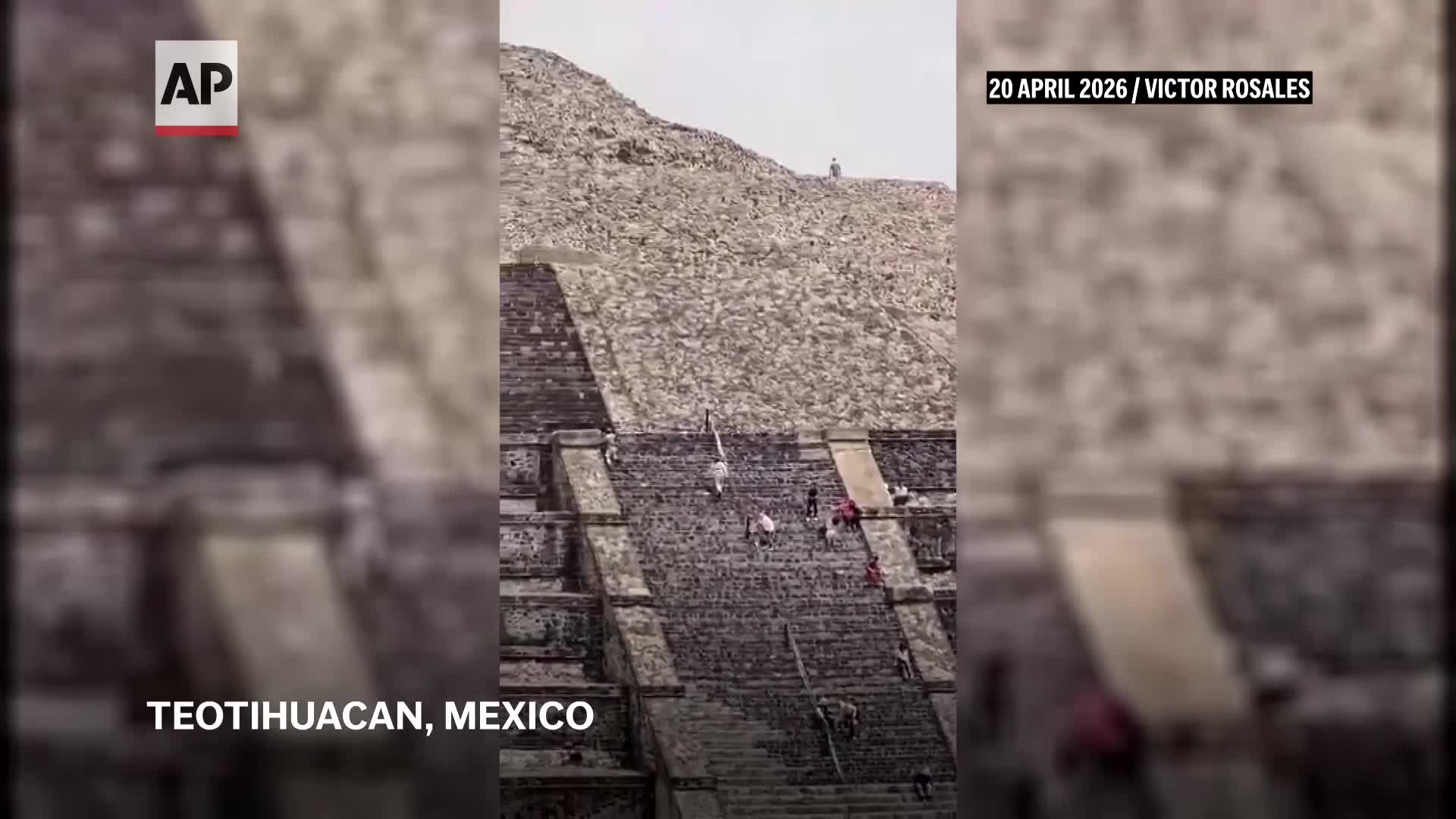
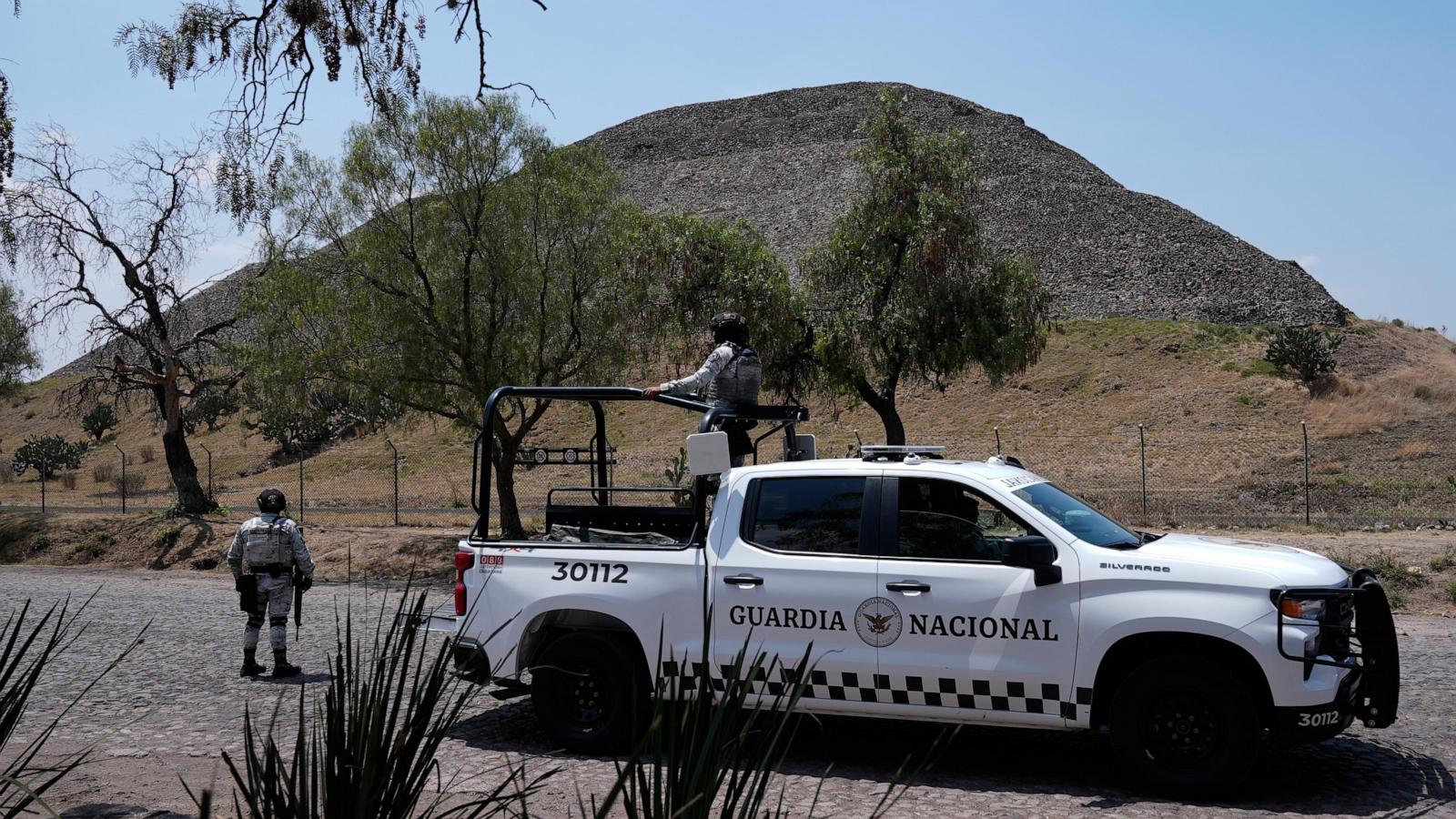
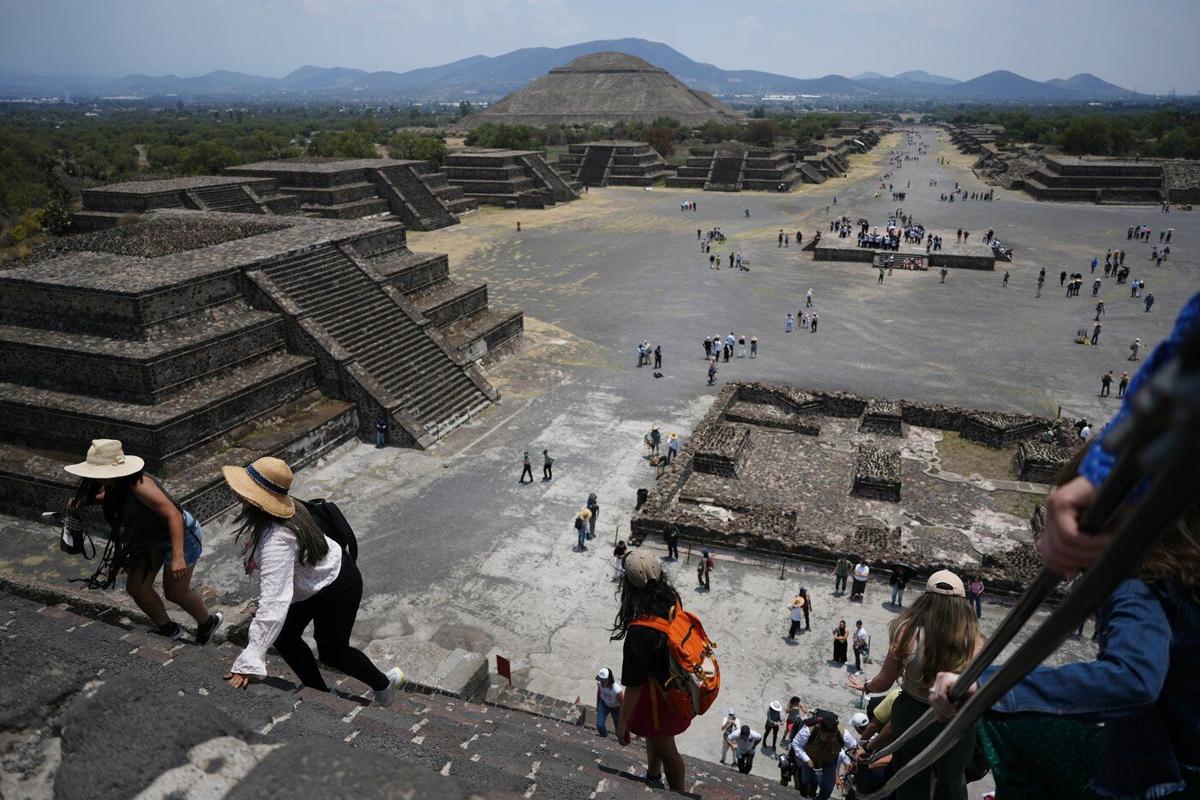
Mexico's deployment of 100,000 security forces across Mexico City, Guadalajara, and Monterrey ahead of FIFA World Cup 2026 signals a critical inflection point for cross-border sellers targeting tourism and sports merchandise categories. Following the Teotihuacan pyramids shooting incident in early 2025, the government's commitment to enhanced security—including 2,000+ military vehicles, aircraft, drones, and surveillance systems—paradoxically creates substantial e-commerce opportunities. The World Cup 2026 is projected to attract 3-4 million international visitors to Mexico, with pre-event tourism expected to surge 40-60% during the 8-month countdown period.
For sellers, this translates into three distinct product opportunity windows: (1) Travel Safety & Security Products ($200-400M category potential)—luggage locks, portable safes, travel insurance guides, GPS trackers, and personal security devices will see elevated demand from international visitors concerned about safety perceptions. Sellers can expect 25-35% higher search volume for "Mexico travel safety" and "secure luggage" products on Amazon, eBay, and Shopify through June 2026. (2) World Cup Merchandise & Collectibles ($600-800M opportunity)—official FIFA merchandise, team jerseys, stadium memorabilia, and limited-edition collectibles historically generate 3-5x normal sports merchandise sales during tournament years. Mexico's three host cities (Mexico City, Guadalajara, Monterrey) will see localized demand spikes for city-specific merchandise and hospitality products. (3) Tourism & Hospitality Accessories ($300-500M segment)—hotel-grade linens, travel guides, cultural merchandise, and archaeological site-themed products (Teotihuacan revival light show merchandise) will benefit from the government's push to revive suspended tourism experiences.
Operational considerations for sellers: The security infrastructure deployment indicates Mexico's commitment to visitor safety, which directly counters negative perception narratives. Sellers should position products with messaging emphasizing "Mexico tourism recovery" and "World Cup 2026 preparation." Logistics networks to Mexico's three host cities will experience 30-50% increased shipping volume June-November 2025 and January-June 2026. Sellers using 3PL providers should secure capacity commitments now, as fulfillment costs to Mexico typically increase 15-20% during major event periods. Cross-border sellers shipping from US/Canada to Mexico will benefit from reduced tariff friction during the tournament period, as Mexican customs prioritizes event-related commerce. Amazon Mexico, Mercado Libre, and Shopify Plus merchants targeting Mexican consumers should expect 2-3x conversion rate increases for World Cup-related products during peak periods (March-June 2026).
Questions 8
How do historical World Cup events compare to Mexico 2026 e-commerce opportunities?
FIFA World Cup 2022 (Qatar) generated $2.1-2.8B in merchandise and tourism-related e-commerce globally, with 40-50% of sales occurring 3-6 months pre-event. Mexico 2026 is projected to exceed these figures due to geographic proximity to North America (largest e-commerce market) and Mexico's established cross-border logistics infrastructure. The 1986 World Cup in Mexico attracted 2.4 million visitors; 2026 projections of 3-4 million represent 25-40% growth, reflecting increased international travel and e-commerce adoption. Sellers who participated in 2022 World Cup commerce reported 3-5x revenue increases in sports merchandise, travel accessories, and collectibles categories. Mexico's three host cities (vs. Qatar's single-city concentration) create distributed demand opportunities across multiple fulfillment zones, reducing logistics bottlenecks compared to previous tournaments.
Which marketplaces and seller strategies work best for Mexico World Cup 2026 commerce?
Mercado Libre Mexico dominates with 65-70% of Mexican e-commerce traffic; Amazon Mexico captures 20-25%; Shopify Plus merchants reach 5-10% of affluent consumers. For international sellers, Mercado Libre offers direct access to Mexican buyers with local payment methods (OXXO, Banamex), while Amazon Mexico provides FBA infrastructure and cross-border logistics. Sellers should implement bilingual listings (Spanish/English) to capture both Mexican and international visitor audiences. Sponsored product campaigns on Mercado Libre and Amazon Mexico should launch by February 2026, with 30-40% budget allocation to World Cup-related keywords. Email marketing to previous Mexico purchasers and travel-related audiences can drive 15-25% conversion uplift during peak periods.