


Panama Canal Shipping Costs Surge 20-30% | Critical Impact for Asia-Americas E-Commerce Sellers
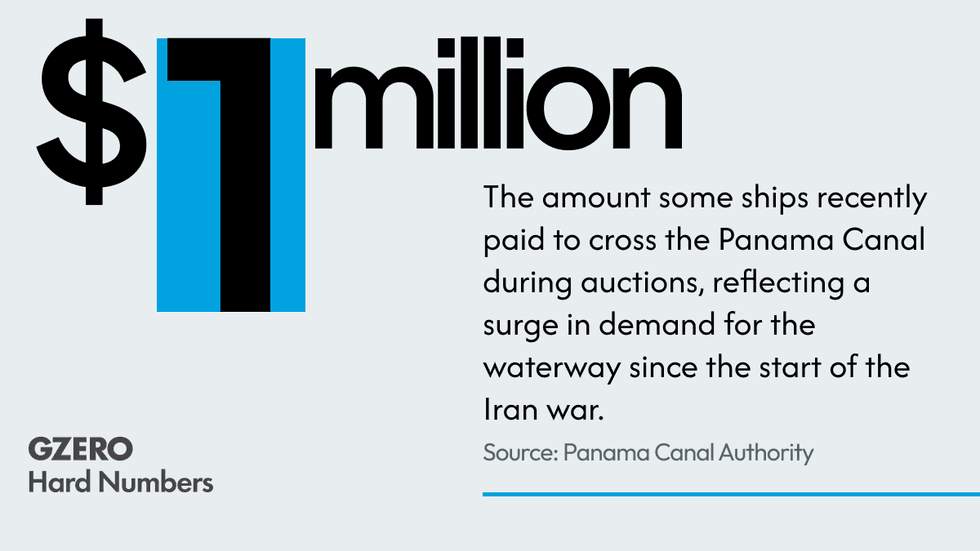
- Auction prices spike from $135K-$140K to $385K average as Iran conflict redirects Suez traffic; small sellers face 15-25% logistics cost compression through 2026


















Overview
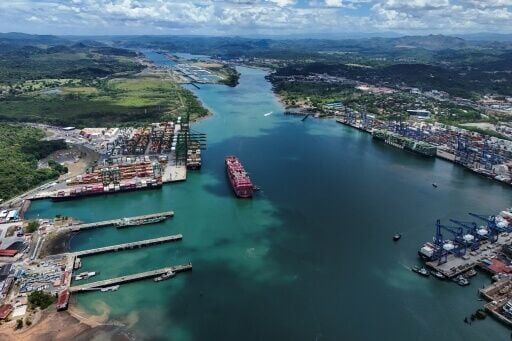
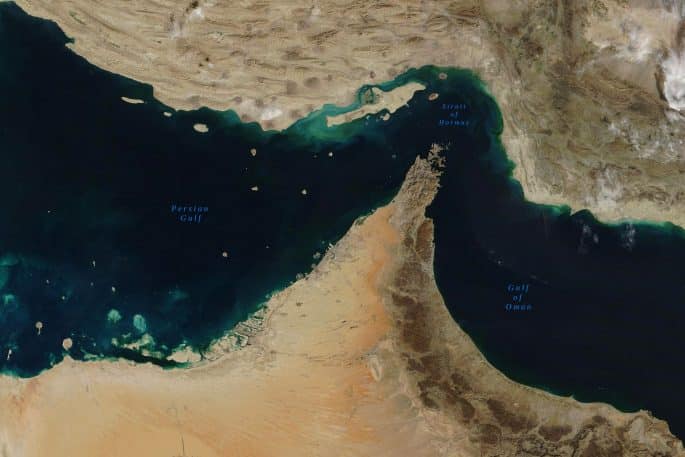
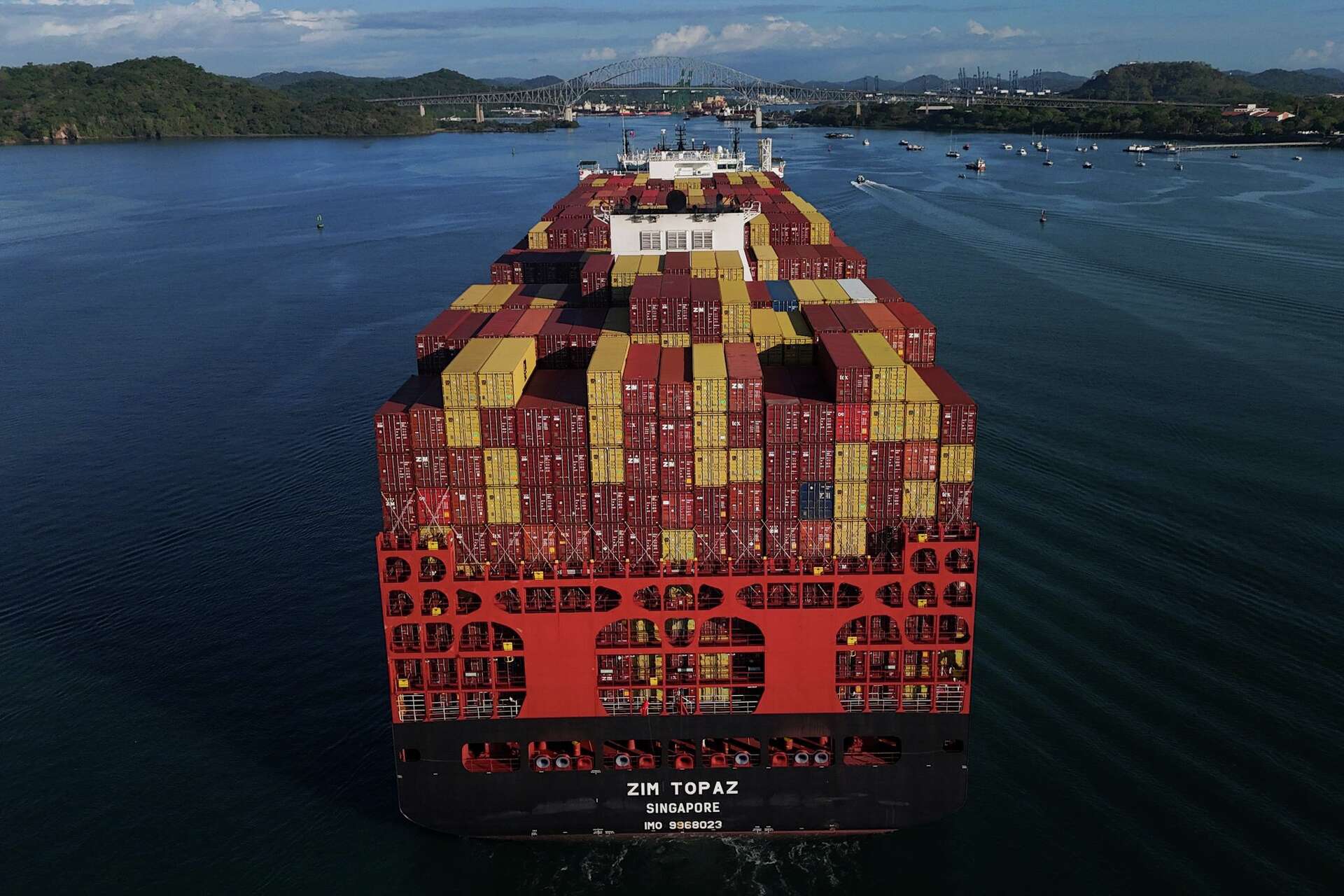
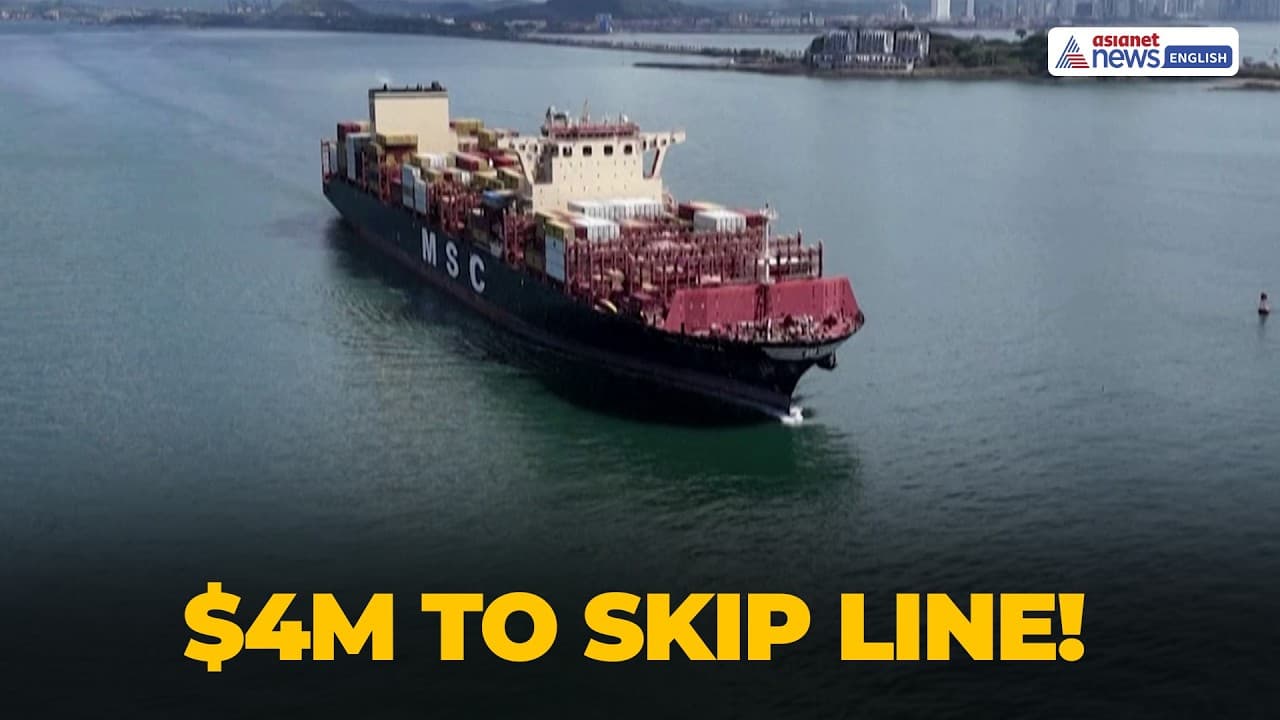
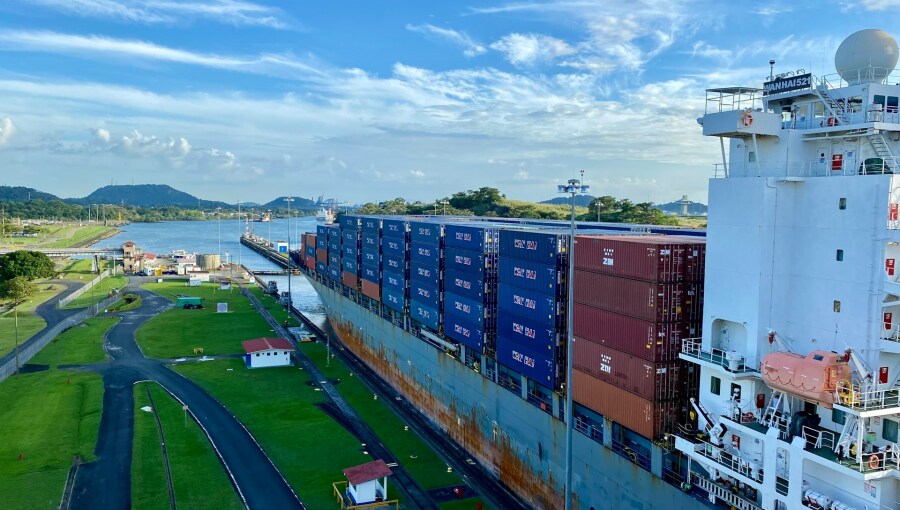
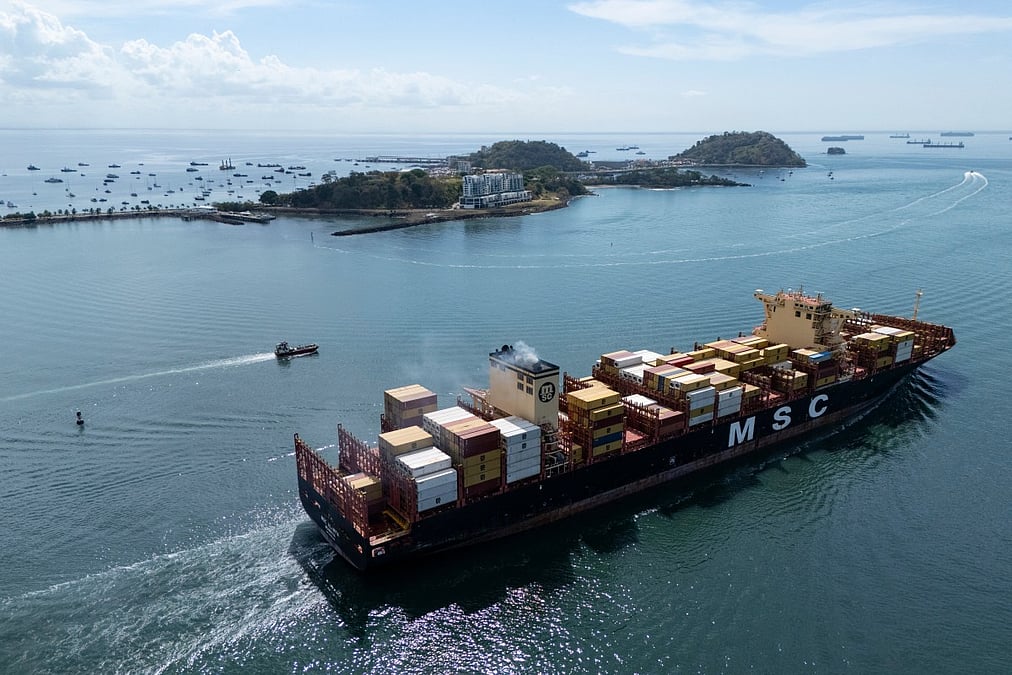
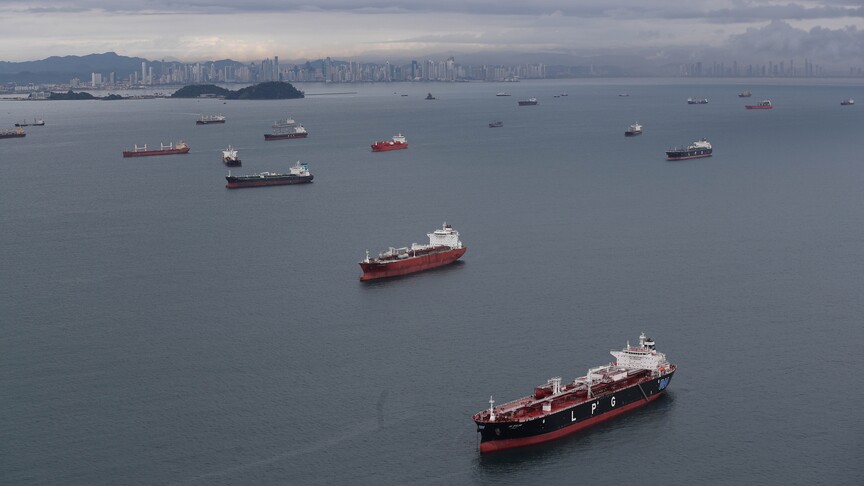
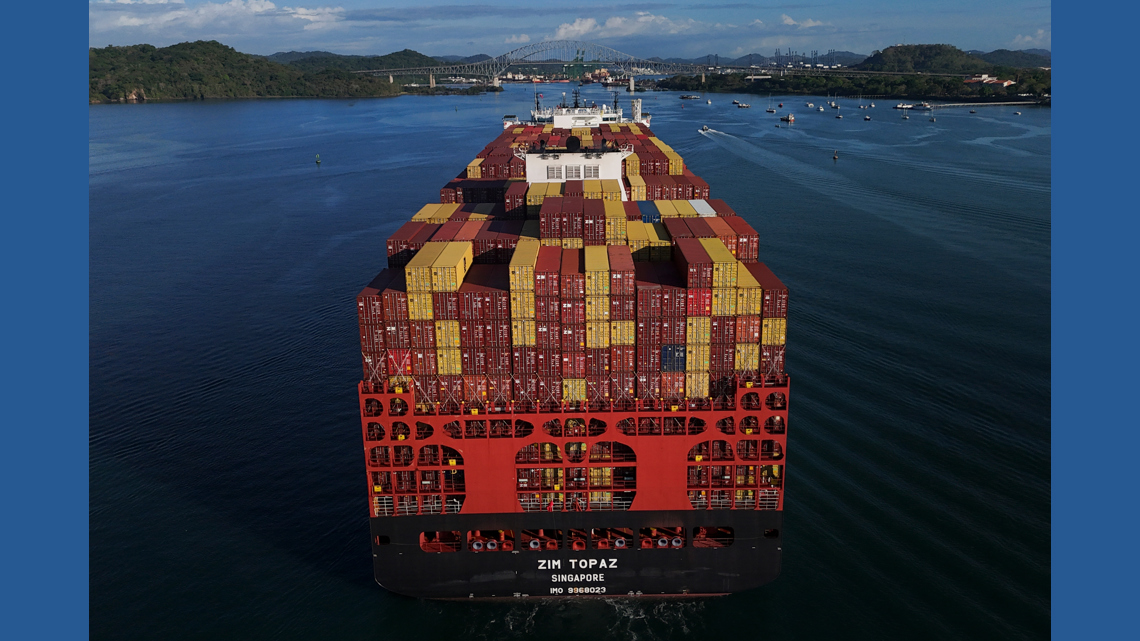
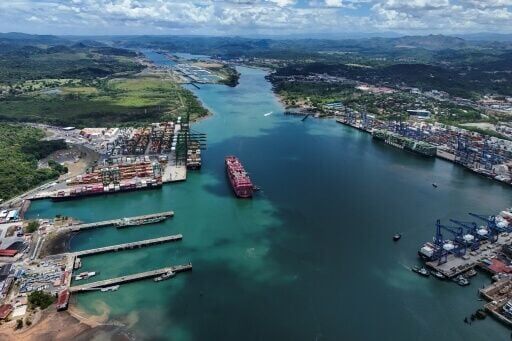
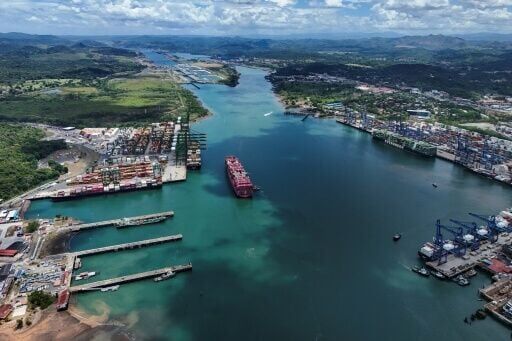
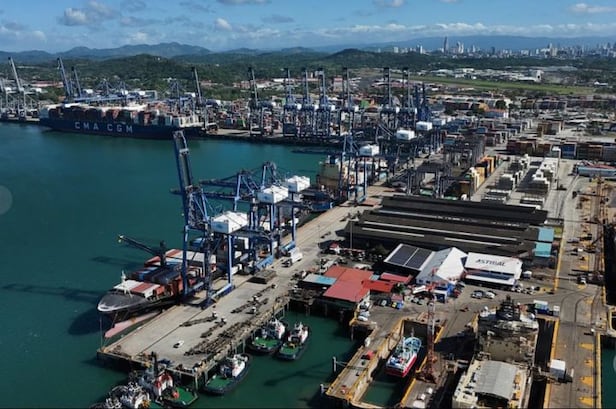
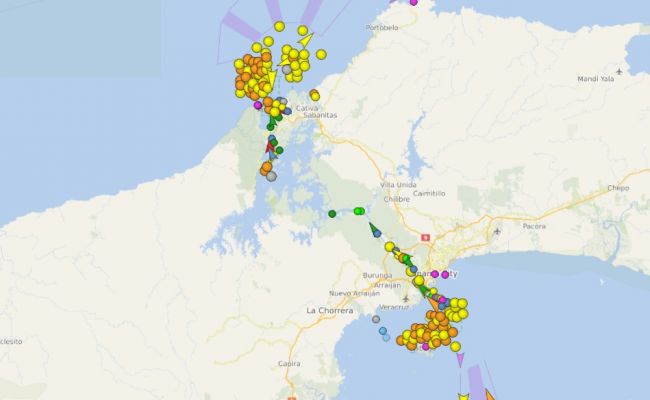
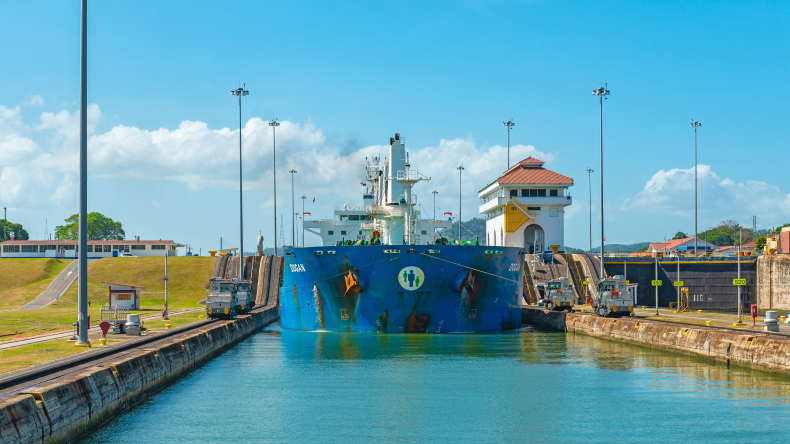
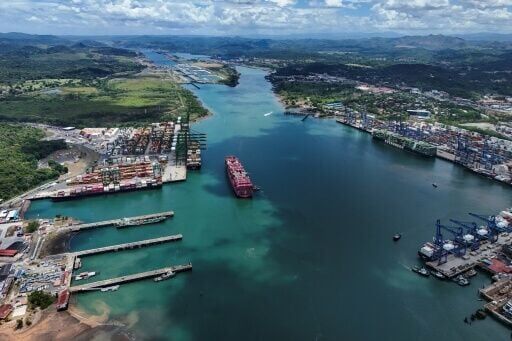
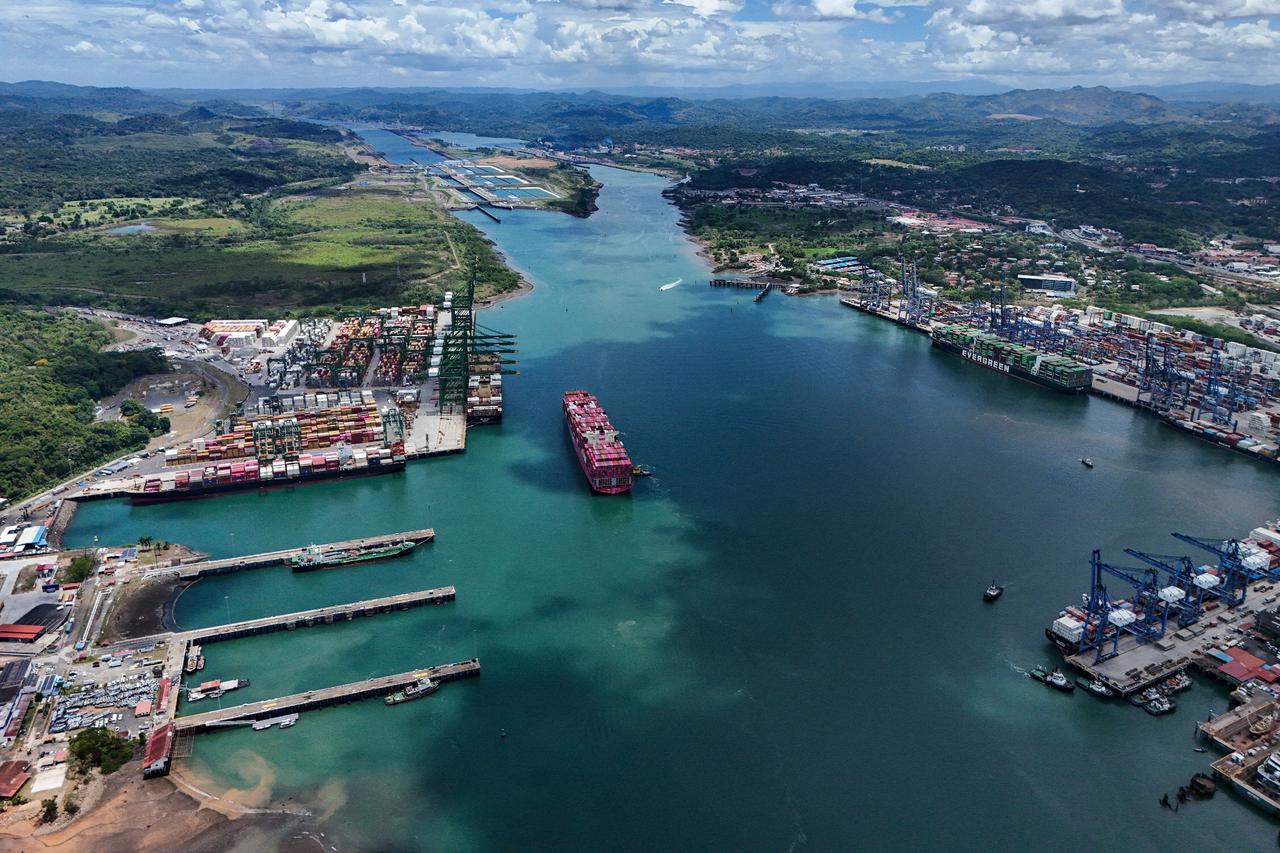
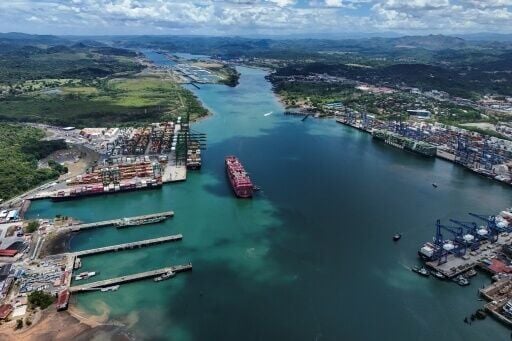
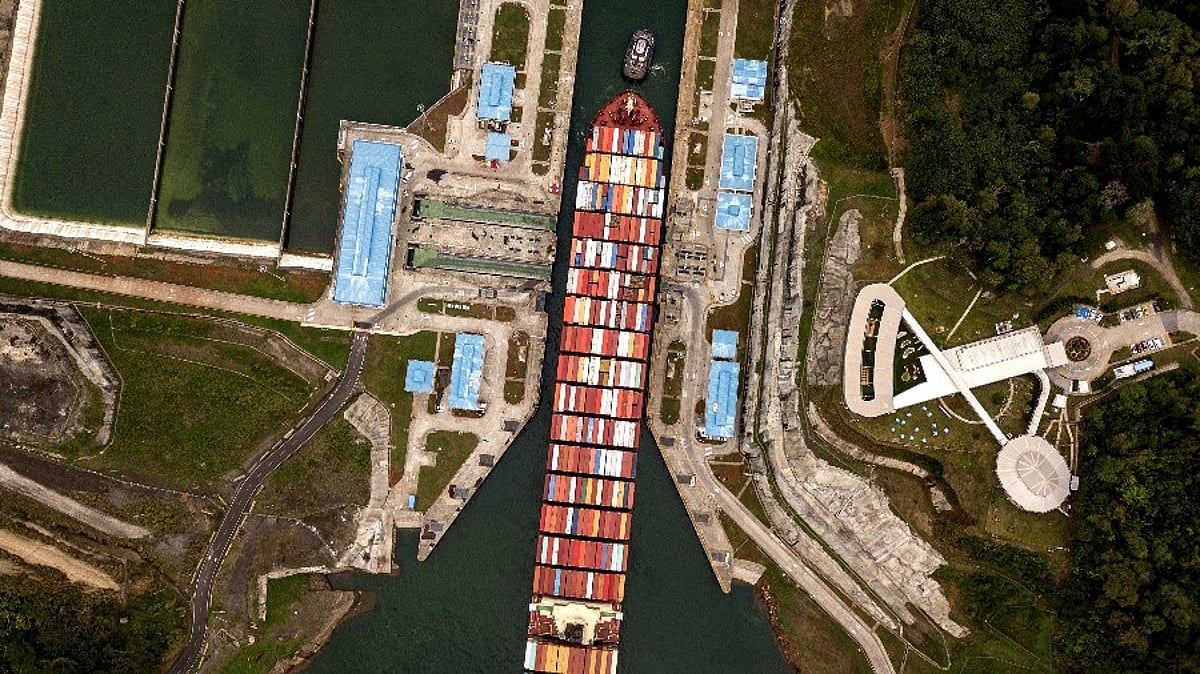
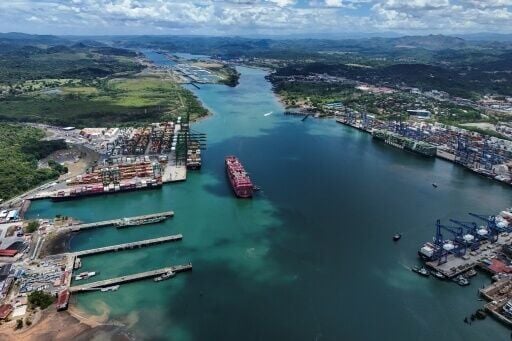
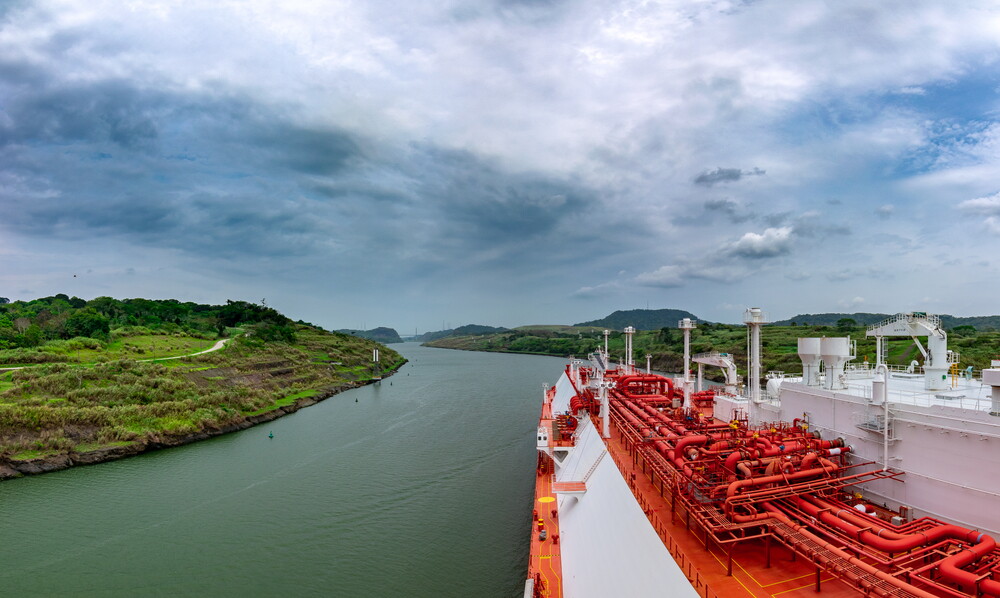
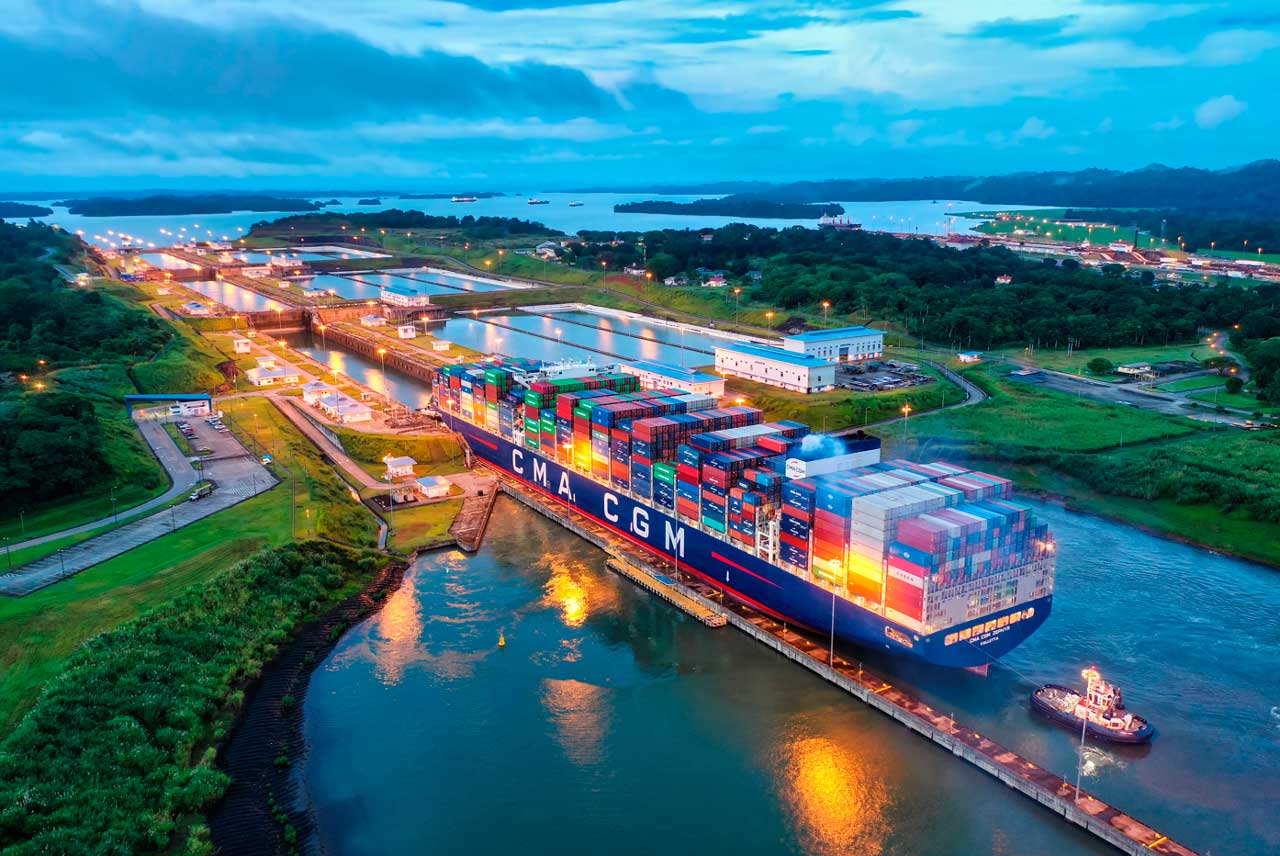
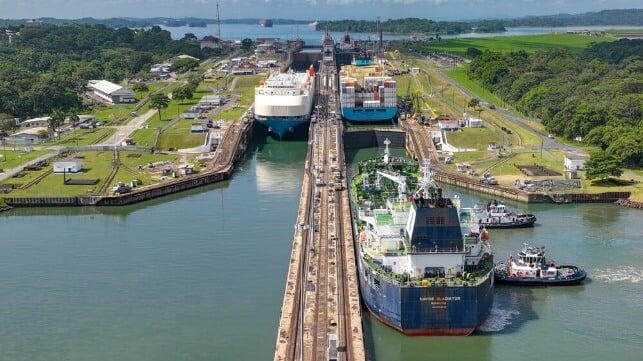
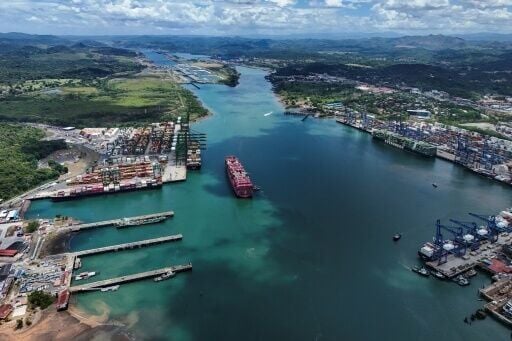
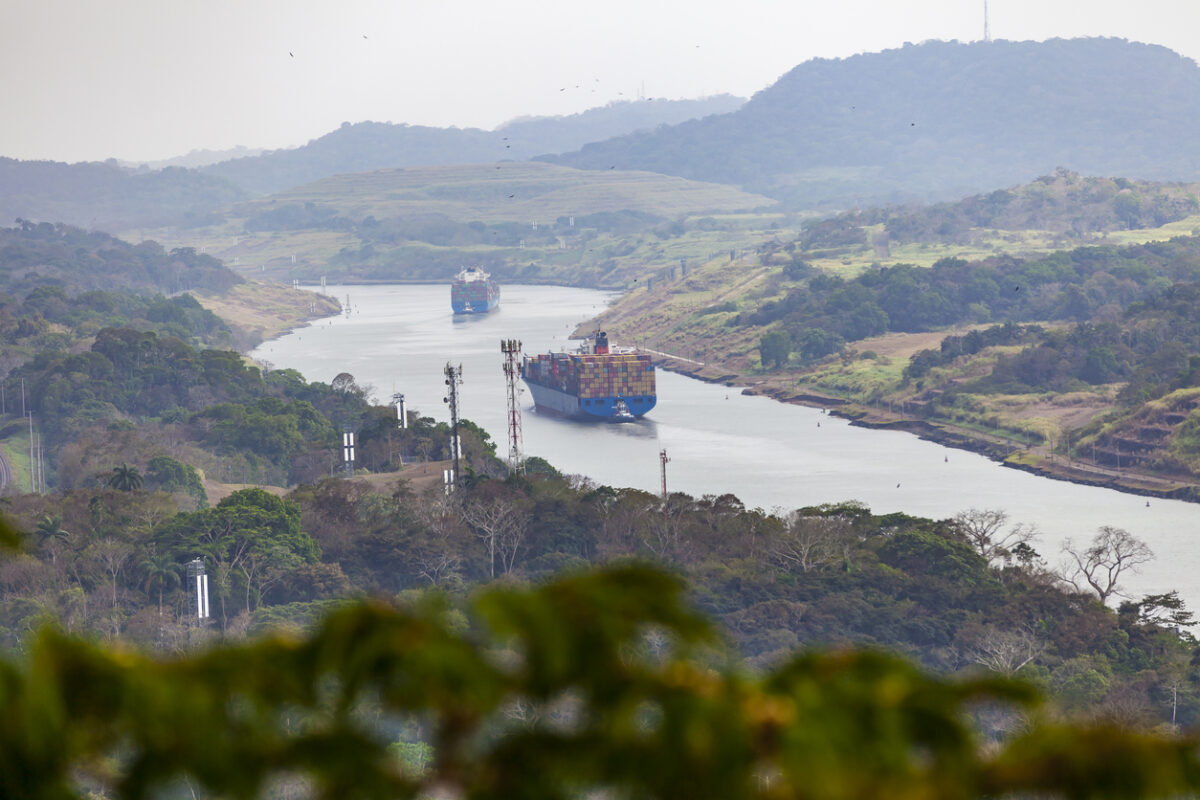
The Panama Canal Authority's April 23, 2026 announcement reveals a critical supply chain inflection point for cross-border e-commerce sellers: transit slot auction prices have tripled from $135,000-$140,000 to approximately $385,000, with exceptional cases exceeding $1 million, driven by Middle East geopolitical tensions forcing vessels away from the Suez Canal. This represents a 20-30% cost increase for containerized goods moving between Asian suppliers and North American markets, directly compressing margins for the estimated 50,000+ small-to-medium sellers (SMBs) relying on Panama Canal routes for Amazon FBA, eBay, and Shopify fulfillment.
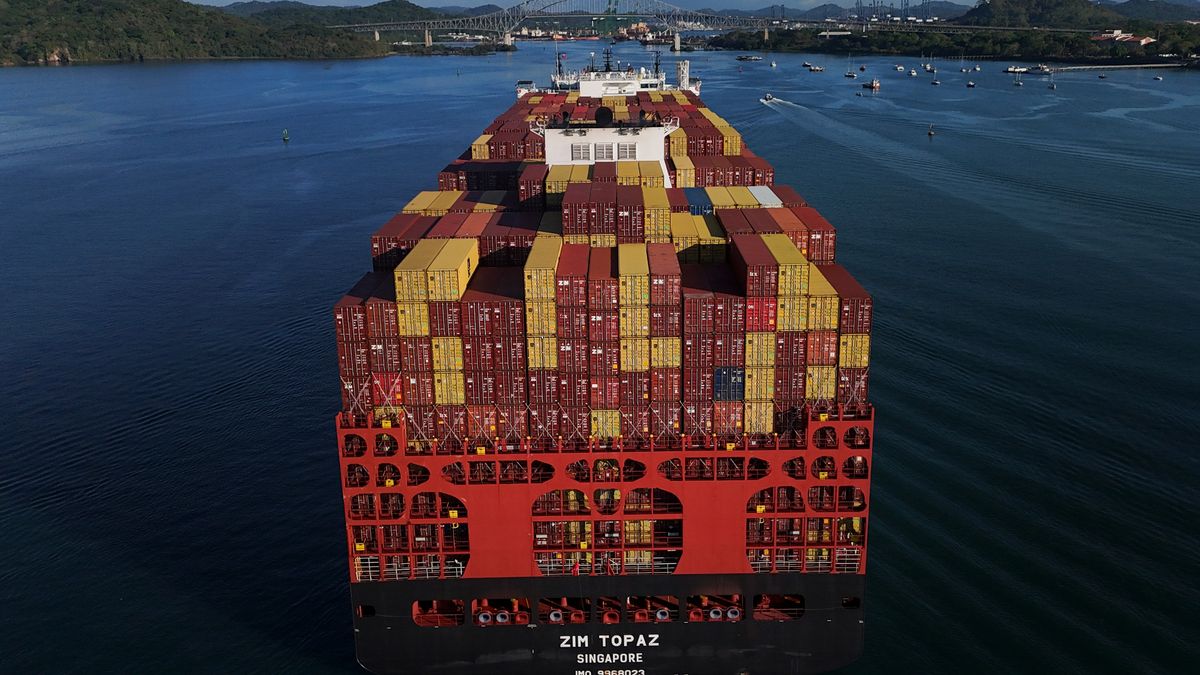
The immediate operational impact is severe for margin-constrained sellers. Shipping costs represent 15-25% of total logistics expenses for cross-border e-commerce operations. A typical 40-foot container carrying $50,000 in merchandise now faces an additional $15,000-$20,000 in transit premiums compared to pre-conflict baseline costs. For sellers with 8-12% net margins, this translates to a 15-25% margin compression on affected shipments. The Panama Canal Authority confirmed that container and liquefied petroleum gas shipments performed strongest during the surge, indicating energy-intensive and bulk commodity categories are experiencing the most acute pricing pressure. However, the authority explicitly stated this represents a "temporary demand surge" rather than structural capacity constraints—a critical distinction suggesting costs may normalize as Middle East tensions stabilize, potentially within 3-6 months.
Strategic sourcing and inventory timing become critical competitive advantages. Sellers have three tactical windows: (1) Immediate (0-30 days): Lock in long-term slot allocations through the Canal's advance booking system rather than relying on last-minute auctions with 3-5 daily slots at premium pricing; (2) Medium-term (1-3 months): Evaluate alternative logistics corridors—air freight premiums are even higher (40-60% above baseline), but slower ocean routes via Cape of Good Hope add 2-3 weeks transit time, making this viable only for non-perishable, non-seasonal inventory; (3) Strategic (3-6 months): Shift sourcing from China to Vietnam, India, or Mexico suppliers to reduce Panama Canal dependency, as these regions offer lower-cost manufacturing with shorter transit routes to North America. The Canal's water level monitoring (Gatun and Alhajuela lakes at maximum capacity through December 2026) indicates no drought-driven capacity reductions are anticipated, meaning supply constraints are geopolitical rather than environmental—a temporary condition unlike historical drought-induced crossing reductions.
Competitive dynamics shift decisively toward large sellers and 3PL operators. Amazon FBA sellers with established relationships with freight forwarders can negotiate volume discounts on slot allocations, while independent sellers face full auction pricing. eBay and Shopify sellers using third-party logistics (3PL) providers benefit from aggregated shipping volumes, but smaller operators shipping direct face the full $15,000-$20,000 per-container premium. This creates a 6-12 month window where larger competitors gain cost advantages, potentially capturing market share in price-sensitive categories (electronics, home goods, apparel) where shipping represents 20-30% of retail price.
Questions 8
What immediate actions should I take to minimize Panama Canal shipping costs?
Immediate actions (0-30 days): (1) Contact your freight forwarder or 3PL provider to lock in long-term slot allocations at baseline rates ($135,000-$140,000) rather than auction pricing; (2) Review your inventory pipeline and accelerate shipments of high-margin items to avoid future cost increases; (3) Evaluate air freight alternatives for time-sensitive, high-value inventory (accept 40-60% premium for 5-7 day transit); (4) Audit your supplier contracts for force majeure clauses that may allow cost pass-through to customers. Medium-term (1-3 months): Evaluate alternative logistics corridors (Cape of Good Hope adds 2-3 weeks but avoids Canal) for non-perishable inventory. Strategic (3-6 months): Assess Vietnam/India/Mexico sourcing alternatives if margins support supplier transition costs.
Could El Niño or drought conditions worsen Panama Canal shipping costs further?
The Panama Canal Authority reported that unusual dry-season rainfall maintained Gatun and Alhajuela lakes at maximum levels, with no significant drought concerns anticipated through December 2026. Historically, drought conditions have forced the Canal to reduce daily crossings, which would compound current geopolitical pricing pressures. However, current water level management indicates this environmental risk is minimal through 2026. Sellers should monitor El Niño forecasts and the Canal Authority's water level reports (updated monthly) as a secondary risk factor. If drought conditions emerge in Q4 2026, expect an additional 10-15% cost increase due to reduced crossing capacity.