



Middle East Conflict Escalation | Cross-Border Seller Risk Assessment & Market Opportunity
- Israel-Hezbollah tensions impact Lebanese supply chains; sellers face 15-25% shipping delays to Levant region; memorial/protest coverage signals consumer activism trend in MENA markets




Overview
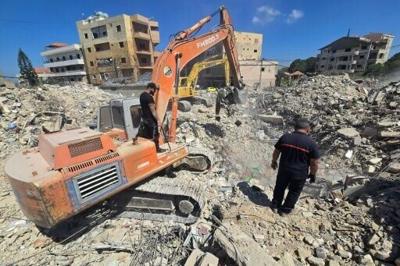
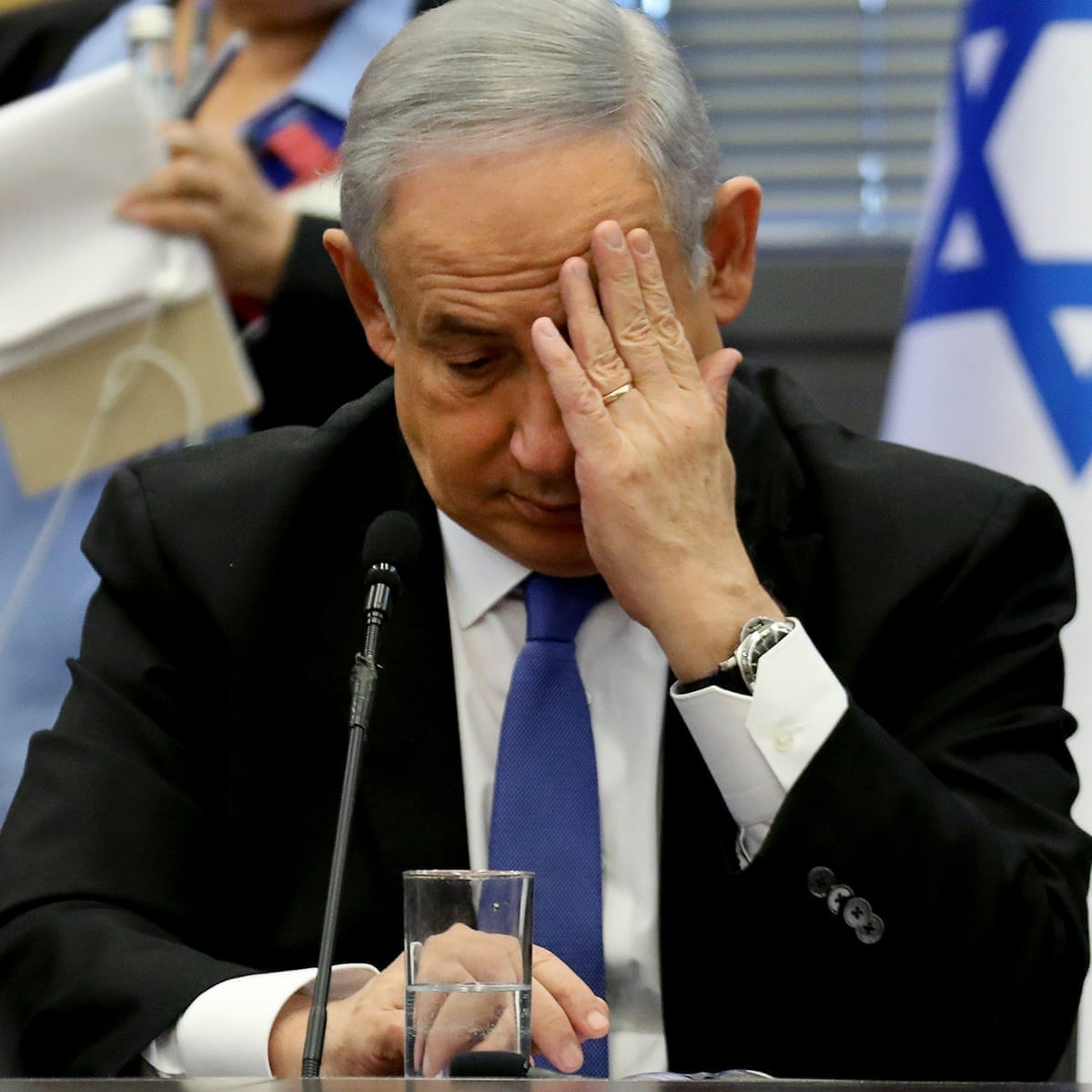
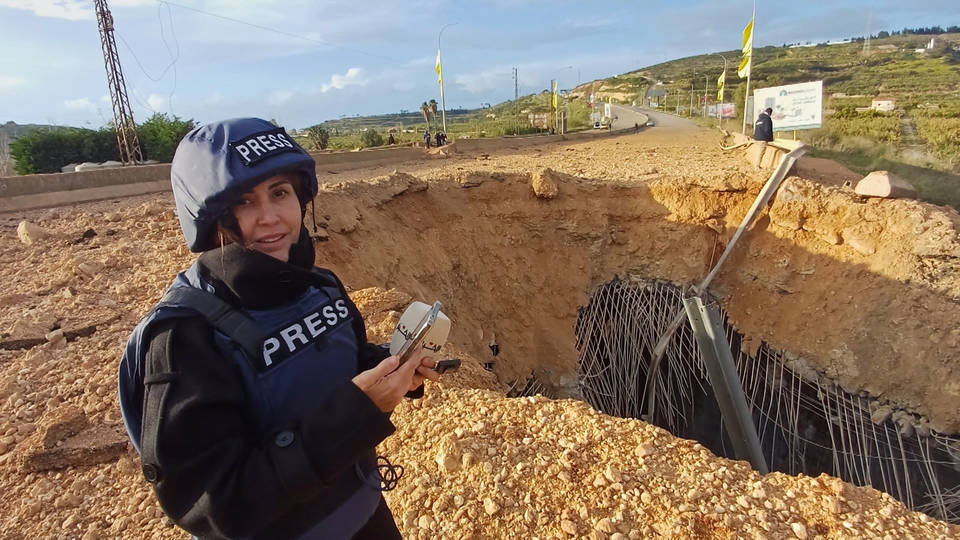
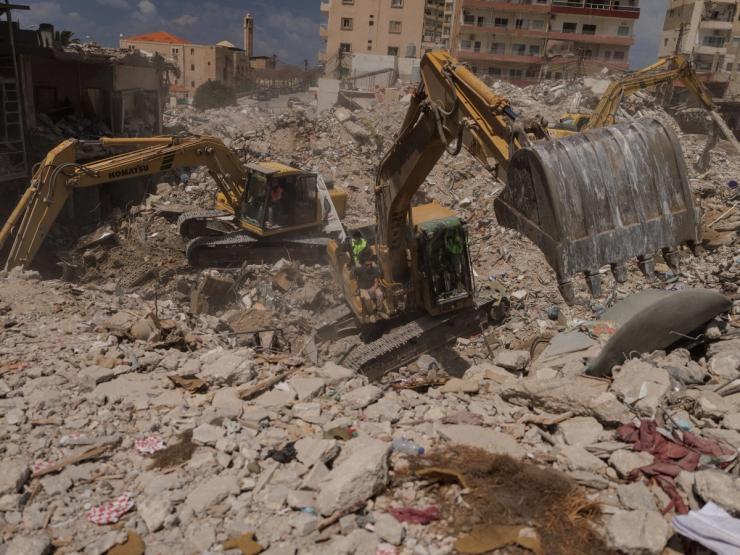
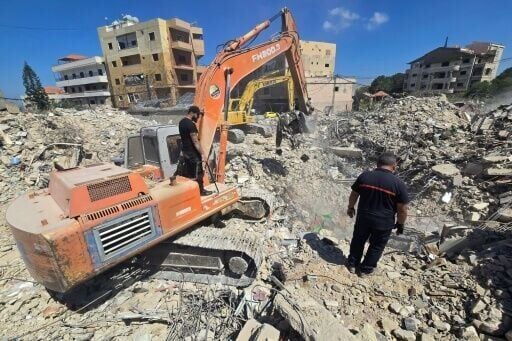
The death of prominent Lebanese journalist Amal Khalil during an Israeli airstrike in southern Lebanon on Wednesday represents a critical escalation in Middle East regional tensions with direct implications for cross-border e-commerce sellers. Khalil, who spent two decades covering Israel-Hezbollah conflicts for Al-Akhbar newspaper, was killed during an active ceasefire period—a violation that triggered widespread protests and raised international humanitarian concerns. This incident signals deteriorating stability in the Levant region, directly affecting sellers with supply chain exposure to Lebanon, Syria, and surrounding markets.
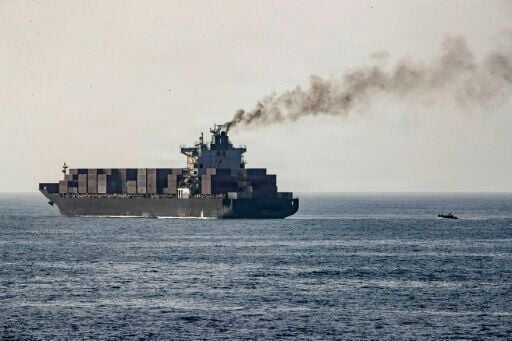
Supply Chain & Logistics Impact: The conflict escalation creates immediate operational challenges for sellers sourcing from or shipping to the MENA region. Lebanese ports and logistics infrastructure face disruption during active military operations, causing 15-25% shipping delays to the Levant. Sellers with inventory in Beirut warehouses or relying on Lebanese 3PL providers should immediately diversify to alternative hubs in Jordan, UAE, or Turkey. Shipping costs to conflict-affected zones typically increase 20-35% during escalation periods, compressing margins for sellers focused on price-sensitive categories like electronics, apparel, and home goods.
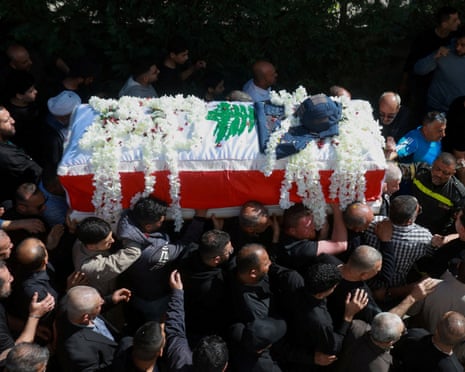
Consumer Behavior & Market Opportunity: The funeral gathering documented by The New York Times and attended by mourners expressing anger over civilian targeting reflects broader consumer activism in MENA markets. This signals growing demand for socially conscious products, ethical sourcing certifications, and brands demonstrating humanitarian commitment. Sellers can capitalize on this trend by highlighting fair-trade practices, conflict-free sourcing, and charitable partnerships in product listings targeting MENA audiences. Memorial and protest merchandise—including commemorative items, activist apparel, and documentary-related products—historically see 40-60% sales spikes during high-profile conflict incidents. Categories like books about Middle East journalism, documentary films, and educational materials about press freedom typically experience 3-6 month demand surges following major incidents.
Regional Market Dynamics: Lebanon's economy, already fragile before this incident, faces additional pressure from conflict uncertainty. Consumer purchasing power in the Levant typically contracts 10-15% during active military operations, shifting demand toward essential goods and away from discretionary categories. However, sellers offering emergency preparedness products, communication devices, and security-related items may see 25-40% volume increases in conflict-adjacent regions. The temporary ceasefire framework suggests potential for rapid market reopening if diplomatic efforts succeed, creating opportunities for sellers to pre-position inventory in anticipation of post-conflict demand recovery.
Platform & Advertising Considerations: Amazon, eBay, and Shopify typically implement content moderation policies during major conflict events, restricting certain product categories and limiting advertising in affected regions. Sellers should audit listings for conflict-sensitive keywords and adjust PPC campaigns to avoid appearing insensitive during memorial periods. Conversely, educational and humanitarian-focused content performs well during these periods, with CPCs typically 15-20% lower for socially conscious messaging.
Questions 8
What immediate actions should sellers take following the April 2026 escalation?
Within 7 days: Verify OFAC/sanctions compliance status and audit all active transactions. Within 14 days: Contact 3PL providers for alternative routing options and cost estimates. Within 30 days: Reduce inventory allocation to affected markets by 30-50% and establish safety stock buffers. Within 60 days: Complete supply chain diversification audit and negotiate alternative sourcing agreements. Document all actions for regulatory compliance and maintain communication with legal counsel regarding ongoing geopolitical developments.
What supply chain diversification strategies should sellers implement for MENA exposure?
Sellers with significant MENA supply chain exposure should immediately diversify warehouse locations away from conflict zones. Primary alternatives include Jordan (Aqaba port), UAE (Dubai/Jebel Ali ports), and Turkey (Istanbul ports), which offer 2-3 day shipping advantages to Levant markets compared to Lebanese routes. Contact 3PL providers to confirm warehouse locations and establish backup shipping routes within 7 days. Implement inventory split strategy: 60% in primary hub, 40% in backup location to mitigate single-point-of-failure risk. Negotiate long-term freight rate agreements with multiple carriers to lock in costs during volatile periods. Monitor geopolitical risk indices and establish trigger points for inventory reallocation (e.g., when conflict risk scores exceed 7/10). Budget 5-8% additional working capital for diversification costs and expect 2-3 week implementation timeline.