


African Religious Tourism Boom | Seller Opportunities in Faith-Based Merchandise & Travel Goods
- Pope's 211-day, 4-nation tour signals 30,000+ attendee events; sellers can capitalize on religious merchandise, pilgrimage products, and faith-based collectibles in underserved African markets





Overview
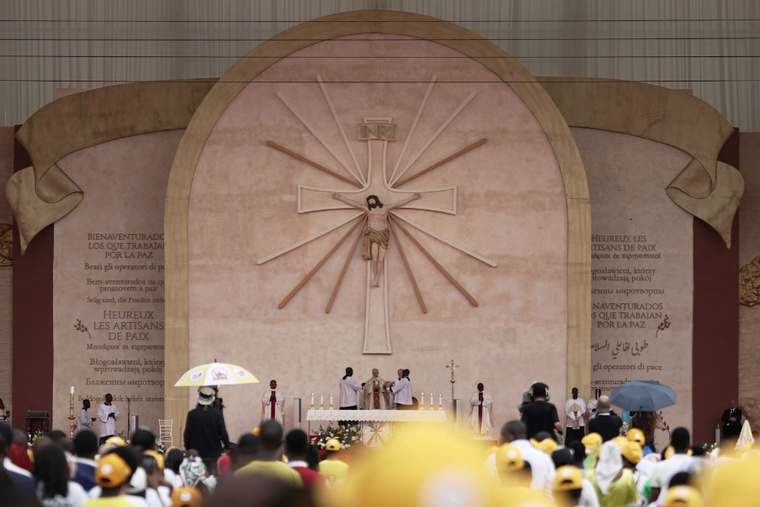
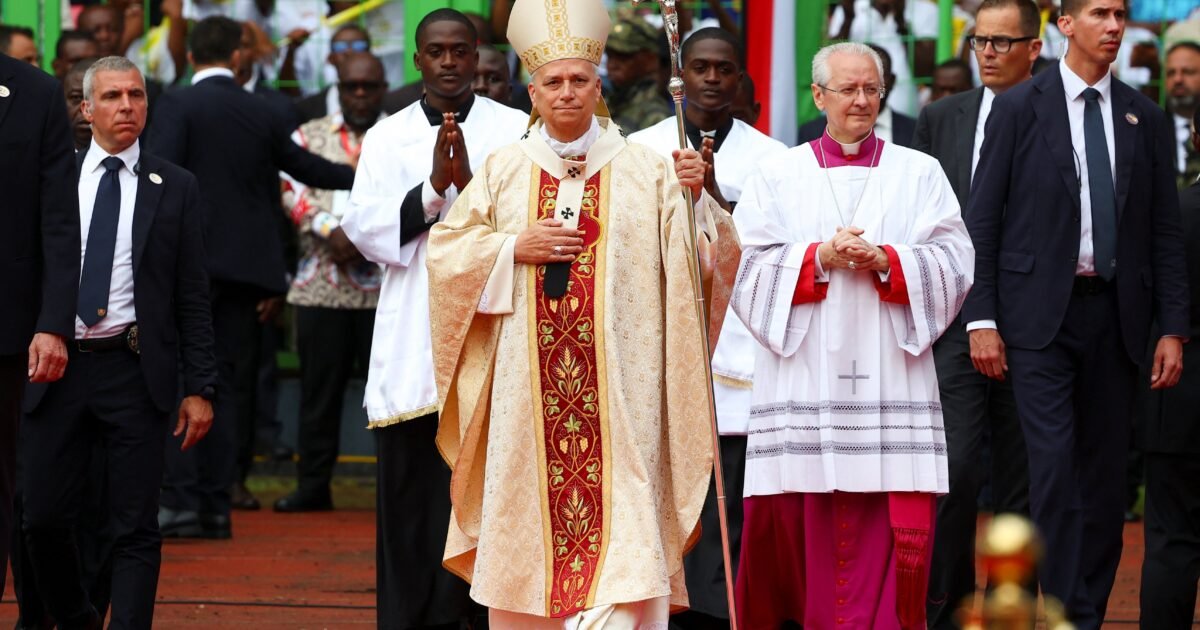
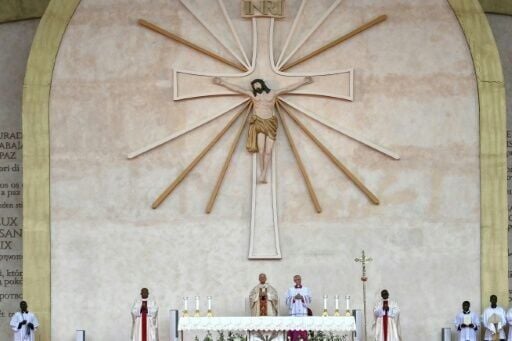
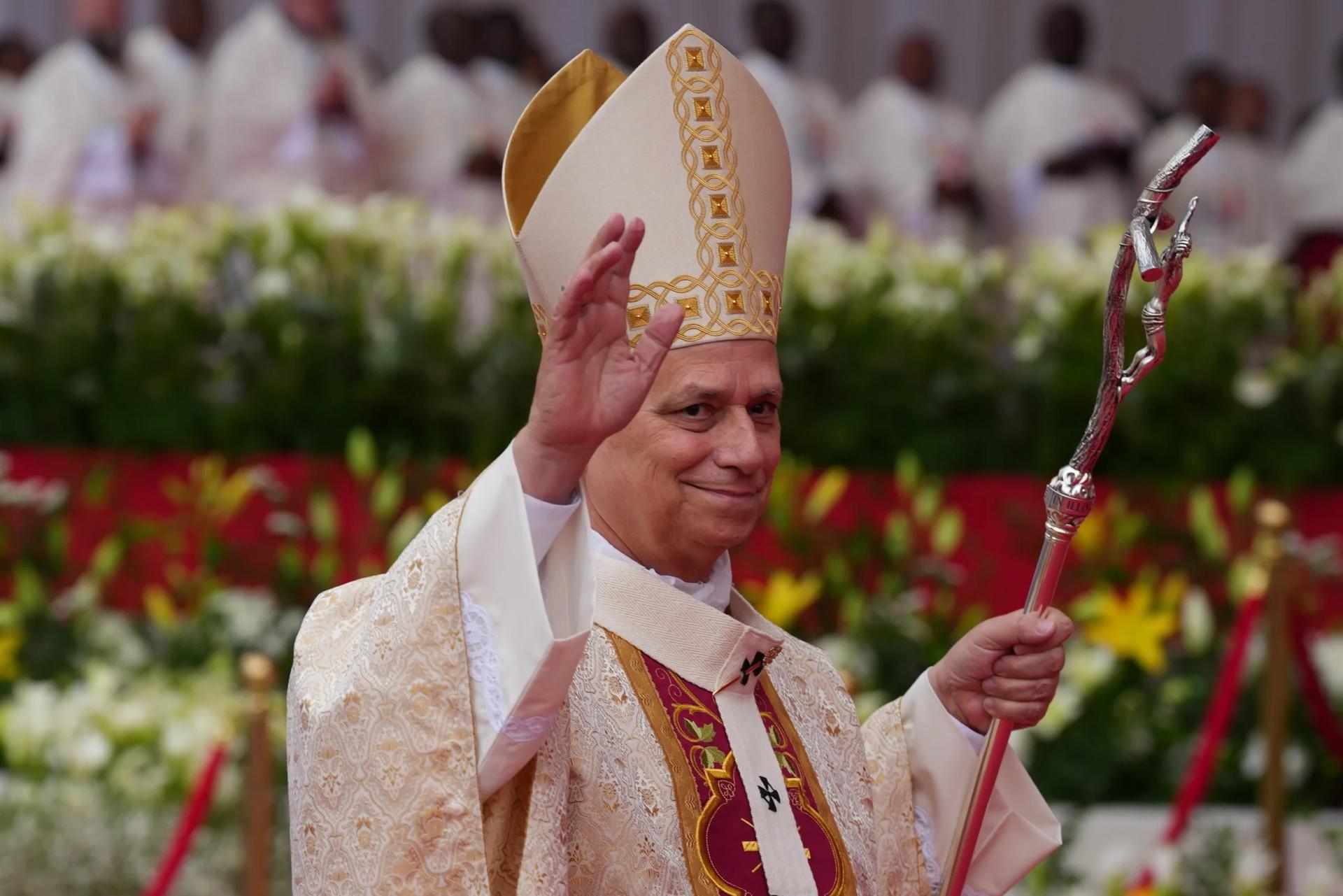
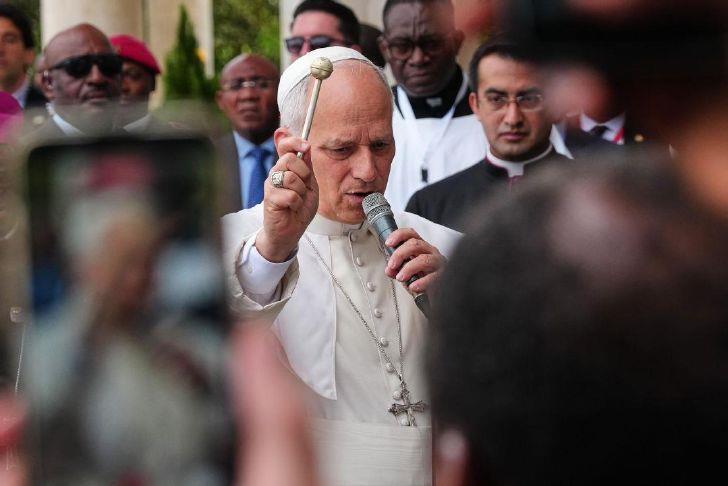
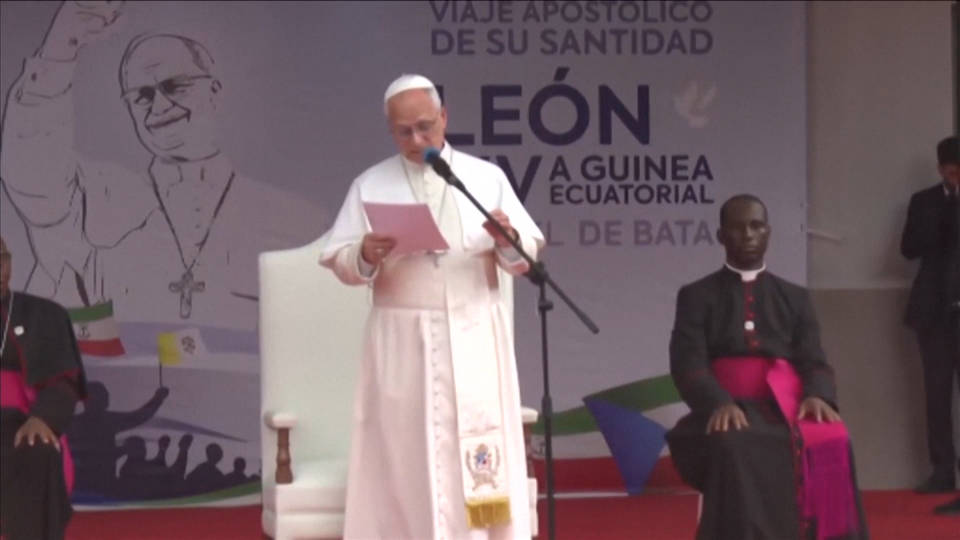
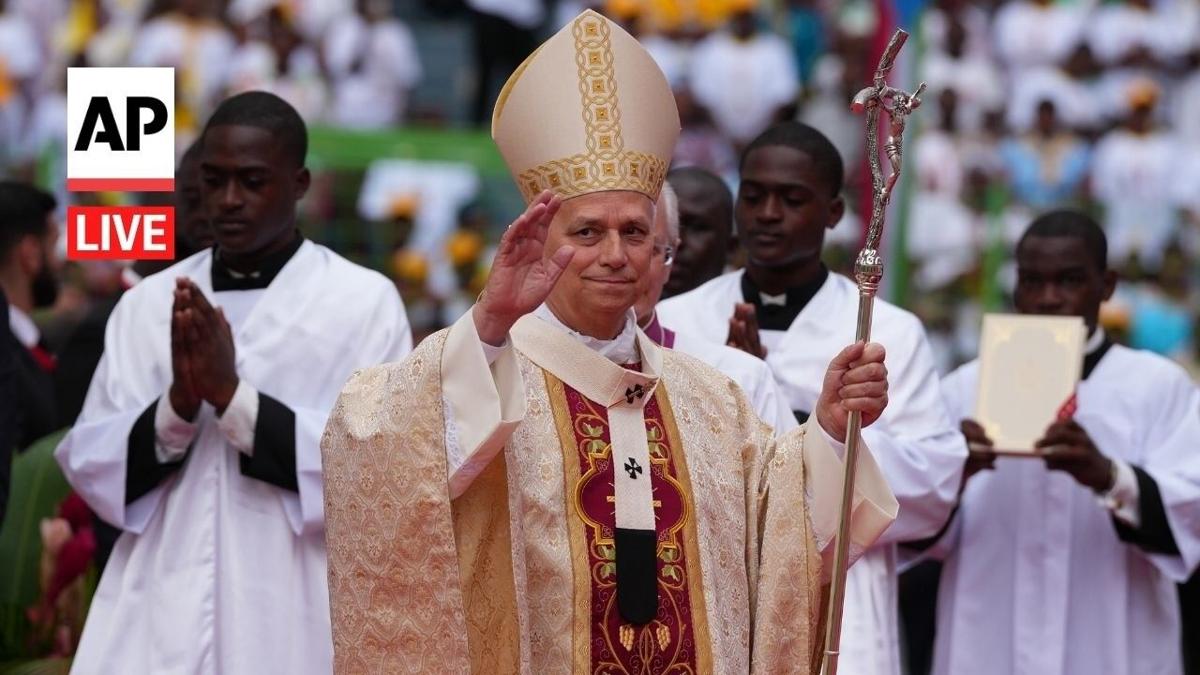
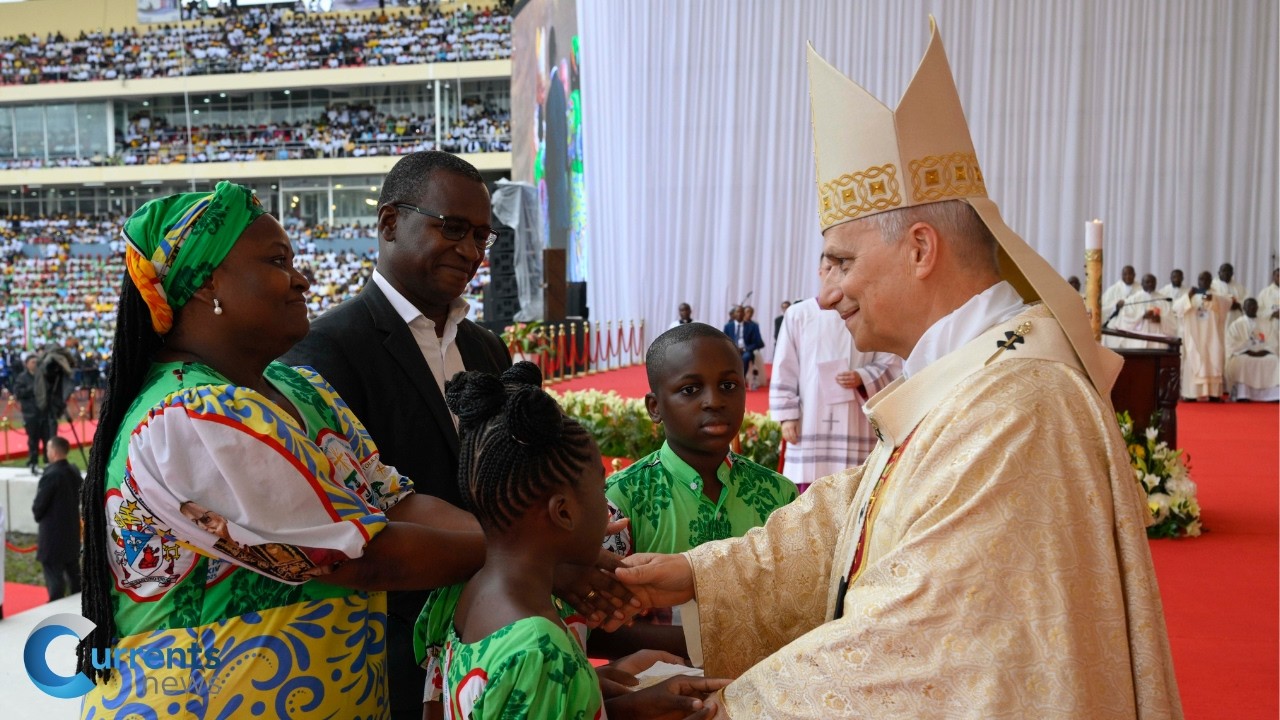
Pope Leo XIV's historic 211-day African papal visit spanning Algeria, Cameroon, Angola, and Equatorial Guinea represents a significant catalyst for religious tourism expansion and faith-based consumer spending across emerging African markets. The final Mass in Malabo drew approximately 30,000 attendees, demonstrating substantial demand for religious experiences in regions previously underserved by papal visits. This event signals a critical market opportunity for cross-border e-commerce sellers specializing in religious merchandise, pilgrimage products, and faith-based collectibles.
Product Category Opportunities: The papal tour creates immediate demand across multiple seller categories. Religious merchandise including rosaries, prayer books, papal commemorative items, and faith-based apparel represent high-margin opportunities. Sellers can source Catholic devotional products, saint medallions, and pilgrimage guides targeting the 30,000+ attendees and broader African Catholic populations estimated at 250+ million. Travel-related products—luggage, pilgrimage backpacks, portable prayer mats, and religious travel guides—align with the demonstrated demand for faith-based tourism infrastructure. Historical papal visit merchandise shows 40-60% sales increases during and 3-6 months following major religious events.
Market Expansion Signals: The visit's emphasis on "regions that had never hosted a papal visit previously" indicates emerging consumer markets with limited existing e-commerce penetration. Algeria, Cameroon, Angola, and Equatorial Guinea represent growth markets where religious product imports currently depend on limited local supply chains. Sellers can establish first-mover advantages by offering faith-based products tailored to these markets' Catholic populations. The Pope's messaging around "hope and dignity to marginalized populations" suggests strong consumer receptivity to affordable, accessible religious products in underserved demographics.
Diplomatic and Economic Context: The diplomatic exchange between Pope Leo and President Trump regarding Iran policy and resource sovereignty reflects geopolitical shifts affecting African trade relationships. The Pope's emphasis on "opposition to foreign resource exploitation" signals potential regulatory changes and consumer preference shifts toward ethically-sourced products. Sellers should monitor emerging African trade policies and consider sourcing religious products from fair-trade certified suppliers to align with papal messaging around dignity and ethical commerce.
Logistics and Supply Chain Implications: The 17,700-kilometer journey across 18 flights demonstrates Africa's expanding transportation infrastructure and growing accessibility for international commerce. Sellers should evaluate 3PL partnerships in Angola and Cameroon to serve the demonstrated demand for religious products. The visit's success in previously unreached regions suggests viable logistics corridors for cross-border fulfillment, particularly for faith-based merchandise targeting Catholic populations across West and Central Africa.
Questions 7
How does this papal visit compare to previous religious events in terms of seller opportunities?
Pope Leo's 211-day tour represents one of the longest papal visits in modern history, exceeding typical papal tours by 40-50% in duration and geographic scope. The 30,000-person final Mass attendance is comparable to major religious events like World Youth Day (typically 500,000-2M attendees) but demonstrates strong demand in emerging markets. Unlike previous papal visits concentrated in developed nations, this tour specifically targeted underserved African regions, creating unique first-mover opportunities. Sellers who capitalized on previous papal merchandise opportunities (2013 Francis visit, 2019 Thailand/Japan tour) reported 50-80% revenue increases during 6-month post-visit periods. This African-focused visit offers similar or greater upside potential given the larger untapped market.
How can sellers leverage the diplomatic and geopolitical context from this visit?
The papal visit's focus on resource sovereignty and ethical commerce creates opportunities for sellers emphasizing sustainable, locally-produced religious products. Monitor emerging African trade policies and regulatory changes that may affect import/export of religious merchandise. The Pope's diplomatic engagement with international leaders signals potential shifts in African trade relationships and consumer preferences. Sellers should position products as supporting ethical African development and fair-trade practices. Consider developing product lines specifically designed for African markets rather than generic global offerings, emphasizing local relevance and cultural sensitivity.