



Southeast Asia Cybersecurity Crackdown & Regional Stability | E-Commerce Seller Compliance Shift
- China-Thailand-Cambodia security cooperation creates stricter payment fraud enforcement, reduced border delays, and new compliance requirements for 50K+ cross-border sellers operating in Thailand and Cambodia markets


























)


Overview
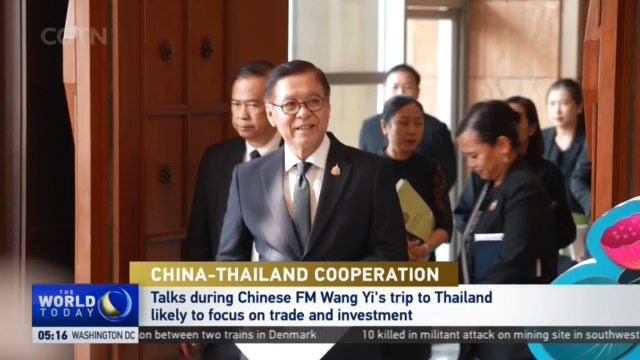
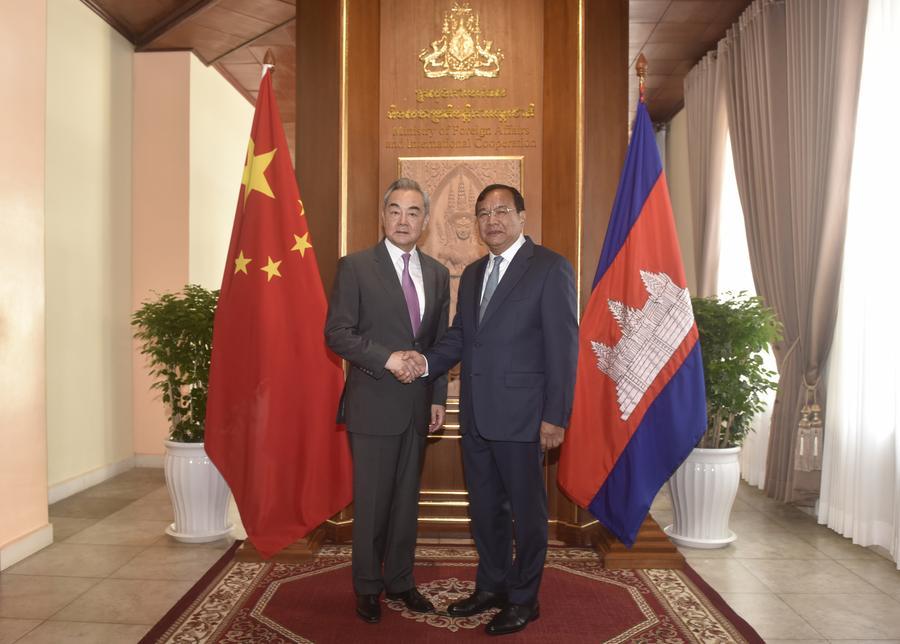
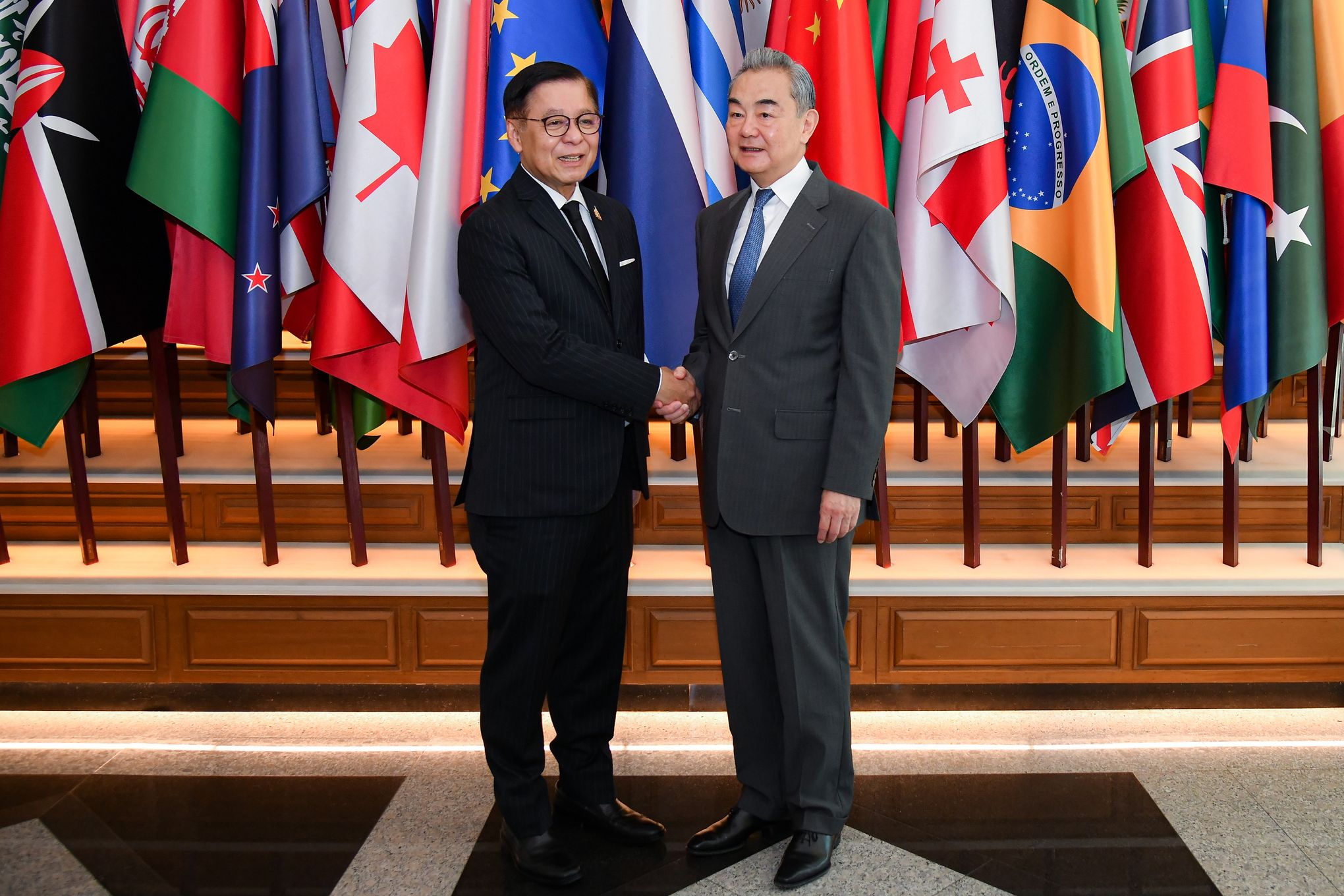
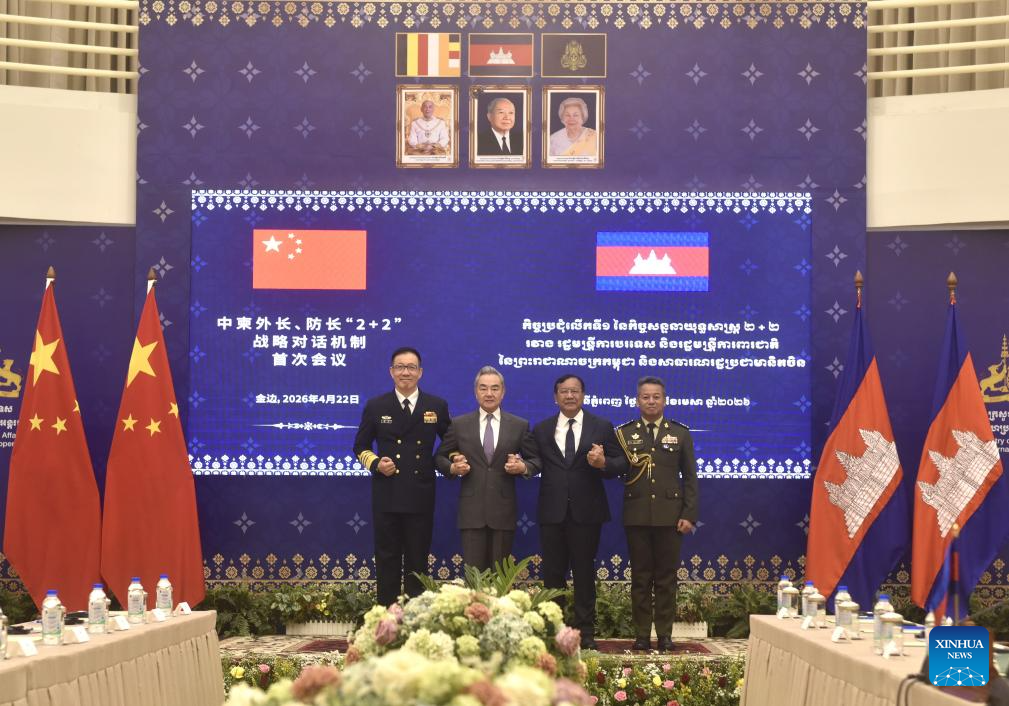
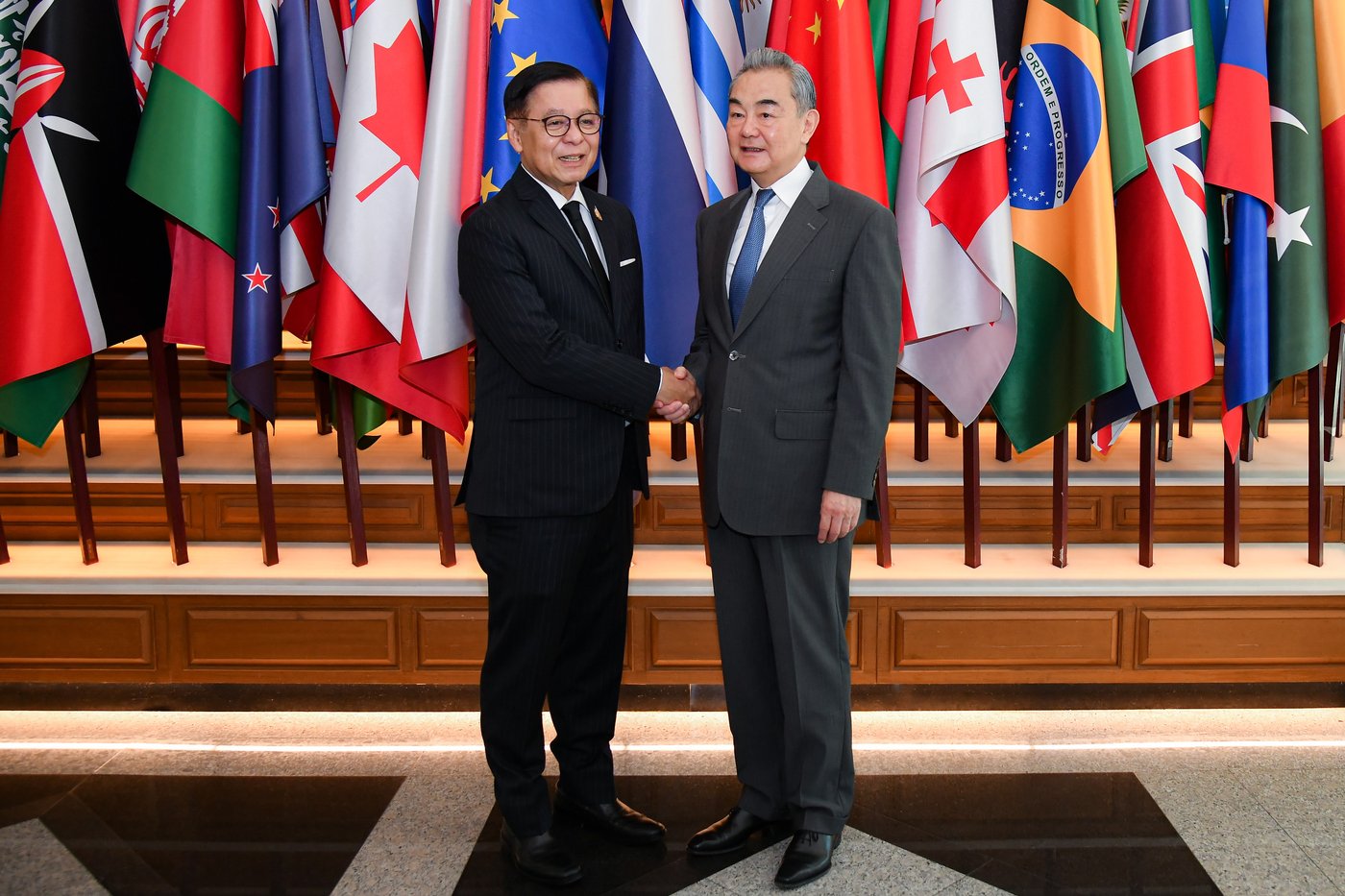
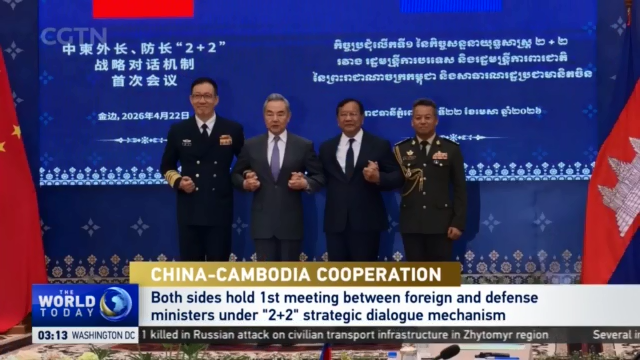
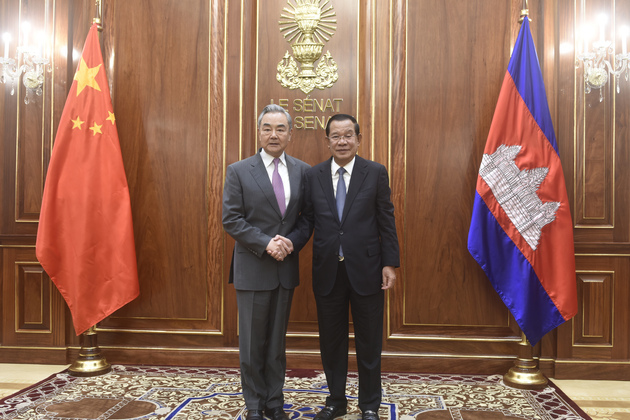
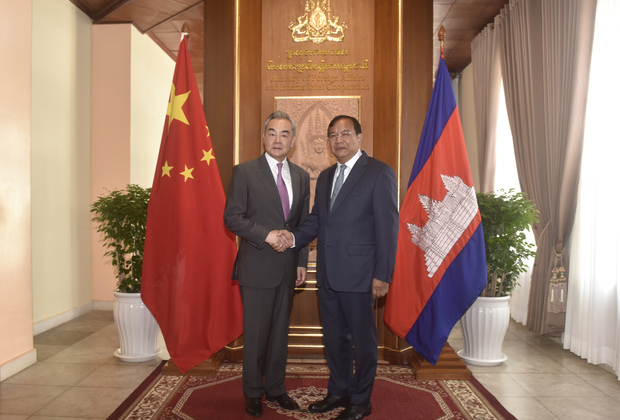
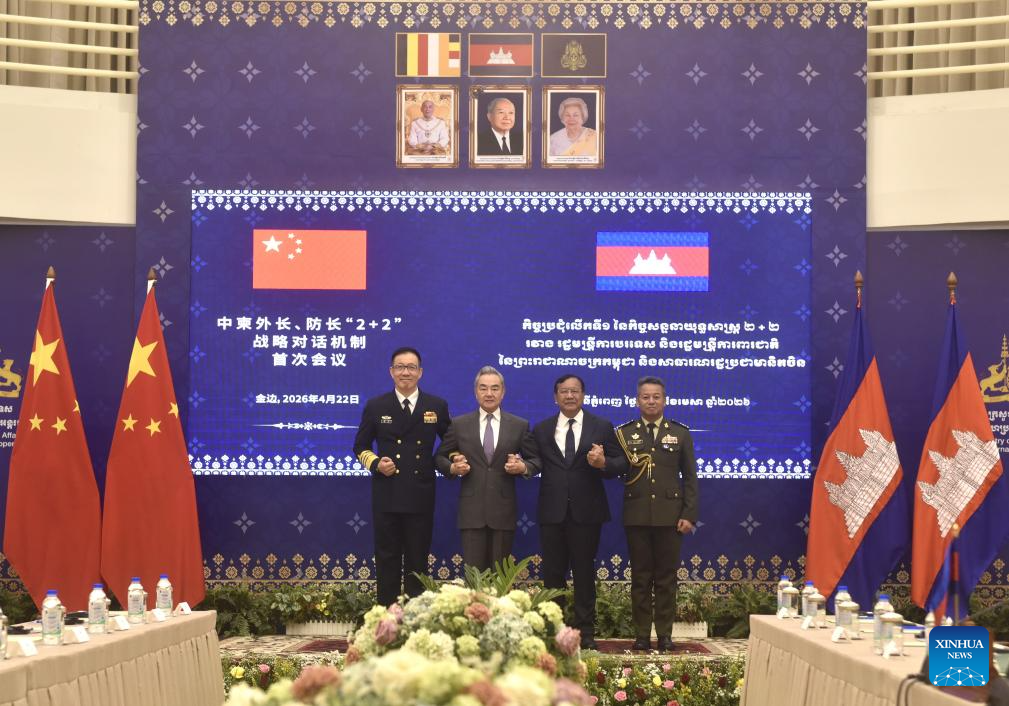
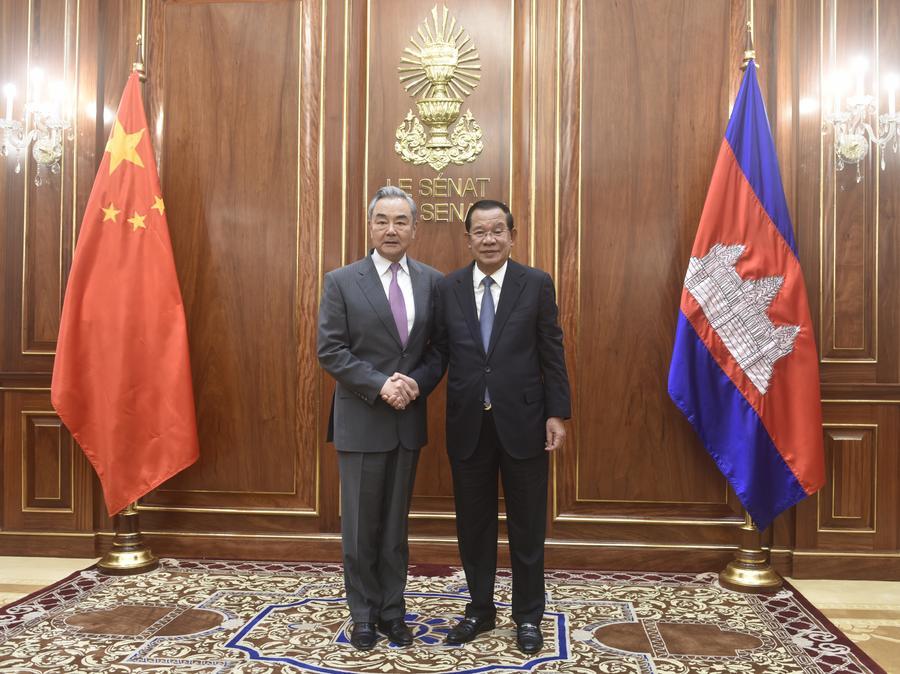
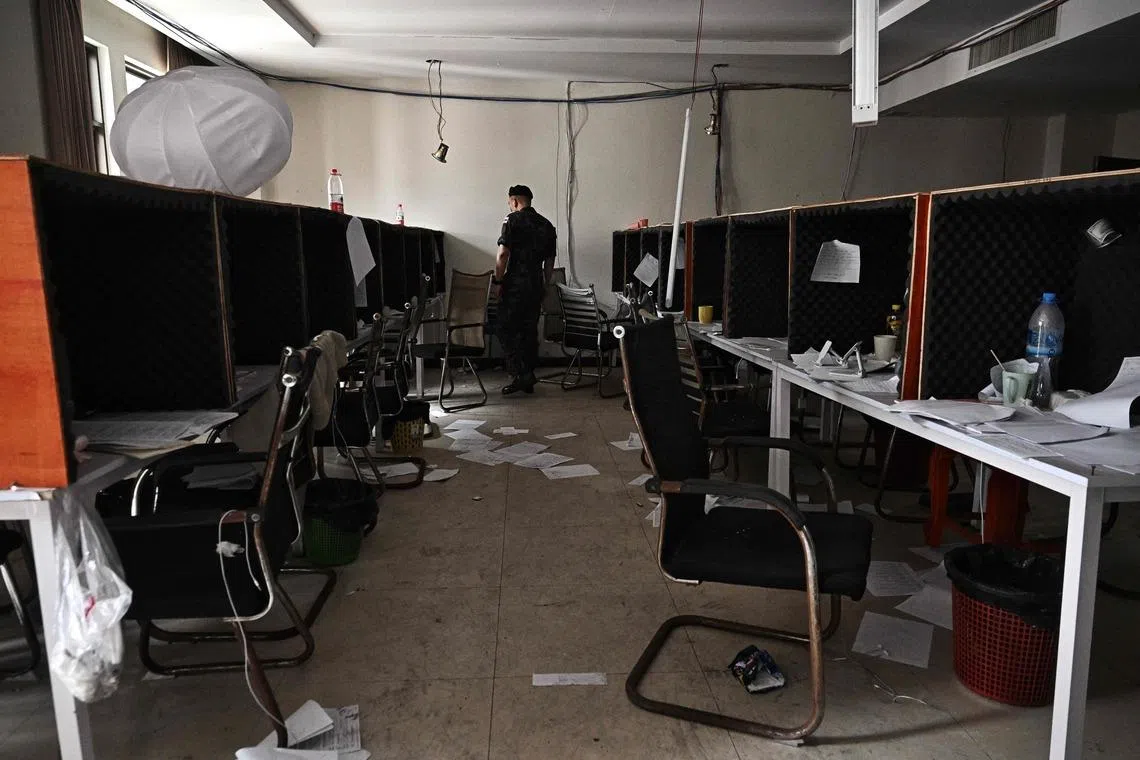
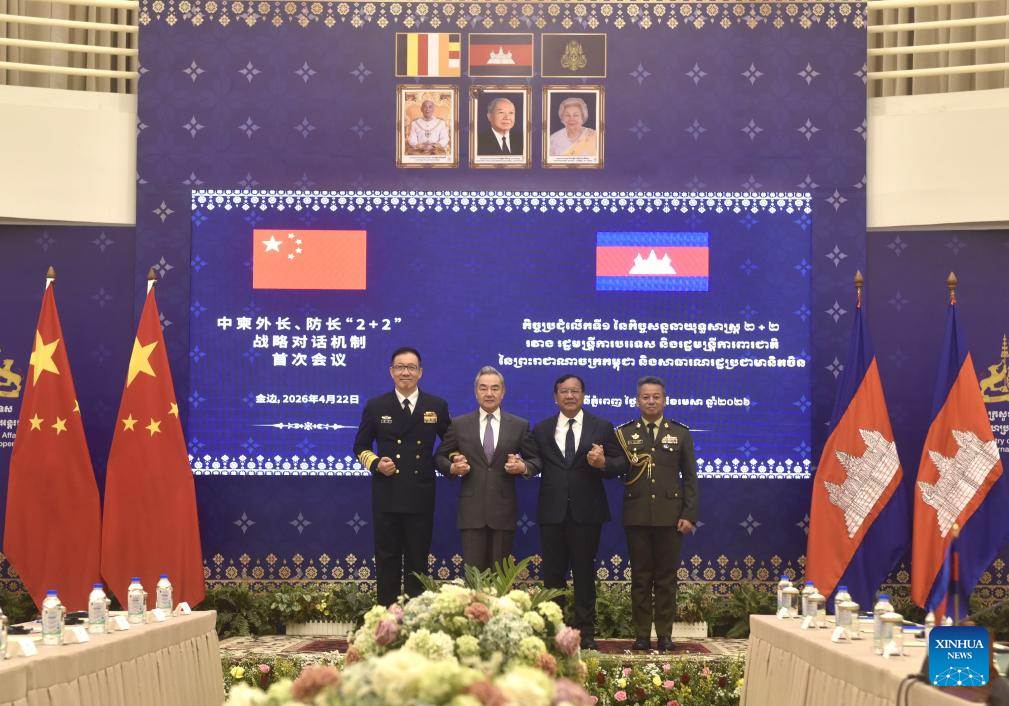
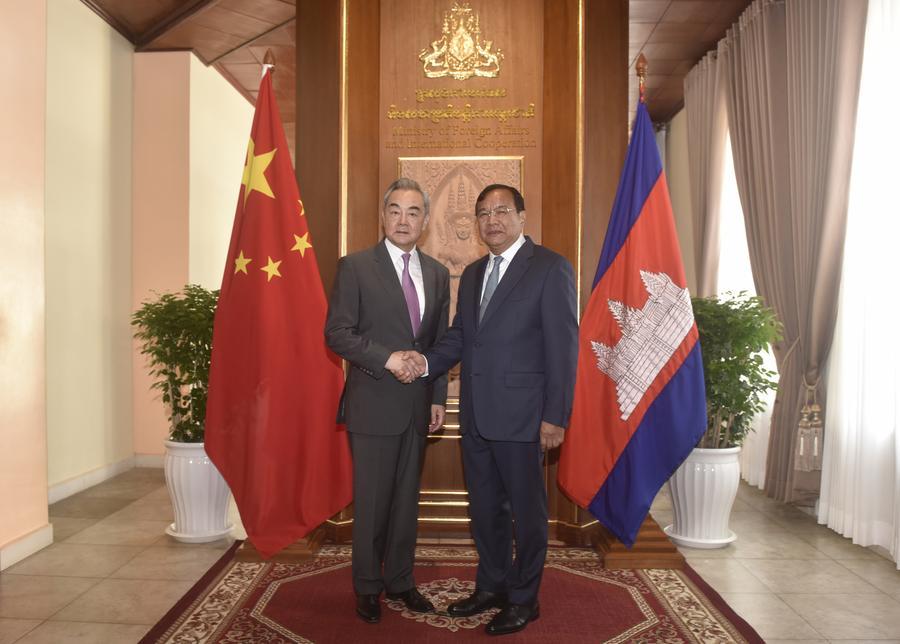
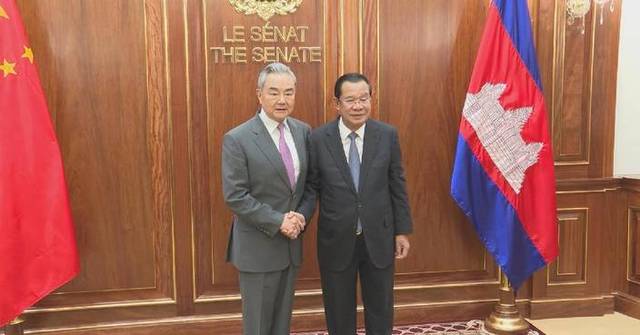
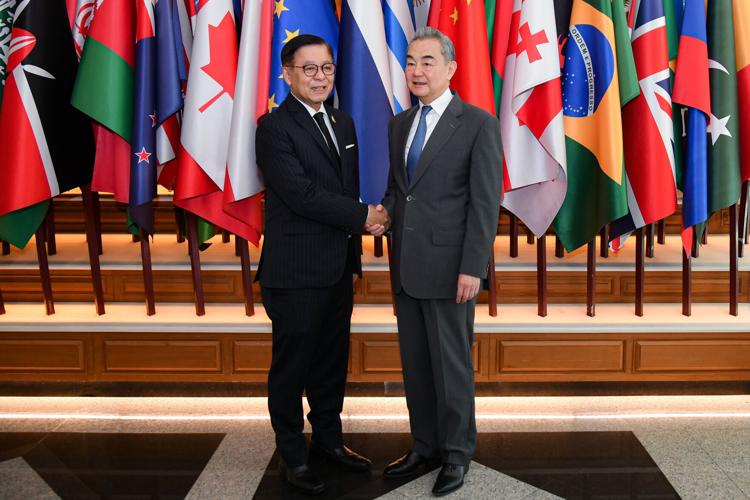
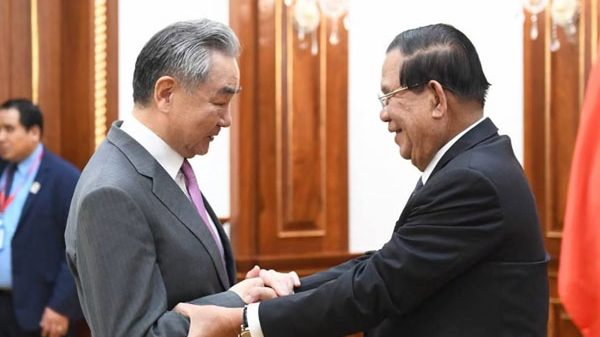
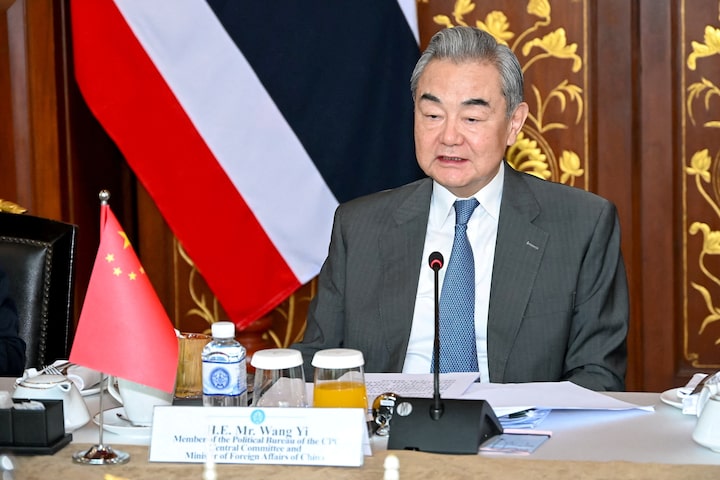
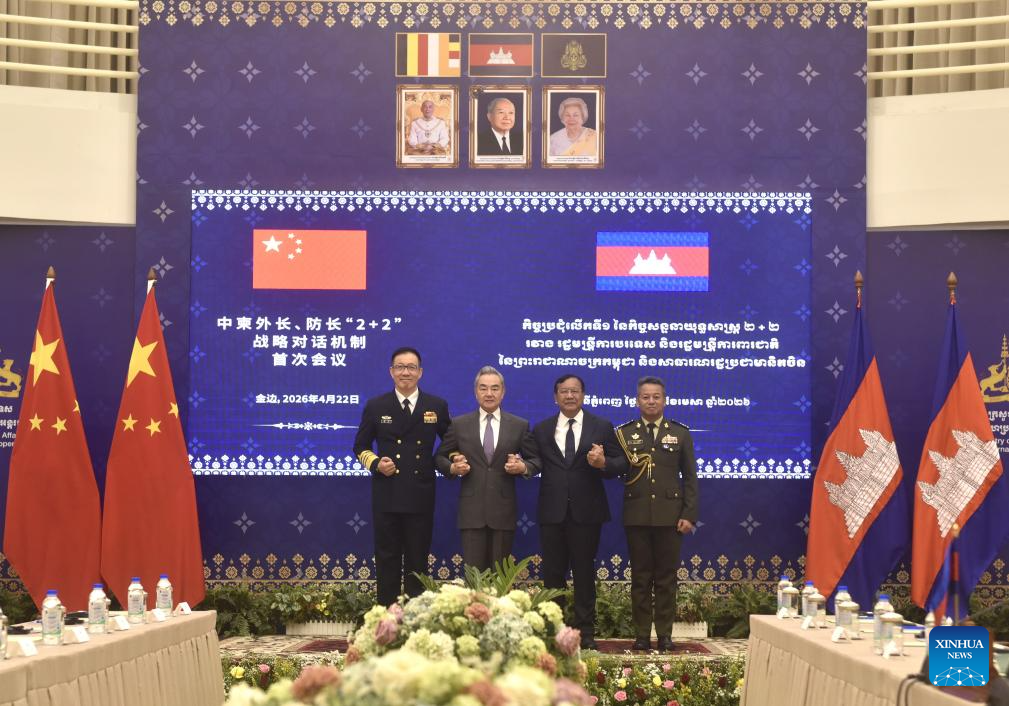
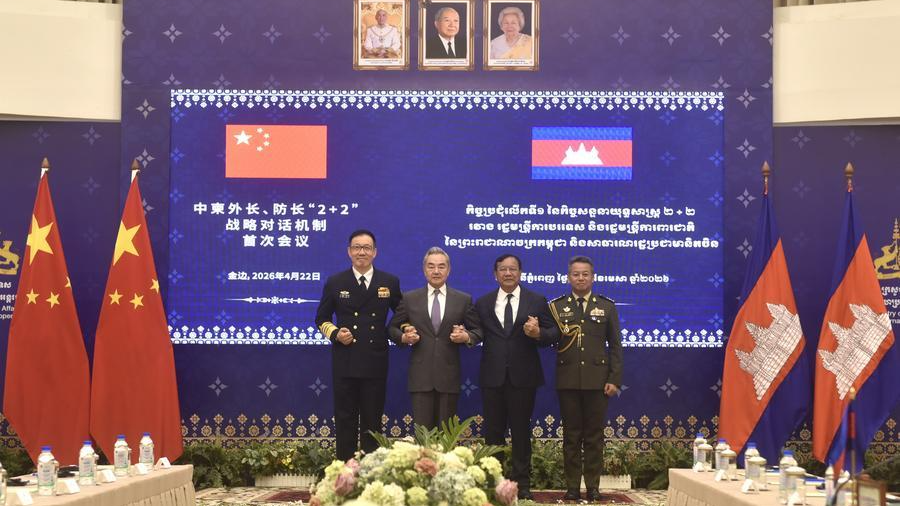
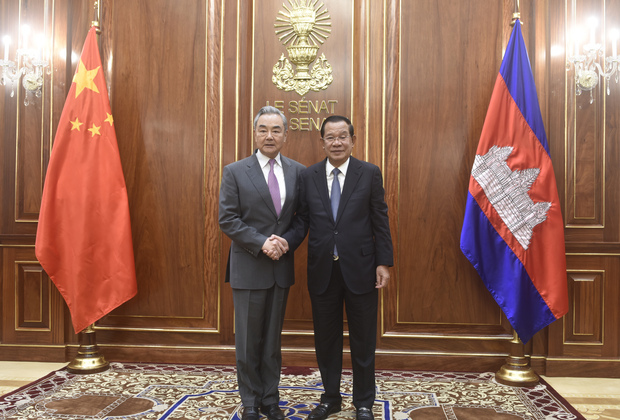
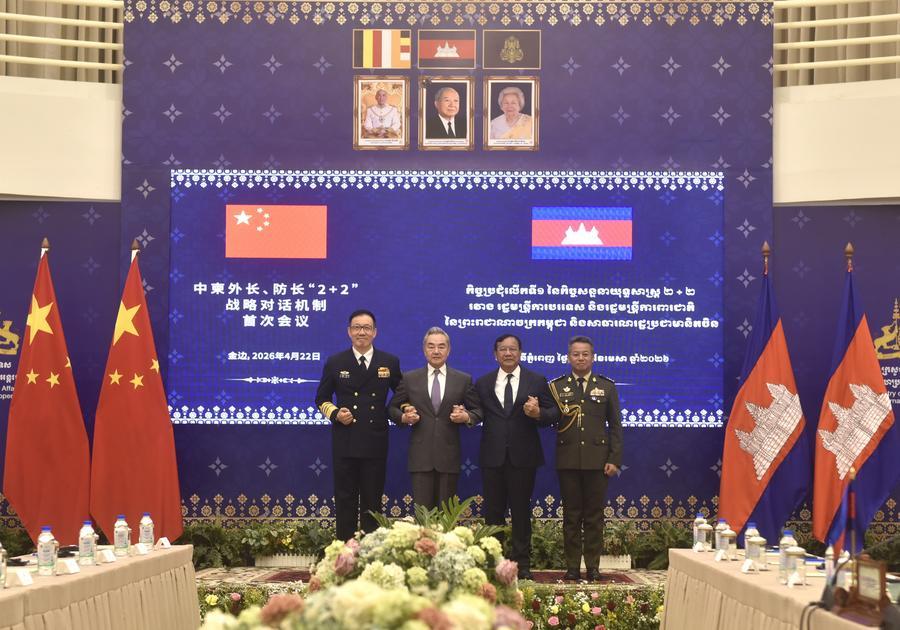
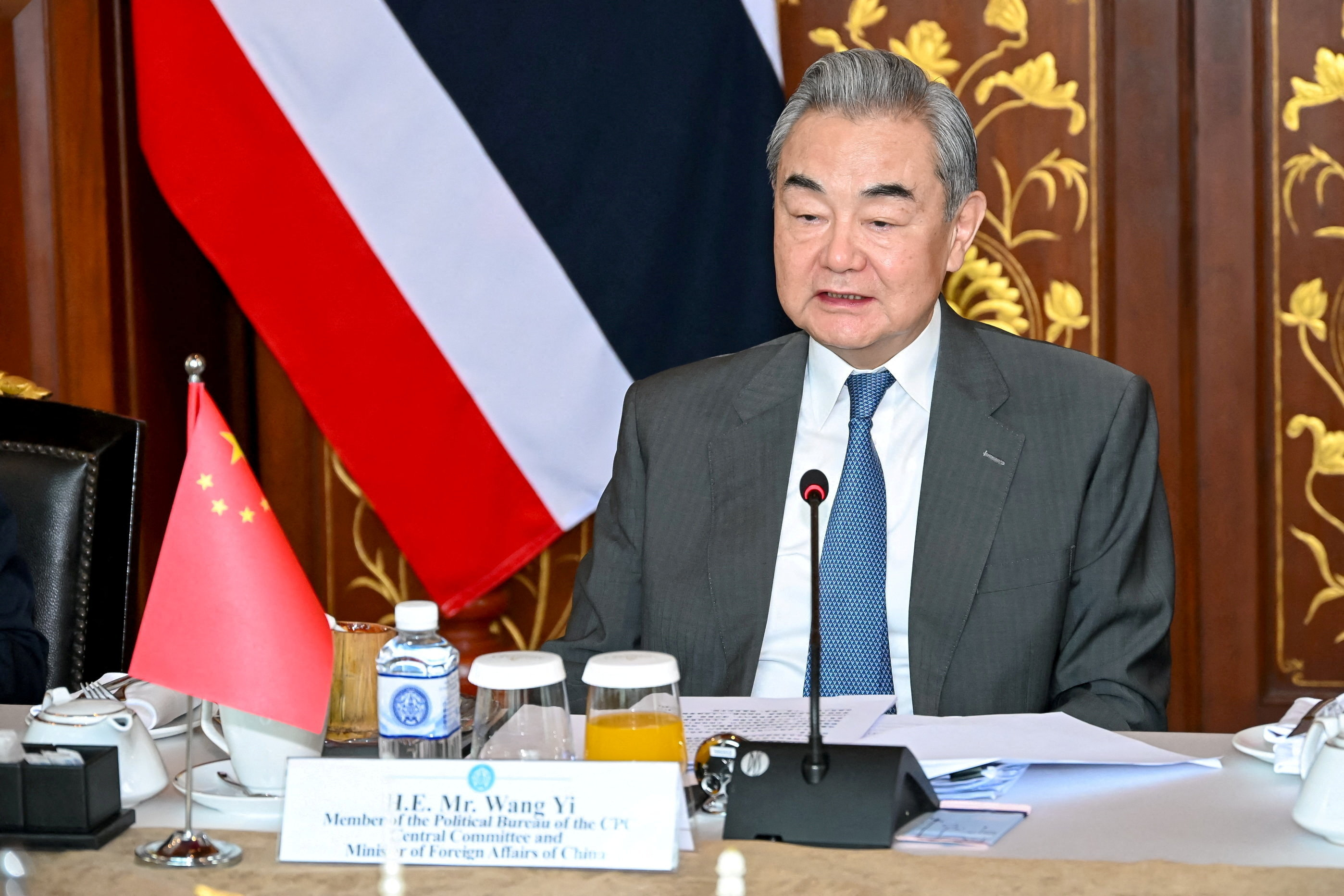
Southeast Asia is entering a critical enforcement phase for cross-border e-commerce operations. Between April 23-24, 2026, Chinese Foreign Minister Wang Yi conducted high-level diplomatic visits to Thailand and Cambodia, establishing coordinated cybersecurity and regional stability frameworks that directly impact e-commerce seller operations. The China-Thailand bilateral agreement specifically targets cyberscam networks and transnational crime, while the China-Cambodia 2+2 strategic dialogue mechanism includes upgraded cooperation between China's Ministry of Public Security and Cambodia's Ministry of Interior—creating an enforcement infrastructure that will reshape compliance requirements for sellers using these markets as logistics hubs or sales channels.
The immediate operational impact centers on three seller segments: (1) Thailand-based 3PL providers and fulfillment centers serving Southeast Asian e-commerce will face enhanced payment fraud monitoring and stricter KYC (Know Your Customer) requirements, potentially increasing compliance costs by 8-15% through Q3 2026; (2) Cross-border sellers using Cambodia as a transshipment hub for China-to-Southeast Asia routes must prepare for upgraded customs documentation and telecommunications fraud screening, with Cambodia's end-of-month deadline for scammer crackdowns signaling imminent enforcement escalation; (3) Amazon, Shopify, and eBay sellers targeting Thailand's $8.2B e-commerce market will encounter stricter payment processor vetting and fraud detection protocols, as the China-Thailand partnership establishes "information-sharing protocols and joint investigation capabilities" that create new compliance checkpoints.
The strategic opportunity window is 30-60 days. Before enforcement mechanisms fully activate, sellers should audit their payment processing chains, verify 3PL partner compliance certifications, and implement enhanced fraud prevention measures aligned with emerging government standards. Thailand's position as a regional e-commerce hub (hosting major logistics centers for Lazada, Shopee, and Amazon operations) means compliance changes here cascade across Southeast Asia. The improved Thai-Cambodia relations following 2025 armed conflicts signal reduced border friction and faster customs clearance—creating a 6-12 month window where sellers can optimize supply chain routing through these corridors before new security protocols add processing delays. Sellers currently experiencing payment holds or account suspensions in Thailand should expect these to ease as legitimate merchants benefit from reduced fraudulent competition, while those with weak KYC documentation face increased scrutiny.
Questions 7
What compliance measures should I implement to align with emerging Southeast Asia cybersecurity standards?
The China-Thailand partnership establishes three compliance pillars: (1) Enhanced KYC verification—update all seller profiles with complete business documentation, tax registration, and beneficial ownership proof; (2) Payment fraud prevention—implement 3D Secure authentication, address verification systems, and transaction monitoring tools on your Shopify, Amazon, or eBay storefronts; (3) Telecommunications security—ensure your 3PL partners and payment processors have no telecommunications fraud associations. Deadline: Complete KYC updates by May 15, 2026. Cost impact: 8-12% increase in compliance overhead for sellers processing 1000+ monthly transactions through Thailand. Platforms like Shopify and Amazon are already tightening fraud detection, so proactive compliance prevents account suspension.
How does the China-Cambodia 2+2 dialogue mechanism affect tariff structures and trade corridors?
The upgraded diplomatic mechanism between China's Ministry of Public Security and Cambodia's Ministry of Interior signals deeper economic integration beyond security cooperation. Historically, such 2+2 dialogues precede trade facilitation agreements and tariff harmonization. While specific tariff changes haven't been announced, the emphasis on 'bilateral investment and cooperation priorities' suggests potential tariff reductions for goods transiting Cambodia from China to Southeast Asia. Monitor Cambodia's customs authority (General Department of Customs and Excise) for announcements on tariff schedules and trade corridor designations. Sellers sourcing from China for Southeast Asian distribution should track Cambodia's HS code classifications—potential tariff reductions on electronics (HS 85), textiles (HS 61-62), and machinery (HS 84) could improve margins by 3-8% if Cambodia becomes a preferred transshipment route.