
Bay Area Grocery Store Closures Create Senior Living Boom | Retail Consolidation Reshapes Neighborhood Commerce
- Albertsons/Safeway converting 6+ grocery properties to housing; Oakland Trader Joe's permanent closure eliminates 1.5-acre retail footprint; 415-unit senior living facility signals demographic shift in consumer spending patterns


Overview
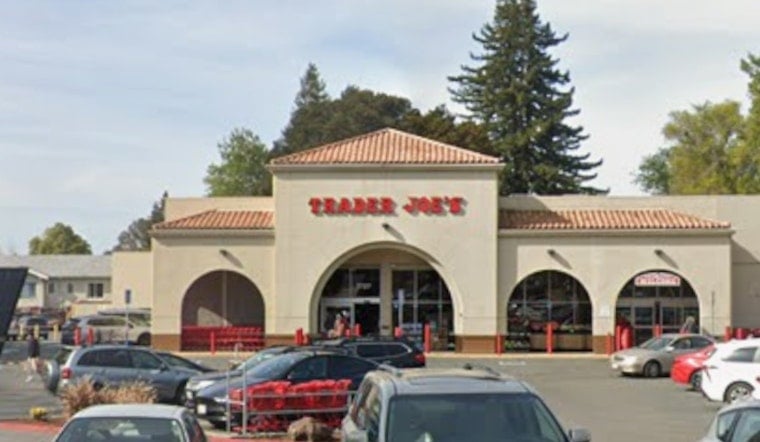
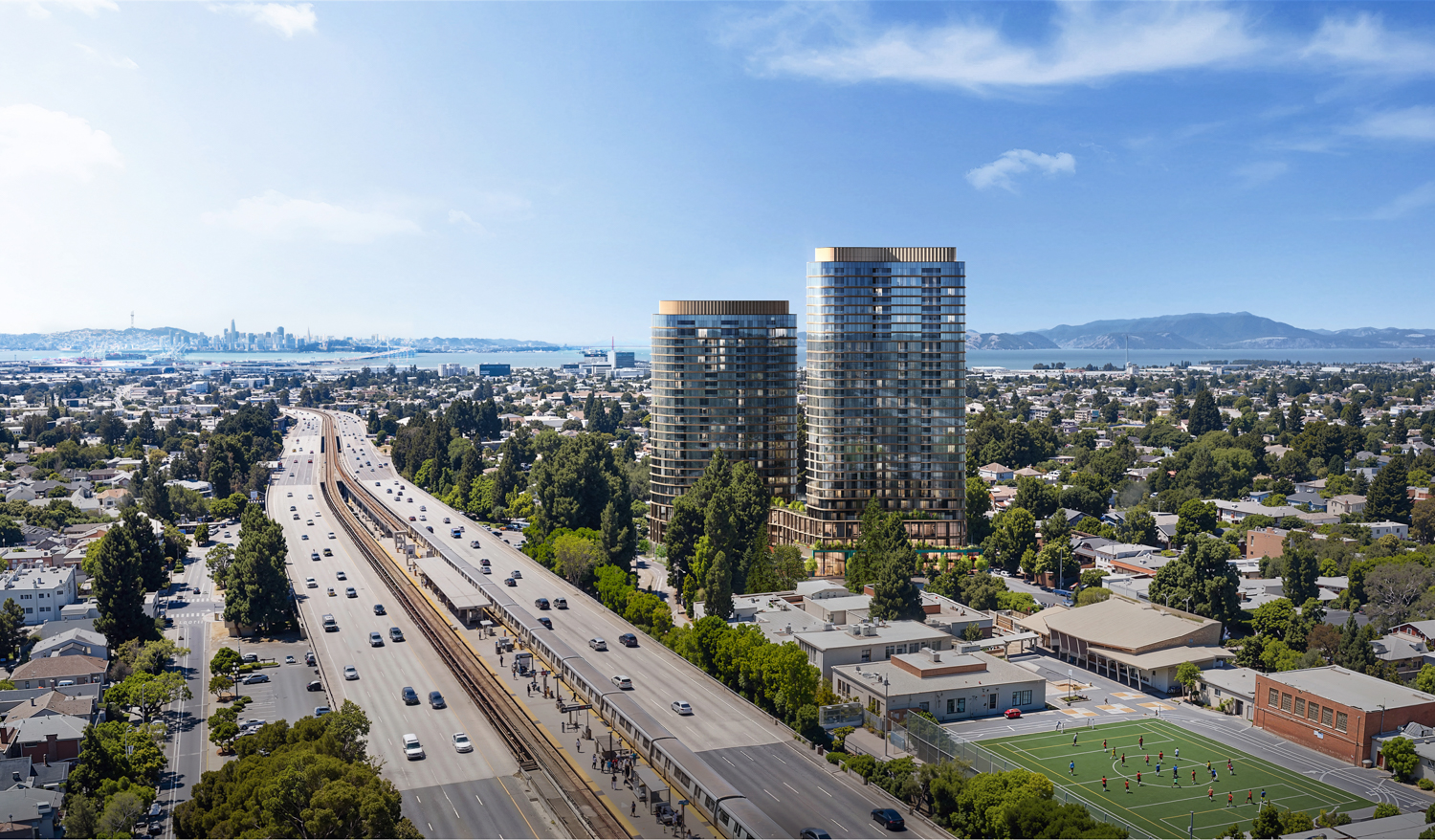
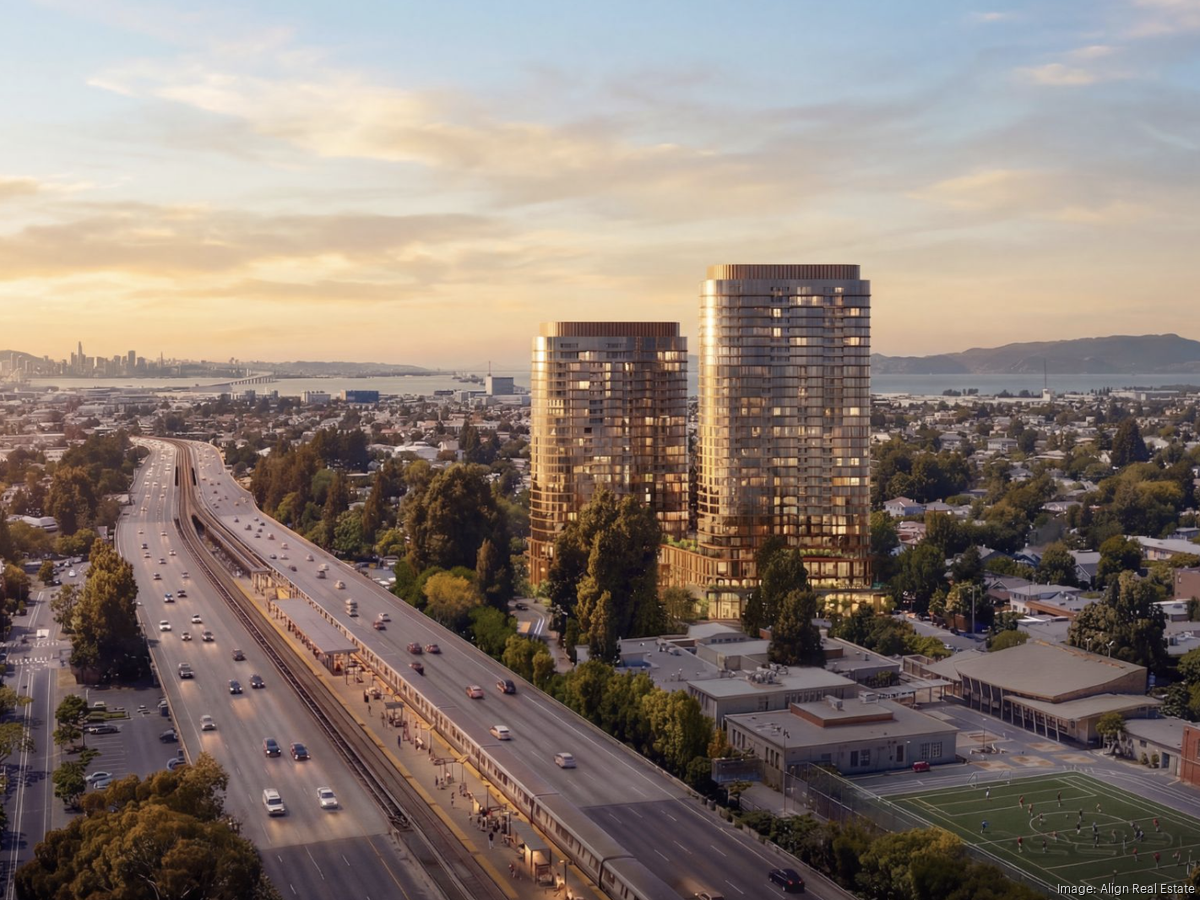
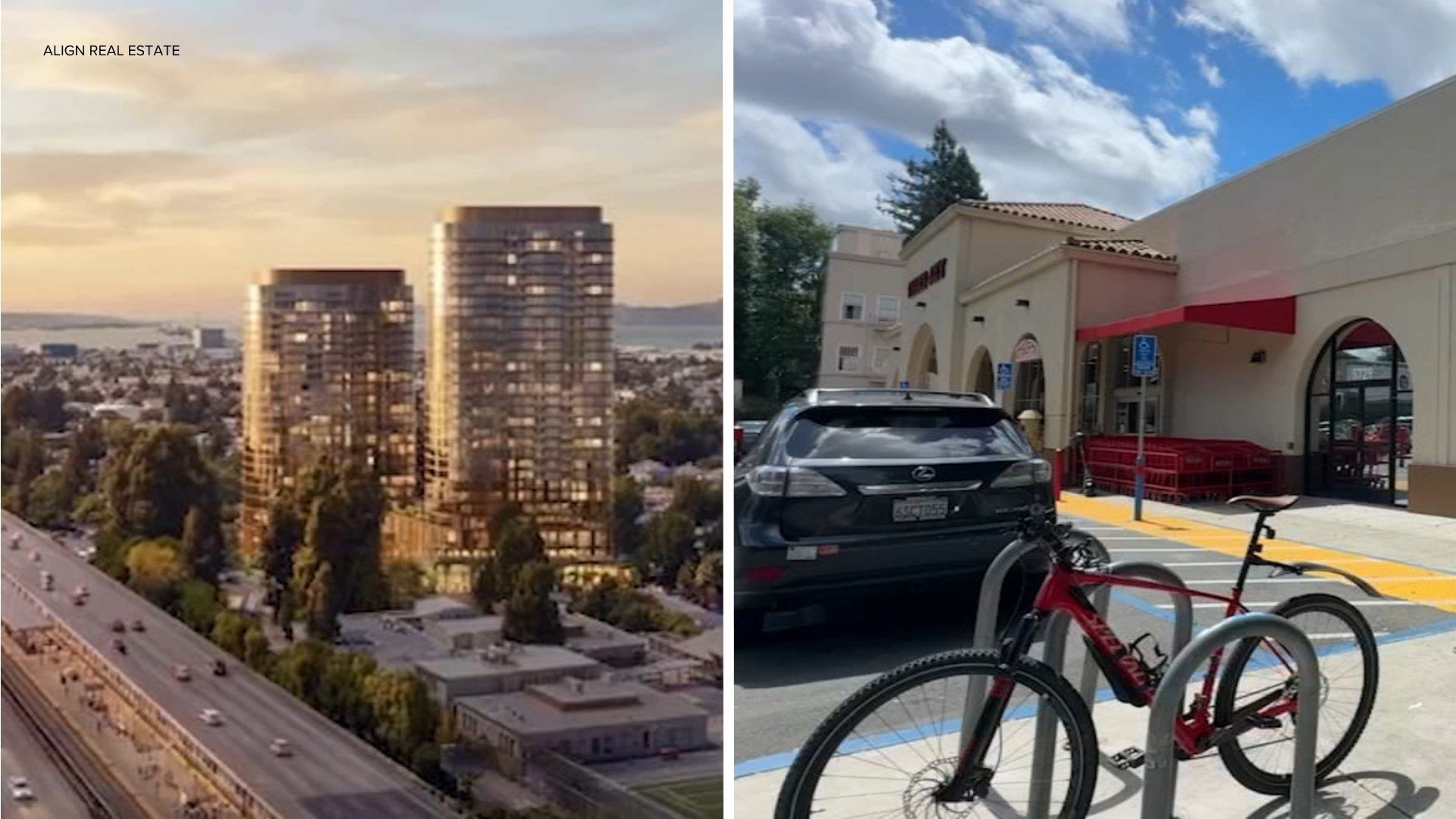
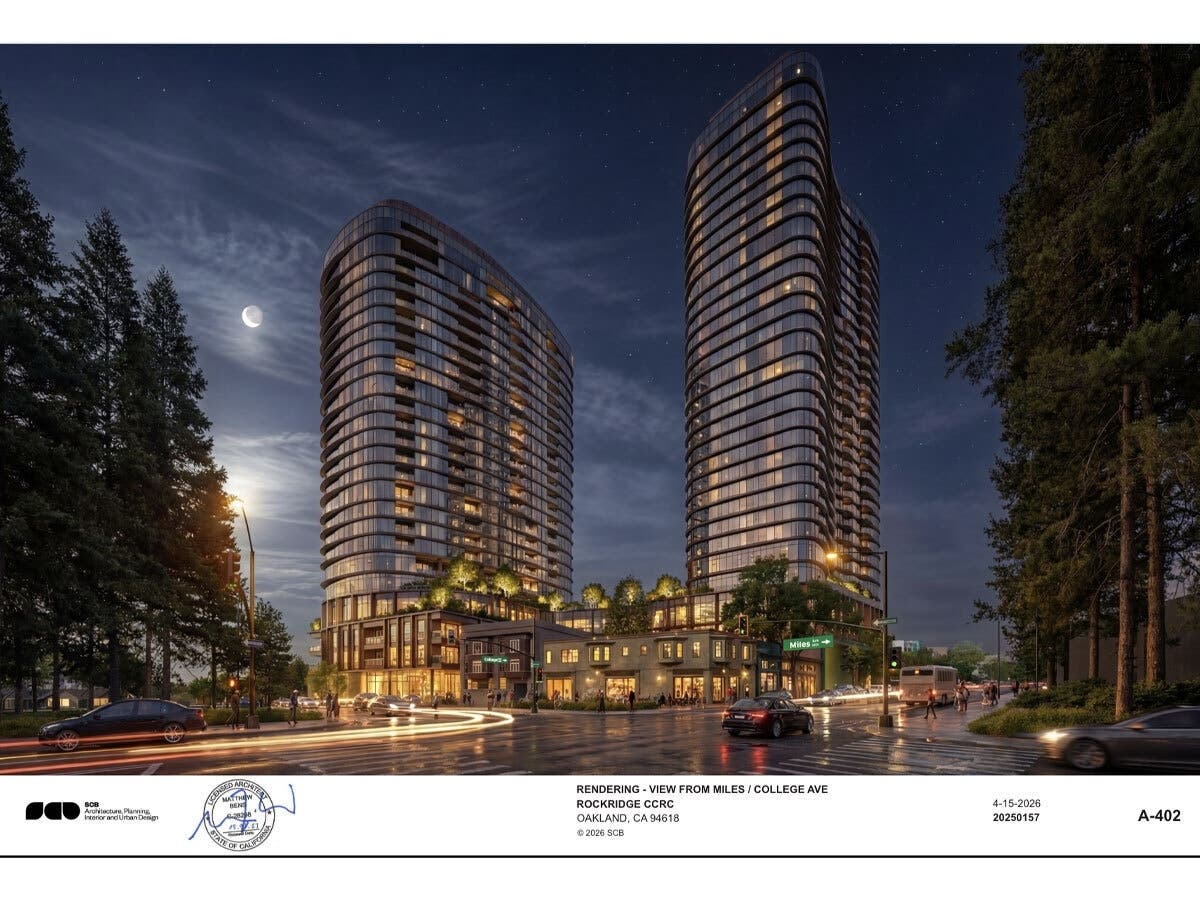
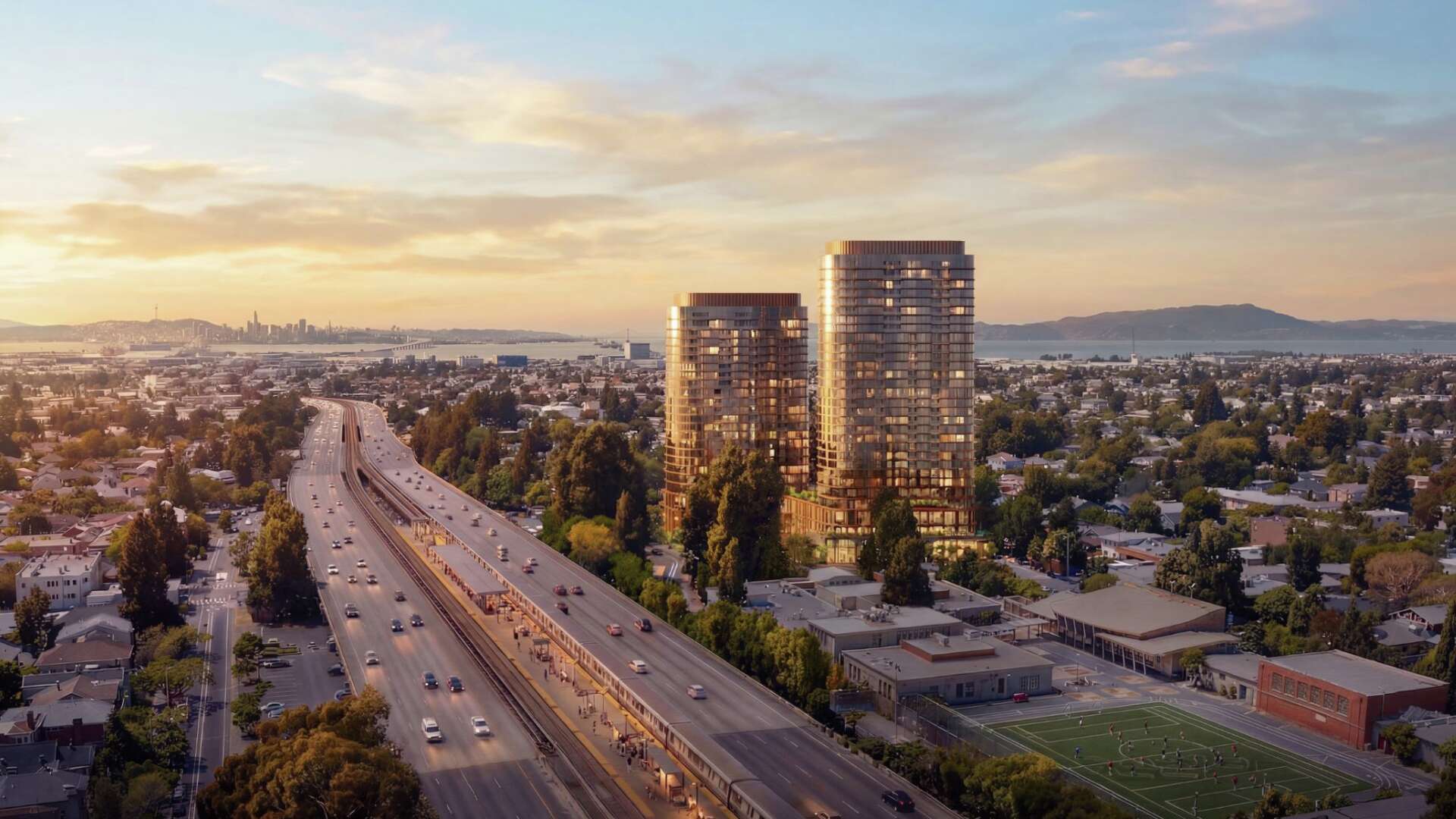
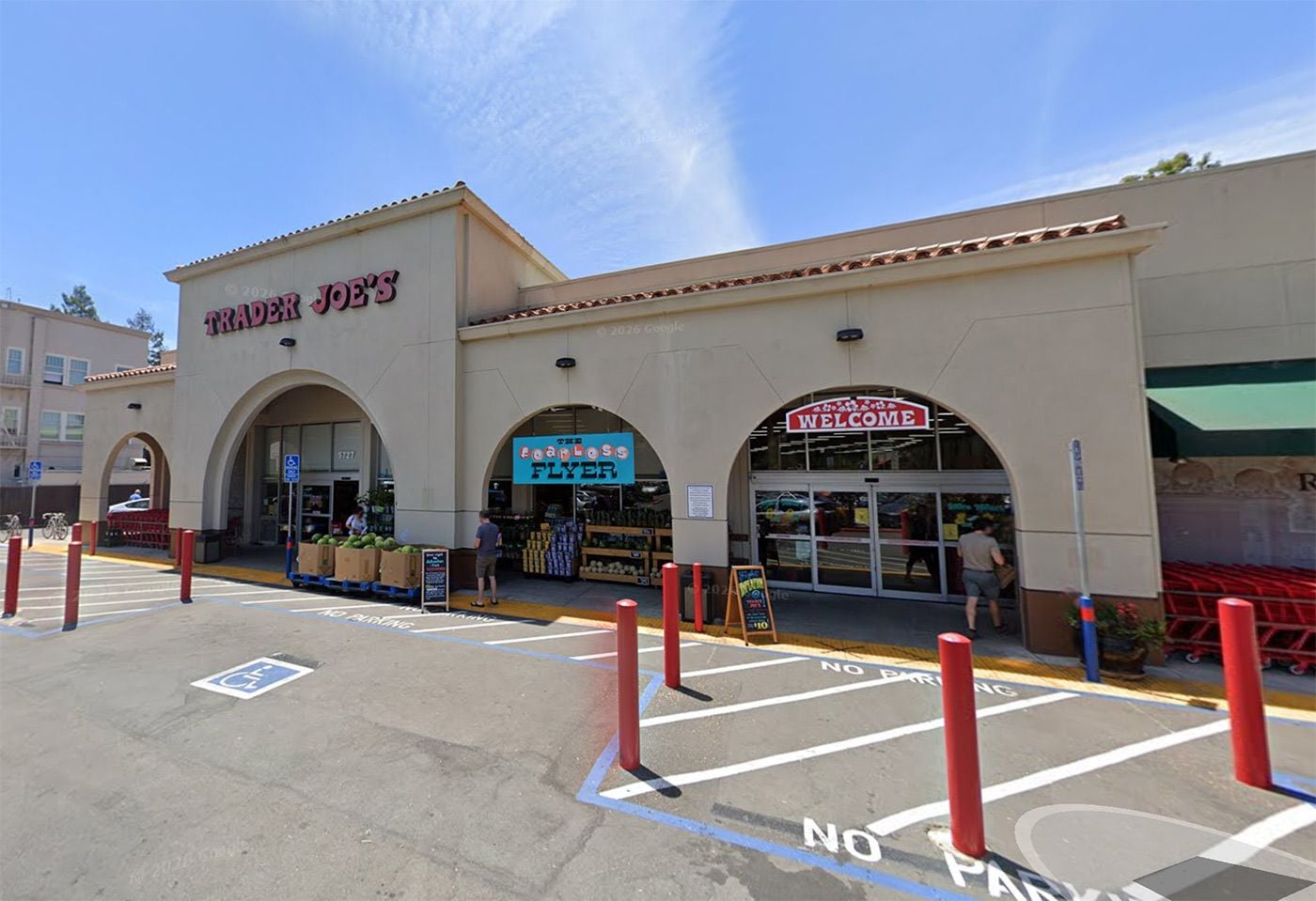
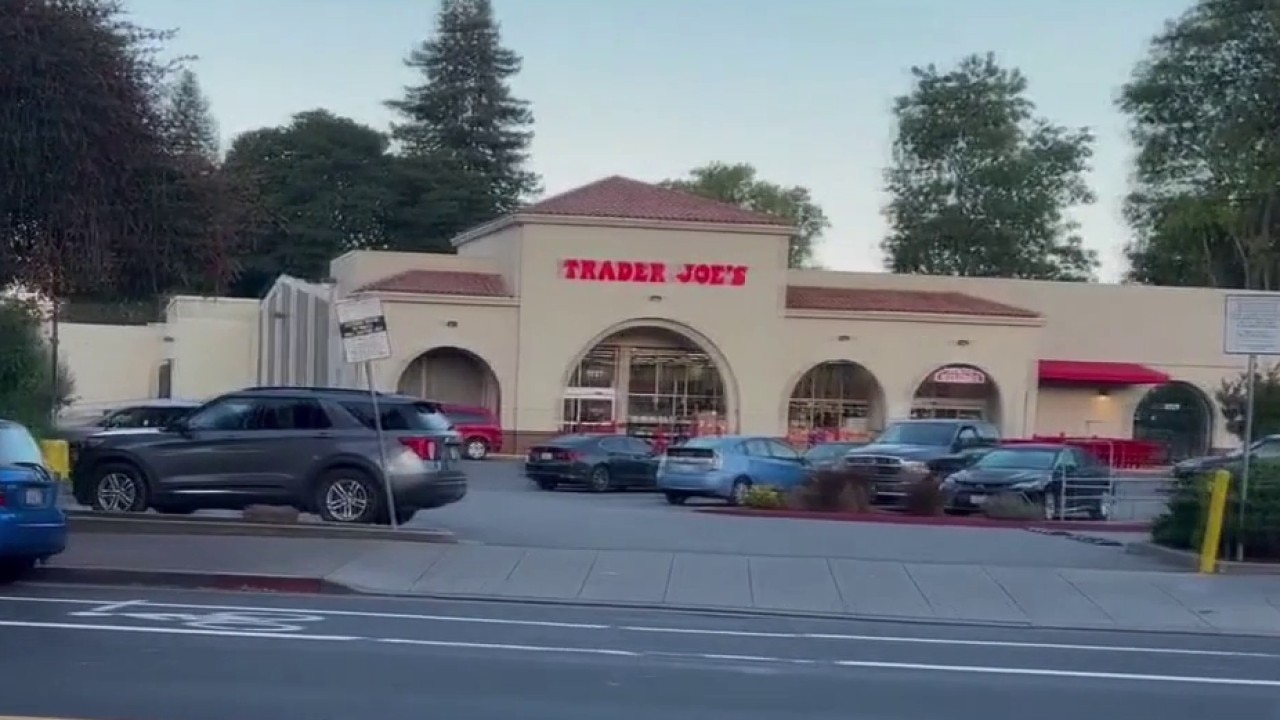
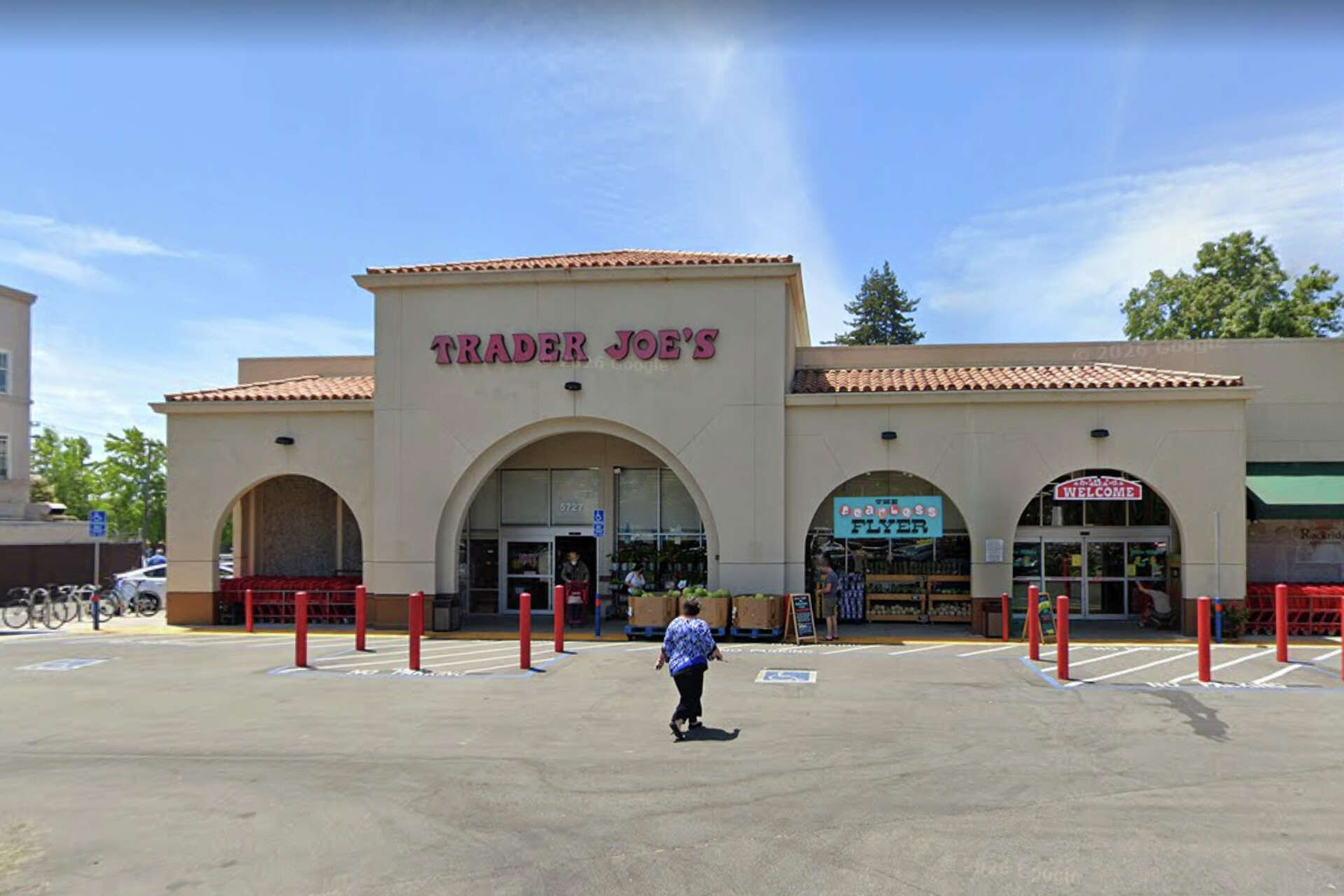
The closure of Oakland's historic Trader Joe's location at 5727 College Avenue represents a critical inflection point in Bay Area retail real estate strategy, with direct implications for e-commerce sellers targeting grocery and senior consumer segments. Align Real Estate's conversion of the 1.5-acre property into a 415-unit senior living campus (371 independent living, 18 assisted living, 26 memory care units) signals a fundamental reallocation of commercial real estate from traditional grocery retail to residential housing—a trend affecting 6+ Albertsons/Safeway properties across San Francisco and San Mateo.
The retail consolidation opportunity: Unlike previous Align projects that maintained grocery components post-construction, this development eliminates retail space entirely, creating a 0.5-mile grocery service gap in Rockridge until residents shift to Safeway (half-mile away), Whole Foods (Telegraph Avenue), or Berkeley Bowl West. This creates immediate O2O opportunities for online grocery sellers to capture displaced customer bases through targeted local delivery services. The 415-unit senior facility will house approximately 70 East Bay residents initially, representing a concentrated demographic cohort with specific purchasing patterns: health supplements, mobility aids, specialty foods, and convenience items—categories where cross-border sellers can establish pop-up fulfillment centers or partner with senior living operators.
Market consolidation and competitive dynamics: The permanent closure (vs. Safeway's reopening in larger formats) indicates Albertsons' strategic pivot away from traditional retail footprints in high-cost Bay Area markets. This mirrors broader grocery industry consolidation where Amazon Fresh closures and Whole Foods integration have reduced physical store density. For sellers, this means: (1) reduced in-store competition in Rockridge neighborhood, creating opportunities for Amazon Fresh or Instacart to dominate local delivery; (2) increased demand for specialty/niche grocery products that won't be stocked in consolidated locations; (3) demographic shift toward senior-focused product categories (mobility, health, convenience foods) with higher LTV potential.
Demographic targeting and product opportunities: The 415-unit senior living facility represents a concentrated, high-value customer segment. Senior residents typically spend $3,200-4,500 annually on health/wellness products, mobility aids, and specialty foods—categories where cross-border sellers (particularly from Asia-Pacific) have competitive advantages in pricing and selection. Sellers should identify: (1) senior-focused product categories (compression socks, mobility aids, specialty supplements, easy-open packaging); (2) subscription opportunities (monthly wellness boxes, convenience food delivery); (3) partnership opportunities with the senior living operator for bulk purchasing or exclusive product placement.
Questions 8
What is the expected customer lifetime value (LTV) increase from establishing senior-focused O2O presence?
Senior consumers in dedicated living facilities show 2.5-3.2x higher LTV than general population due to: (1) predictable purchasing patterns (subscription-friendly); (2) higher health/wellness spending (22-28% of budget); (3) convenience-driven behavior (willing to pay premiums for delivery); (4) lower price sensitivity for quality/trusted brands. A 415-unit facility with 70% occupancy (290 residents) represents $940K-1.2M annual addressable market for health/wellness products alone. Sellers establishing exclusive partnerships can expect: (1) 40-50% higher repeat purchase rates; (2) 25-35% higher average order values; (3) 60-70% lower customer acquisition costs (bulk facility agreements vs. individual marketing); (4) 18-24 month payback period on pop-up fulfillment infrastructure ($50-80K initial investment).
How should sellers evaluate the competitive landscape after retail consolidation?
Post-closure, the Rockridge neighborhood will have reduced grocery competition (Safeway 0.5 miles, Whole Foods on Telegraph, Berkeley Bowl West in West Berkeley), creating a 15-20 minute delivery gap for convenience-focused shoppers. This benefits sellers who can offer 2-4 hour delivery windows through micro-fulfillment or partnerships with existing retailers. Competitive analysis should focus on: (1) Amazon Fresh/Instacart coverage in the zip code (94618); (2) Safeway's delivery capabilities and product selection gaps; (3) Whole Foods' premium positioning and price points; (4) Local independent grocers' market share. Industry data shows that neighborhoods losing primary grocery anchors see 25-35% increase in online grocery penetration within 12 months, with average basket sizes increasing 18-22% as consumers consolidate shopping trips.