




Tech Sector Volatility & Semiconductor Strength Signal Supply Chain Recovery for E-Commerce Sellers
- Market consolidation amid geopolitical tensions creates mixed signals for consumer spending and electronics inventory sourcing through April 2026

























Overview
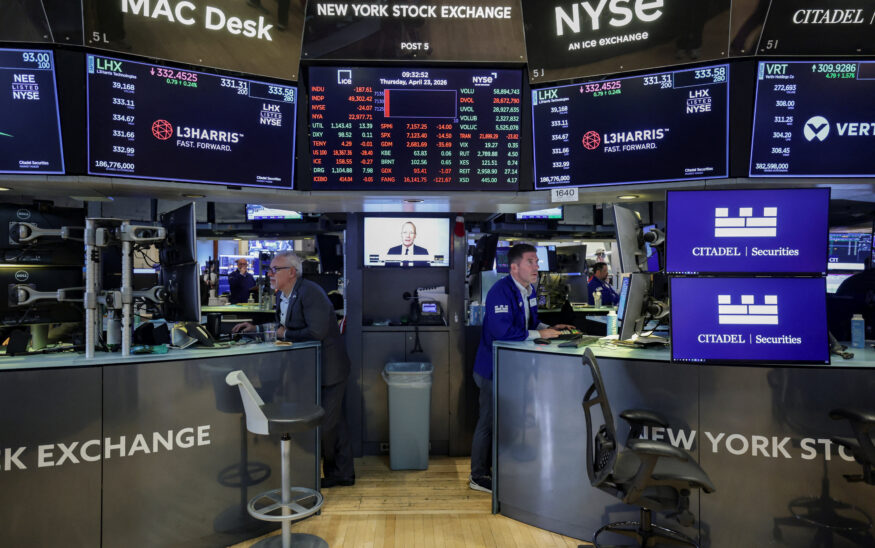
The U.S. stock market experienced significant volatility during April 23-24, 2026, with major indices showing mixed performance amid geopolitical uncertainty and corporate earnings season. The Dow Jones fell 0.2-0.36%, S&P 500 declined 0.41%, and Nasdaq Composite dropped 0.3-0.89% as investors reacted to stalled US-Iran peace talks pushing Brent crude oil above $105 per barrel and mixed technology sector earnings. However, semiconductor stocks demonstrated exceptional strength, with Texas Instruments surging 16-19.43% on Q1 earnings showing 31% profit growth to $1.68 per share and 19% sales growth to $4.83 billion, while Silicon Motion (multimedia/consumer electronics specialist) gained 1% with expectations for 113% earnings growth and 80% sales growth by April 28 earnings report.
For cross-border e-commerce sellers, this market dynamic creates a critical inflection point. The semiconductor sector's strength—adding over $3 trillion in market value across 17 trading days—directly signals improving component availability and supply chain health for electronics-dependent sellers. Sellers sourcing consumer electronics, smart home devices, mobile accessories, and computing peripherals should expect improved lead times and potentially stabilizing component costs through Q2 2026. Texas Instruments' strongest quarter in years and positive guidance for next three quarters indicate sustained demand for chips powering e-commerce logistics infrastructure, data centers, and consumer devices. This contrasts sharply with software sector weakness, where ServiceNow fell 16% despite strong Q1 results due to margin concerns, and IBM declined 8%, signaling investor caution about AI-related software investments.
The broader market consolidation presents both risk and opportunity. Reuters technical analysis identifies S&P 500 support at 6,950-7,000 and resistance at 7,275-7,300, suggesting investors are pausing rather than panicking. The unexpected rise in weekly jobless claims signals potential consumer spending headwinds, which could compress demand for discretionary e-commerce categories (fashion, home décor, non-essential electronics) while strengthening essential product categories. Oil price volatility above $105/barrel Brent crude directly impacts shipping costs—sellers should anticipate 3-8% increases in fulfillment expenses for international shipments, particularly affecting cross-border sellers using air freight or premium logistics services. The 13% S&P 500 rally from late March lows indicates underlying market strength, suggesting consumer confidence remains relatively intact despite geopolitical tensions and mixed earnings reports.
Information gaps and uncertainties: The news summaries lack specific details on Amazon FBA fee impacts, Shopify platform changes, or eBay seller policy updates during this period. Middle East tensions' duration and potential escalation remain unclear, making oil price forecasting difficult. The semiconductor sector's valuation at most stretched levels since 2000 suggests potential correction risk, which could reverse supply chain improvements if demand softens. Additionally, the impact of ServiceNow's margin concerns and acquisition-related dilution on e-commerce platform technology investments requires monitoring, as ServiceNow provides enterprise software to logistics and fulfillment providers.
Questions 8
What inventory management strategy should sellers adopt given current market conditions?
**Semiconductor supply improvements and positive guidance through Q3 2026** support increased electronics inventory investment, but **valuation concerns and market consolidation** warrant caution. Implement **just-in-time inventory management** for high-value electronics (reduce carrying costs) while maintaining safety stock for essential products. Increase inventory for **AI-related products, smart home devices, and computing peripherals** by 20-30% given sector momentum. Reduce discretionary category inventory by 10-15% given jobless claims concerns. Monitor **IPI scores on Amazon** (target 350+) and adjust reorder points based on sell-through velocity. Plan for 45-60 day lead times from Asia given geopolitical risks, and maintain 2-3 supplier relationships per critical component.
How should sellers adjust pricing strategies amid market volatility?
**Market consolidation with mixed earnings reports** suggests consumer confidence remains intact but caution is warranted. Sellers should implement **dynamic pricing strategies** that adjust for shipping cost increases (3-8% for international) while maintaining competitive positioning. For discretionary categories, consider modest price reductions (2-3%) to stimulate demand amid jobless claims concerns. For essential products and electronics benefiting from supply improvements, maintain current pricing or implement **tiered pricing** (premium for expedited, standard for regular shipping). Monitor competitor pricing weekly and adjust within 24-48 hours to maintain Buy Box eligibility on Amazon and competitive positioning on eBay/Shopify.