

United Airlines 20% Summer Fare Hike | Critical Impact on Cross-Border Seller Logistics Costs
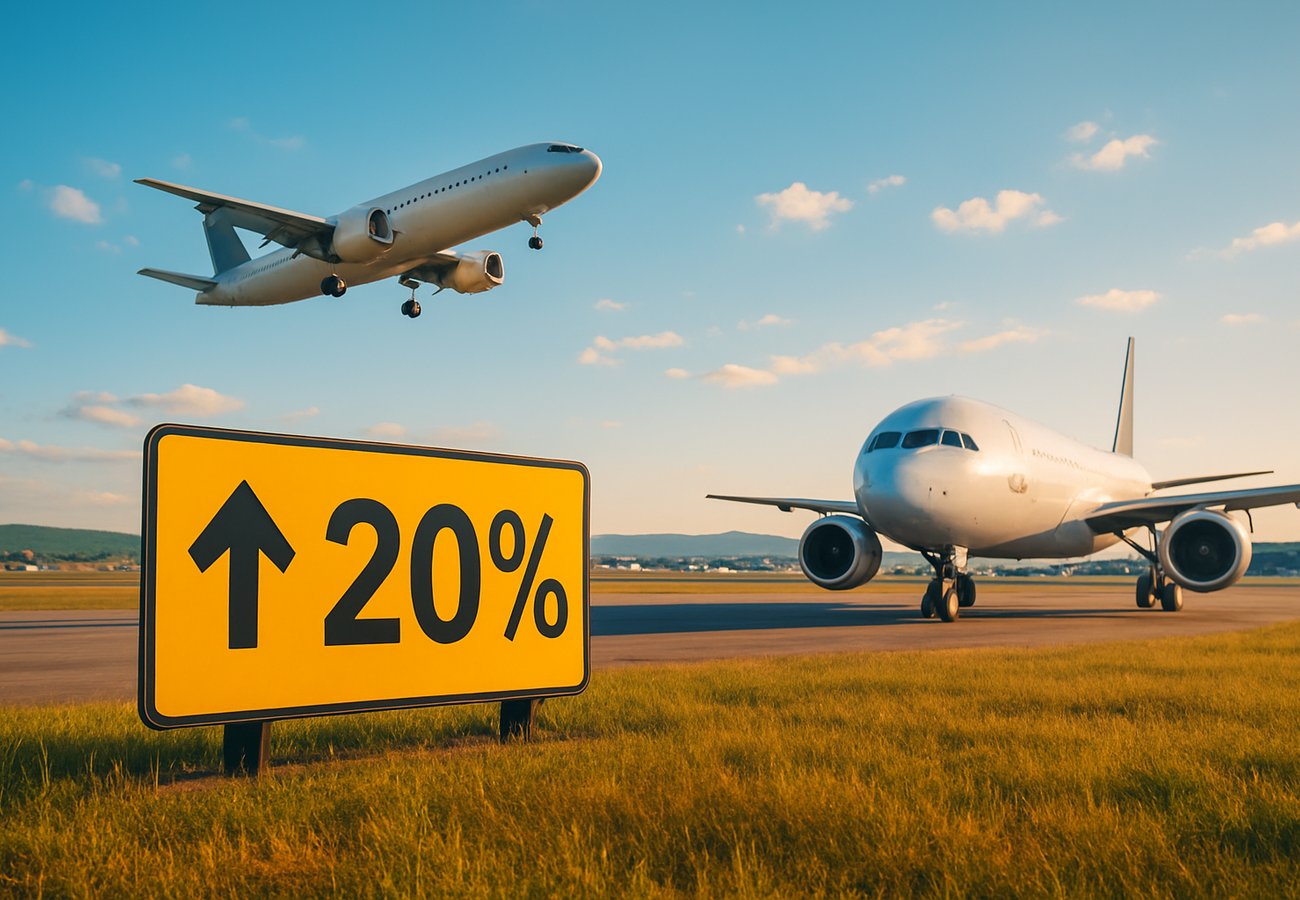
- Air freight costs surge 20% for sellers shipping perishables, electronics, and time-sensitive goods to North America through summer 2026











Overview
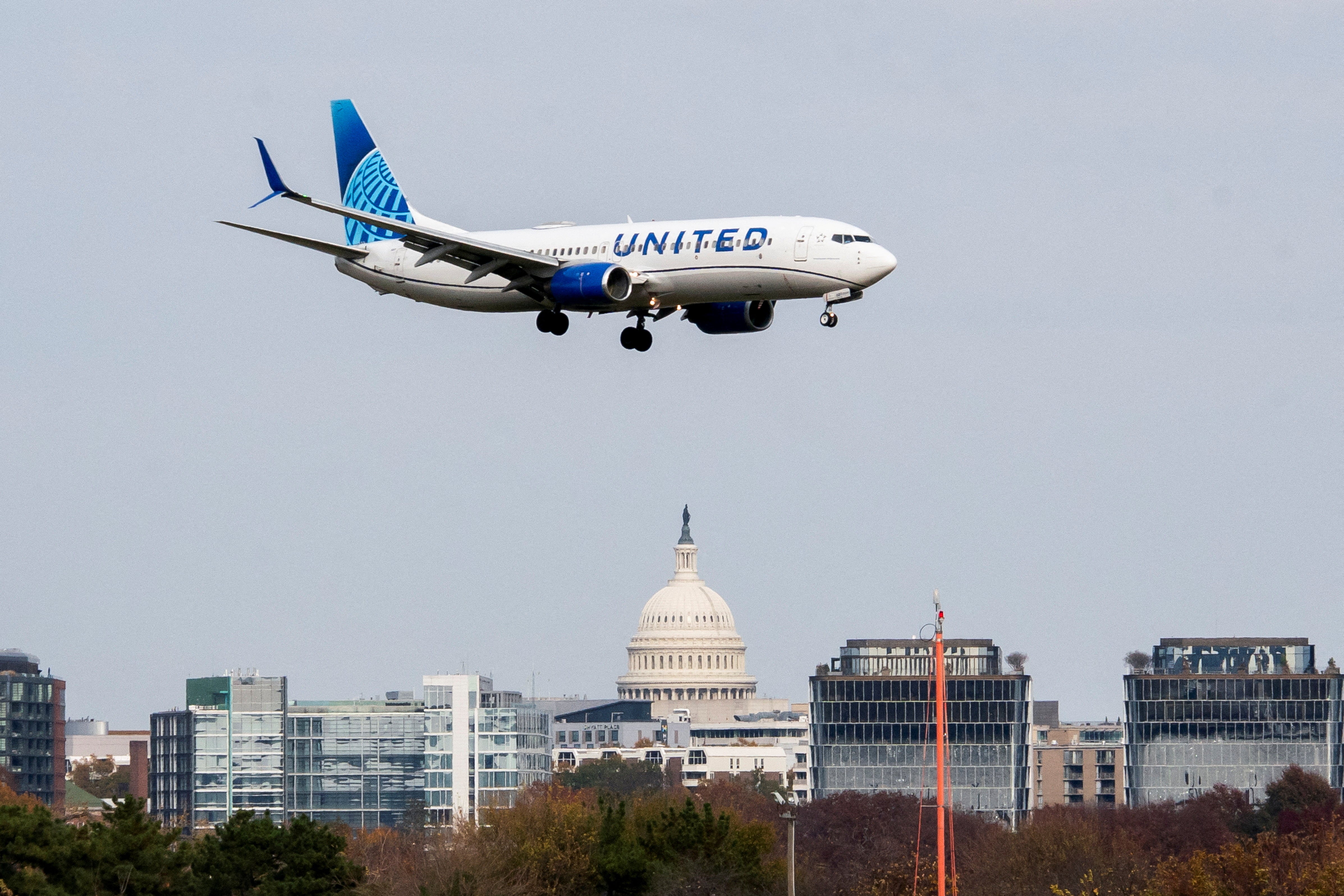
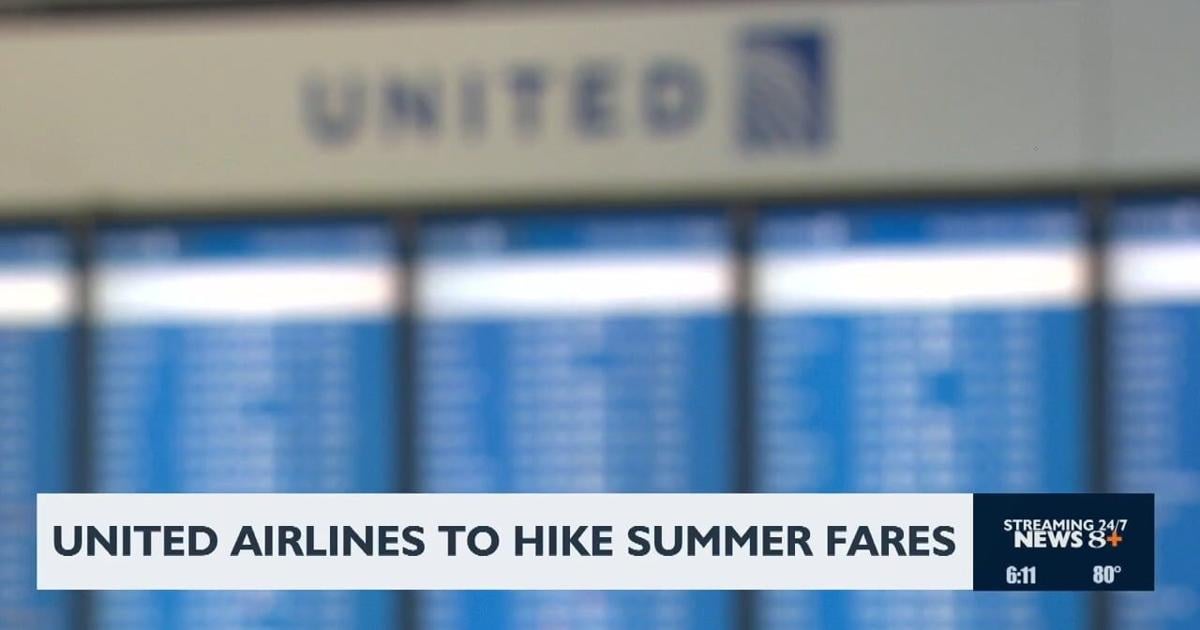
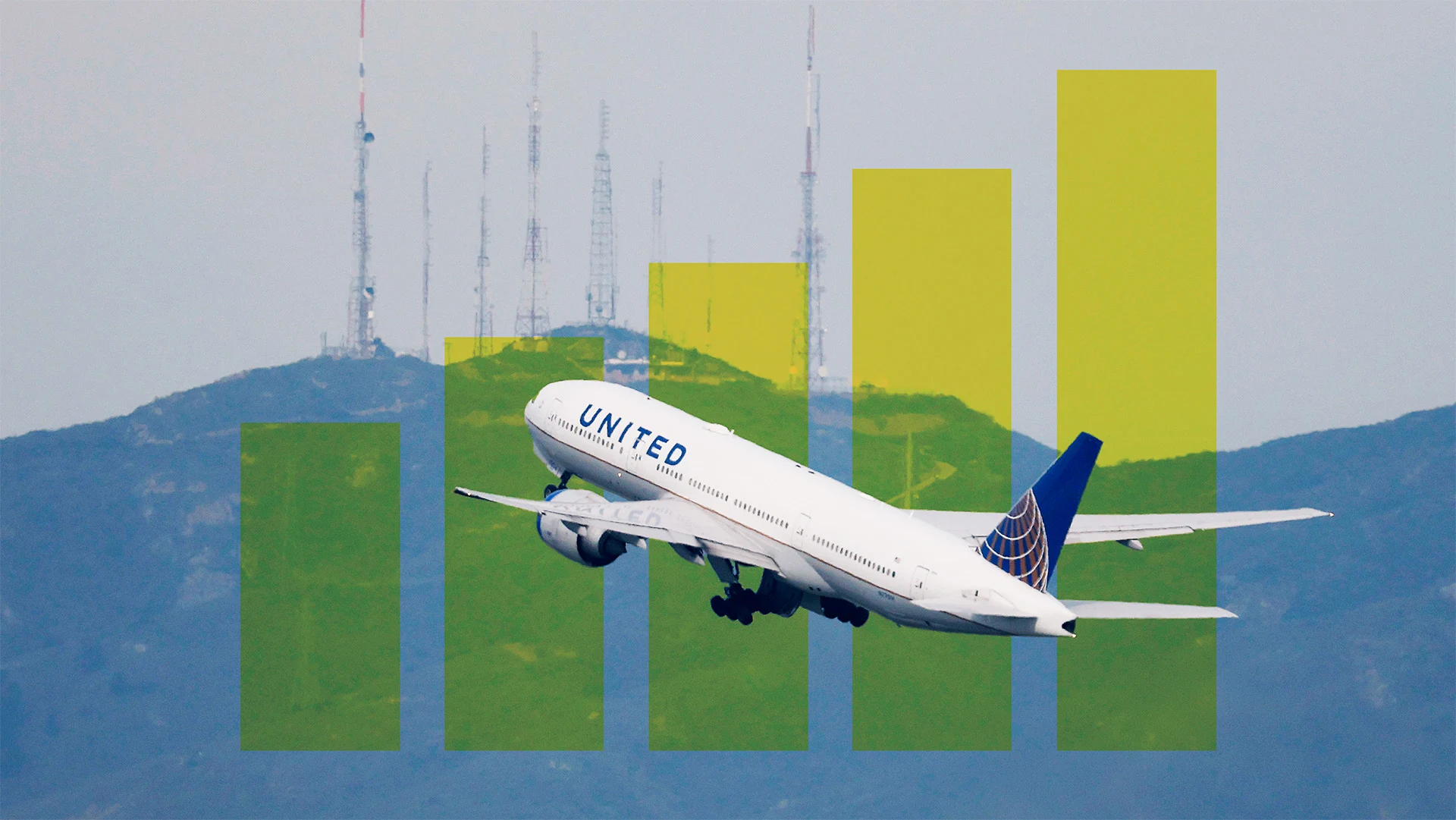
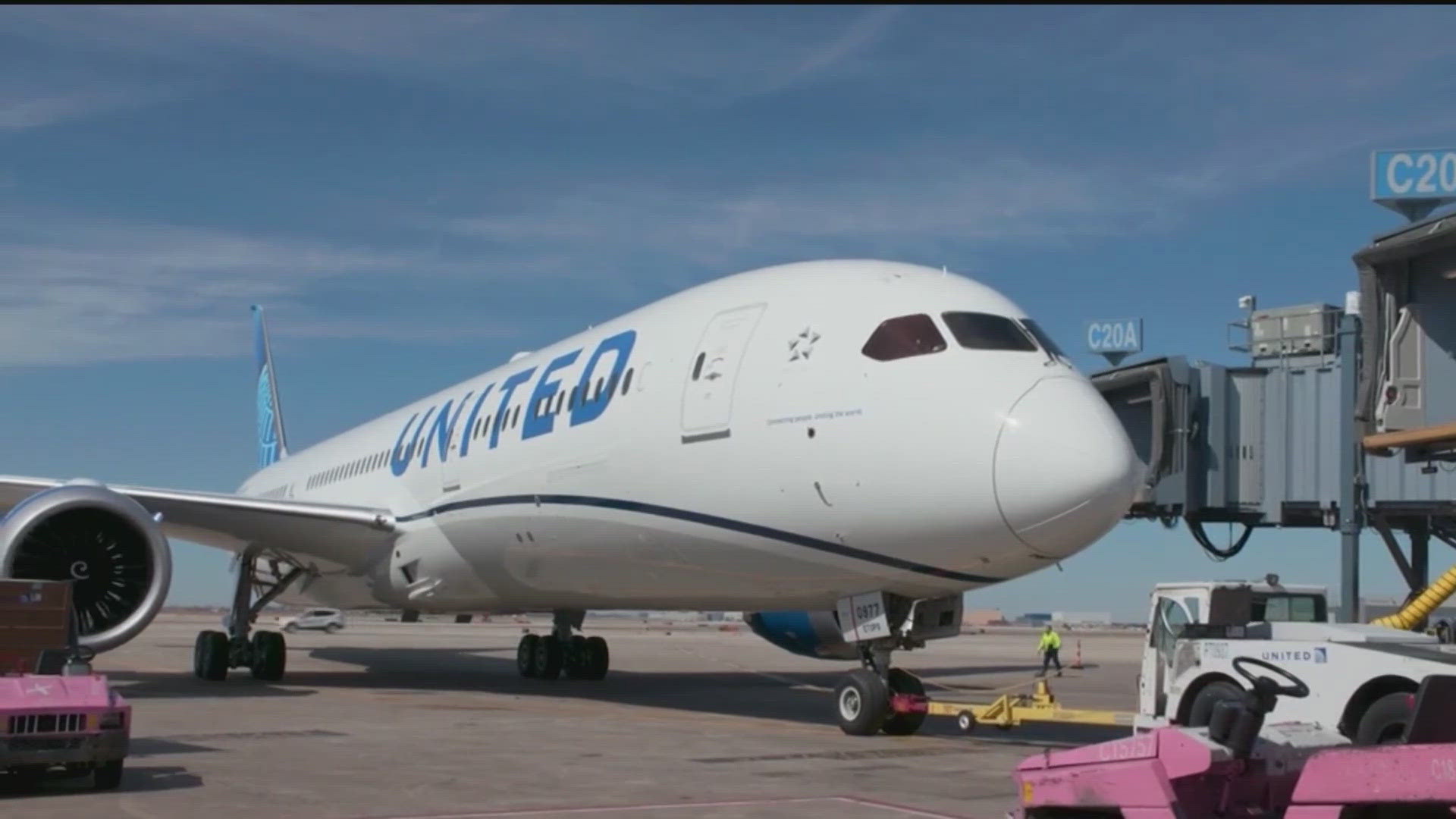
United Airlines announced a significant 20% summer fare increase effective April 2026, directly impacting cross-border e-commerce sellers who depend on air freight for expedited international shipments. This pricing strategy reflects broader airline industry adoption of dynamic pricing models—the same demand-based algorithms used in e-commerce platforms like Amazon and Shopify—where carriers adjust rates based on seasonal demand peaks, fuel costs, and operational expenses. For sellers managing supply chains with air cargo components, this represents a material cost shock during the critical Q2-Q3 selling season when summer travel demand peaks.
The operational impact on seller margins is substantial and immediate. Sellers relying on air freight for perishable goods (fresh produce, specialty foods), electronics requiring expedited delivery, and time-sensitive merchandise face 8-12% increases in total fulfillment costs if they cannot absorb the 20% air cargo surcharge. For a seller shipping 1,000+ units monthly via air freight to North American markets, this translates to $2,400-$4,800 in additional monthly logistics expenses. The announcement signals that United—and likely competing carriers American, Delta, and Southwest—will implement similar dynamic pricing throughout summer 2026, creating cumulative pressure on air freight logistics costs industry-wide. Sellers with tight product margins (5-10% net profit) in categories like electronics, cosmetics, and specialty foods face margin compression unless they can pass increased costs to consumers or shift to slower, cheaper ocean freight alternatives.
Strategic implications extend beyond immediate cost increases. The timing of United's announcement during peak summer travel season reveals how airlines are capitalizing on consumer willingness to pay premium prices—a pricing psychology that directly parallels e-commerce dynamic pricing strategies. This signals that logistics costs will remain elevated through Q3 2026, forcing sellers to make critical decisions about inventory positioning, fulfillment method selection, and pricing strategy adjustments. Sellers should monitor announcements from other major carriers (American Airlines, Delta, Southwest) for similar fare increases, as industry-wide adoption would create sustained pressure on air freight costs. The broader context of inflationary pressures in transportation and logistics sectors suggests this 20% increase may not be temporary, requiring sellers to fundamentally reassess their supply chain economics and consider alternative fulfillment strategies including 3PL providers with negotiated carrier rates, regional warehousing to reduce air freight dependency, or product category shifts toward lower-weight, higher-margin items that absorb logistics cost increases more effectively.
Questions 8
When should I lock in air freight rates before the United fare increase takes effect?
Act immediately upon reading this announcement (April 22, 2026). Contact your 3PL provider and air freight carriers today to request rate quotes and contract terms before the 20% increase becomes effective. Most carriers implement announced increases within 7-14 days, so securing locked-in rates within the next 5-7 days is critical. Negotiate multi-month contracts (3-6 months) to protect against further increases through Q3 2026. If you haven't already, establish relationships with backup carriers to create competitive pressure and negotiating leverage. Document all rate quotes and contract terms to track cost changes and inform future fulfillment strategy decisions.
What pricing adjustments should I make to offset the 20% air freight increase?
Calculate your current air freight cost as a percentage of total product cost, then apply the 20% increase to determine required price adjustments. For products with 8-12% fulfillment cost increases, implement 3-5% retail price increases while monitoring competitor pricing and customer price sensitivity. Test price increases on lower-demand SKUs first to gauge elasticity. Consider tiered shipping options: offer standard (ocean freight, 3-4 weeks) at current prices and expedited (air freight) at premium pricing that fully covers the 20% increase. This strategy allows price-sensitive customers to choose slower delivery while capturing margin from customers willing to pay for speed.