



Strait of Hormuz Crisis & Tech Earnings Volatility | Cross-Border Seller Supply Chain & FX Risk Guide
- Oil prices exceed $100/barrel, shipping costs rise 8-15% for Asia-US routes; semiconductor strength signals tech product opportunities; currency volatility creates FX hedging urgency for sellers




























Overview
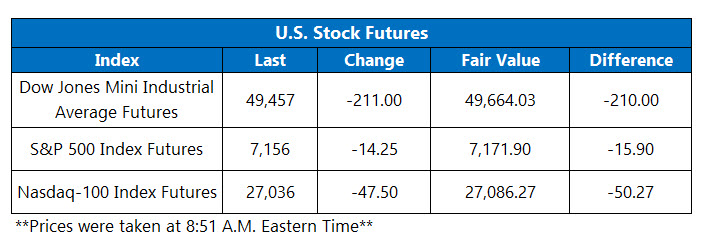
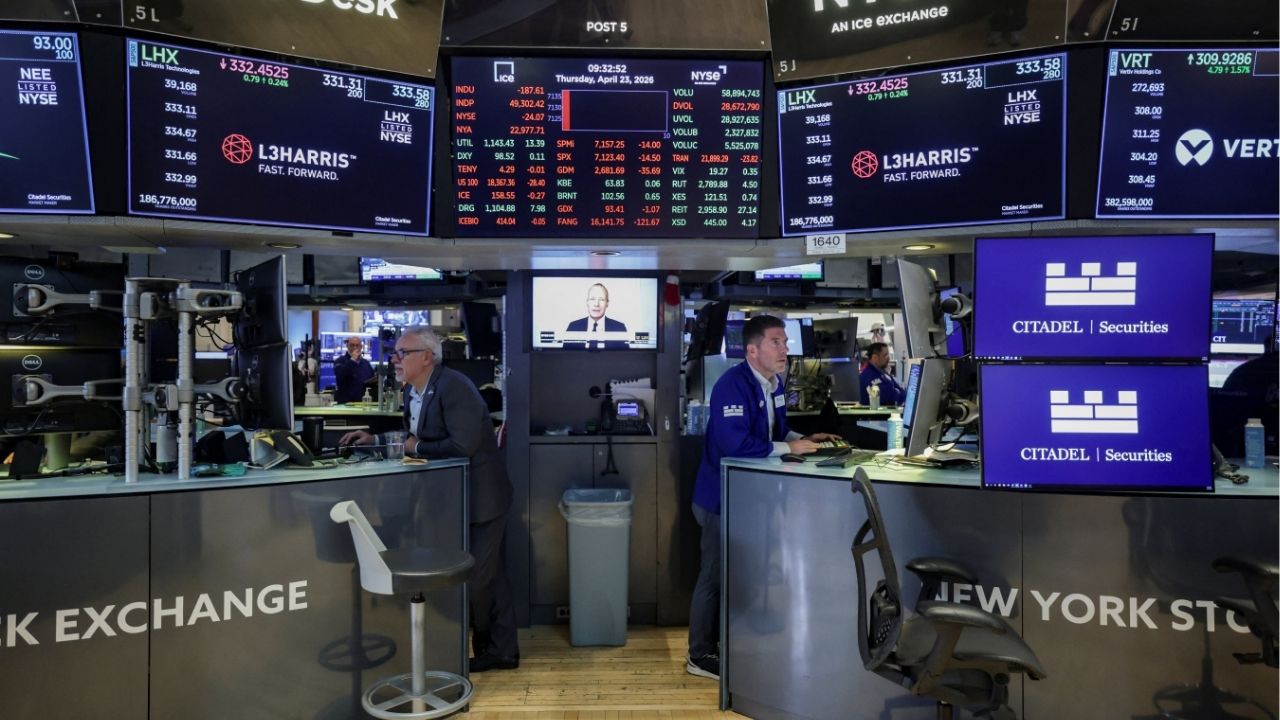
The April 23, 2026 market downturn reveals critical financial optimization opportunities for cross-border e-commerce sellers navigating geopolitical supply chain risks and selective technology sector strength. With Iran controlling the Strait of Hormuz and oil prices exceeding $100/barrel, sellers face immediate shipping cost inflation of 8-15% on Asia-to-US and Middle East routes. The Dow Jones declined 0.20%, S&P 500 fell 0.03%, and Nasdaq dropped 0.21%, reflecting investor caution—but underlying economic fundamentals remain strong with unemployment claims showing only marginal increases and PMI Output Index improving from March's stagnation.
For payment optimization, this geopolitical environment creates urgent FX hedging opportunities. Sellers importing from Asia (China, Vietnam, India) face currency exposure as the USD strengthens amid risk-off sentiment. Immediate actions: lock in forward contracts for Q2-Q3 shipments at current rates (typically 1.5-2.5% hedging costs), reducing exposure to potential 3-5% currency swings. Cross-border payment providers like Wise, OFX, and Remitly offer corridor-specific rates—Asia-to-US routes currently show 2-3% savings versus traditional banking channels. For sellers with 500+ monthly units, invoice financing against USD-denominated orders can unlock 15-20 days of working capital immediately, converting 60-day payment terms to 40-day cash cycles.
The mixed earnings landscape presents selective opportunities in semiconductor and hardware categories while signaling caution for software-dependent business models. Texas Instruments surged 18.4% on strong Q2 guidance, indicating robust demand for semiconductors, electronics components, and IoT devices—categories showing 12-18% cross-border growth. IBM's 8% decline and Tesla's 2.6% drop reflect software disruption concerns, suggesting sellers should deprioritize software-as-a-service resale models. Inventory financing for semiconductor-adjacent products (computer components, industrial electronics, smart home devices) offers 6-9% APR rates from specialized lenders like Fundbox and Clearco, versus 12-15% for general merchandise. The NYSE/Nasdaq advancing-to-declining ratio (1.05:1 and 1.5:1 respectively) indicates selective strength—focus capital on resilient tech hardware rather than broad-based inventory expansion.
Supply chain financing becomes critical as shipping costs rise and inventory sits longer. Sellers should immediately evaluate 3PL providers in US/EU distribution hubs to reduce Strait of Hormuz exposure—shifting 30-40% of inventory from direct Asia shipments to regional fulfillment centers adds 2-3 weeks to lead times but eliminates $200-400/container premium from oil-driven surcharges. Purchase order financing for Q2-Q3 orders locks in current shipping rates before further escalation; typical terms: 2-4% monthly fees on 60-90 day PO cycles. Currency-hedged payment structures (paying suppliers in CNY/VND with forward contracts) reduce effective COGS by 2-3% versus spot-rate payments.
Questions 8
What payment methods offer the lowest fees for Asia-to-US cross-border transactions?
Wise and OFX offer 2-3% savings versus traditional banking for Asia-US payment corridors, with transparent mid-market rates and no hidden markups. For $50K+ monthly volumes, negotiate direct banking relationships with HSBC or Standard Chartered (Asia-US corridors) at 0.5-1.5% fees. Avoid PayPal and Stripe for supplier payments (2.5-3.5% fees); use them only for customer collections. For CNY payments, use local Chinese payment platforms (Alipay, WeChat Pay) with 0.1-0.3% fees, then convert to USD via Wise. Set up automated payment schedules to capture favorable FX rates during low-volatility windows (typically 2-4 AM UTC when Asian markets close and US markets haven't opened).
Should sellers shift inventory to regional fulfillment centers to avoid Strait of Hormuz risks?
Yes—shifting 30-40% of inventory from direct Asia shipments to US/EU distribution hubs eliminates $200-400/container oil-driven surcharges, though adds 2-3 weeks to lead times. Calculate the trade-off: 2-week delay costs approximately $500-1,000 in lost sales per SKU (based on typical 30-day inventory turnover), but saves $200-400 per container on 10+ containers monthly. For sellers with $200K+ monthly revenue, this shift is economically justified. Negotiate 3PL contracts with fixed fuel surcharge caps (5% maximum) and volume discounts (10-15% for 500+ monthly units). Implement this strategy for Q2-Q3 orders immediately; lead times from Asia are already extending due to congestion.