



Gaming IP Remaster Disputes Signal Licensing Risks for Digital Product Sellers
- Microsoft-owned studios clash over source code ownership; reveals $10K+ licensing gaps affecting digital goods marketplace strategy










Overview
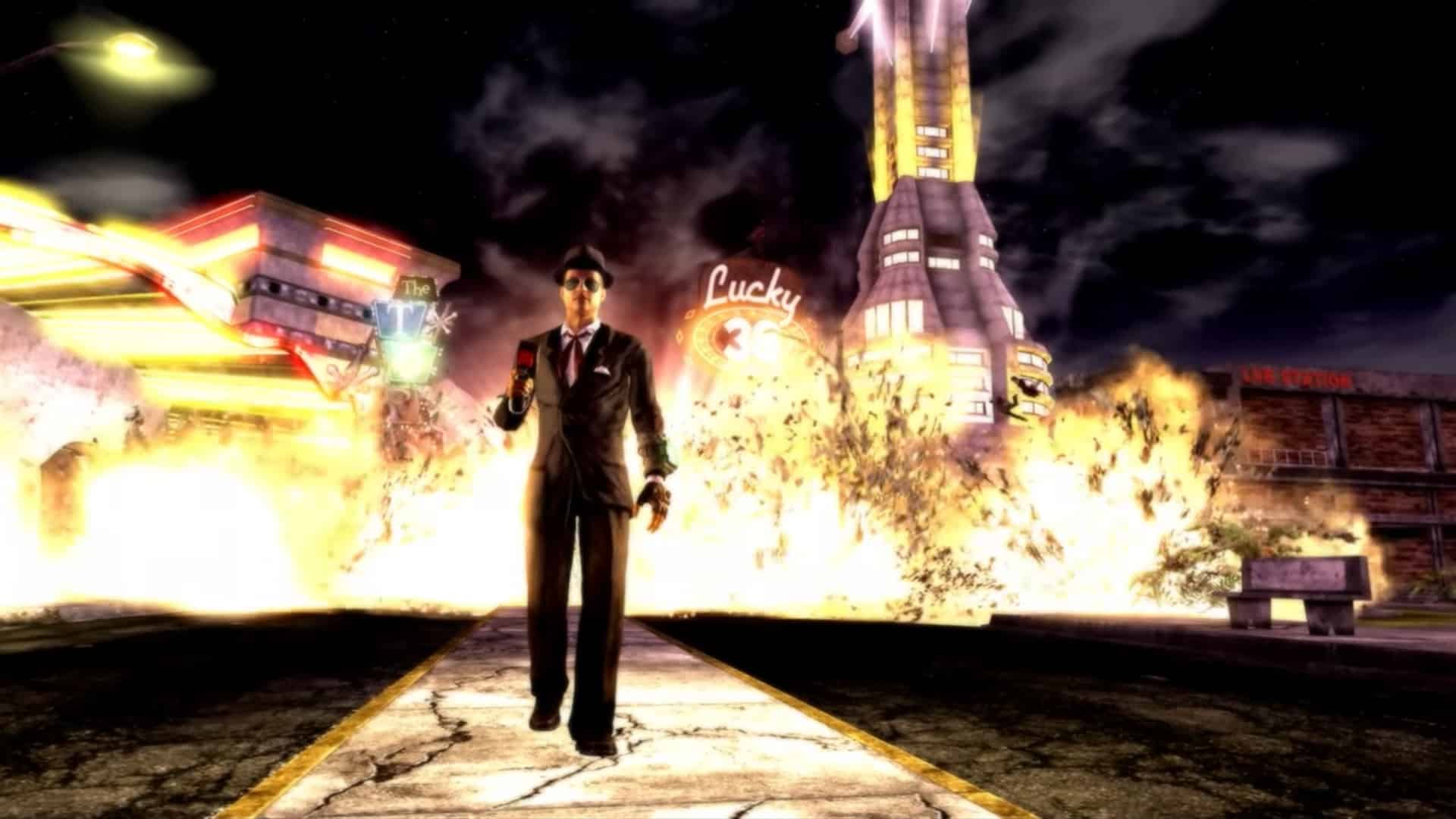
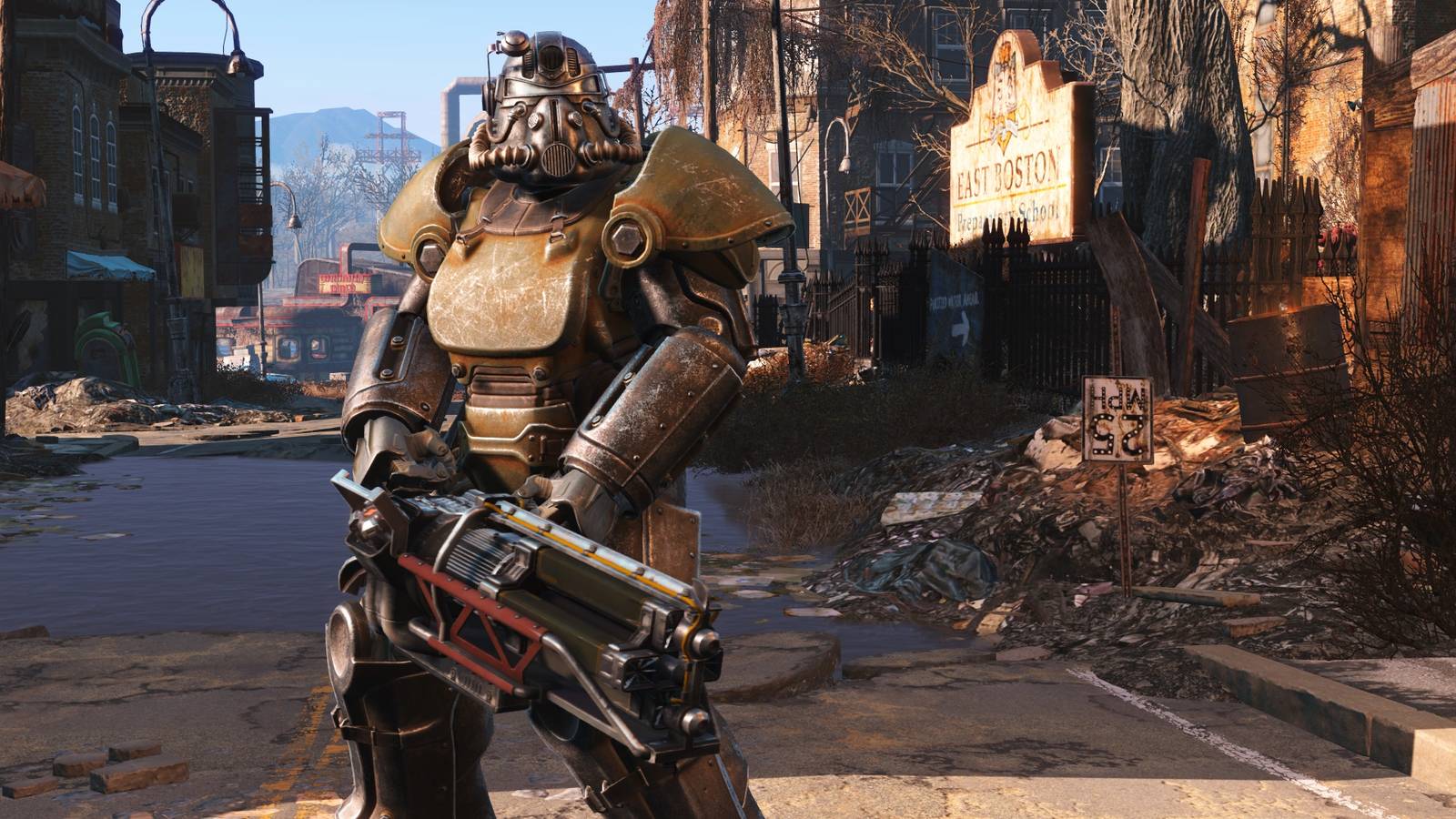
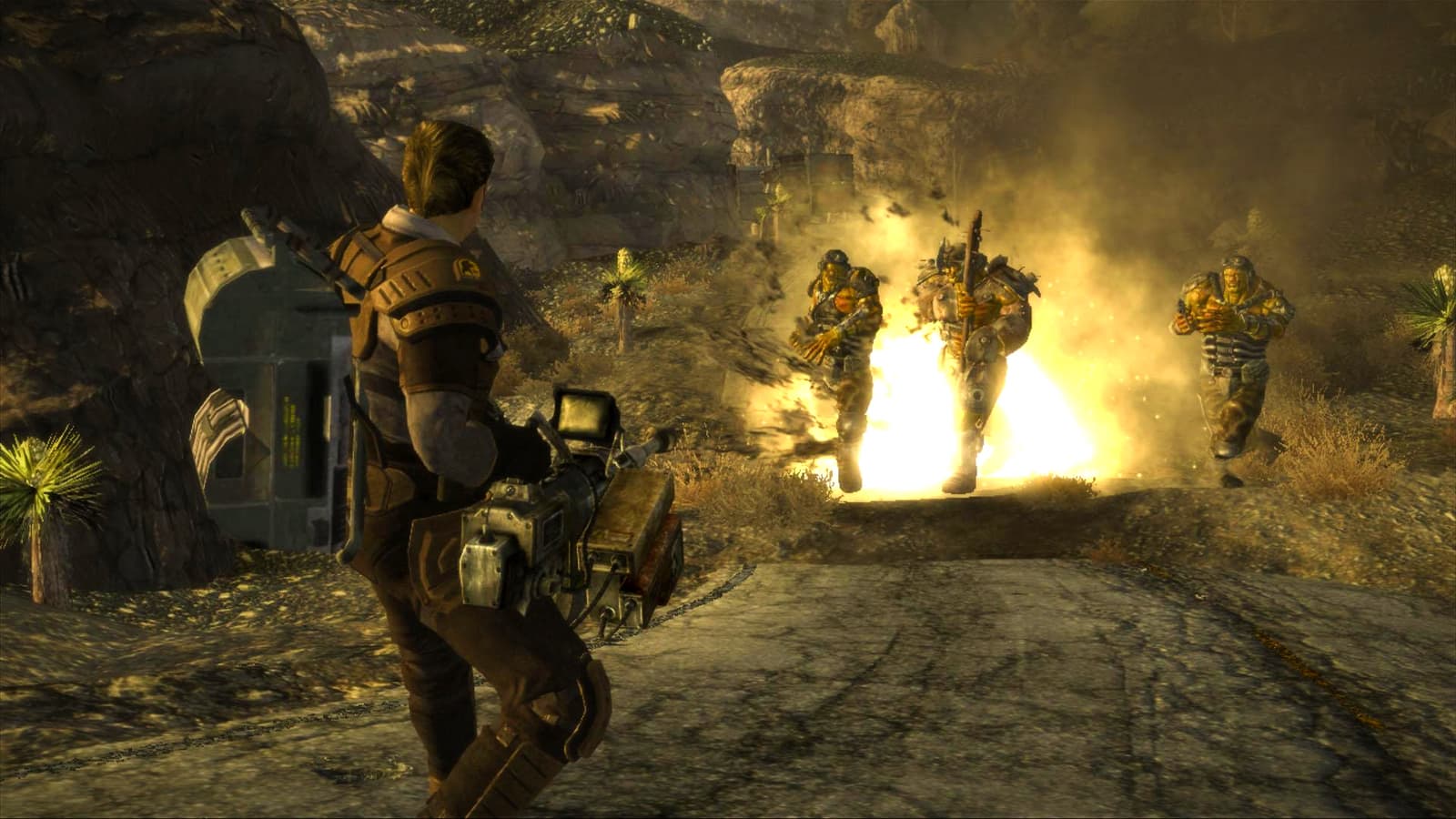
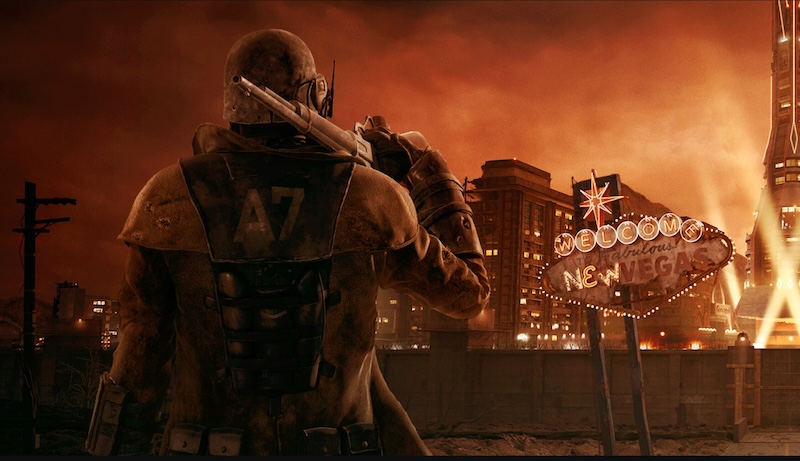
The Bethesda-Obsidian dispute over Fallout: New Vegas remastering rights reveals critical lessons for e-commerce sellers in the digital products and gaming merchandise categories. Chris Avellone's claims that Bethesda lacks engineering capability to remaster New Vegas without original source code—and that Obsidian declined a $10,000 final milestone payment that would have transferred complete build capabilities—demonstrates how intellectual property fragmentation creates market opportunities and risks for sellers.
For digital product sellers, this dispute directly impacts the $180B+ global gaming merchandise market. The 2024 Oblivion remaster co-developed by Bethesda and Virtuos using a hybrid Gamebryo/Unreal Engine 5 approach received mixed reception, signaling that remaster quality varies significantly based on source material access and technical expertise. Sellers offering gaming merchandise, collectibles, and digital content bundles must monitor IP ownership disputes, as they affect product availability, licensing rights, and resale legitimacy. The Microsoft ownership of both studios adds complexity—cross-subsidiary licensing disputes can delay product launches and create supply chain uncertainty for sellers stocking related merchandise.
The $10,000 source code payment rejection illustrates how payment disputes in creative partnerships cascade into market fragmentation. Sellers in the gaming collectibles category (estimated $2.1B cross-border segment in 2024) should recognize that incomplete IP transfers create scarcity value for original editions while blocking remaster availability. This creates a two-tier market: original Fallout: New Vegas physical copies and merchandise command premium prices due to remaster uncertainty, while speculative Fallout 3 remaster merchandise faces demand volatility. Sellers can capitalize on this by: (1) stocking original Fallout: New Vegas merchandise while remaster status remains uncertain, (2) monitoring YouTube and gaming forums for IP announcement signals, (3) diversifying into adjacent franchises with clearer IP ownership.
Platform implications: Amazon, eBay, and specialty gaming marketplaces must verify licensing rights for game-related merchandise more rigorously. Sellers offering digital bundles, pre-orders, or licensed merchandise face increased compliance risk if IP disputes affect product legitimacy. The accidental court document leak revealing the Oblivion remaster demonstrates that IP announcements can shift merchandise demand rapidly—sellers should implement monitoring systems for gaming industry IP news to adjust inventory allocation within 2-4 week windows before official announcements impact pricing.
Questions 8
Should I stock Fallout 3 merchandise now based on remaster speculation?
Exercise caution with speculative Fallout 3 merchandise purchases. While court documents accidentally revealed the Oblivion remaster before official announcement, Fallout 3 remaster remains unconfirmed. Bethesda's mixed reception for the Oblivion remaster suggests demand uncertainty. Instead, prioritize original Fallout: New Vegas merchandise (physical copies, collectibles, apparel) which gains scarcity value as long as remaster remains blocked. Allocate 60-70% of Fallout inventory to New Vegas originals, 20-30% to confirmed merchandise (Fallout 4, Fallout 76), and only 10% to speculative Fallout 3 items. Set price alerts for gaming news sites to adjust strategy within 2-week windows of official announcements.
What is source code escrow and why does it matter for digital product sellers?
Source code escrow is a legal arrangement where original code is held by a neutral third party and transferred only if specific conditions are met—in this case, Obsidian declined Bethesda's $10,000 final milestone payment that would have transferred complete build capabilities. For sellers, this matters because incomplete IP transfers create market fragmentation. Sellers offering digital bundles or pre-orders must verify that publishers have full IP rights before committing inventory. The Oblivion remaster (2024) used a hybrid approach combining original Gamebryo engine with Unreal Engine 5, which received mixed reception—indicating that incomplete source access affects product quality and seller reputation risk.