



Boston Logan Measles Exposure | Supply Chain Risk Alert for E-Commerce Sellers
- April 2026 incident exposes critical vulnerabilities in cross-border logistics networks; sellers using Boston hub face operational disruption risks and workforce health compliance requirements











Overview
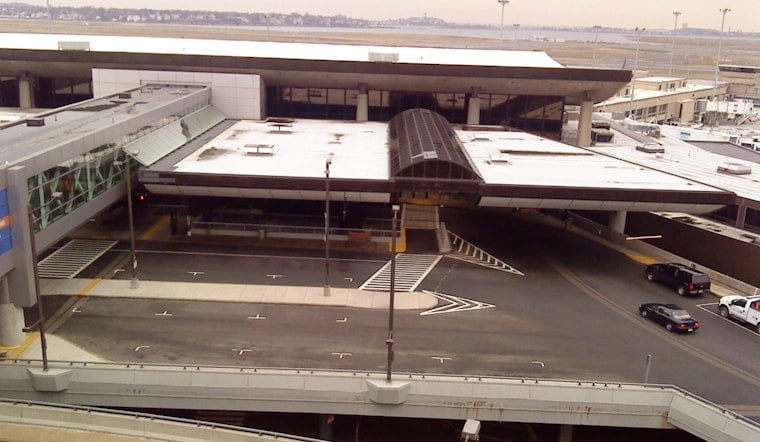
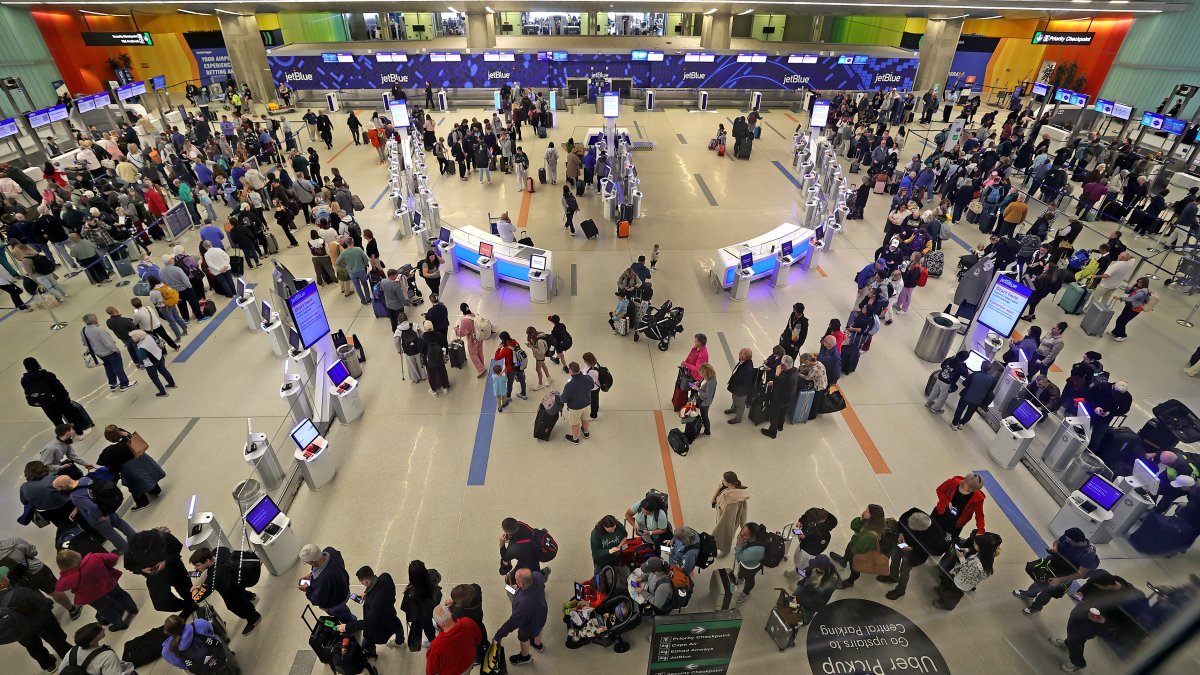
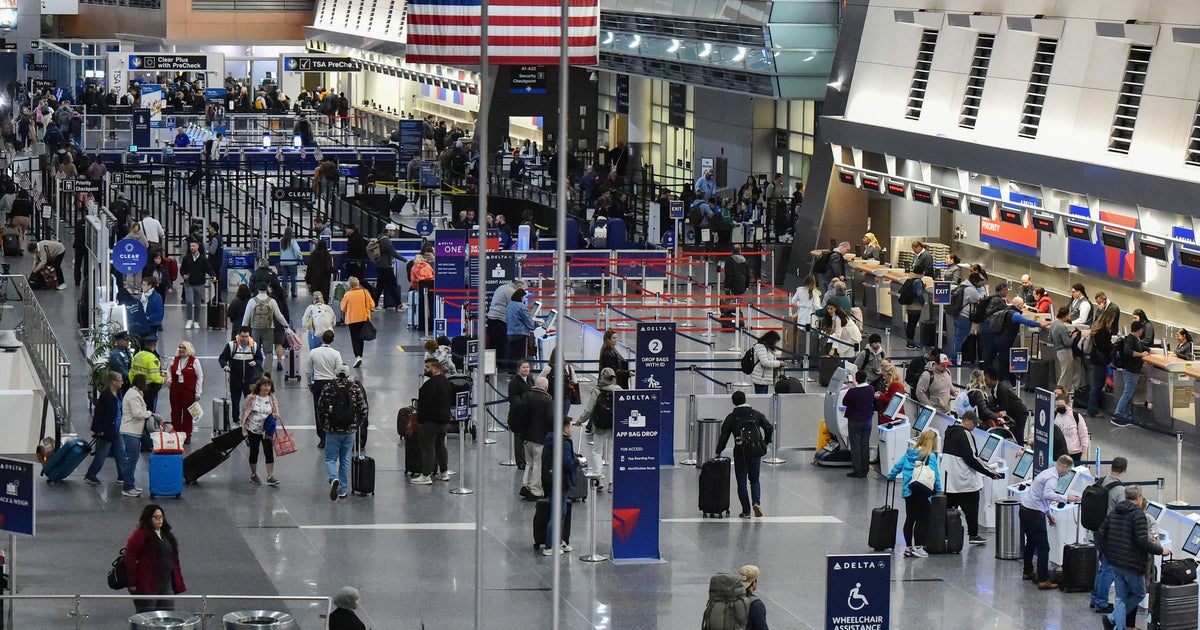
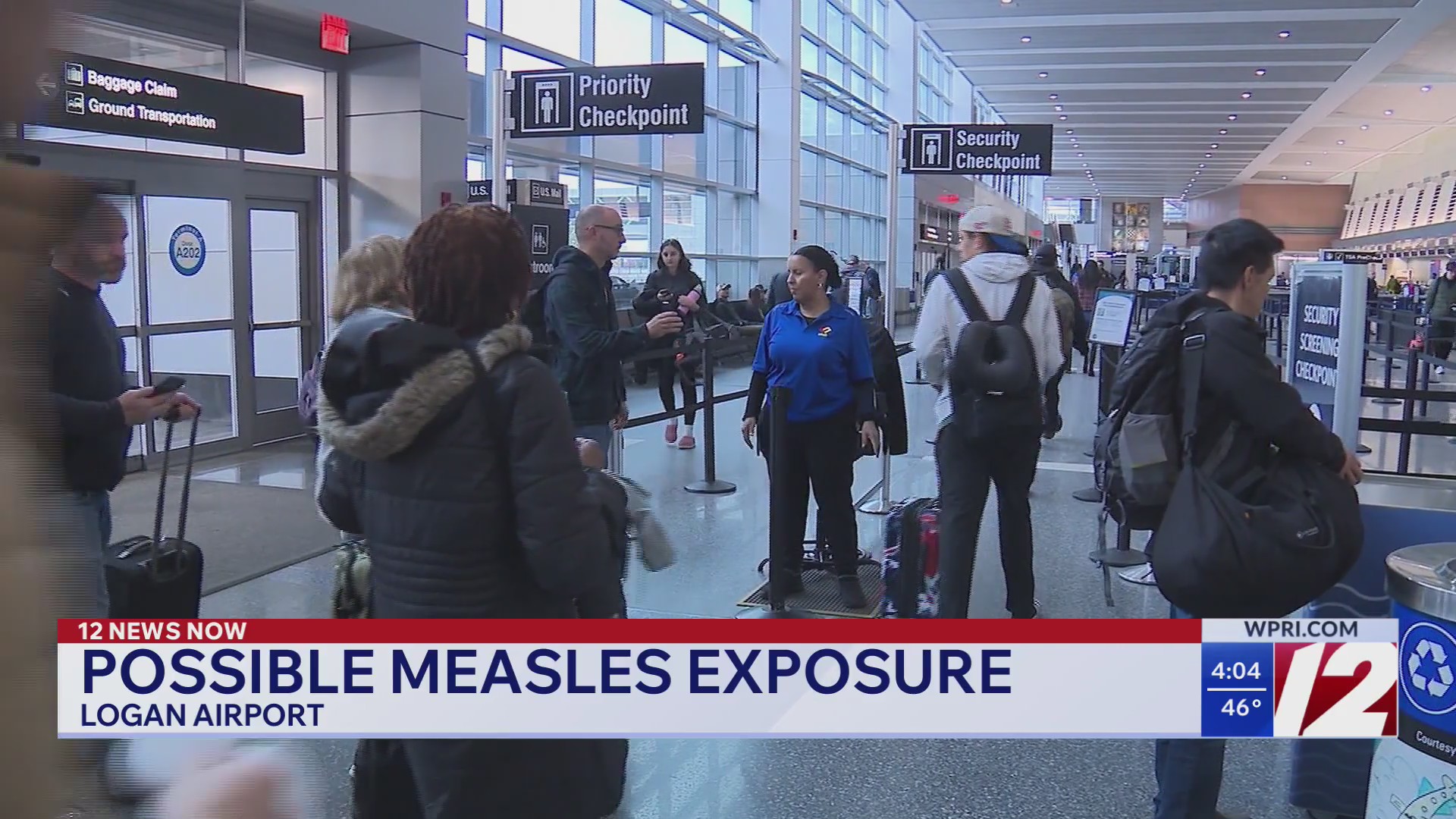
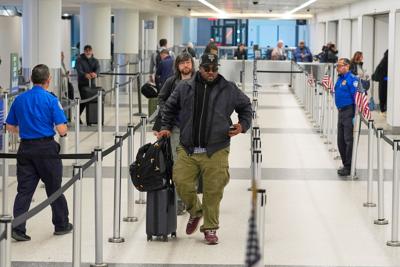
The April 14, 2026 measles exposure incident at Boston Logan International Airport—where an infected JetBlue Airways passenger (Flight 470 from Fort Lauderdale) passed through Terminal C between midnight and 2:30 a.m.—represents a critical operational risk signal for cross-border e-commerce sellers managing international shipments through this major logistics hub. The Boston Public Health Commission and Massachusetts Department of Public Health identified potential exposure for terminal visitors and flight passengers, with health officials requiring unvaccinated individuals to avoid public places including workplaces and stores for 21 days (through May 5, 2026). Massachusetts has recorded two confirmed measles cases among residents in 2026, reflecting declining vaccination rates that reduce population immunity according to Dr. Richard Ellison of UMass Memorial Medical Center.
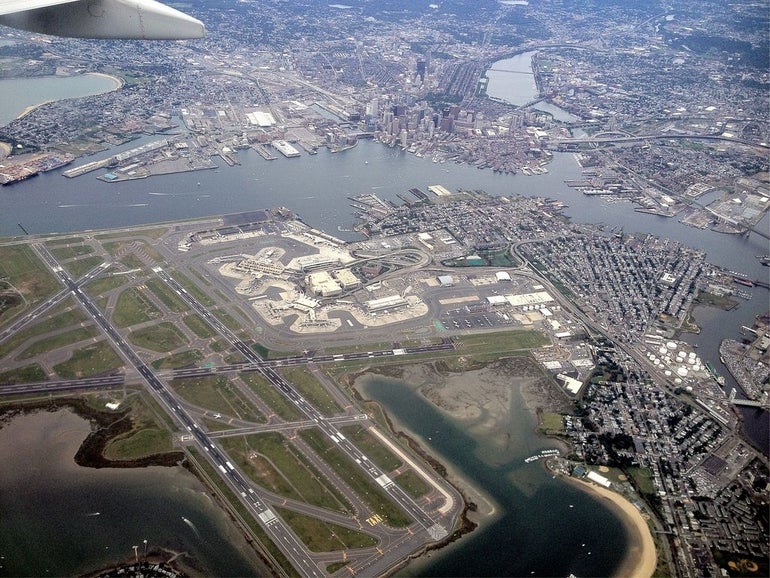
For cross-border e-commerce operations, this incident directly impacts supply chain continuity and workforce management. Boston Logan serves as a critical air freight hub for international sellers shipping to North America, particularly for electronics, apparel, and specialty goods categories. The measles exposure creates three operational vulnerabilities: (1) Personnel availability disruption—unvaccinated logistics workers, customs brokers, and 3PL staff may face 21-day work restrictions if exposed, reducing terminal processing capacity; (2) Enhanced cleaning protocols—Massport implemented additional terminal sanitization procedures that can delay cargo processing by 4-8 hours during peak periods; (3) Health screening requirements—international air freight may face enhanced health documentation requirements, adding 1-2 business days to customs clearance timelines. Sellers managing time-sensitive shipments (perishables, seasonal inventory, just-in-time fulfillment) face potential delays of 3-7 days if personnel shortages or enhanced protocols activate.
The broader context reveals systemic supply chain vulnerability to infectious disease events. The incident demonstrates how quickly infectious diseases spread across state lines through air travel networks—the infected individual traveled from Fort Lauderdale through Boston to out-of-state destinations, creating multi-state exposure chains. For sellers relying on Boston Logan for 40-60% of Northeast distribution, alternative logistics planning becomes critical. Sellers should immediately audit their 3PL provider vaccination rates, establish backup fulfillment routes through alternative hubs (Newark, Philadelphia, New York JFK), and implement health monitoring protocols for logistics personnel. The incident also signals potential demand surge for health-related products: medical masks, sanitizers, thermometers, and vaccination-related merchandise may see 15-25% traffic increases during public health alert periods, creating short-term selling opportunities in health and wellness categories on Amazon, eBay, and Shopify platforms.
Questions 8
How does the Boston Logan measles exposure impact cross-border sellers shipping through this hub?
The April 14, 2026 measles exposure at Boston Logan creates three direct operational risks: (1) Personnel shortages—unvaccinated logistics workers face 21-day work restrictions if exposed, reducing cargo processing capacity by 15-25%; (2) Processing delays—enhanced terminal cleaning protocols add 4-8 hours to cargo handling during peak periods; (3) Customs clearance slowdowns—health screening requirements may extend clearance timelines by 1-2 business days. Sellers managing time-sensitive shipments (perishables, seasonal goods, just-in-time inventory) should expect 3-7 day delays if personnel disruptions activate. Immediate action: Contact your 3PL provider to confirm vaccination rates and establish backup fulfillment routes through Newark, Philadelphia, or New York JFK hubs.
What compliance documentation do sellers need for international shipments during health alerts?
During public health alerts, customs authorities may require additional health documentation: (1) Shipper vaccination status confirmation; (2) Product health/safety certifications (for medical supplies); (3) Enhanced cargo manifest details; (4) Carrier health screening protocols. For sellers shipping medical products (masks, sanitizers, thermometers), FDA compliance becomes critical—ensure all products meet regulatory standards before shipment. International shipments may face 1-2 day delays for document review. Sellers should: (1) Maintain digital copies of all health certifications; (2) Verify 3PL provider compliance documentation systems; (3) Communicate with customs brokers about alert-period procedures; (4) Update product listings to highlight health/safety certifications. This is particularly important for sellers targeting EU markets, where health product regulations are stricter. Proactive compliance reduces clearance delays and avoids customs holds that can extend to 5-7 days.