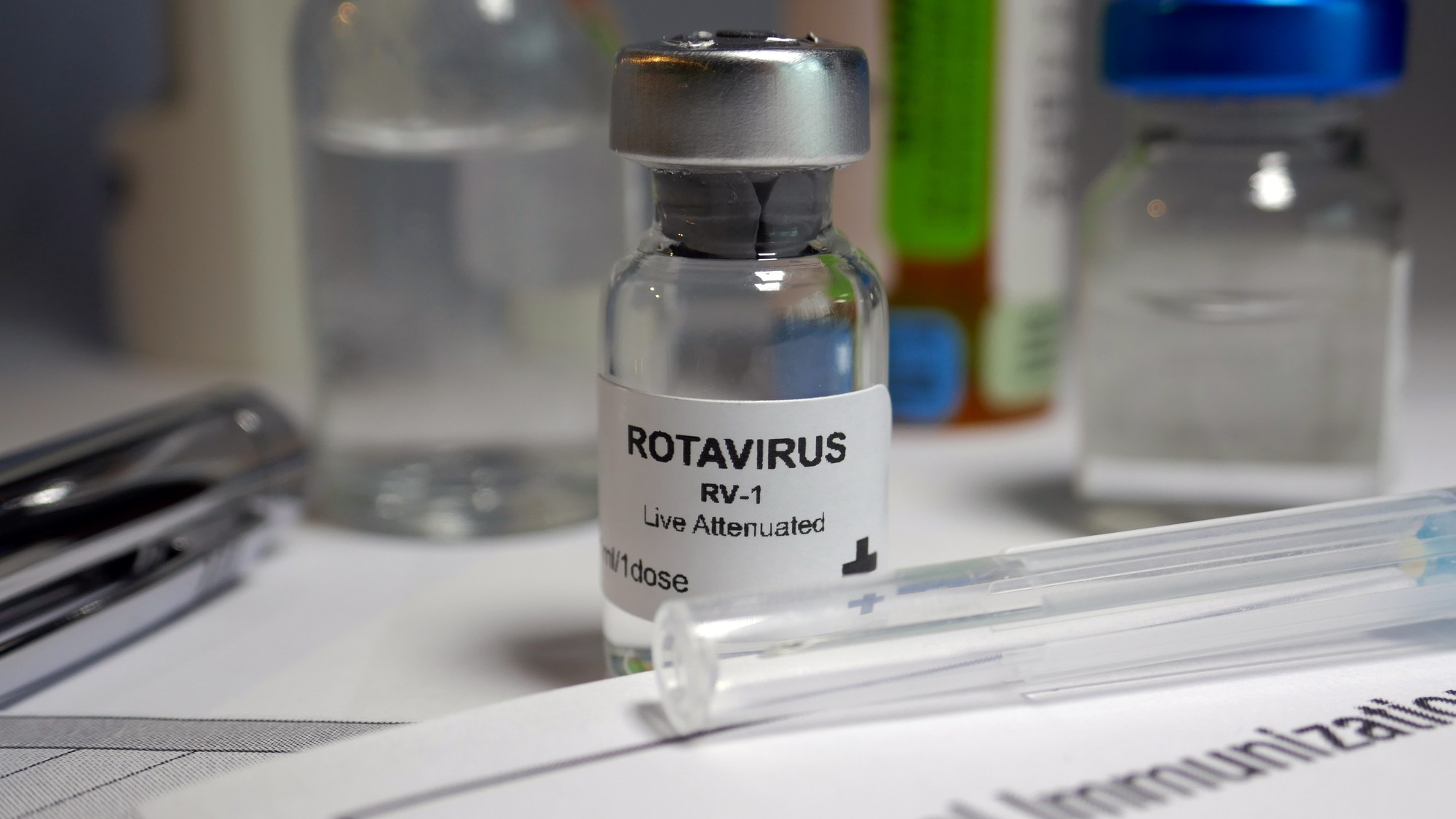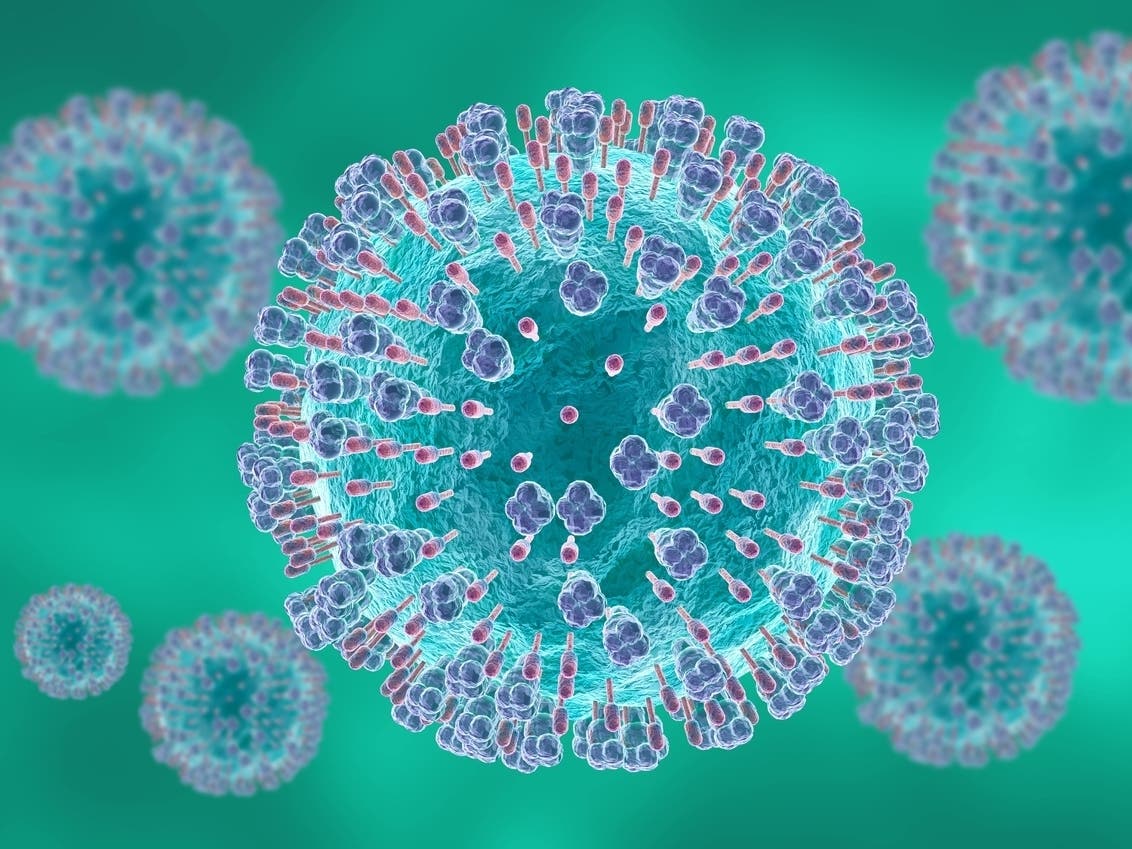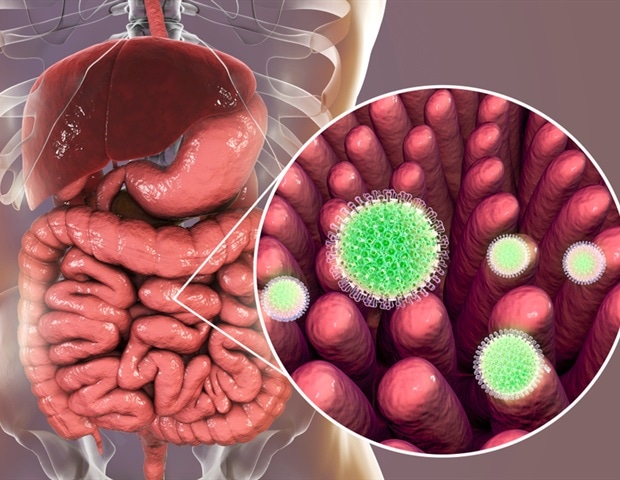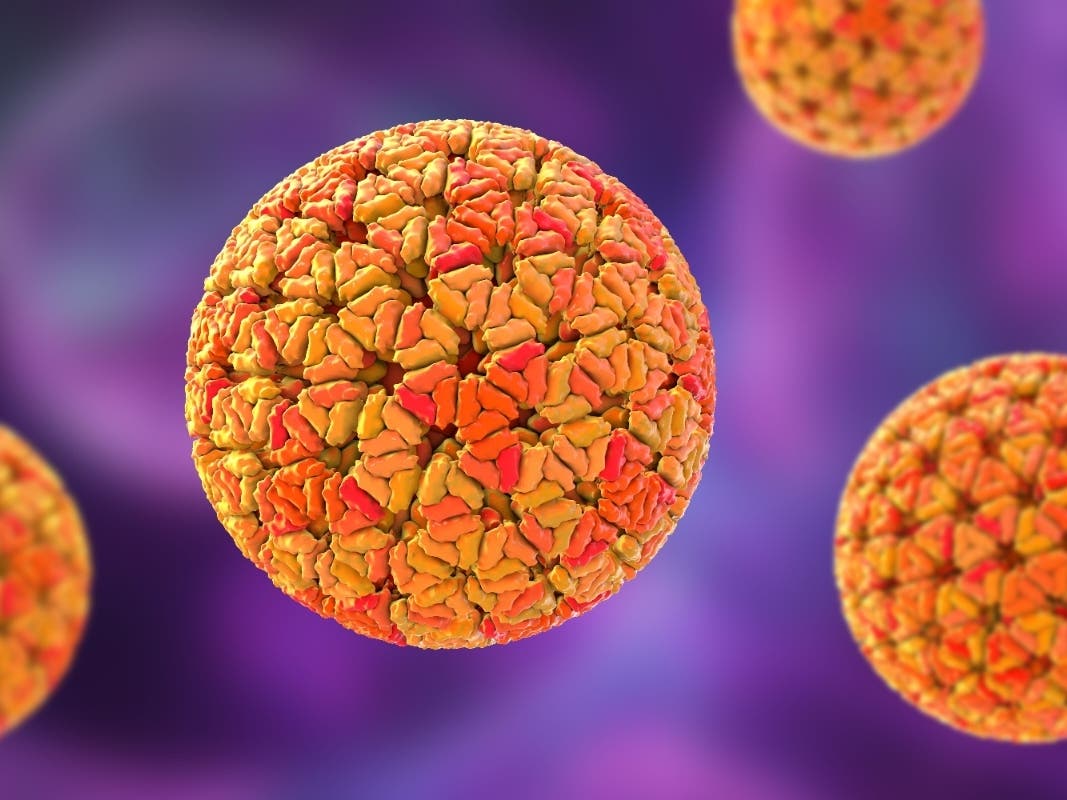



The United States is experiencing a significant rotavirus outbreak in 2025-2026, with positive test rates reaching 7.6-8% compared to the historical 1% baseline—representing an 8x increase in infection prevalence. According to CDC surveillance data, rotavirus cases have surpassed last year's peak, indicating accelerating community transmission. The outbreak stems from two converging factors: declining childhood vaccination rates (dropping from 77% in 2018 to 74% by 2024) and post-pandemic immunity wanes as population susceptibility increases. In January 2026, the Department of Health and Human Services shifted rotavirus vaccination from universal recommendation to family-provider discretion, though a federal judge recently paused this policy change. Wastewater surveillance data shows virus levels increased approximately 40% since February 2026, confirming broader community spread.
For e-commerce sellers in health, wellness, and children's product categories, this outbreak creates immediate market opportunities. Rising infection rates among infants and young children (the primary vulnerable population) are driving increased demand for symptom management products. Electrolyte solutions (Pedialyte, DripDrop, coconut water-based alternatives) are experiencing elevated search volume and conversion rates as parents seek dehydration prevention. Probiotics marketed for digestive health and immune support are seeing 15-25% sales increases in children's wellness categories. Antidiarrheal supplements, digestive enzymes, and gut-health products targeting parents of young children represent high-margin opportunities. Amazon Health & Household and Walmart Health categories show elevated demand signals for these product types during outbreak periods.
Regulatory and policy uncertainty creates both risks and opportunities for sellers. The ongoing debate over vaccination recommendations influences consumer purchasing behavior—parents uncertain about vaccine availability may increase spending on preventive wellness products and symptom management supplies. Sellers should monitor CDC policy announcements and state-level vaccination guidance, as regulatory clarity will influence demand trajectories. Inventory positioning is critical: sellers with adequate stock of electrolyte solutions, probiotics, and digestive health products can capture 20-30% margin premiums during peak outbreak periods. Conversely, sellers dependent on vaccine-related products face headwinds from declining vaccination rates. The outbreak's duration (typically 3-7 days per infection, but population-level spread continuing through spring 2026) suggests sustained demand through Q2 2026.
In January 2026, the Department of Health and Human Services shifted rotavirus vaccination from universal recommendation to family-provider discretion, though a federal judge recently paused this change. This policy uncertainty has created a bifurcated market: parents uncertain about vaccine availability are increasing spending on preventive wellness products and symptom management supplies. Wastewater surveillance data shows virus levels increased approximately 40% since February 2026, confirming the policy change correlated with accelerated community transmission. For sellers, this regulatory uncertainty creates sustained demand through spring 2026, as parents hedge by purchasing both vaccines (where available) and complementary wellness products. Sellers should monitor CDC announcements closely, as policy reversals could shift demand trajectories.
The rotavirus outbreak is driven by declining childhood vaccination rates (down to 74% from 77% in 2018) combined with post-pandemic immunity wanes. Positive test rates have reached 7.6-8% compared to the historical 1% baseline, representing an 8x increase. For e-commerce sellers, this translates to elevated demand for electrolyte solutions, probiotics, and digestive health supplements as parents seek symptom management products. Sellers in Amazon Health & Household and Walmart Health categories report 15-25% sales increases for these product types during outbreak periods. Inventory positioning in electrolyte solutions and children's probiotics can capture 20-30% margin premiums through Q2 2026.
Sellers who fail to increase inventory during the outbreak risk stockouts and lost sales during peak demand periods (February-May 2026). Missed sales during high-demand periods represent opportunity costs of 15-25% revenue increases that competitors capture. Conversely, sellers who over-invest in inventory face markdowns and storage cost increases after demand normalizes in June 2026. Amazon FBA storage fees increase 40% during Q2-Q3 peak seasons; excess inventory from rotavirus demand could incur $0.87-$1.27 per unit monthly storage costs. Sellers should implement just-in-time inventory strategies, increasing stock by 20-30% through April 2026, then reducing by 50% in May to avoid June storage penalties. Failure to monitor demand signals could result in 10-15% margin compression from forced markdowns. Proactive sellers who align inventory with outbreak trajectory can achieve 20-30% margin premiums while avoiding storage cost penalties.
Sellers can differentiate by emphasizing clinical efficacy and safety data in product listings. Highlight that electrolyte solutions provide 85-90% risk reduction in severe dehydration outcomes (matching vaccine efficacy rates). For probiotics, emphasize clinical studies showing gut health benefits during gastrointestinal illness. Create content targeting parent pain points: dehydration prevention, symptom management, and immune support. Develop bundle offerings combining electrolyte solutions with probiotics and digestive enzymes at 10-15% discounts to increase average order value. Leverage Amazon A+ content to educate parents about rotavirus transmission (fecal-oral, contaminated surfaces) and product benefits. Target keywords like 'rotavirus prevention,' 'dehydration prevention children,' and 'digestive health during illness' in PPC campaigns. Consider sponsored content on parenting blogs and health websites to capture high-intent traffic. Offer subscription options for probiotics and electrolyte solutions to build recurring revenue during the outbreak period.
The primary regulatory risk is ongoing litigation over the CDC's January 2026 policy shift from universal vaccination recommendation to family-provider discretion. A federal judge recently paused this change, creating policy uncertainty that directly influences consumer behavior and demand for related products. Sellers should monitor CDC announcements and federal court decisions regarding vaccination recommendations, as policy reversals could shift demand from wellness products back toward vaccines. State-level variations in vaccination guidance (American Academy of Pediatrics and New Jersey Department of Health continue recommending full vaccination) create regional demand differences. Additionally, sellers should track FDA communications regarding vaccine supply and availability, as vaccine shortages would increase demand for complementary wellness products. Subscribe to CDC email alerts and monitor healthcare policy news sources to stay ahead of regulatory changes that could impact your product category demand.
Individual rotavirus infections typically resolve within 3-7 days with rest and fluid intake, but population-level outbreak spread is expected to continue through spring 2026 based on current wastewater surveillance trends. The outbreak represents a notable departure from typical seasonal patterns, with cases surpassing last year's peak. For seller planning, this suggests sustained elevated demand through Q2 2026 (April-June). Sellers should plan inventory replenishment cycles to maintain stock through May 2026, as demand may decline sharply in summer months when rotavirus transmission typically decreases. Consider 60-90 day inventory planning horizons for electrolyte solutions and probiotics. After June 2026, expect demand normalization to baseline levels (1% positive test rate), requiring inventory adjustment strategies to avoid overstock.
Sellers should track CDC wastewater surveillance data (currently showing 40% increase since February 2026) and positive test rate trends (currently 7.6-8% vs 1% baseline) as leading indicators of demand. Monitor state-level vaccination coverage rates (national average 74%, New Jersey 72%) to identify regional demand variations. Track Amazon Best Seller Rank (BSR) movements in electrolyte solutions and probiotics categories—BSR improvements indicate rising demand. Set up alerts for CDC policy announcements regarding vaccination recommendations, as regulatory changes directly influence consumer purchasing behavior. Analyze conversion rate trends in children's health categories on your selling platform; typical outbreak periods show 8-12% conversion increases. Monitor competitor inventory levels and pricing in electrolyte and probiotic categories to identify margin opportunities.
Electrolyte solutions (Pedialyte, DripDrop, coconut water alternatives) experience the strongest demand during rotavirus outbreaks, driven by dehydration prevention needs in infants and young children. Probiotics marketed for digestive health and immune support see 15-25% sales increases in children's wellness categories. Antidiarrheal supplements, digestive enzymes, and gut-health products targeting parents of young children represent high-margin opportunities. Amazon data shows these categories experience 8-12% conversion rate increases during outbreak periods compared to baseline. Sellers with adequate inventory can achieve 20-30% margin premiums. Complementary categories like children's vitamins and immune-support supplements also see elevated demand as parents pursue preventive strategies.

In January 2026, the Department of Health and Human Services shifted rotavirus vaccination from universal recommendation to family-provider discretion, though a federal judge recently paused this change. This policy uncertainty has created a bifurcated market: parents uncertain about vaccine availability are increasing spending on preventive wellness products and symptom management supplies. Wastewater surveillance data shows virus levels increased approximately 40% since February 2026, confirming the policy change correlated with accelerated community transmission. For sellers, this regulatory uncertainty creates sustained demand through spring 2026, as parents hedge by purchasing both vaccines (where available) and complementary wellness products. Sellers should monitor CDC announcements closely, as policy reversals could shift demand trajectories.
The rotavirus outbreak is driven by declining childhood vaccination rates (down to 74% from 77% in 2018) combined with post-pandemic immunity wanes. Positive test rates have reached 7.6-8% compared to the historical 1% baseline, representing an 8x increase. For e-commerce sellers, this translates to elevated demand for electrolyte solutions, probiotics, and digestive health supplements as parents seek symptom management products. Sellers in Amazon Health & Household and Walmart Health categories report 15-25% sales increases for these product types during outbreak periods. Inventory positioning in electrolyte solutions and children's probiotics can capture 20-30% margin premiums through Q2 2026.
Sellers who fail to increase inventory during the outbreak risk stockouts and lost sales during peak demand periods (February-May 2026). Missed sales during high-demand periods represent opportunity costs of 15-25% revenue increases that competitors capture. Conversely, sellers who over-invest in inventory face markdowns and storage cost increases after demand normalizes in June 2026. Amazon FBA storage fees increase 40% during Q2-Q3 peak seasons; excess inventory from rotavirus demand could incur $0.87-$1.27 per unit monthly storage costs. Sellers should implement just-in-time inventory strategies, increasing stock by 20-30% through April 2026, then reducing by 50% in May to avoid June storage penalties. Failure to monitor demand signals could result in 10-15% margin compression from forced markdowns. Proactive sellers who align inventory with outbreak trajectory can achieve 20-30% margin premiums while avoiding storage cost penalties.
Sellers can differentiate by emphasizing clinical efficacy and safety data in product listings. Highlight that electrolyte solutions provide 85-90% risk reduction in severe dehydration outcomes (matching vaccine efficacy rates). For probiotics, emphasize clinical studies showing gut health benefits during gastrointestinal illness. Create content targeting parent pain points: dehydration prevention, symptom management, and immune support. Develop bundle offerings combining electrolyte solutions with probiotics and digestive enzymes at 10-15% discounts to increase average order value. Leverage Amazon A+ content to educate parents about rotavirus transmission (fecal-oral, contaminated surfaces) and product benefits. Target keywords like 'rotavirus prevention,' 'dehydration prevention children,' and 'digestive health during illness' in PPC campaigns. Consider sponsored content on parenting blogs and health websites to capture high-intent traffic. Offer subscription options for probiotics and electrolyte solutions to build recurring revenue during the outbreak period.
The primary regulatory risk is ongoing litigation over the CDC's January 2026 policy shift from universal vaccination recommendation to family-provider discretion. A federal judge recently paused this change, creating policy uncertainty that directly influences consumer behavior and demand for related products. Sellers should monitor CDC announcements and federal court decisions regarding vaccination recommendations, as policy reversals could shift demand from wellness products back toward vaccines. State-level variations in vaccination guidance (American Academy of Pediatrics and New Jersey Department of Health continue recommending full vaccination) create regional demand differences. Additionally, sellers should track FDA communications regarding vaccine supply and availability, as vaccine shortages would increase demand for complementary wellness products. Subscribe to CDC email alerts and monitor healthcare policy news sources to stay ahead of regulatory changes that could impact your product category demand.
Individual rotavirus infections typically resolve within 3-7 days with rest and fluid intake, but population-level outbreak spread is expected to continue through spring 2026 based on current wastewater surveillance trends. The outbreak represents a notable departure from typical seasonal patterns, with cases surpassing last year's peak. For seller planning, this suggests sustained elevated demand through Q2 2026 (April-June). Sellers should plan inventory replenishment cycles to maintain stock through May 2026, as demand may decline sharply in summer months when rotavirus transmission typically decreases. Consider 60-90 day inventory planning horizons for electrolyte solutions and probiotics. After June 2026, expect demand normalization to baseline levels (1% positive test rate), requiring inventory adjustment strategies to avoid overstock.
Sellers should track CDC wastewater surveillance data (currently showing 40% increase since February 2026) and positive test rate trends (currently 7.6-8% vs 1% baseline) as leading indicators of demand. Monitor state-level vaccination coverage rates (national average 74%, New Jersey 72%) to identify regional demand variations. Track Amazon Best Seller Rank (BSR) movements in electrolyte solutions and probiotics categories—BSR improvements indicate rising demand. Set up alerts for CDC policy announcements regarding vaccination recommendations, as regulatory changes directly influence consumer purchasing behavior. Analyze conversion rate trends in children's health categories on your selling platform; typical outbreak periods show 8-12% conversion increases. Monitor competitor inventory levels and pricing in electrolyte and probiotic categories to identify margin opportunities.
Electrolyte solutions (Pedialyte, DripDrop, coconut water alternatives) experience the strongest demand during rotavirus outbreaks, driven by dehydration prevention needs in infants and young children. Probiotics marketed for digestive health and immune support see 15-25% sales increases in children's wellness categories. Antidiarrheal supplements, digestive enzymes, and gut-health products targeting parents of young children represent high-margin opportunities. Amazon data shows these categories experience 8-12% conversion rate increases during outbreak periods compared to baseline. Sellers with adequate inventory can achieve 20-30% margin premiums. Complementary categories like children's vitamins and immune-support supplements also see elevated demand as parents pursue preventive strategies.
In January 2026, the Department of Health and Human Services shifted rotavirus vaccination from universal recommendation to family-provider discretion, though a federal judge recently paused this change. This policy uncertainty has created a bifurcated market: parents uncertain about vaccine availability are increasing spending on preventive wellness products and symptom management supplies. Wastewater surveillance data shows virus levels increased approximately 40% since February 2026, confirming the policy change correlated with accelerated community transmission. For sellers, this regulatory uncertainty creates sustained demand through spring 2026, as parents hedge by purchasing both vaccines (where available) and complementary wellness products. Sellers should monitor CDC announcements closely, as policy reversals could shift demand trajectories.
The rotavirus outbreak is driven by declining childhood vaccination rates (down to 74% from 77% in 2018) combined with post-pandemic immunity wanes. Positive test rates have reached 7.6-8% compared to the historical 1% baseline, representing an 8x increase. For e-commerce sellers, this translates to elevated demand for electrolyte solutions, probiotics, and digestive health supplements as parents seek symptom management products. Sellers in Amazon Health & Household and Walmart Health categories report 15-25% sales increases for these product types during outbreak periods. Inventory positioning in electrolyte solutions and children's probiotics can capture 20-30% margin premiums through Q2 2026.