




Russia's Energy Export Lifeline Unravels: Strategic Collapse in Oil and Gas Revenue
- Geopolitical Pressure Triggers Unprecedented Disruption in Russian Energy Exports

)














)



Overview
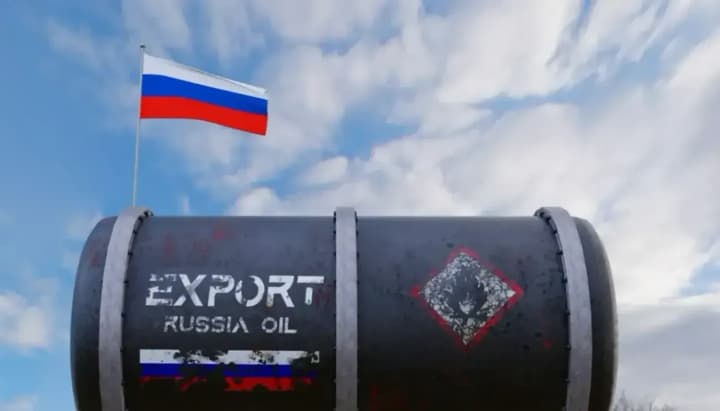
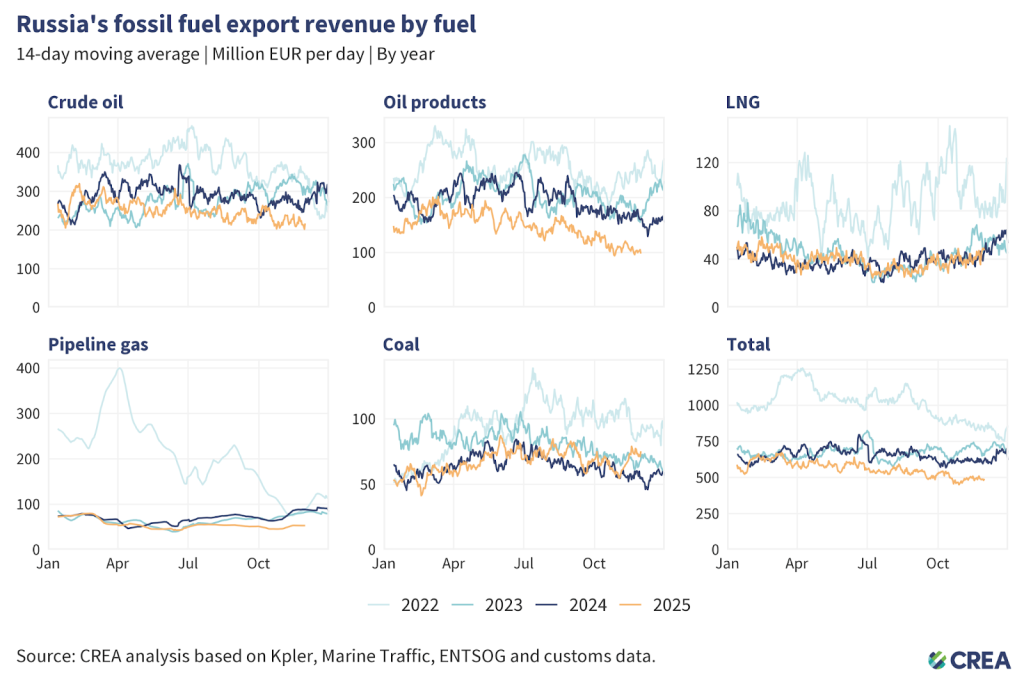
The Russian energy sector is experiencing a profound strategic transformation, driven by a perfect storm of geopolitical pressures, targeted sanctions, and infrastructure vulnerabilities. In a stark illustration of economic warfare, Russian oil and gas revenues are projected to plummet by nearly 50% in December 2025, marking the most significant financial hemorrhage since the COVID-19 pandemic.
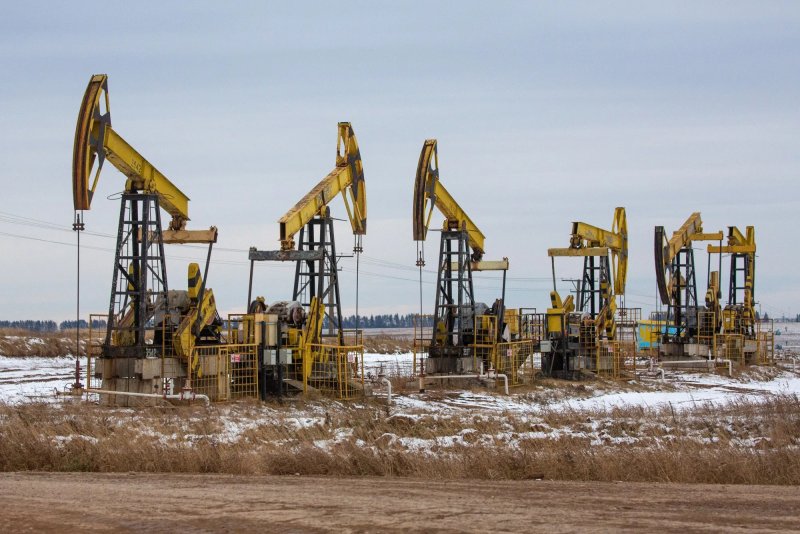
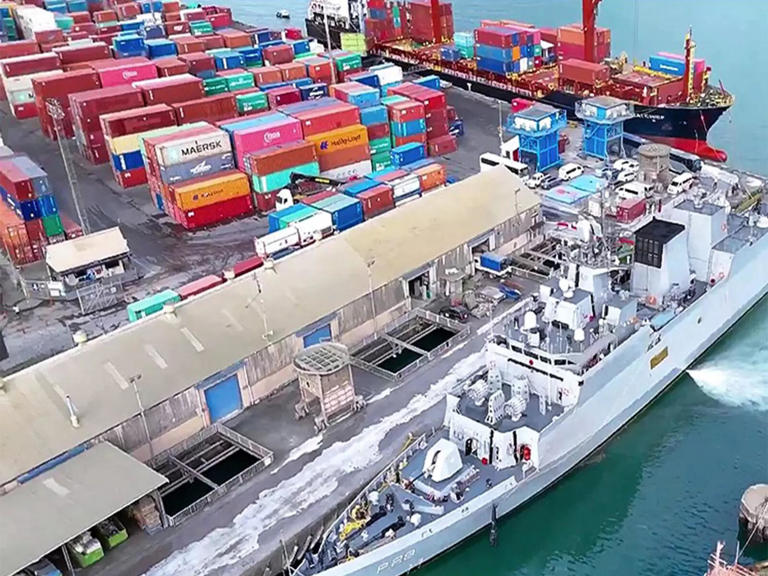
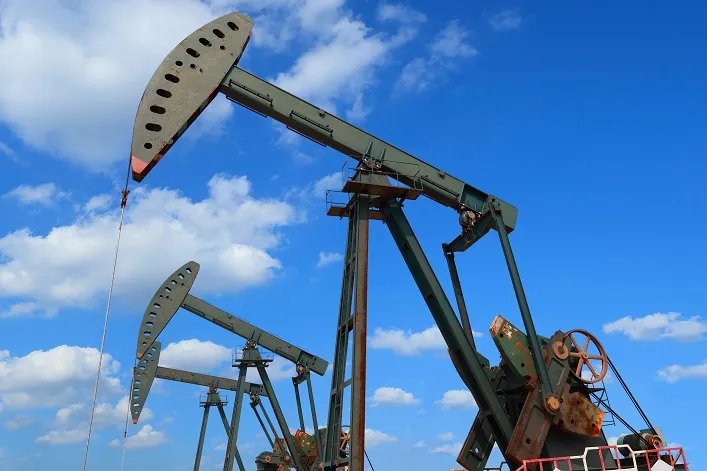
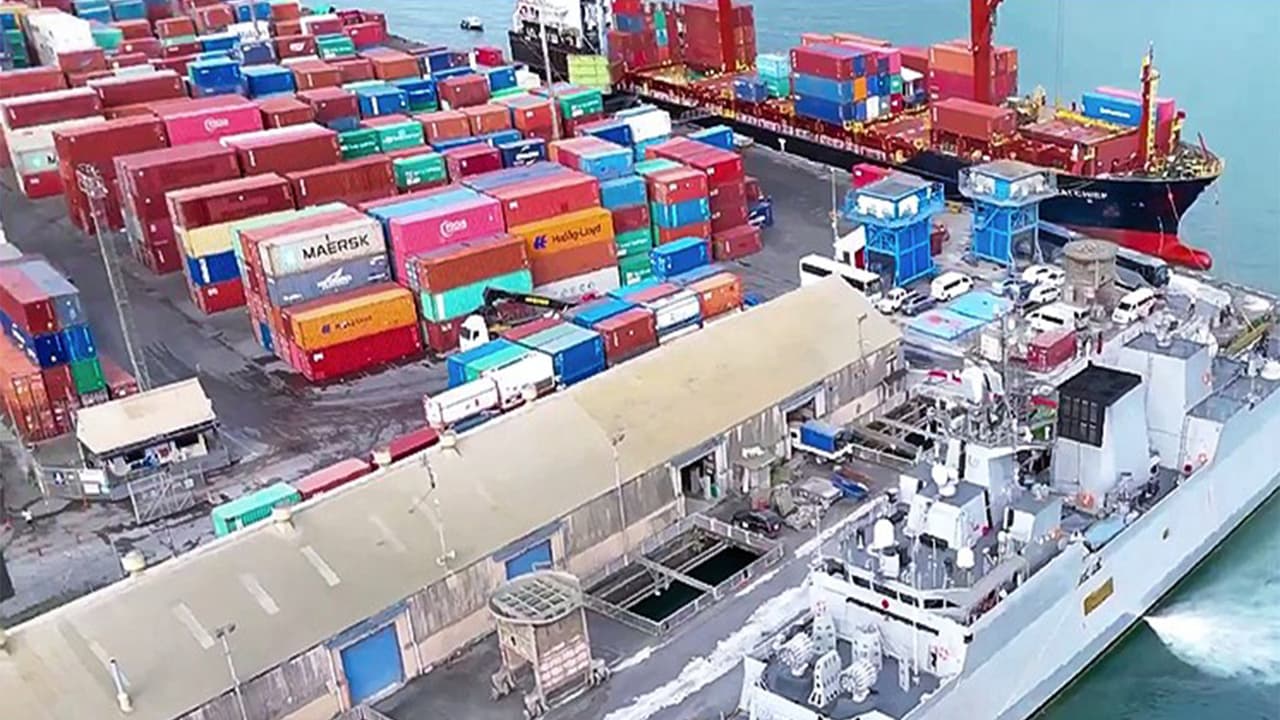
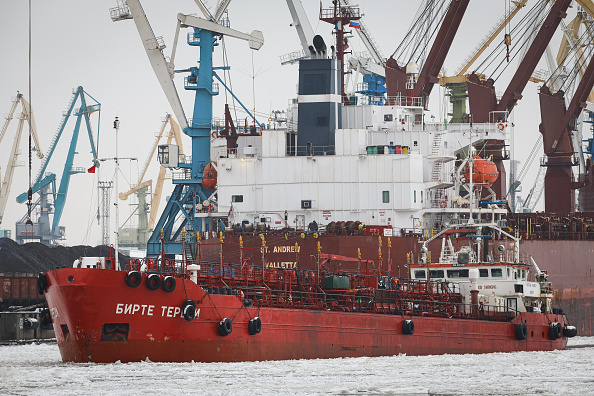
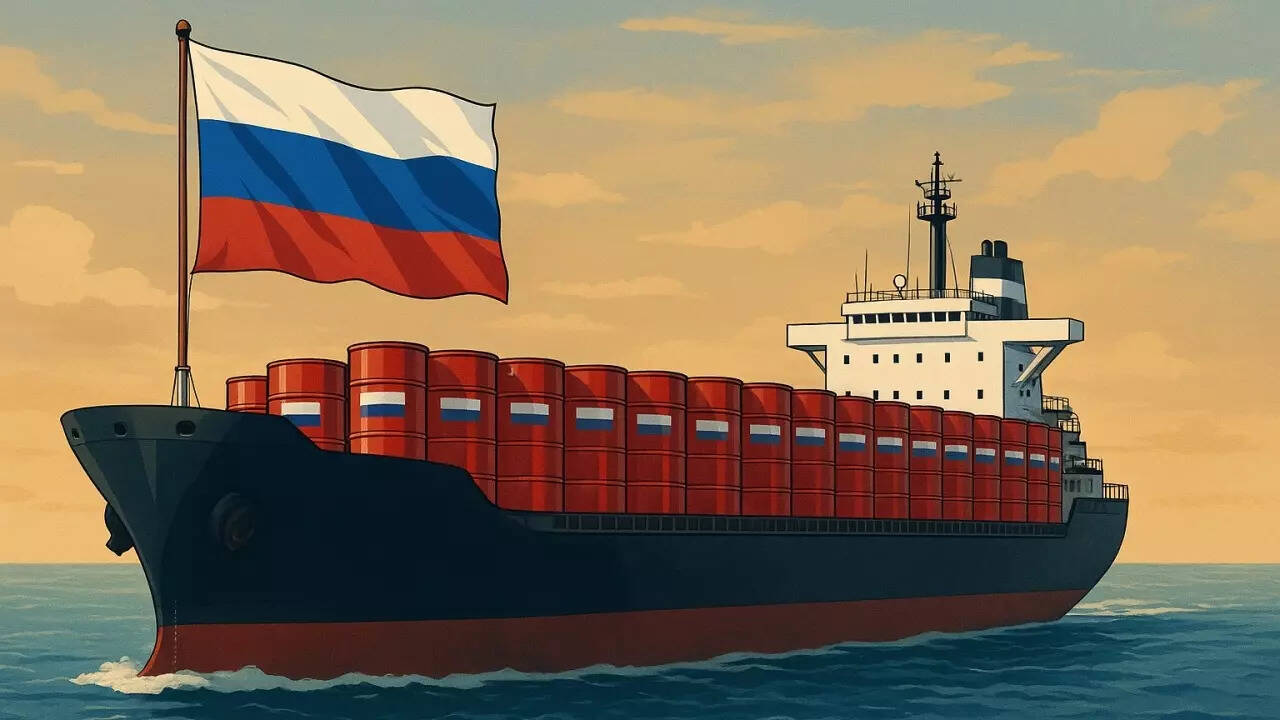
The multifaceted assault on Russia's energy ecosystem reveals a sophisticated strategy of economic attrition. Ukrainian drone strikes have systematically targeted critical oil infrastructure, reducing Black Sea exports by almost 50% and forcing Russia into increasingly precarious logistical adaptations. The 6.5 million dwt tanker deficit, primarily caused by Greek shipowners withdrawing support, symbolizes more than a transportation challenge—it represents a strategic isolation of Russian maritime energy capabilities.
Financial indicators paint a dire picture: annual oil and gas revenues are expected to drop by 24% to 8.44 trillion roubles, significantly below initial ministerial forecasts. This revenue collapse is particularly devastating because oil and gas proceeds constitute approximately 25% of Russia's federal budget. The timing coincides with increased defense spending, creating a potential fiscal stranglehold that constrains national economic maneuverability.
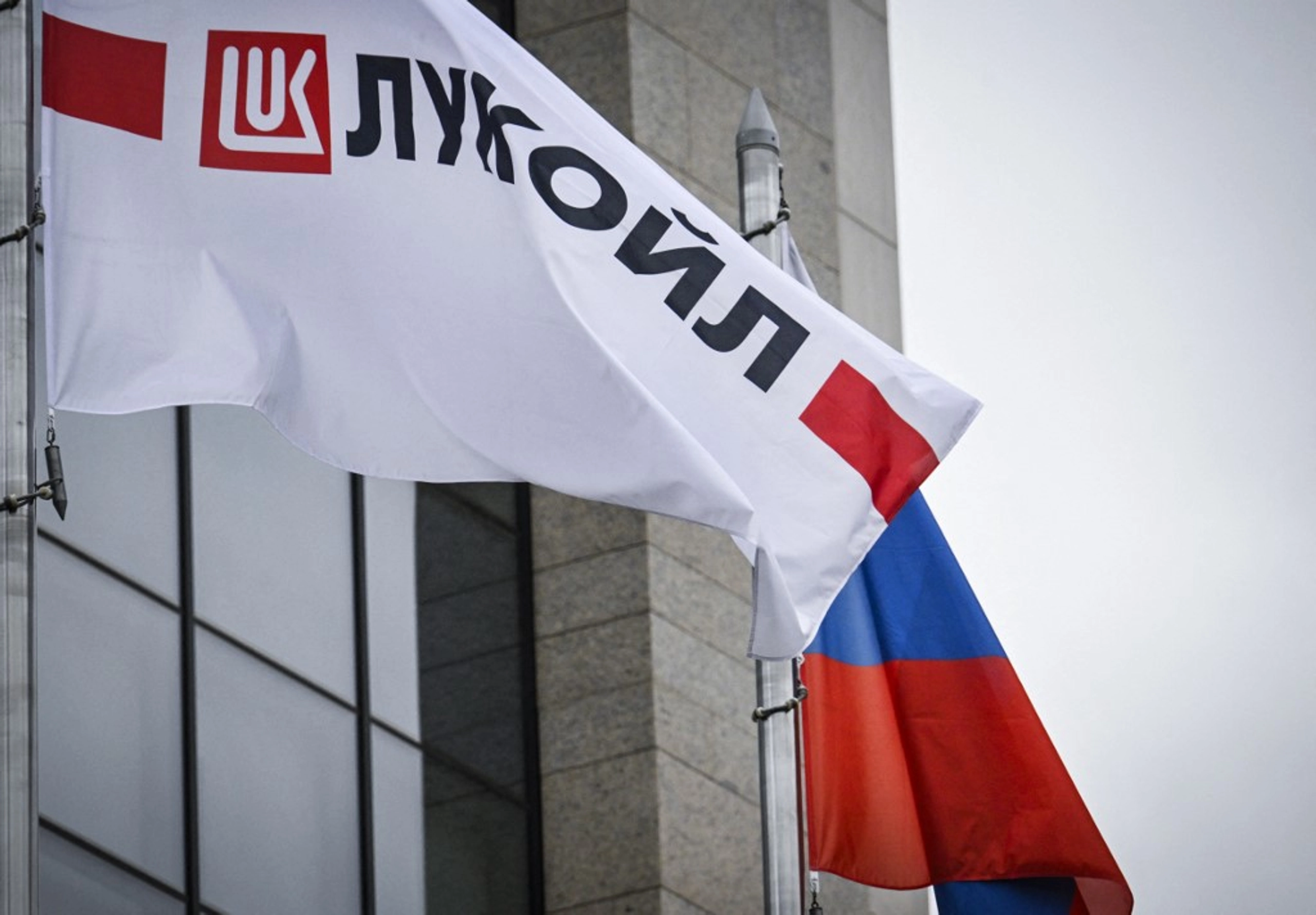
The geopolitical pressure is deliberate and coordinated. Targeted sanctions have forced major Russian oil companies like Lukoil to divest foreign assets, while countries like Bulgaria are seizing strategic refineries. The Saratoga Foundation's analysis suggests Russia now faces an impossible choice: passive vulnerability or risking warship escorts for oil tankers—both options presenting significant strategic compromises.
Remarkably, Russia has attempted partial mitigation strategies, such as increasing exports from Baltic Sea terminals by 20.6% to offset Black Sea disruptions. However, these tactical adjustments cannot compensate for the systemic challenges confronting its energy export infrastructure.
The broader implications extend far beyond immediate financial metrics. This represents a fundamental restructuring of global energy geopolitics, where targeted economic pressure can systematically dismantle a nation's critical revenue streams. For international traders and energy stakeholders, these developments signal an era of unprecedented market volatility and the rising strategic importance of adaptive, resilient supply chain management.
Questions 3
How significant are the revenue losses for Russia's economy?
The projected 50% decline in oil and gas revenues represents a critical blow, with annual revenues expected to drop to 8.44 trillion roubles—approximately 25% below initial forecasts. This reduction directly impacts Russia's federal budget, constraining national financial capabilities during increased defense spending.
How are international actors systematically targeting Russian energy exports?
A coordinated strategy involving Ukrainian drone strikes, international sanctions, and shipping industry withdrawal is systematically undermining Russian oil infrastructure. Tactics include targeted attacks on refineries, sanctions on major oil companies, and creating maritime transportation barriers.