



Malacca Strait Toll Risk Reshapes Asia-Europe Shipping | Seller Cost Impact Analysis
- Indonesia's toll proposal threatens 30-40% of global seaborne trade; cross-border sellers face 8-15% shipping cost increases on Asia-Europe routes; Thailand's $31B land bridge creates alternative logistics corridor by 2027









Overview
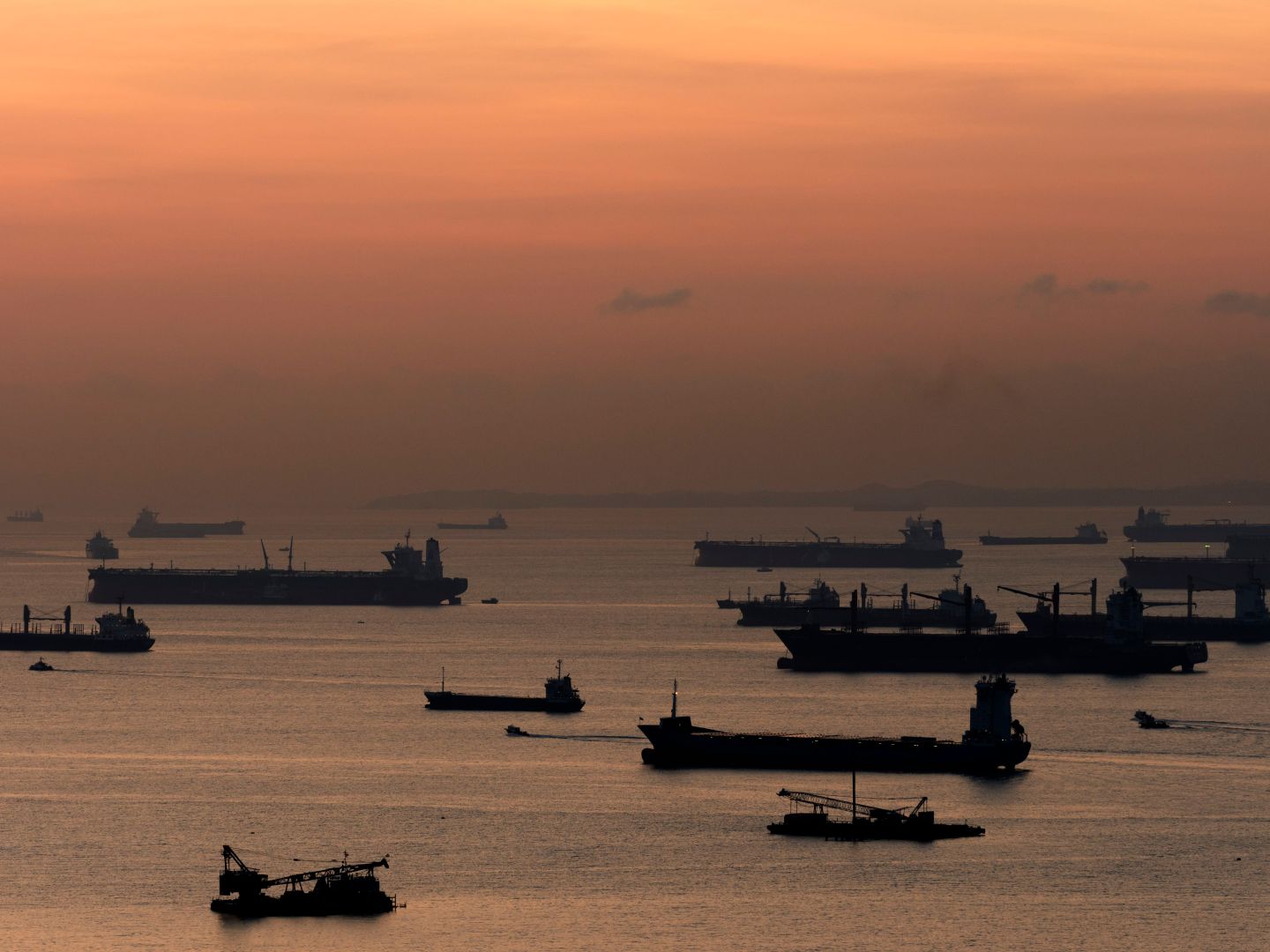
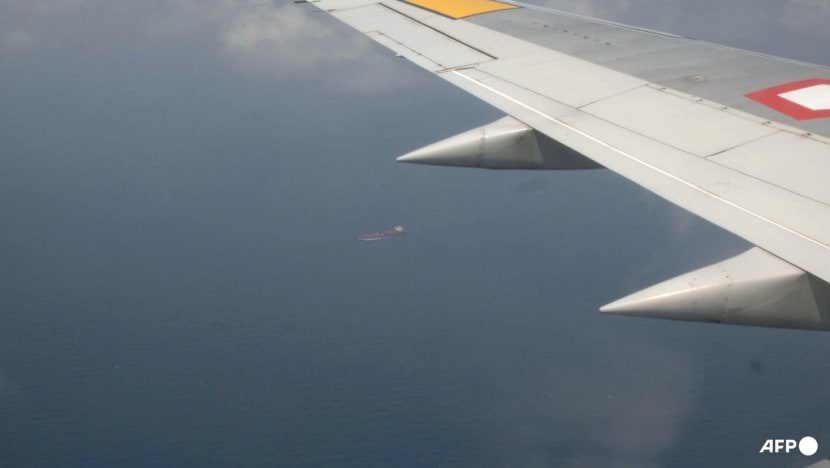
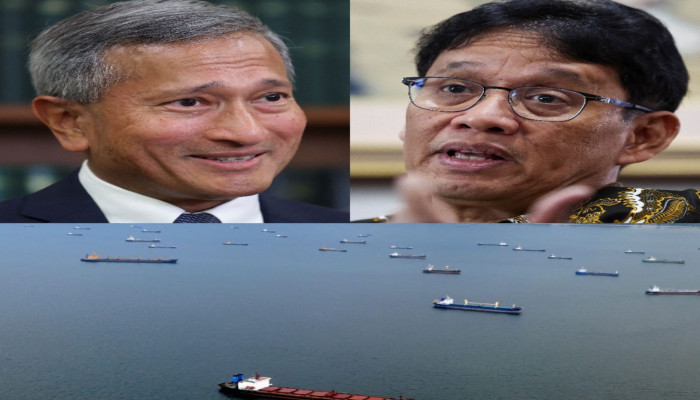
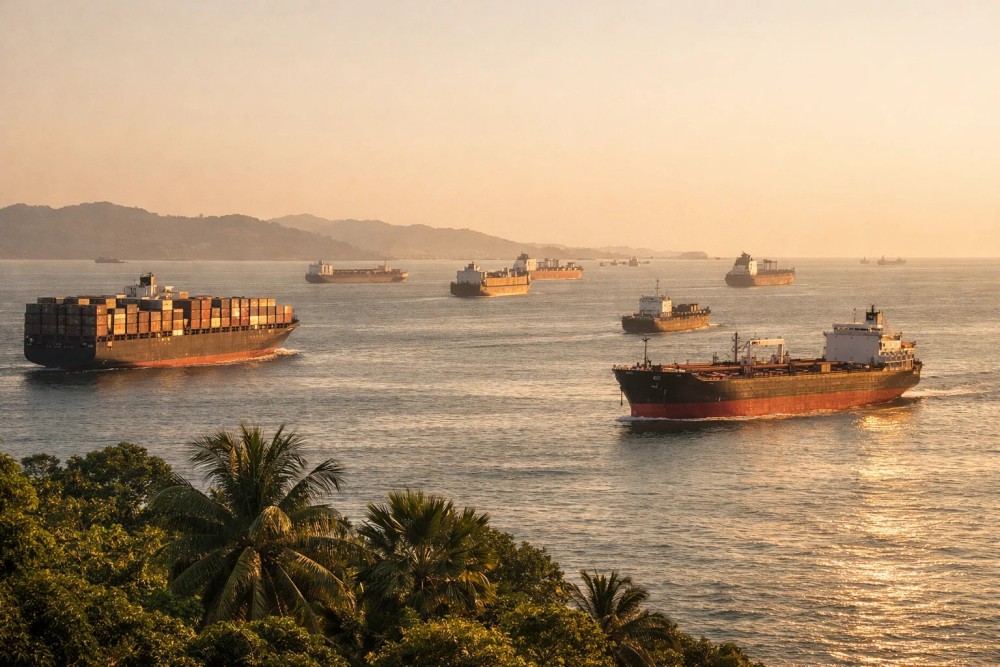
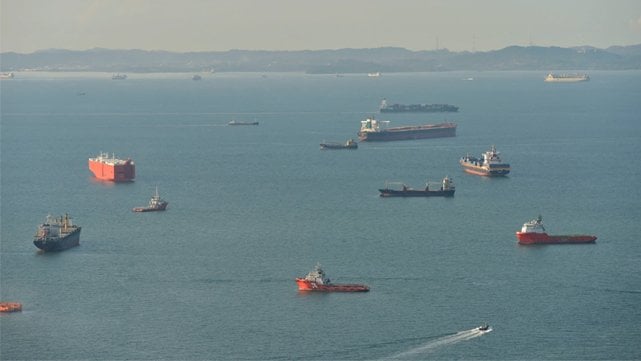
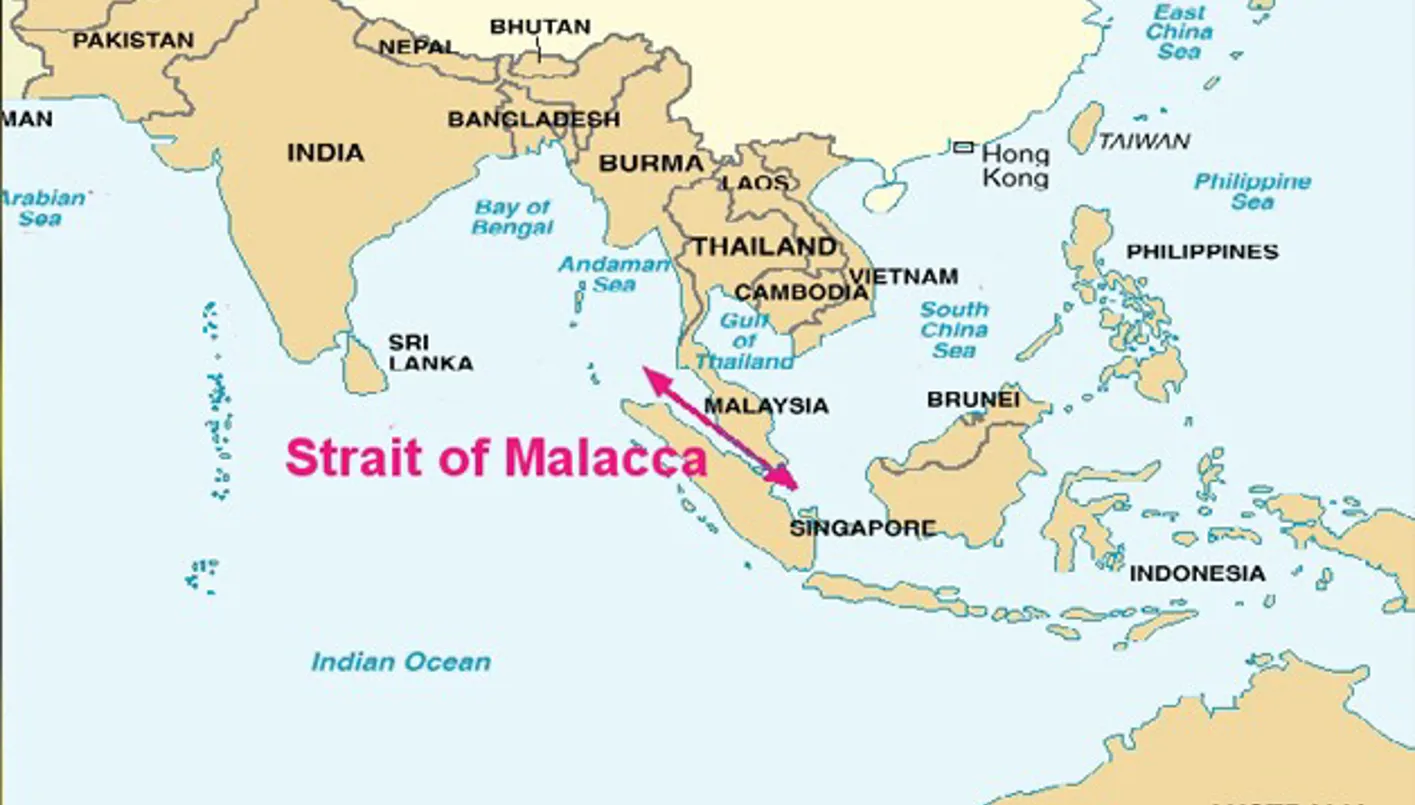
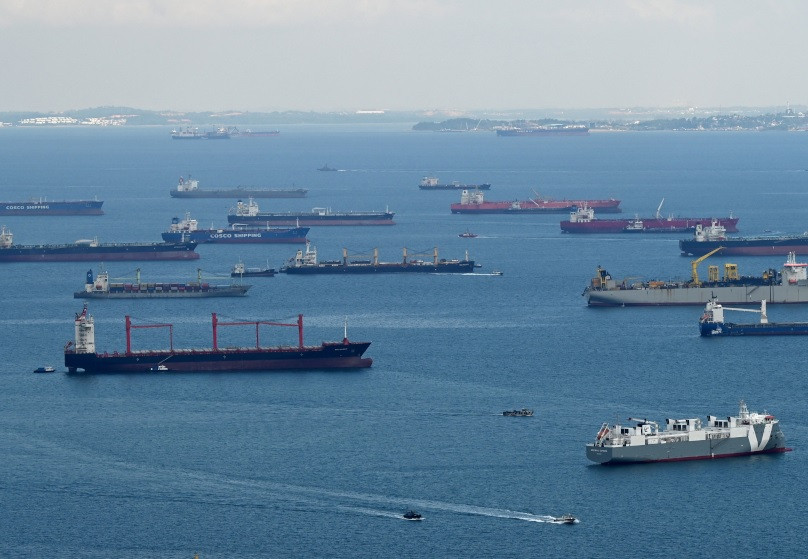
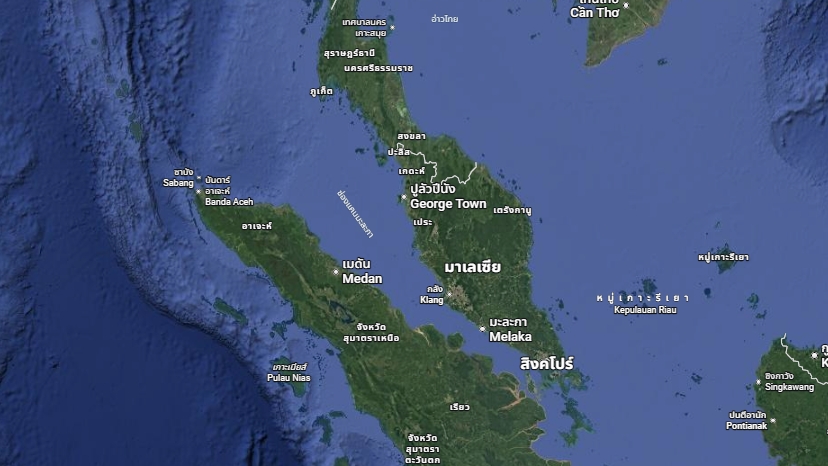
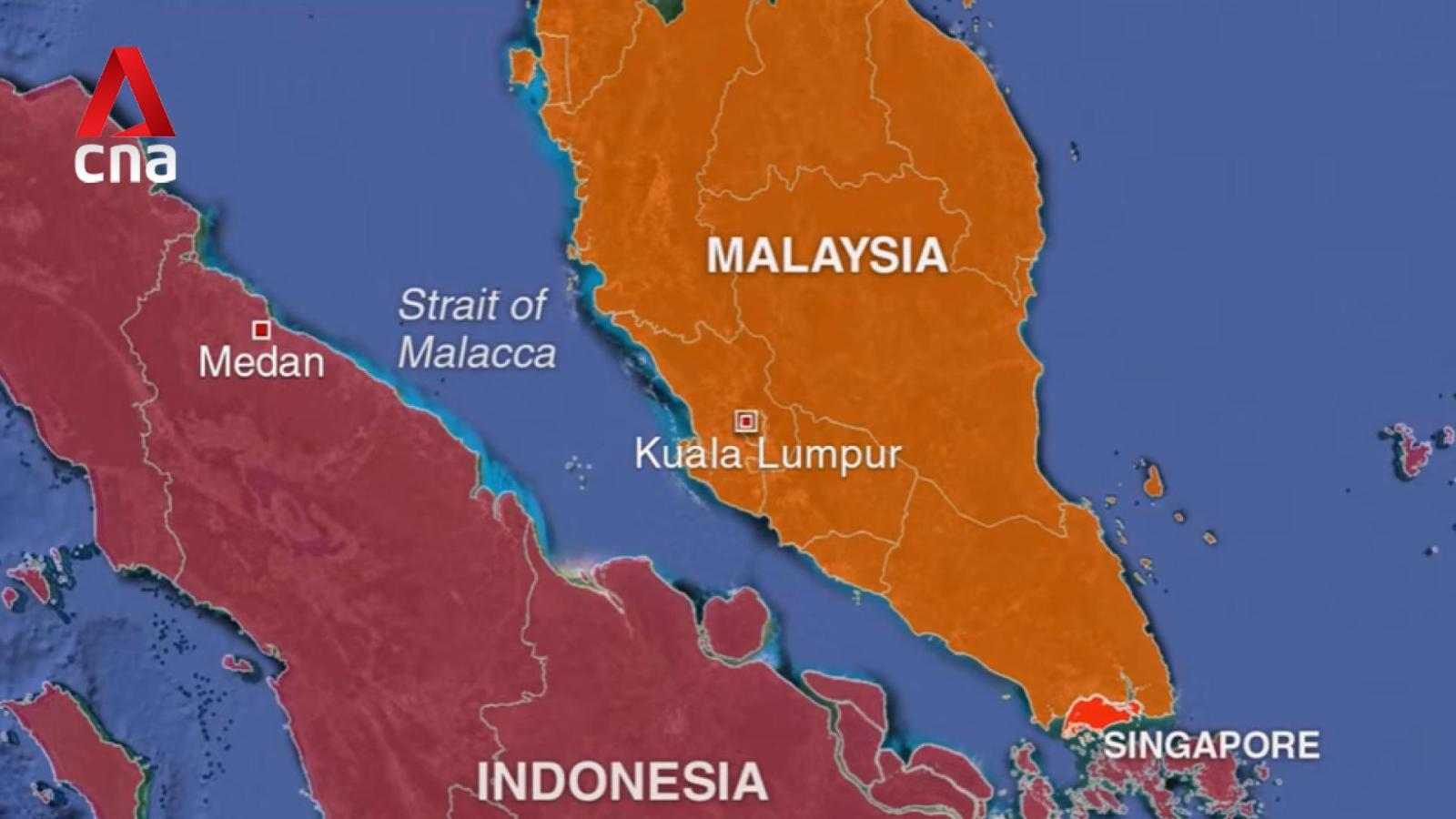
Indonesia's April 2026 proposal to impose tolls on the Strait of Malacca—handling 30-40% of global seaborne trade with 200+ daily vessel transits—creates unprecedented supply chain uncertainty for cross-border e-commerce sellers. Finance Minister Purbaya Yudhi Sadewa's suggestion to split toll revenues among Indonesia, Malaysia, and Singapore directly mirrors Iran's Hormuz toll implementation, signaling a geopolitical shift toward monetizing maritime chokepoints. While Indonesian officials quickly backtracked and Singapore's Foreign Minister Vivian Balakrishnan categorically rejected participation, the "trial balloon" reveals serious regional appetite for revenue extraction from strategic waterways.
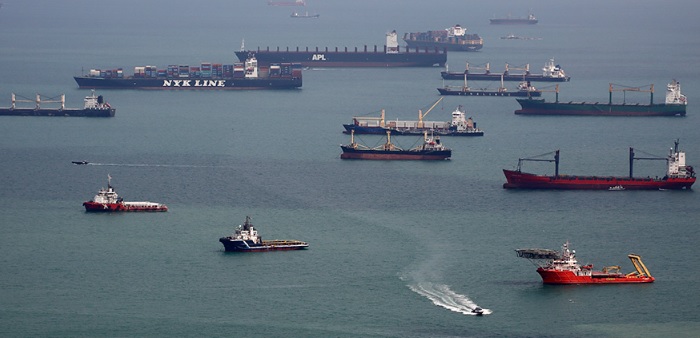
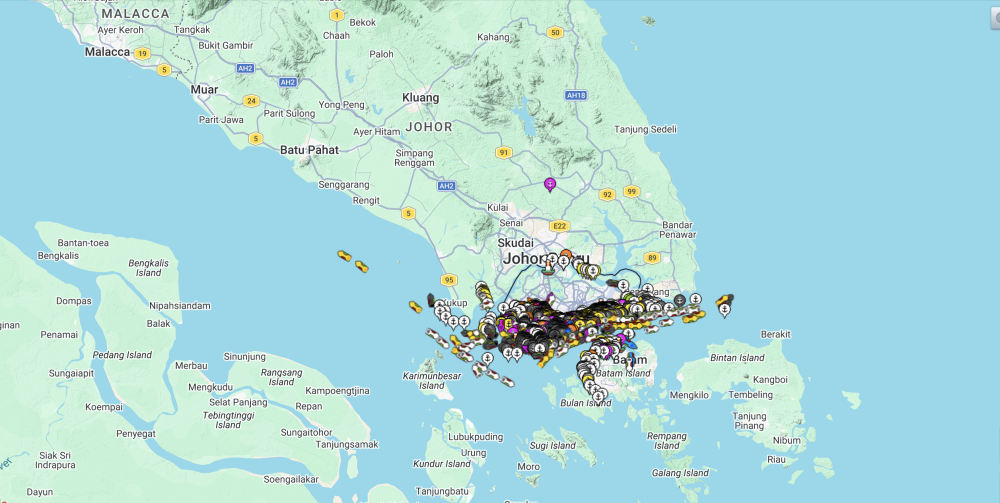
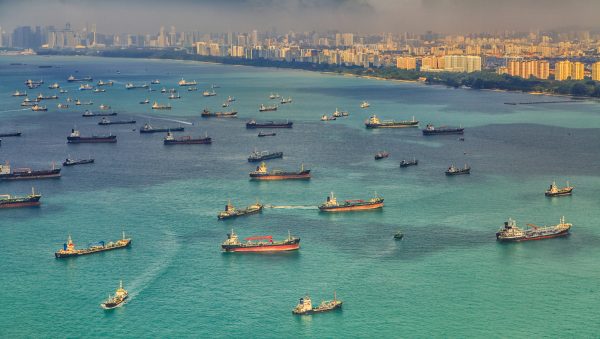
Immediate Shipping Cost Impact: For sellers relying on Asia-Europe and Asia-Americas routes, potential Malacca tolls could increase per-container costs by $200-400 (8-15% margin compression on standard shipments). The Strait handles 130,000 annual vessel calls through Singapore alone—the world's largest transshipment hub—making toll implementation catastrophic for inventory-dependent sellers. Sellers shipping 500+ containers monthly face cumulative cost increases of $100,000-$200,000 annually if tolls reach 5-10% of transit fees.
Strategic Sourcing Implications: The proposal accelerates three critical shifts: (1) Thailand's land bridge alternative: The 1 trillion Thai baht ($31B) infrastructure project connecting Malacca to the Gulf of Thailand via road/rail networks promises 4-day transit time reduction and 15% shipping cost savings—creating a competitive advantage for sellers routing through Thai ports by 2027. (2) Sourcing geography realignment: Sellers currently dependent on China-to-Europe routes via Malacca face pressure to shift manufacturing to Vietnam, India, and Indonesia to access alternative corridors. (3) Tariff arbitrage opportunities: Toll uncertainty creates temporary pricing windows—sellers can lock in pre-toll shipping rates through 2026-2027 before infrastructure alternatives mature.
Competitive Dynamics: Large sellers (1000+ monthly shipments) with established 3PL networks can absorb toll costs through volume negotiations; small/medium sellers (100-500 shipments) face disproportionate impact. Singapore-based sellers gain advantage as the toll proposal explicitly excludes Singapore's participation, making Singapore ports the preferred transshipment hub during uncertainty. China-based sellers sourcing to Europe face the highest exposure—approximately 60% of China-Europe container traffic transits Malacca.
Compliance and Risk Mitigation: Monitor Indonesia's policy signals through Q3 2026; UNCLOS (UN Convention on the Law of the Sea) guarantees free transit, but enforcement remains uncertain given geopolitical tensions. Sellers should diversify routing through alternative corridors (Sunda Strait, Lombok Strait) and evaluate Thailand's land bridge logistics partnerships by Q4 2026 to capture 15% cost savings before competitors.
Questions 8
What product categories are most vulnerable to Malacca shipping cost increases?
Low-margin, high-volume categories face greatest vulnerability: electronics (5-8% shipping cost ratio), apparel (6-10%), home goods (7-12%), and consumer goods (5-9%). High-value, low-volume categories (jewelry, luxury goods) show resilience as shipping represents <2% of COGS. Sellers in vulnerable categories must either absorb costs (reducing margins 8-15%), increase prices (risking competitiveness), or shift sourcing geography. Time-sensitive categories (seasonal goods, trending items) face additional pressure as alternative routing adds 2-3 days, potentially missing demand windows.
How should sellers adjust sourcing strategy to mitigate Malacca toll risk?
Implement three-part strategy: (1) Shift manufacturing to Vietnam, India, and Indonesia to access alternative corridors and reduce Malacca dependency; (2) Diversify routing through alternative straits (Sunda Strait, Lombok Strait) which add 2-3 days but avoid toll exposure; (3) Lock in pre-toll shipping rates through 2026-2027 before infrastructure alternatives mature. Sellers should negotiate multi-year contracts with 3PL providers offering Malacca alternatives at fixed rates. Monitor Indonesia's policy signals through Q3 2026—UNCLOS guarantees free transit, but enforcement remains uncertain given geopolitical tensions.