
Omnichannel Retail Expansion 2025 | O2O Opportunities in High-Growth Markets
- Physical retail resilience drives 10M+ sq ft construction; D-FW adds 120K residents; retail occupancy forecast 95.4% by 2026; major brands expand offline presence while integrating digital channels
Overview
Physical retail demonstrates structural resilience that contradicts e-commerce displacement predictions, creating significant O2O expansion opportunities for cross-border sellers. E-commerce represents only 16.8% of total U.S. retail sales as of Q4 2024, according to the U.S. Census Bureau, while over 10 million square feet of retail construction is underway across major Texas metros—representing nearly 20% of all U.S. retail construction activity. This signals sustained consumer demand for tactile, experiential shopping experiences that online channels cannot replicate.
The Dallas-Fort Worth region exemplifies this opportunity with exceptional market fundamentals for O2O expansion. Retail vacancy rates sit below 5% in 2025 (considered extremely tight by real estate standards), with rents climbing approximately 5% annually. The D-FW area added over 120,000 residents from July 2024 to July 2025—the second-highest numeric increase among U.S. metro areas—creating immediate demand for retail touchpoints. Major retailers are responding aggressively: BJ's Wholesale Club plans nearly six new stores in the region, Costco is investing in new locations, Home Depot is opening spring locations, and Timberland is expanding its North Texas footprint. This retail density creates partnership opportunities for cross-border sellers seeking distribution channels.
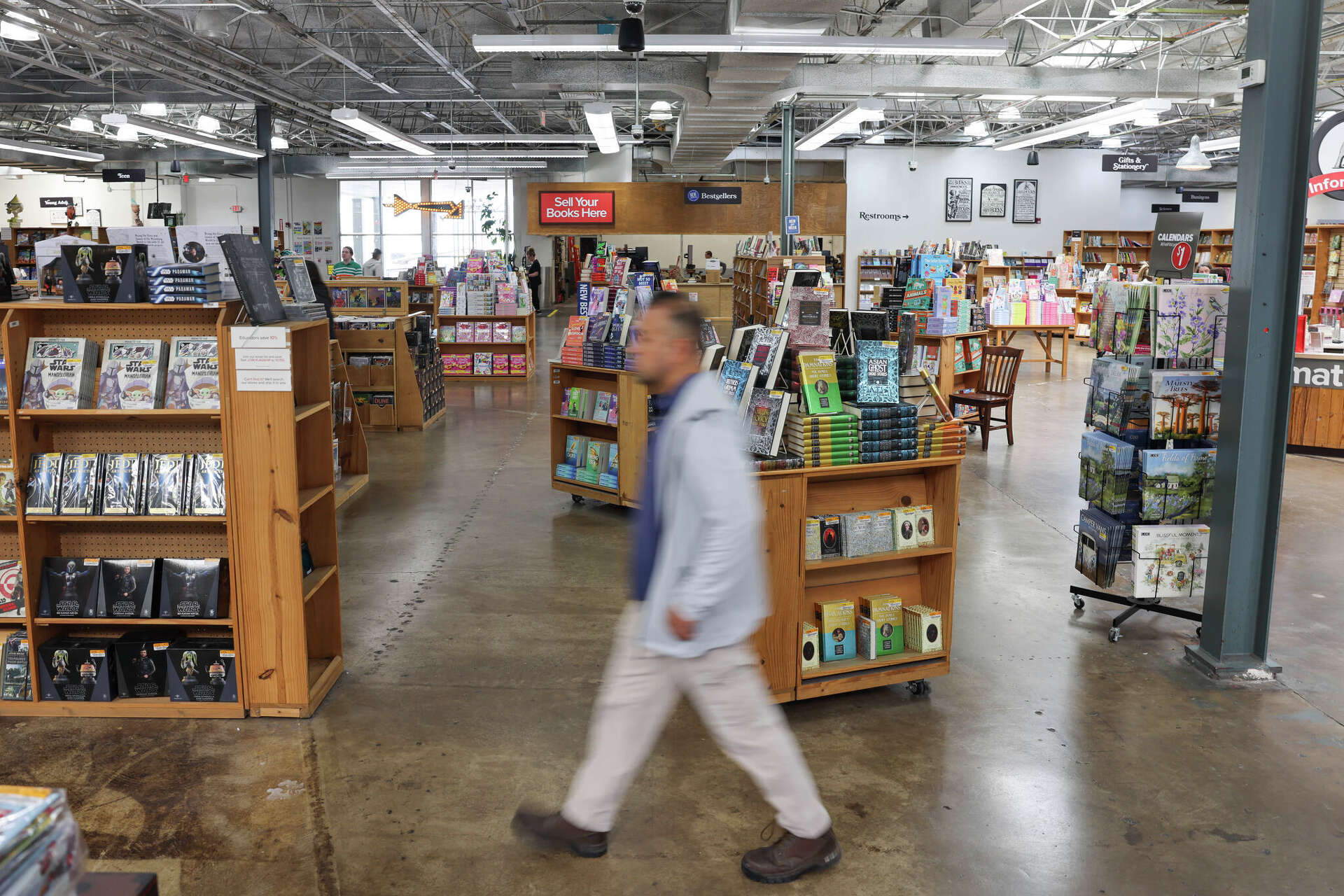
Successful retailers now operate hybrid omnichannel models that leverage physical stores as brand experience centers while driving online conversion. Texas-based brands like MizzenMain, Half Price Books, and Kendra Scott demonstrate this strategy: MizzenMain operates over 10 stores nationwide (with North Texas locations opened eight years ago) while integrating digital platforms. CEO Ryan Kent emphasizes that "brick-and-mortar stores are the most immersive brand experience" with direct control over brand presentation. Consumer research reveals that shoppers prioritize tactile experiences ("ability to touch, feel, see the clothing before making a purchase"), social discovery, and in-store experiences—factors that drive higher customer lifetime value when combined with online channels. Retail occupancy is forecast to reach 95.4% in 2026 (up from 2025's record 95.3%), indicating sustained demand for retail space despite selective closures at Joann, Party City, and Saks Global.
For cross-border sellers, this environment presents three concrete O2O strategies: (1) Pop-up/Showroom Testing in High-Growth Markets: D-FW's tight retail market (below 5% vacancy) and rapid population growth (120K+ annual residents) create ideal conditions for temporary retail presence. Sellers can test brand awareness and product-market fit with 30-90 day pop-ups before committing to permanent leases. Expected ROI: 25-40% conversion lift from online traffic when paired with in-store discovery experiences. (2) Retail Partnership Acceleration: The influx of major retailers (Costco, BJ's, Home Depot, Timberland) seeking inventory creates immediate distribution opportunities. Wholesale margins typically range 35-50% for established brands, with potential for 2-5 year partnership agreements. (3) Omnichannel Data Integration: Successful retailers leverage customer data across physical and digital channels to optimize lifetime value. Cross-border sellers should implement unified inventory systems, customer recognition programs, and location-based digital marketing to capture the 15-25% LTV uplift typical of true omnichannel operations.
Questions 8
Why are physical retail stores still thriving despite e-commerce growth?
E-commerce represents only 16.8% of total U.S. retail sales as of Q4 2024, while physical retail maintains 83.2% market share. Consumers cite multiple reasons for in-store shopping: tactile experiences (touching and feeling products before purchase), social discovery, and experiential value that online channels cannot replicate. The Dallas-Fort Worth region exemplifies this trend with retail vacancy rates below 5% and rents climbing 5% annually, indicating sustained demand for physical retail space. Successful retailers now operate hybrid omnichannel models that leverage stores as brand experience centers while driving online conversion through integrated customer data systems.
How do successful retailers integrate physical and digital channels to optimize results?
Successful omnichannel retailers like MizzenMain, Half Price Books, and Kendra Scott leverage unified customer data systems across physical stores and digital platforms. MizzenMain's approach emphasizes that 'brick-and-mortar stores are the most immersive brand experience' with direct control over brand presentation, while digital channels extend reach and capture online conversion. The integration strategy includes: unified inventory visibility, customer recognition programs that track purchases across channels, location-based digital marketing (driving foot traffic to nearby stores), and data analytics that optimize product assortment and pricing. This integrated approach drives the 15-25% customer lifetime value uplift typical of true omnichannel operations.