


Government Accountability & Compliance Settlements | Seller Risk Management 2025
- DOJ settlement signals stricter regulatory oversight affecting seller compliance costs and platform accountability measures across e-commerce



















Overview
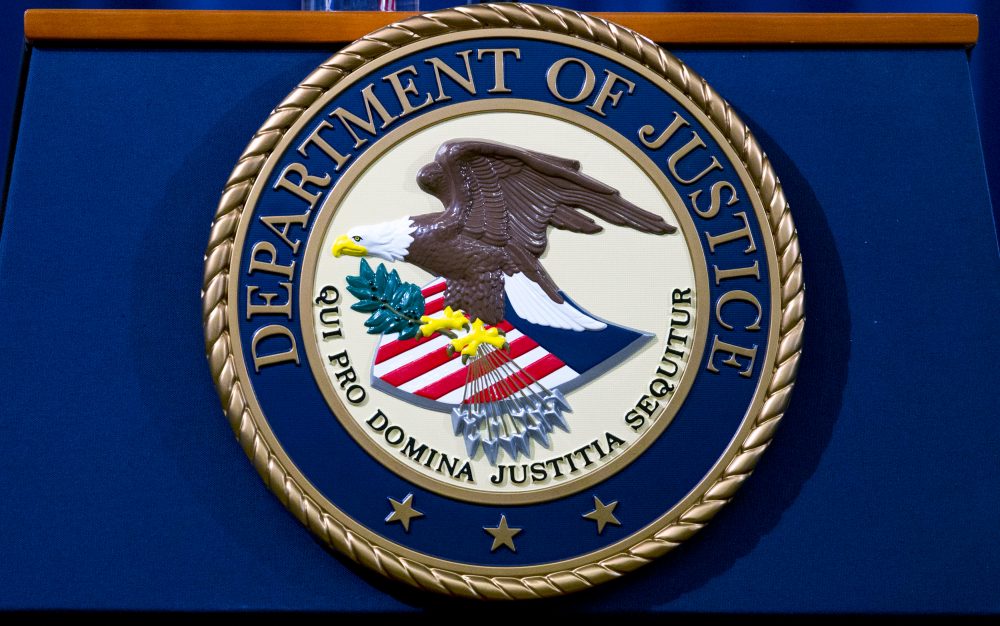
The Justice Department's settlement with Carter Page—a former Trump campaign adviser subjected to illegal FISA surveillance—represents a pivotal moment in government accountability that carries significant implications for e-commerce sellers and platform operators. The settlement, revealed in a Supreme Court filing by Solicitor General John Sauer, addresses claims involving seven documented inaccuracies in initial warrant applications that were repeated across three renewal applications. This development follows a similar settlement with Michael Flynn last month, establishing a pattern of government accountability for procedural violations. For e-commerce sellers, this trend signals heightened regulatory scrutiny and compliance expectations across all business operations.
Platform Accountability & Seller Compliance Implications: The DOJ's emphasis that "targeting American citizens for political purposes constitutes a severe violation of civil liberties" directly parallels how e-commerce platforms must handle seller data, account suspensions, and enforcement actions. Amazon, eBay, and Shopify sellers increasingly face account restrictions based on algorithmic flags or policy violations—sometimes with limited transparency or appeal mechanisms. This settlement establishes legal precedent that government agencies (and by extension, private platforms with quasi-governmental enforcement power) must maintain accurate documentation, provide clear reasoning for enforcement actions, and correct errors systematically. Sellers should expect platforms to implement more rigorous documentation standards for account actions, similar to how the DOJ now faces scrutiny for incomplete warrant applications. The settlement's emphasis on correcting inaccuracies across "all three renewal applications" mirrors how platform policies affect sellers repeatedly—once flagged, sellers often face cascading restrictions across multiple account metrics (Buy Box eligibility, advertising access, fulfillment privileges).
Regulatory Environment & Seller Risk Exposure: The Trump administration's stated commitment to "dismantling the weaponization of government" signals a broader regulatory philosophy that may affect how e-commerce platforms operate. Sellers operating across multiple jurisdictions—particularly those in EU markets subject to GDPR, or US sellers navigating state-level regulations—should anticipate increased scrutiny of data handling practices. The settlement demonstrates that procedural accuracy and transparency in enforcement actions now carry legal weight. For cross-border sellers, this means platform policies regarding data access, account suspension appeals, and seller communication must meet higher documentation standards. Sellers should document all platform communications, maintain records of policy compliance efforts, and establish clear audit trails for inventory and sales data—mirroring the documentation standards now expected of government agencies.
Seller Segment Impact: Small to mid-sized sellers (those with 100-5,000 monthly units) face the highest risk, as they typically lack dedicated compliance teams and legal resources to challenge platform enforcement actions. Larger sellers with established compliance infrastructure can leverage this settlement to demand more transparent platform policies. Sellers in regulated categories (supplements, electronics, pharmaceuticals) should prioritize documentation and compliance monitoring, as regulatory agencies now expect higher procedural standards from both government and private entities enforcing rules.
Questions 7
How might this settlement affect platform policies for seller data access and transparency?
The settlement's emphasis on accurate documentation and transparency should drive platforms toward more detailed seller dashboards and clearer enforcement communication. Expect Amazon Seller Central, eBay Seller Hub, and Shopify admin panels to provide more granular data on account metrics, policy compliance status, and enforcement triggers. The DOJ's finding that inaccuracies 'repeated across all three renewal applications' suggests platforms must now systematically correct errors across all related account systems. Sellers should demand access to: (1) detailed account health metrics, (2) specific policy violation documentation, (3) historical enforcement action records, and (4) transparent appeal processes. If platforms fail to provide this transparency, reference this settlement as establishing the legal standard for procedural accuracy. This precedent may eventually force platforms to implement more seller-friendly transparency features and appeal mechanisms.
What regulatory risks should cross-border sellers monitor following this development?
The settlement signals heightened government scrutiny of procedural accuracy and data handling—directly affecting cross-border sellers in EU, UK, and Asia-Pacific markets. Expect increased regulatory focus on: (1) GDPR compliance for customer data, (2) VAT documentation accuracy, (3) customs declaration procedures, and (4) product safety certifications. The DOJ's emphasis on correcting errors 'across all three renewal applications' mirrors how regulatory violations compound when not addressed systematically. Cross-border sellers should audit their compliance with regional regulations (EU Product Safety Directive, UK GDPR post-Brexit, China e-commerce regulations) and maintain detailed records of compliance efforts. Non-compliance can trigger cascading enforcement actions similar to the repeated inaccuracies in the Carter Page case. Consider engaging compliance consultants for regulated categories (supplements, electronics, pharmaceuticals).