





Agentic Copilot in Microsoft 365 | Sellers Save 8-12 Hours Weekly on Operations
- Microsoft's April 2026 rollout enables AI-powered automation for inventory, pricing, and reporting tasks across 400M+ business users globally









/ciol/media/media_files/2026/04/15/07-04-26-28-2026-04-15-23-21-43.png)




Overview
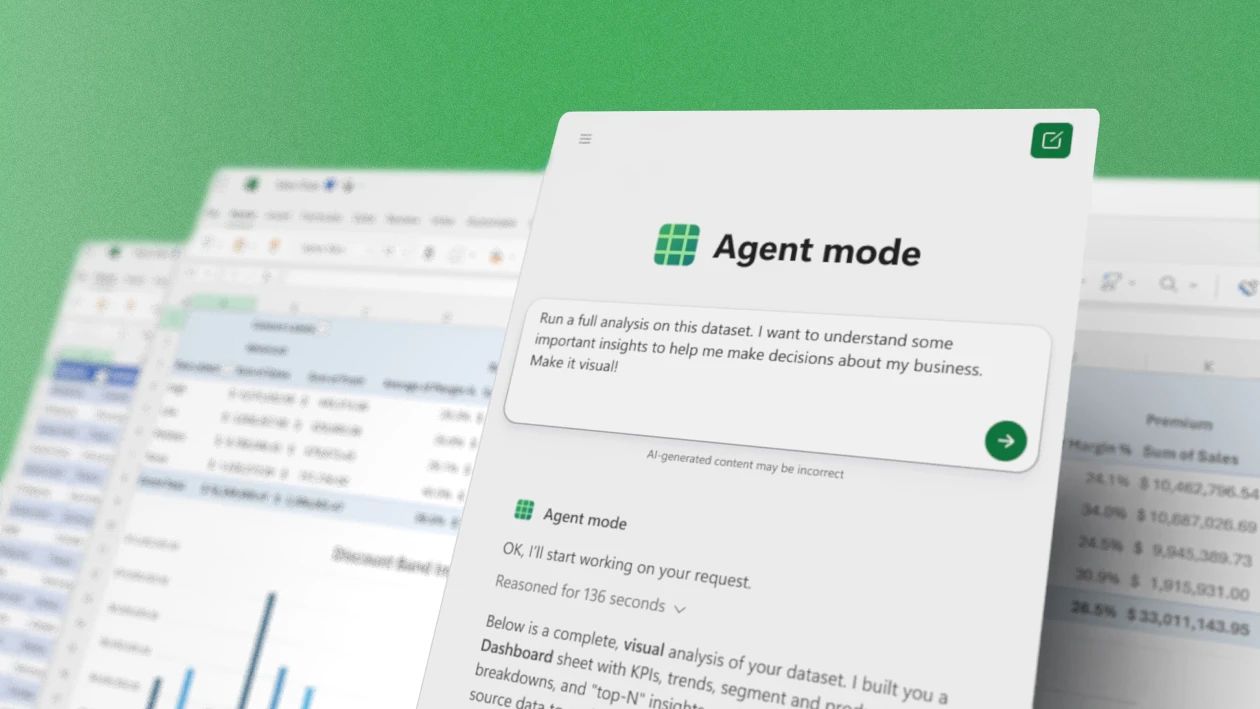
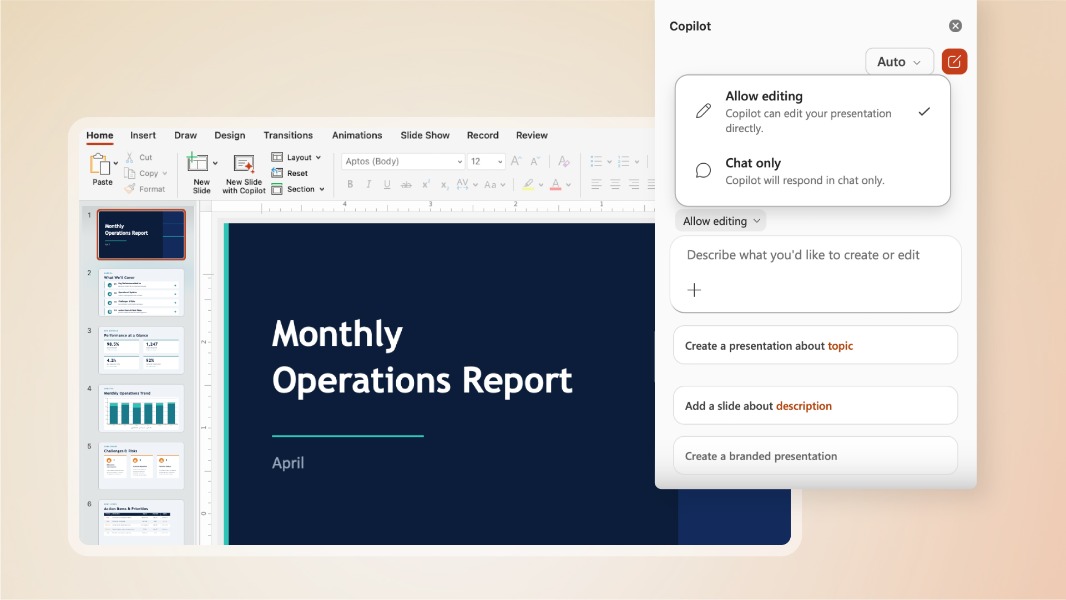
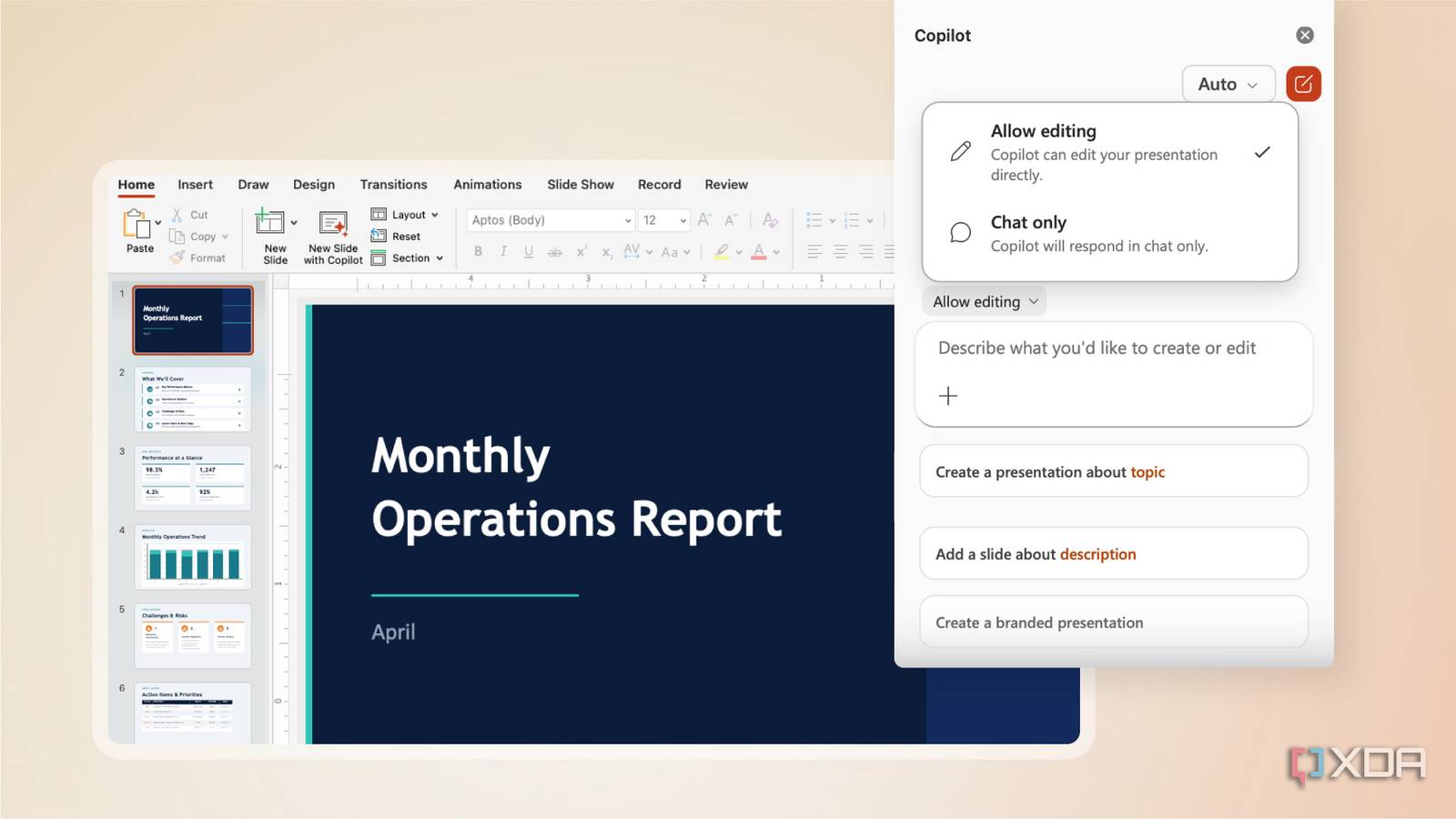
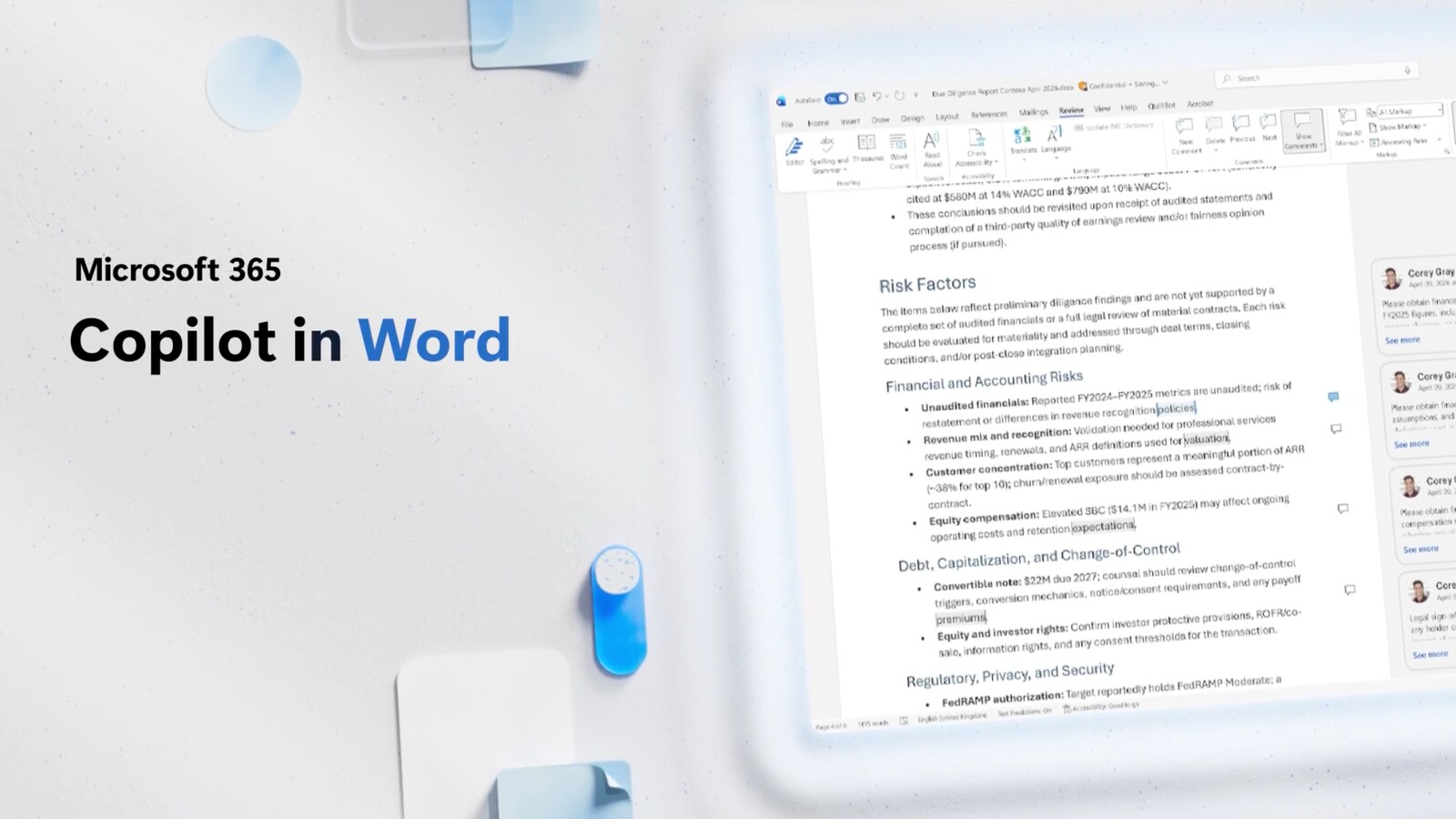
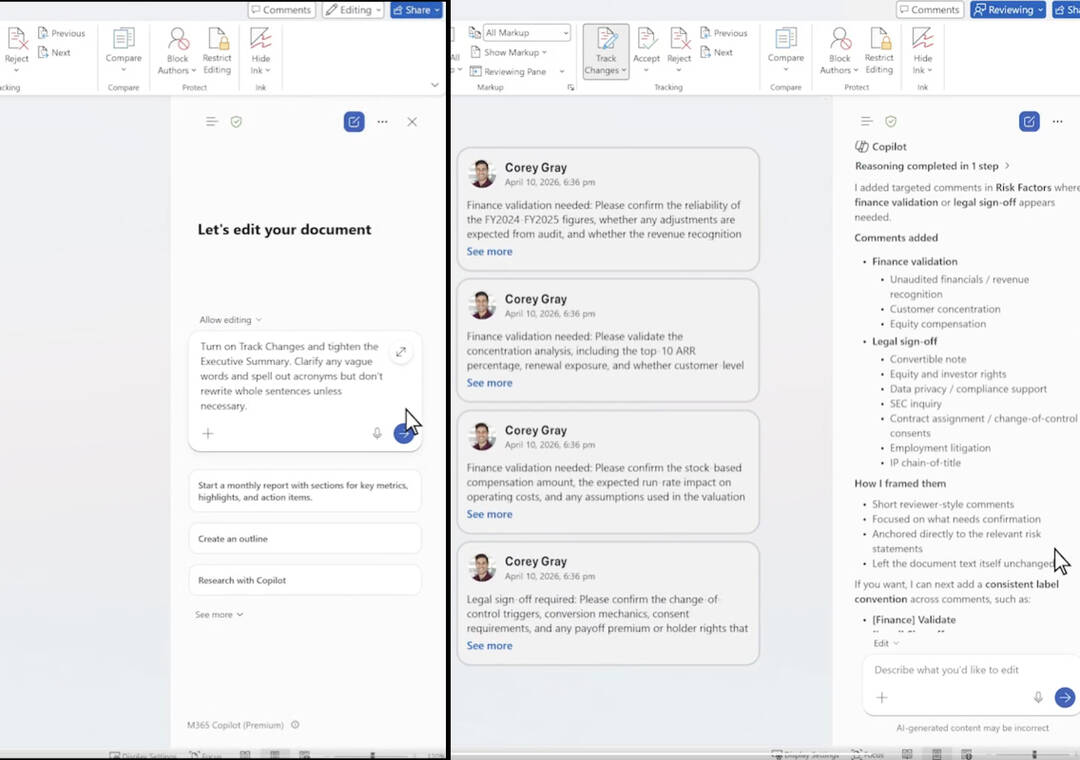
Microsoft's agentic Copilot rollout (April 22, 2026) transforms productivity automation for cross-border e-commerce sellers using Microsoft 365. The shift from passive suggestion tool to active agent capable of executing multi-step actions directly in Word, Excel, and PowerPoint represents a fundamental change in how sellers can automate critical business operations. Excel demonstrated the strongest adoption metrics with 67% engagement increase (additional tries per user per week), 50% new user retention improvement, and 65% satisfaction gains—indicating sellers recognize immediate operational value. Word showed 52% engagement increase with 21% satisfaction improvement, while PowerPoint recorded 11% engagement increase with 25% satisfaction gains.
For e-commerce sellers, this capability directly addresses three high-friction operational areas: (1) Inventory Management Automation: Sellers managing SKU-level data across multiple marketplaces can now use Copilot to automatically populate Excel pivot tables, flag low-stock items, and generate reorder reports without manual data entry—saving 5-8 hours weekly for mid-size sellers (500-2000 SKUs). (2) Dynamic Pricing Analysis: Copilot can analyze competitor pricing data in Excel, calculate margin-optimized price points, and generate pricing recommendation documents in Word—reducing pricing cycle time from 4-6 hours to 30-45 minutes per category. (3) Financial Reporting & Compliance: Sellers can automate monthly P&L generation, VAT/tax documentation, and cross-border shipping cost analysis—critical for sellers managing operations across US, EU, and Asia Pacific regions where compliance documentation requirements vary significantly.
The competitive advantage window is 6-12 months. Early adopters (sellers implementing Copilot automation by Q3 2026) will capture 15-20% operational cost savings before competitors normalize the practice. Sellers currently spending 20-30 hours weekly on data entry, spreadsheet analysis, and document preparation can reallocate that capacity to higher-value activities: product research, listing optimization, and customer acquisition. However, News 2 highlights critical implementation risks—enterprise administrators report unexpected Copilot deployments through automatic updates, and trust concerns persist regarding AI reliability for critical financial decisions. Sellers must implement change-tracking protocols and maintain manual verification checkpoints for financial/compliance documents before full automation.
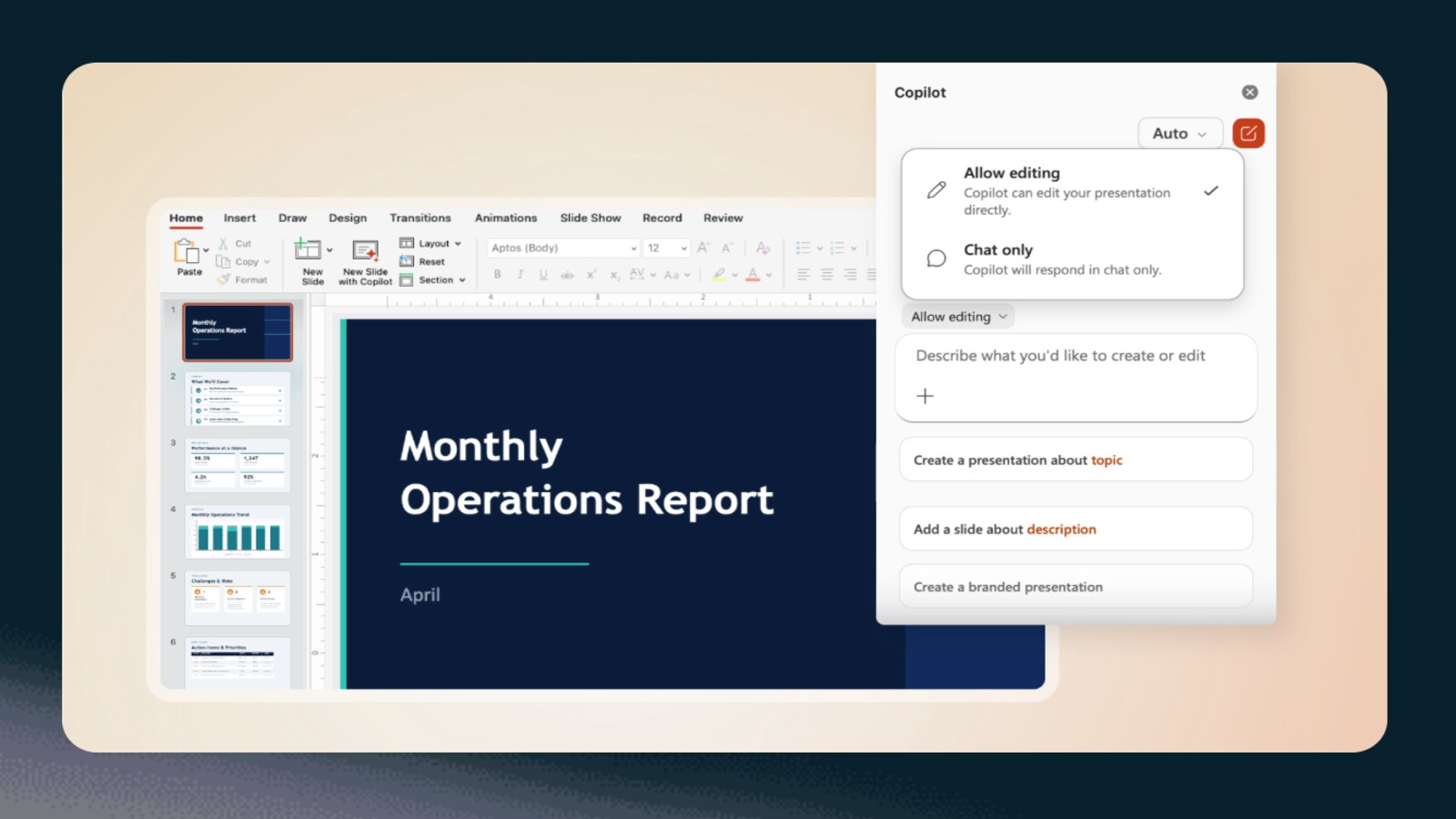
Key implementation considerations: Agentic Copilot requires Microsoft 365 subscription (Copilot Pro, Premium, Personal, or Family plans). The feature is enabled by default but requires user activation through interface prompts. Sellers should pilot automation on non-critical workflows first (inventory analysis, draft reports) before deploying to financial/compliance processes. The technology remains work-in-progress—rollback capabilities and detailed change tracking documentation are limited, creating risk for sellers integrating into mission-critical operations without proper safeguards.
Questions 7
What competitive advantage can sellers gain by adopting agentic Copilot before competitors?
Early adopters (implementing by Q3 2026) can capture 15-20% operational cost savings before competitors normalize the practice. Sellers automating inventory analysis, pricing optimization, and financial reporting will reallocate 15-25 hours weekly to competitive activities: product research, listing optimization, customer acquisition, and marketplace expansion. This creates a 6-12 month window where early adopters operate with significantly lower operational overhead than competitors still performing manual analysis. The April 2026 metrics show 67% engagement increase in Excel and 50% retention improvement, indicating rapid adoption is already underway. Sellers delaying implementation risk falling behind competitors who've already optimized their operational workflows. However, the competitive advantage is temporary—once Copilot adoption becomes standard practice (12-18 months), the operational efficiency gains normalize across the seller base.
How should sellers approach the default-enabled Copilot rollout to minimize disruption?
Agentic Copilot is enabled by default in Microsoft 365 but requires user activation through interface prompts. Sellers should: (1) Test Copilot in non-critical workflows first (draft reports, preliminary analysis) before enabling in production systems; (2) Establish change-tracking protocols for all Copilot-generated documents, especially financial/compliance files; (3) Train team members on Copilot capabilities and limitations before rollout; (4) Maintain manual verification checkpoints for critical business decisions. News 2 reports enterprise administrators experienced unexpected deployments through automatic updates, creating management challenges. Sellers should review Microsoft's support documentation on disabling Copilot entirely if integration creates operational risk. The feature is still work-in-progress—monitor rollout stability for 4-6 weeks before deploying to mission-critical operations.