






Digital Battleground: Australia's Social Media Age Verification Law Sparks Global Regulatory Showdown
- Landmark legislation challenges platform governance and teenage digital rights




Overview
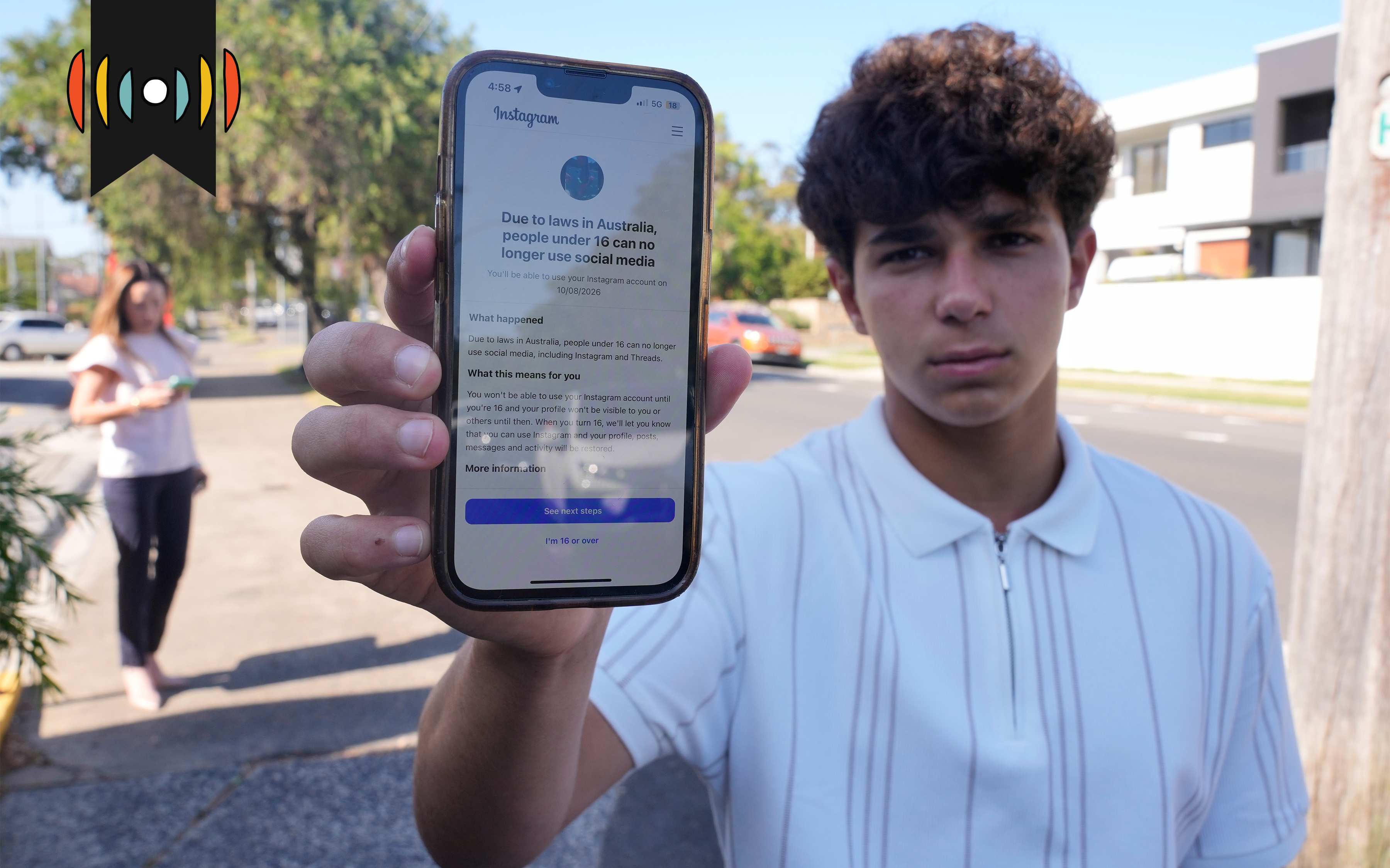
Regulatory compliance has entered a new frontier with Australia's unprecedented social media age restriction law, revealing a complex landscape of technological, legal, and ethical challenges. The legislation mandating platform age verification for users under 16 represents more than a local policy—it's a potential global template for digital governance that could fundamentally reshape how social media platforms operate.
Compliance mechanisms are at the heart of this regulatory revolution. The law requires platforms like Facebook, Instagram, and TikTok to implement sophisticated age verification technologies, including facial estimation and data analysis, without compelling government ID submission. This creates a nuanced regulatory environment where platforms must innovate verification methods while respecting user privacy—a delicate balance that transforms compliance from a checkbox exercise into a strategic imperative.
The market's immediate response demonstrates the law's disruptive potential. Alternative apps like Yope and Lemon8 have already seen significant download increases, suggesting that regulatory pressure can rapidly fragment the social media ecosystem. Platforms are not merely facing financial risks—with potential fines up to 49.5 million Australian dollars—but are confronting fundamental challenges to their user acquisition and engagement models.
The legal challenge by Reddit, arguing constitutional infringement on political communication rights, highlights the deeper tensions. This isn't just about protecting minors; it's a profound debate about digital rights, platform responsibilities, and the evolving boundaries of free expression. The High Court's eventual ruling could set a precedent that resonates far beyond Australia, potentially inspiring similar regulatory approaches globally.
Strategically, this represents a regulatory compliance inflection point. Platforms must now view age verification not as a technical constraint but as a core competency. Those who can develop elegant, user-friendly verification solutions will gain significant competitive advantages. Conversely, those who resist or implement clumsy mechanisms risk market marginalization.
The Australian experiment signals a broader trend: digital governance is becoming increasingly sophisticated, with regulatory frameworks that demand technological innovation, respect user rights, and protect vulnerable populations. For social media platforms, compliance is no longer a back-office function—it's a critical strategic battleground.
Questions 3
What are the potential unintended consequences of strict age verification requirements?
Strict verification might drive younger users to less regulated platforms or create more sophisticated workarounds, potentially increasing cybersecurity risks. The law could also inadvertently create a digital divide where access to information becomes more challenging for tech-savvy teenagers.
How will this Australian law impact global social media platform strategies?
The law forces platforms to develop sophisticated age verification technologies that balance regulatory compliance with user experience. Companies will likely invest heavily in AI-driven verification methods, potentially creating new market opportunities for identity verification services and technological solutions.