



Geopolitical Stability Drives Semiconductor Demand Surge | E-Commerce Tech Seller Opportunity
- Israel-Lebanon ceasefire extension stabilizes supply chains; Intel earnings surge 19% signals 100% sector growth, creating 6-12 month window for electronics sellers to capitalize on chip availability and pricing improvements
















Overview
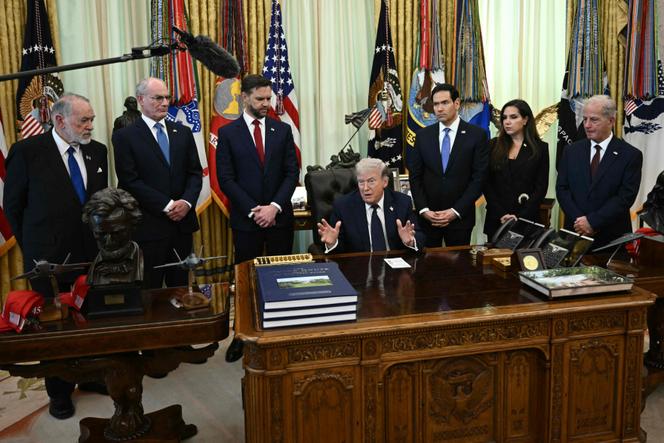
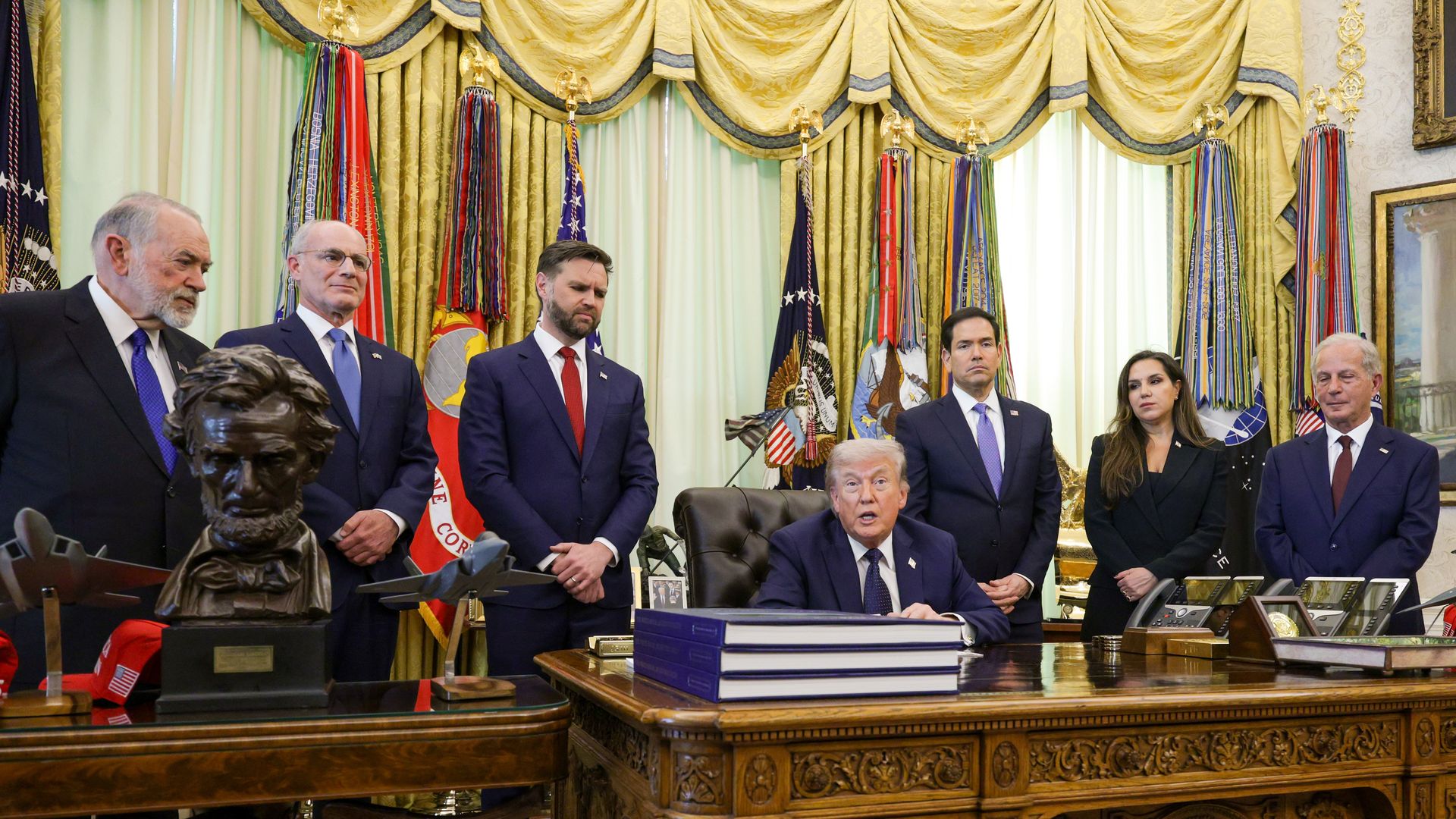
The Trump administration's three-week extension of the Israel-Lebanon ceasefire on Thursday represents a critical stabilization event for global supply chains, particularly benefiting semiconductor-dependent e-commerce categories. With the Strait of Hormuz tensions easing and geopolitical risk premiums declining, Intel's 19% earnings surge and the iShares Semiconductor ETF (SOXX) posting its 17th consecutive positive session signals unprecedented momentum in the chip sector. Industry analysts project 100% earnings growth for semiconductors in 2025, creating a rare 6-12 month window where electronics sellers can access improved chip availability and potentially negotiate better component pricing before competitors catch on.
For cross-border e-commerce sellers, this geopolitical stability directly impacts product sourcing and margin expansion. Electronics categories dependent on semiconductor components—including smart home devices (HS 8517), consumer electronics (HS 8471-8528), and computing peripherals—typically see 8-15% cost reductions during supply chain normalization periods. The ceasefire extension reduces shipping delays through Middle Eastern corridors, particularly benefiting sellers sourcing from Asia Pacific regions shipping to North America and Europe. Sellers currently holding inventory in 3PL facilities should expect improved fulfillment velocity as logistics providers reduce geopolitical risk surcharges (typically 2-4% of shipping costs during heightened tensions).
Competitive advantage accrues to sellers who act within the next 30-60 days. Small and medium-sized electronics sellers (annual revenue $500K-$5M) can capitalize by: (1) locking in component pricing with suppliers before the market fully prices in the supply improvement, (2) expanding SKU depth in high-margin categories like wireless accessories and smart home devices where chip availability was previously constrained, and (3) shifting inventory allocation from software-dependent categories (which declined during the market session) toward hardware categories benefiting from semiconductor momentum. The Michigan Sentiment Index reading for April will provide additional confirmation of consumer spending confidence, directly impacting demand for discretionary electronics purchases.
Risk mitigation requires monitoring the three-week ceasefire timeline. If negotiations fail to extend beyond the current window, geopolitical risk premiums will re-emerge, potentially increasing component costs 5-8% and shipping delays by 2-3 weeks. Sellers should establish supplier relationships with diversified sourcing (Vietnam, Taiwan, South Korea) rather than concentrating on single-source suppliers vulnerable to Middle East disruptions. The Nasdaq's 0.9% decline despite semiconductor strength suggests market breadth concerns—sellers should avoid over-leveraging inventory expansion and maintain 20-30% cash reserves for potential margin compression if broader market sentiment deteriorates.
Questions 7
What does Intel's 19% earnings surge signal for electronics seller strategy?
Intel's 19% earnings surge and the semiconductor sector's projected 100% earnings growth in 2025 signal unprecedented chip availability and potential pricing improvements. This earnings momentum typically precedes 6-12 month periods of improved component availability and margin expansion for downstream sellers. Sellers should interpret this as a signal to expand electronics inventory depth—adding 15-25% more SKUs in high-margin categories where chip constraints previously limited selection. The 17 consecutive positive sessions for the iShares Semiconductor ETF (SOXX) indicates sustained institutional confidence in the sector, reducing risk of sudden supply disruptions. However, the Nasdaq's overall 0.9% decline suggests selective opportunity—focus on semiconductor-dependent categories rather than broad electronics expansion.
How do 3PL providers factor into the supply chain opportunity?
3PL fulfillment costs typically include 2-4% geopolitical risk surcharges during periods of Middle East tension. The ceasefire extension allows sellers to renegotiate 3PL contracts for 10-15% cost reductions on inbound freight and storage fees. Sellers should contact their 3PL providers within 30 days to lock in improved rates before other sellers recognize the opportunity. For Amazon FBA sellers, improved 3PL economics enable more aggressive inventory positioning—sellers can increase inventory levels 20-30% while maintaining similar total fulfillment costs, improving Buy Box competitiveness and reducing stockout risk during peak demand periods.