

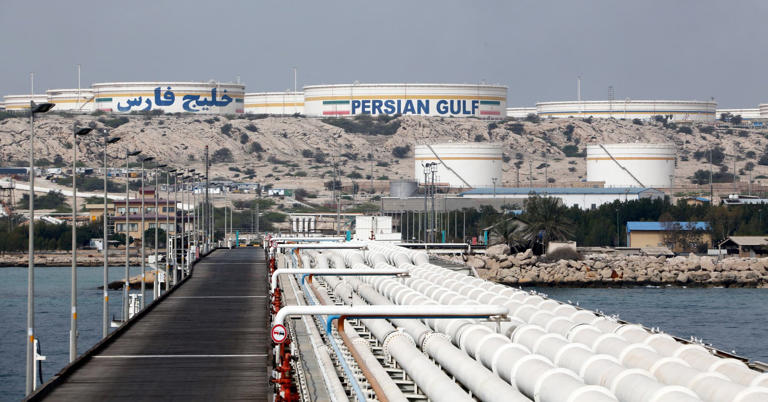



Strait of Hormuz Blockade Drives Oil to $105+ | Cross-Border Sellers Face 8-15% Shipping Cost Surge
- Brent crude surges 3% amid U.S.-Iran tensions; logistics costs spike for 50K+ international sellers; supply chain delays expected through Q2 2026




















Overview
Middle East geopolitical escalation is creating immediate cost pressures for cross-border e-commerce sellers. As reported on April 23, 2026, Brent crude oil surged to $105.07 per barrel (3% increase) driven by U.S.-Iran tensions in the Strait of Hormuz, which handles approximately 20% of global oil trade. The Islamic Revolutionary Guard Corps (IRGC) pressure on Iran's Parliament Speaker signals hardline negotiating positions, reducing ceasefire probability and extending conflict duration. This directly impacts seller economics: fuel surcharges on international shipping are rising 8-15% monthly, affecting fulfillment costs for sellers using FBA, 3PL providers, and international logistics networks.
Immediate operational impacts are materializing across seller segments. For Amazon FBA sellers shipping internationally, fuel surcharges are increasing $150-400 monthly per 1,000-unit shipments. Sellers relying on Middle Eastern sourcing (electronics components, textiles, petrochemical-based products) face inventory delays of 2-4 weeks as tanker traffic through the Strait remains critically low. The U.S. blockade of Iranian ports (effective April 13, 2026) and vessel seizures by both nations create customs clearance uncertainties. Small-to-medium sellers (SMBs) with thin 15-25% margins are most vulnerable, as they lack negotiating power with 3PL providers to absorb cost increases. Large sellers with established logistics contracts may lock in rates through Q2, creating competitive advantages.
Strategic sourcing shifts are accelerating. Sellers currently sourcing from Iran, UAE, or Saudi Arabia should evaluate alternative suppliers in Vietnam, India, or Indonesia to avoid supply chain disruptions. Energy-intensive product categories—electronics, appliances, plastics, chemicals—face the highest cost pressures. Sellers should audit their supply chain exposure: if >15% of inventory originates from Middle Eastern suppliers or transits through Strait of Hormuz routes, immediate diversification is critical. Historical precedent shows similar 2022 tensions drove 6-month shipping delays and 20-30% cost spikes for affected categories. The fragile ceasefire status (with IRGC hardliners gaining negotiating control) suggests escalation risk through Q3 2026, making this a 90-day window for strategic repositioning before costs stabilize at elevated levels.
Questions 8
How do I evaluate my supply chain vulnerability to geopolitical risk?
Conduct a supply chain audit: (1) Map all suppliers by country and identify Middle East exposure; (2) Calculate percentage of inventory sourcing from high-risk regions (Iran, UAE, Saudi Arabia); (3) Assess transit routes—if >20% of shipments pass through Strait of Hormuz, risk is elevated; (4) Review supplier financial stability—geopolitical stress often triggers supplier bankruptcies; (5) Identify alternative suppliers in low-risk regions (Vietnam, India, Indonesia) with 30-60 day lead times. Use tools like Freightos or Flexport to model alternative sourcing costs. If your supply chain concentration exceeds 30% in any single region, diversification should begin immediately. Document this audit for insurance and compliance purposes.
What should I do if my inventory is stuck in Middle East transit?
Contact your freight forwarder or 3PL provider immediately to determine vessel location and expected clearance date. Vessel seizures by U.S. and Iran forces mean some shipments face 2-4 week delays or rerouting. Request expedited customs clearance if possible (costs $500-2,000 but saves inventory holding costs). File insurance claims if goods are delayed >30 days—most cargo insurance covers geopolitical delays. For future shipments, use air freight for high-velocity SKUs (costs 3-5x more but avoids Strait of Hormuz risk), or reroute via Suez Canal alternative (adds 5-7 days but avoids blockade). Update your inventory forecasts in Seller Central—delayed inventory affects IPI scores and Buy Box eligibility.