



Airport Safety Infrastructure Failures Drive Demand for IoT Tracking & Emergency Communication Systems
- LaGuardia crash exposes $2B+ market opportunity in aviation safety equipment; sellers can capitalize on regulatory compliance surge across 500+ US airports





















Overview
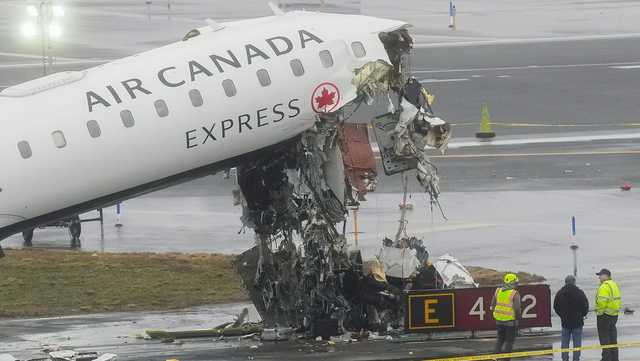
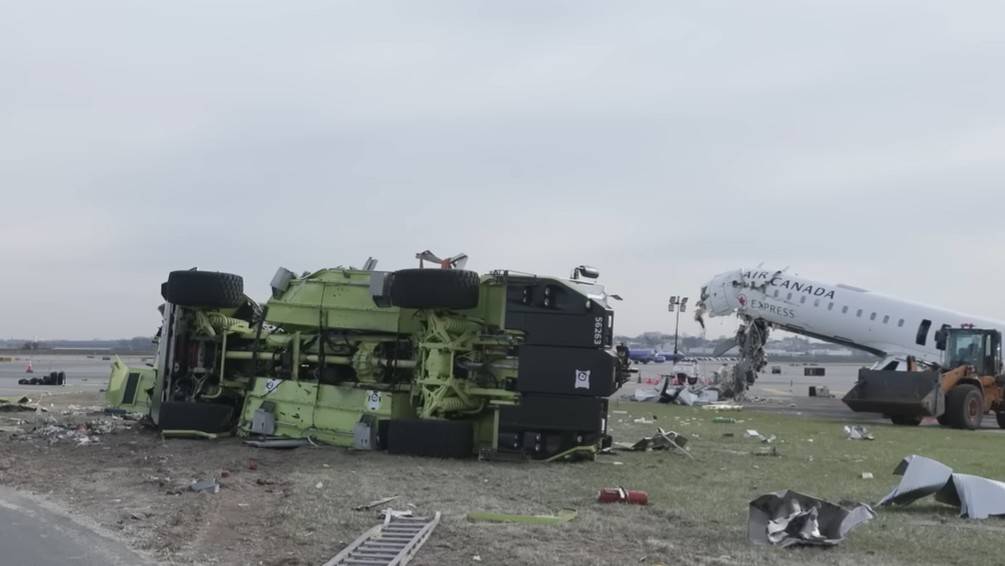
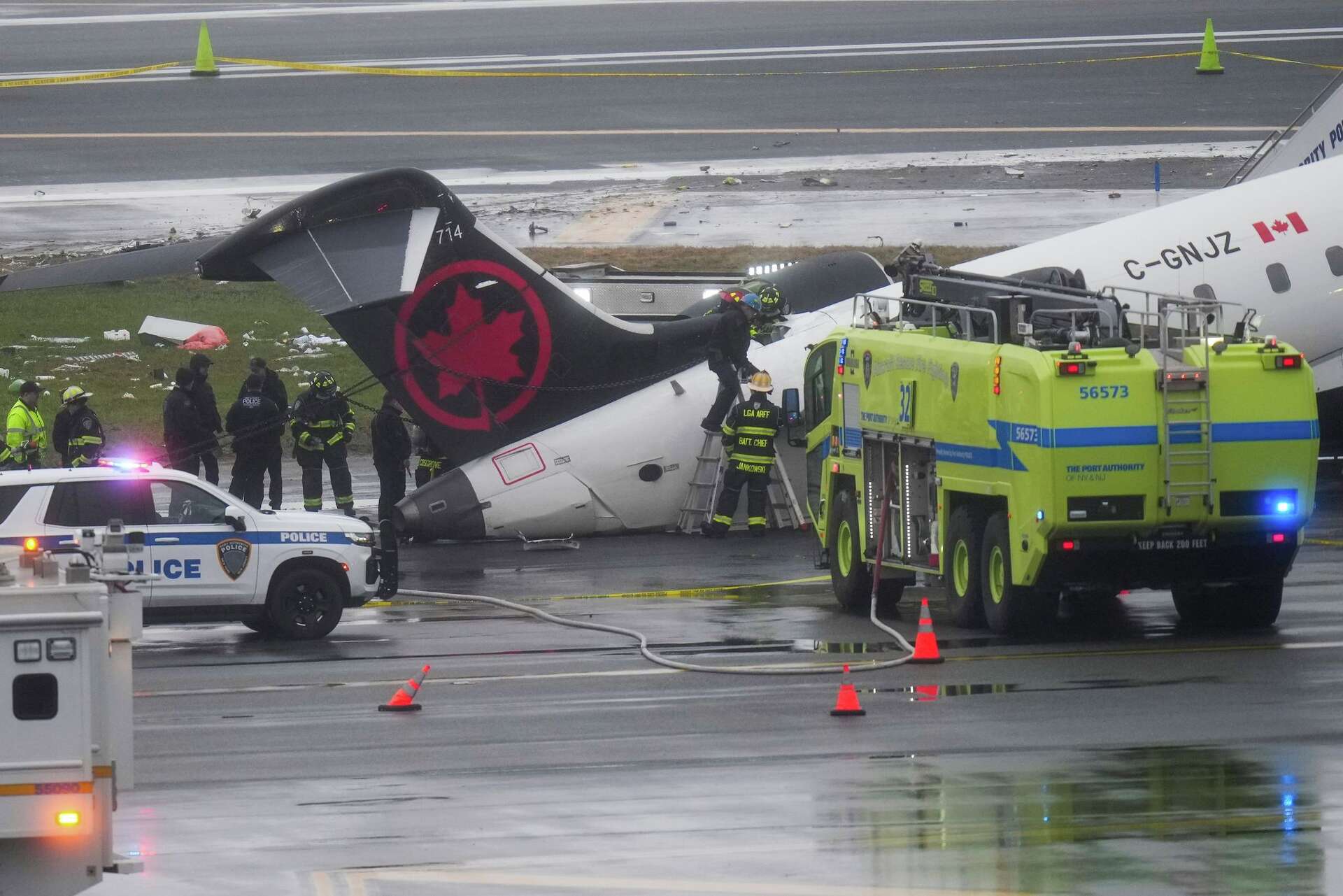
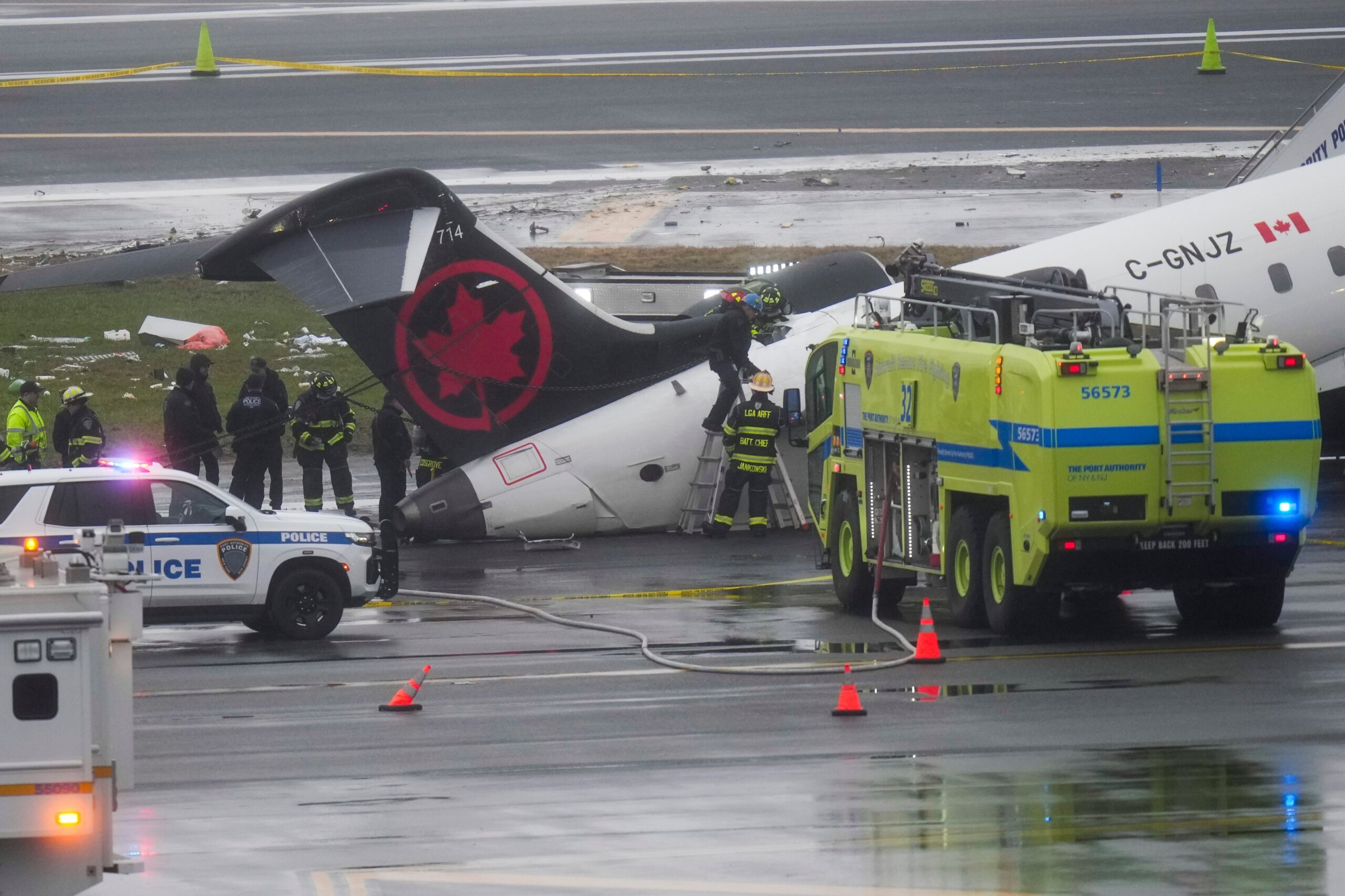
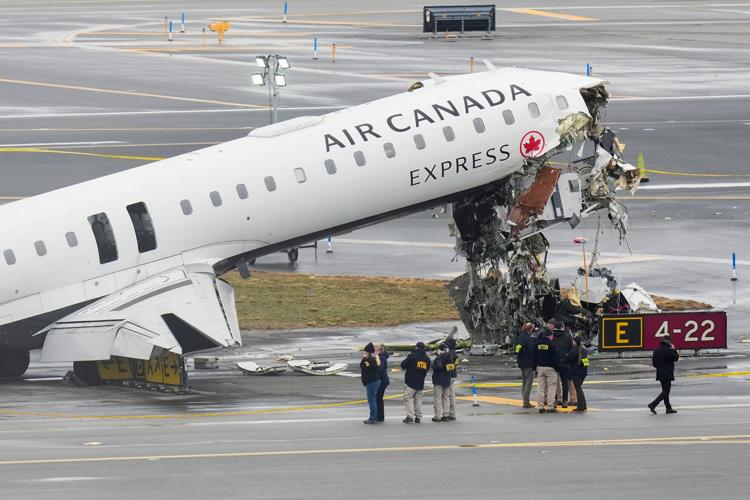
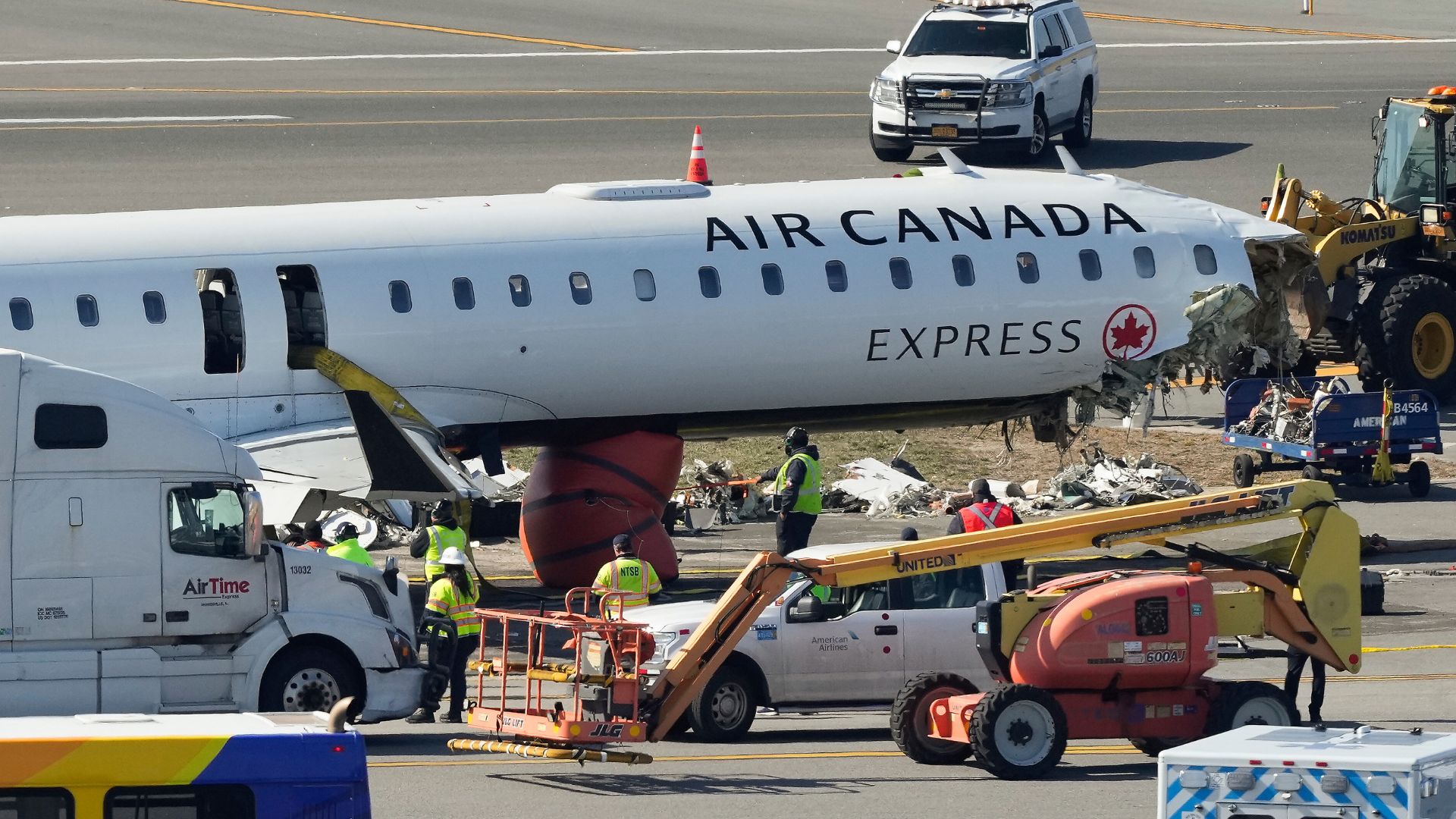
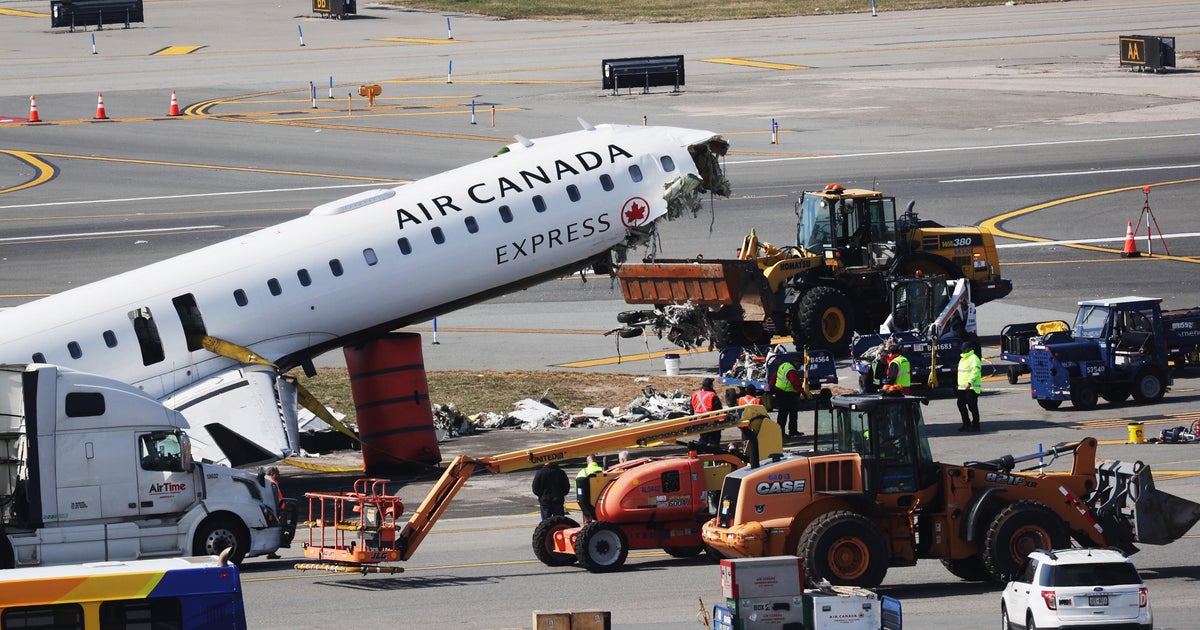
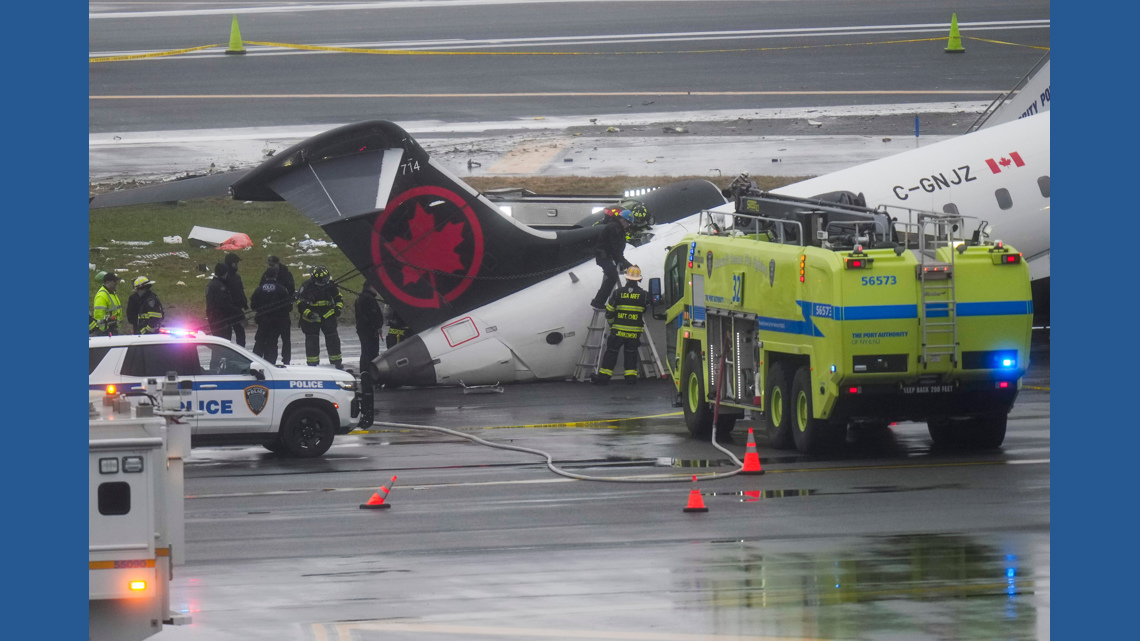
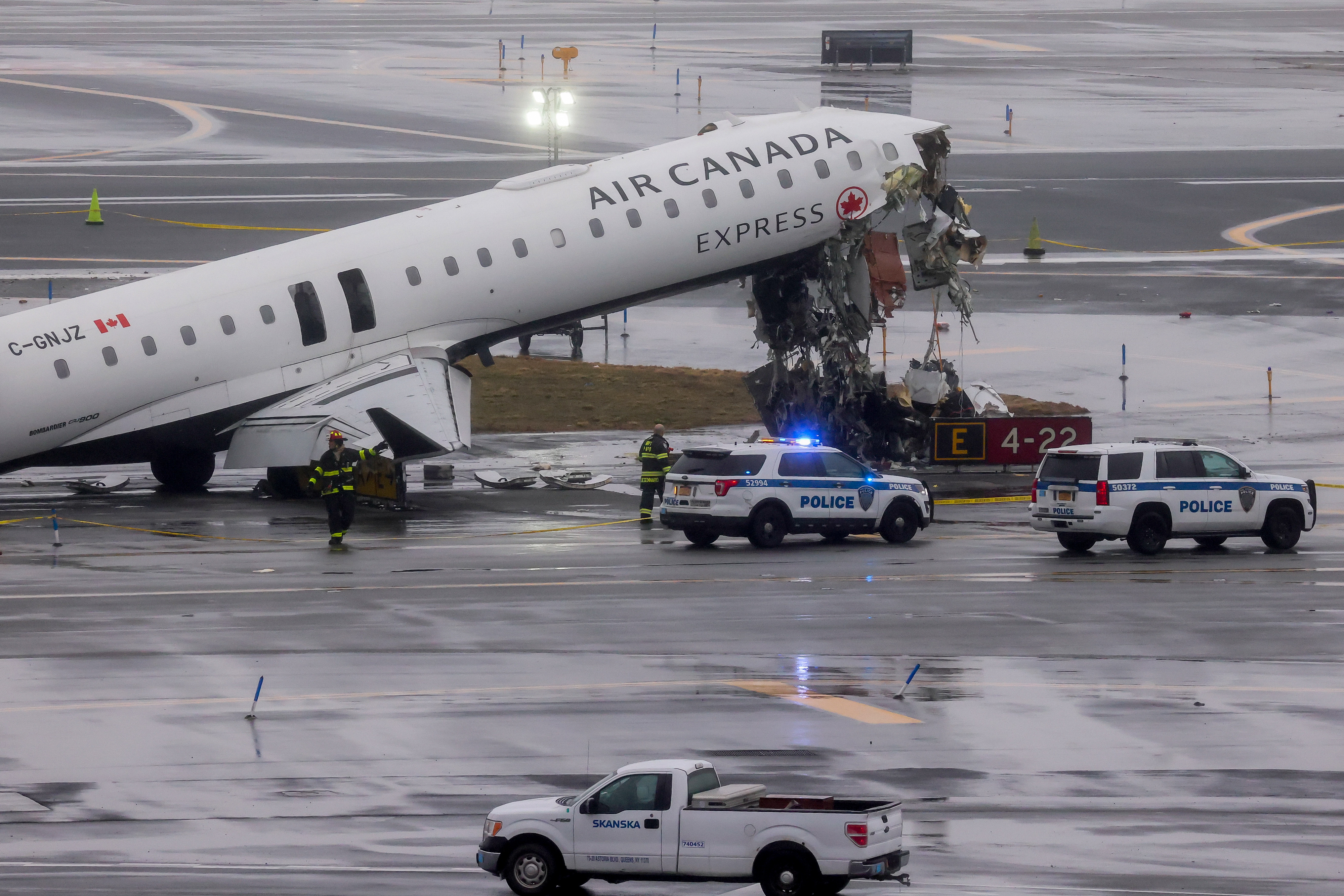
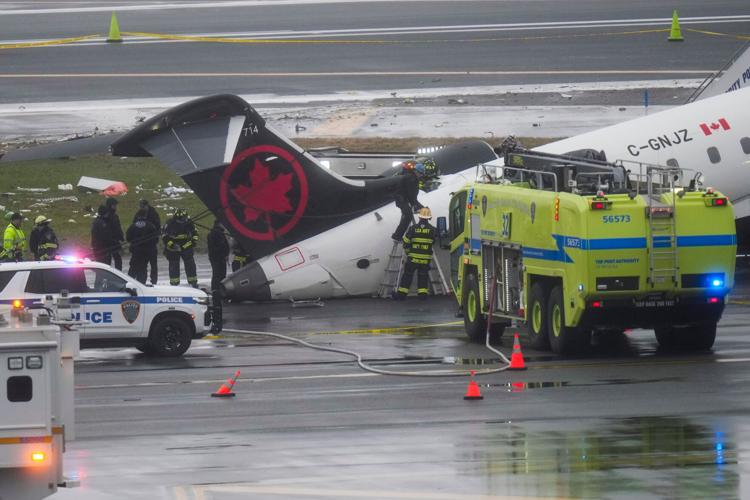
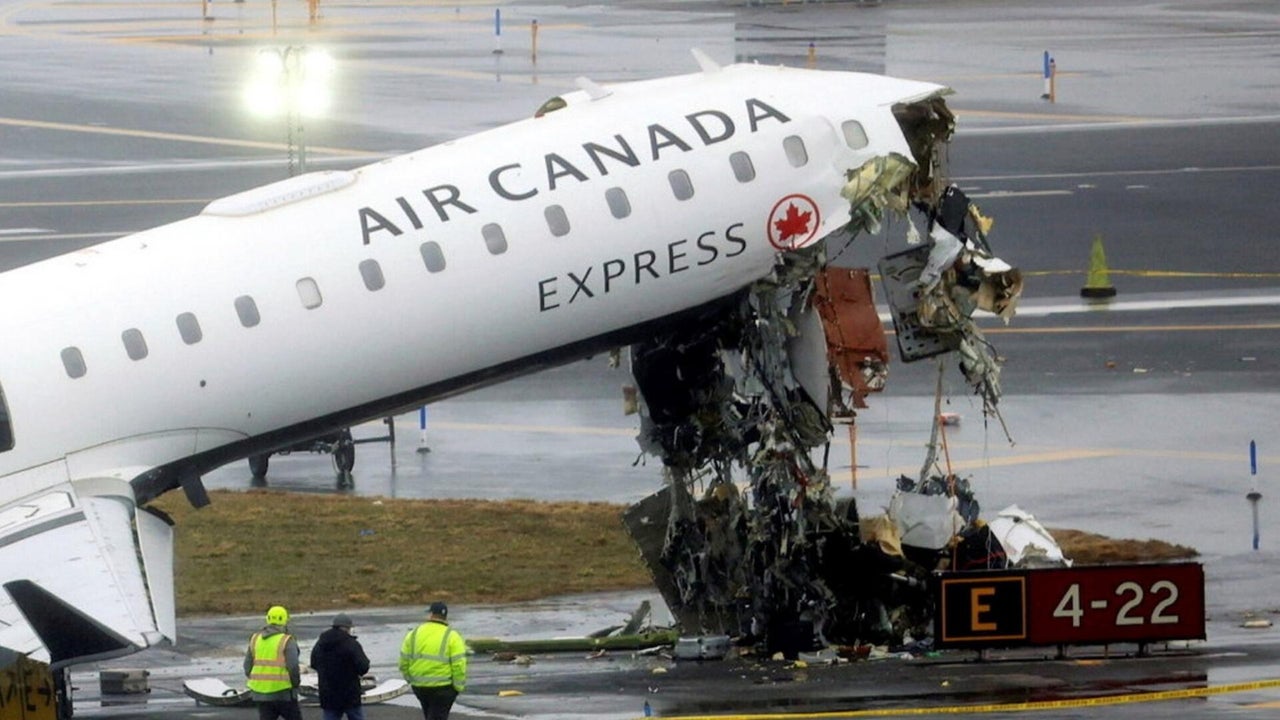
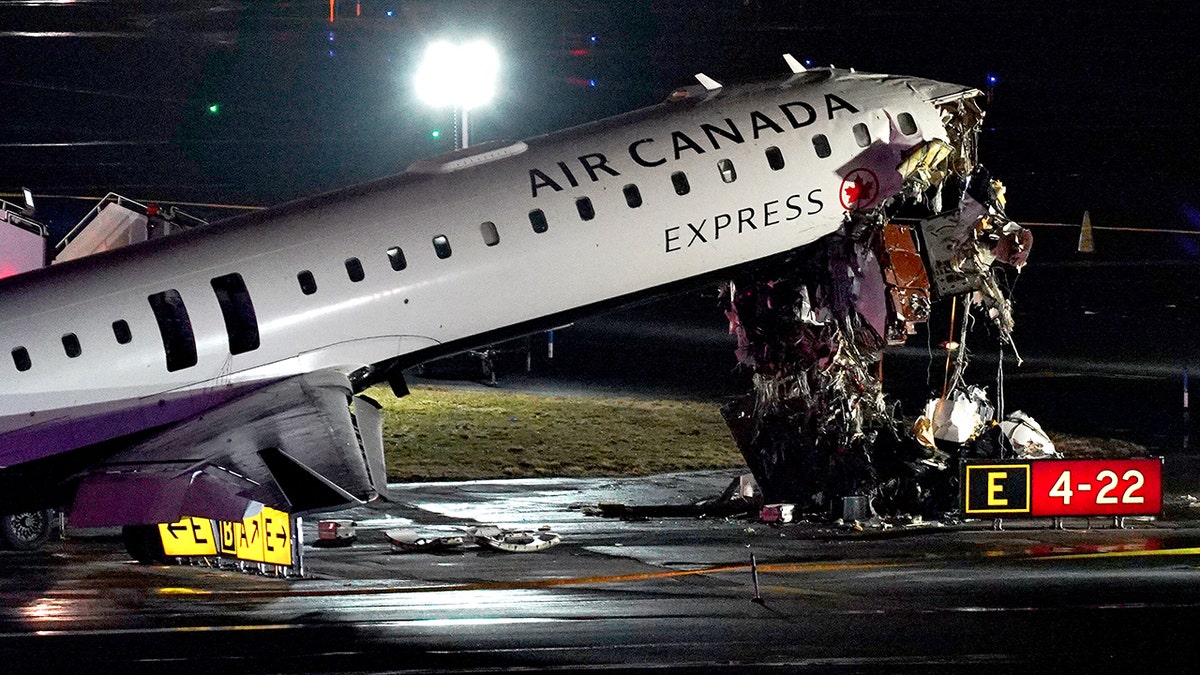
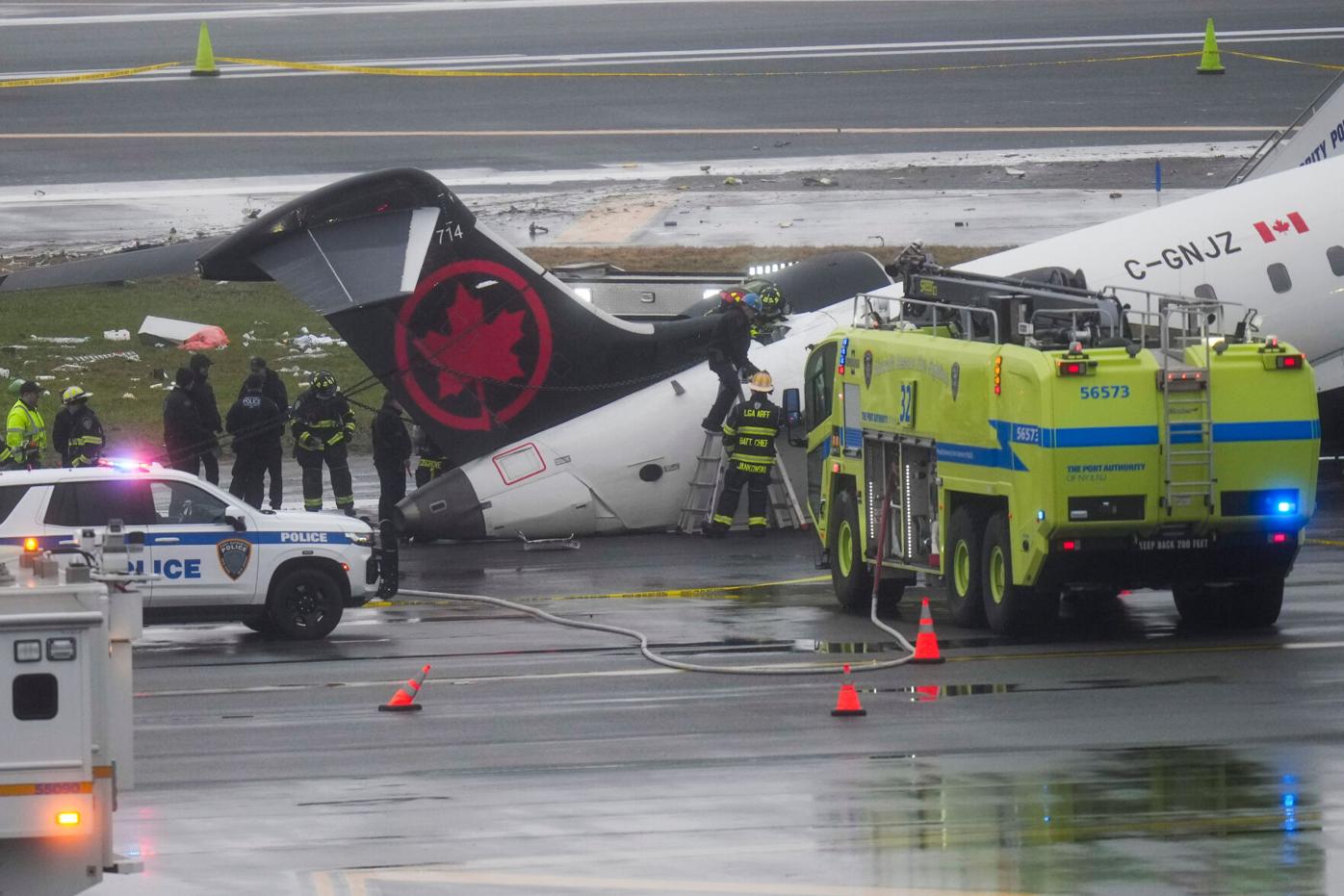
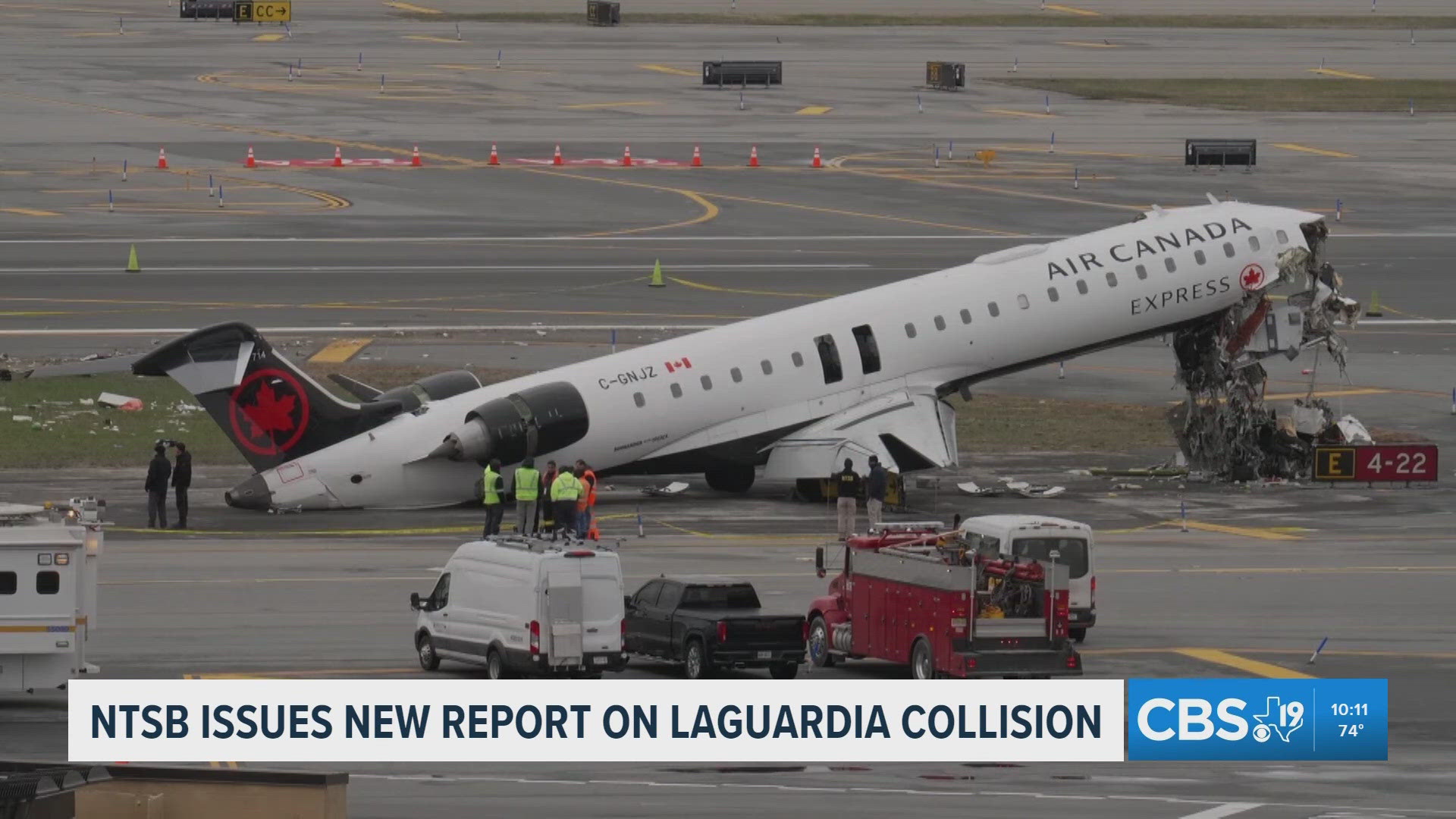
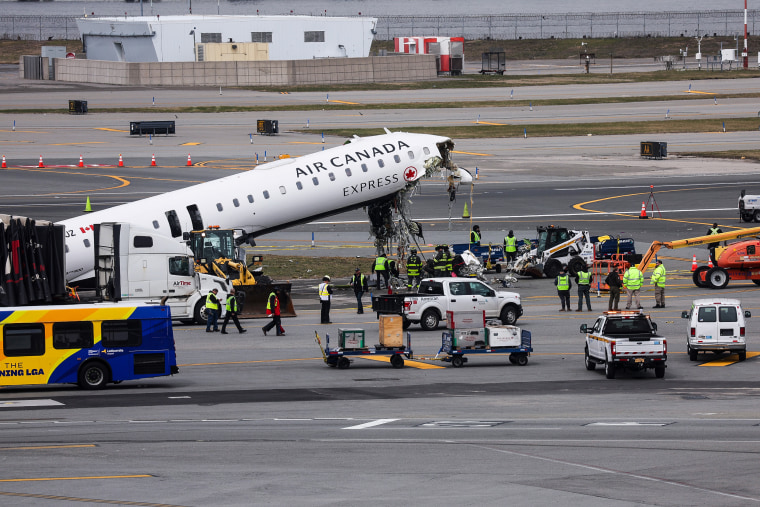
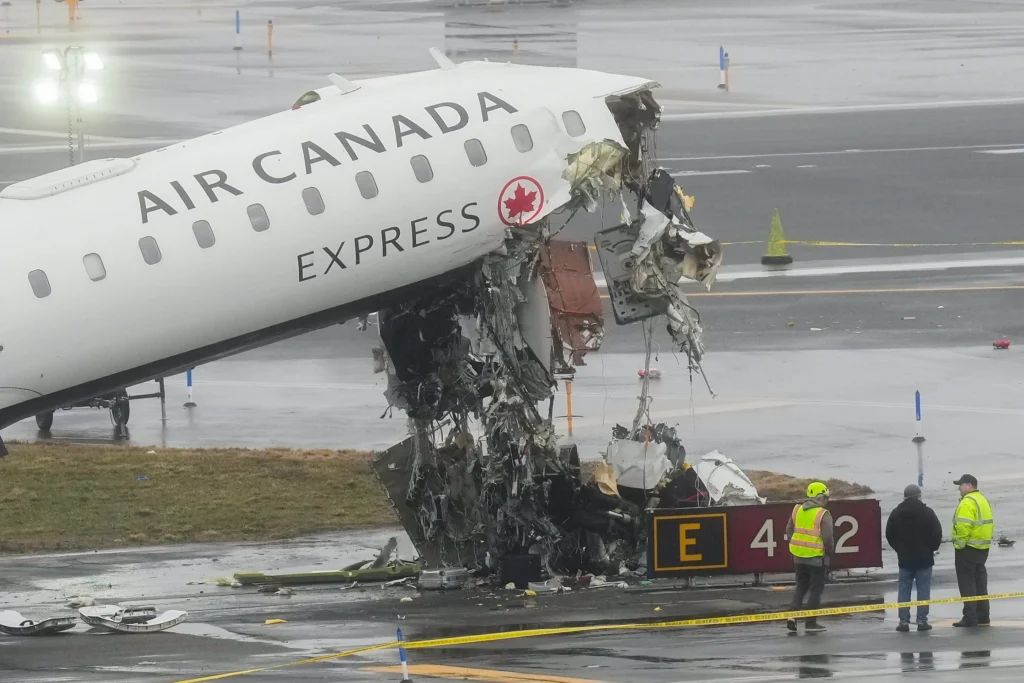
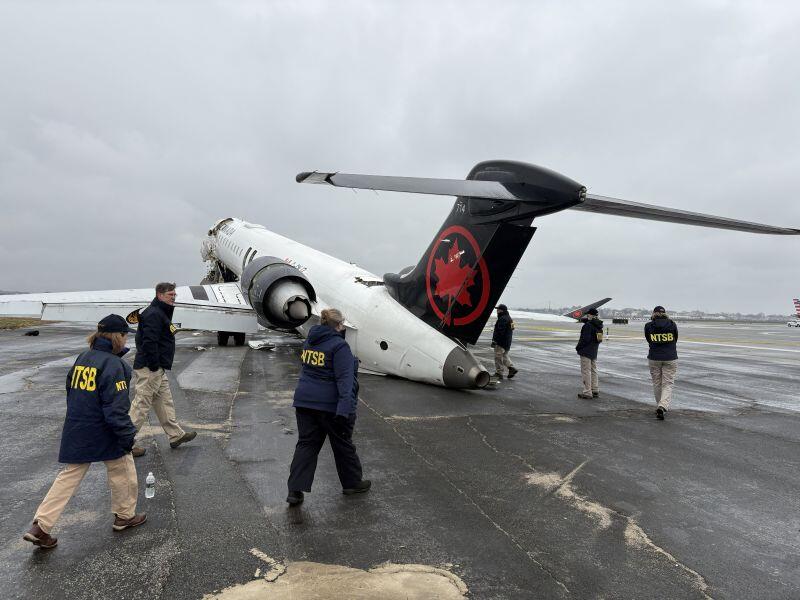
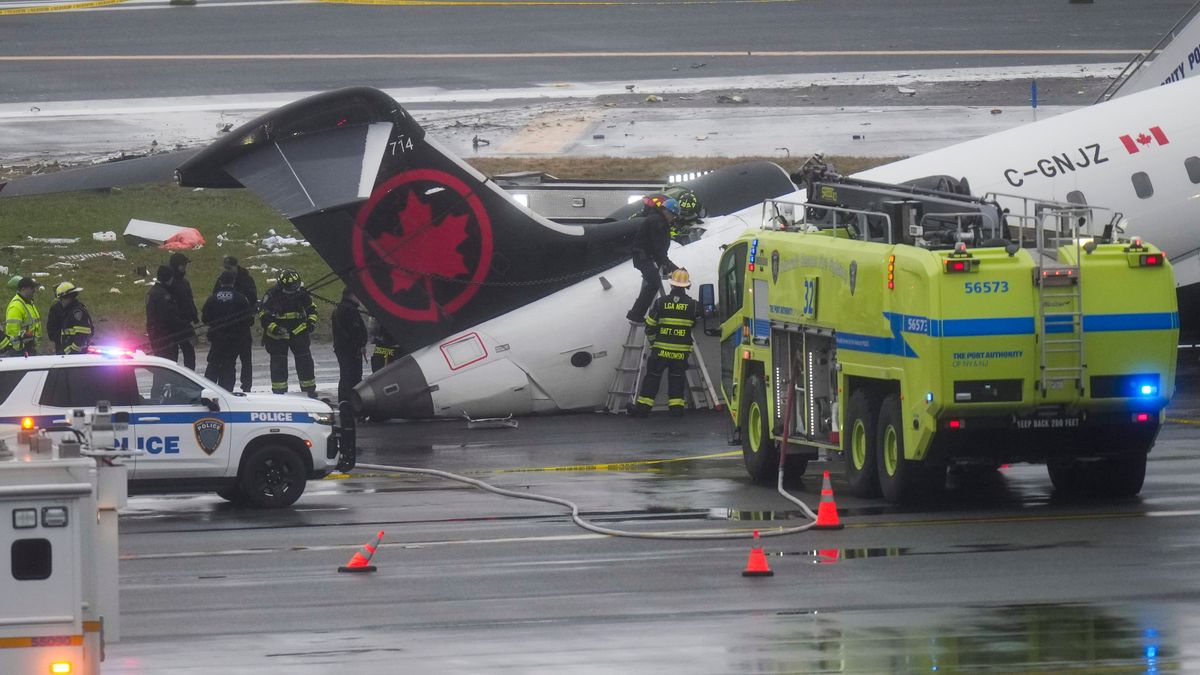
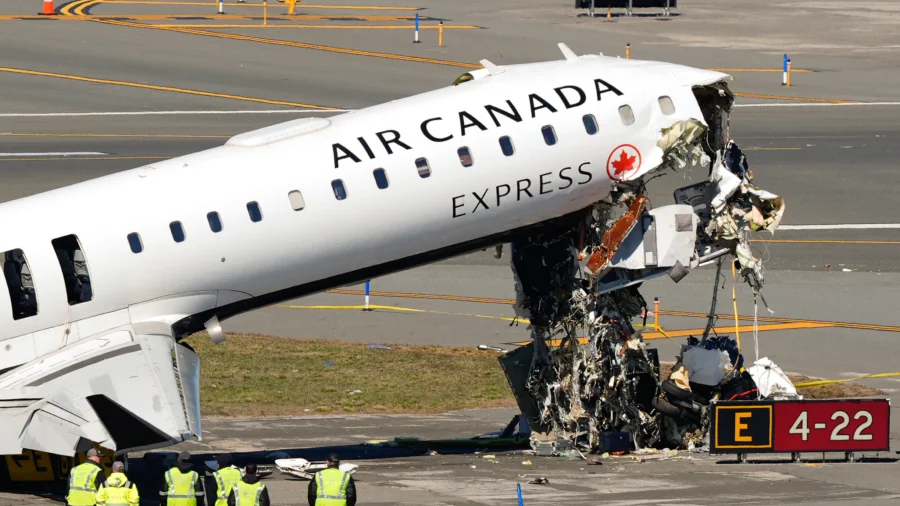
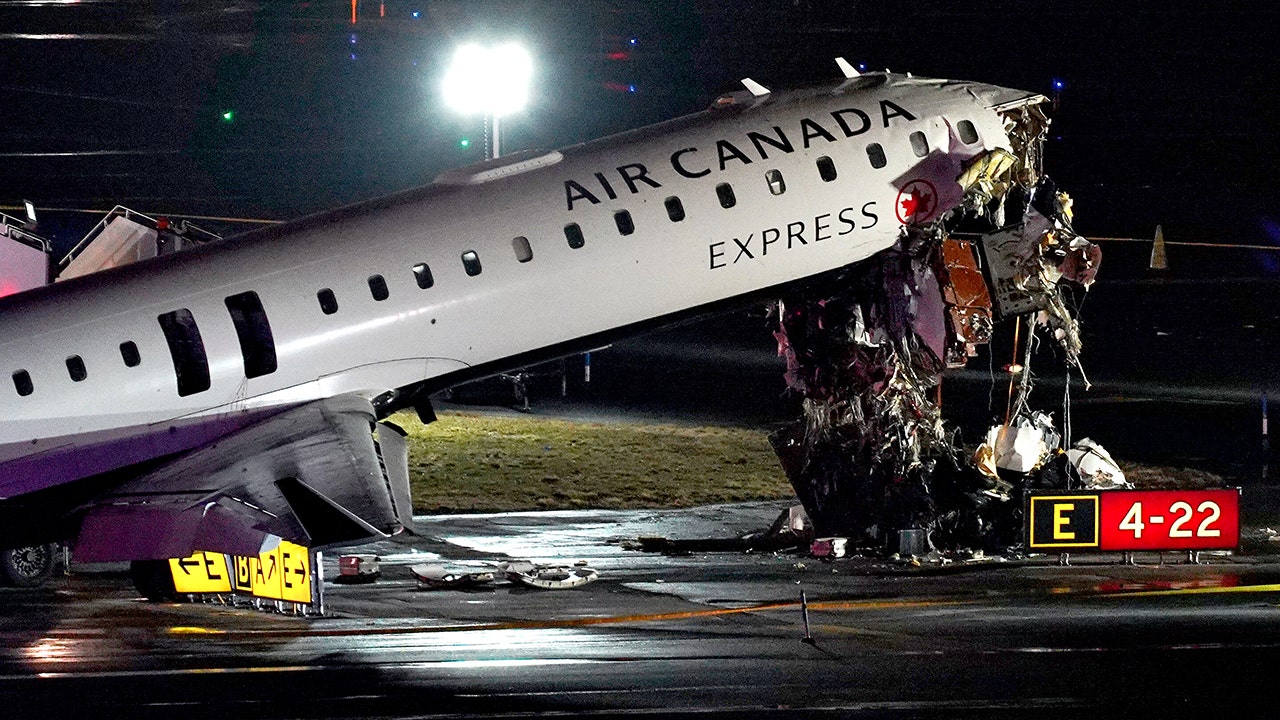
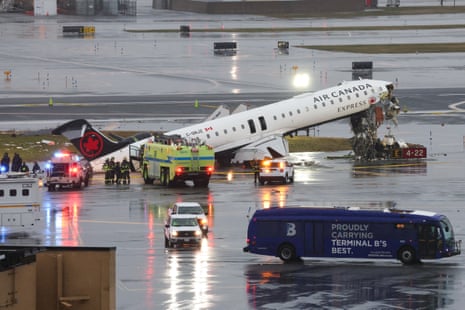
The March 22, 2026 collision between an Air Canada Express CRJ900 jet and a fire truck at New York's LaGuardia Airport—killing both pilots and injuring 39 passengers—reveals critical infrastructure vulnerabilities that are creating immediate B2B e-commerce opportunities for sellers specializing in aviation safety equipment. The National Transportation Safety Board's preliminary investigation (released April 23, 2026) identified that the airport's failure to equip emergency vehicles with communication transponders directly caused the accident, as the ASDE-X collision prevention system could not generate alerts without transponder signals. This single equipment gap prevented the system from uniquely identifying seven responding vehicles or predicting conflicts with landing aircraft.
The operational context amplifies the market opportunity: LaGuardia experienced 100%+ increases in evening flight operations (arrivals/departures after 10pm doubled scheduled levels), with planes landing every few minutes while only two air traffic controllers staffed the tower. The fire truck was cleared to cross Runway 4 just 12 seconds before the aircraft touched down with 70+ people aboard. When the controller issued urgent "stop" commands only 9 seconds before impact, the fire truck accelerated instead—partly because simultaneous radio transmissions on the same frequency obscured driver communications, and the lead vehicle's occupants didn't immediately recognize the directive was directed at them.
For cross-border sellers, this creates three distinct market segments: (1) Transponder/IoT Equipment Sellers targeting airport ground operations—the FAA had already recommended transponder technology in the previous year, and this fatal accident will accelerate mandatory adoption across 500+ US airports, representing a $1.2-1.8B equipment retrofit market; (2) Communication Systems Providers offering encrypted radio systems and multi-channel coordination platforms to prevent frequency conflicts during high-traffic periods; (3) Safety Compliance Training & Documentation Sellers providing NTSB-aligned protocols, emergency response procedures, and digital communication logging systems. Port Authority Executive Director Kathryn Garcia stated the agency would "await the report before implementing changes," but NTSB's findings underscore "critical importance of modernizing airport infrastructure"—signaling imminent regulatory mandates. The preliminary investigation will conclude within one year, likely triggering federal safety directives (ADs) that make equipment upgrades mandatory rather than optional. Sellers with existing relationships in aviation supply chains should immediately develop product listings for transponder units, communication headsets, and compliance documentation systems, as airports will face pressure to demonstrate safety improvements before the final NTSB report releases.
Questions 8
What does the accident reveal about airport infrastructure vulnerabilities beyond equipment?
The NTSB investigation identified systemic vulnerabilities including: (1) **Communication gaps** between air traffic control and ground vehicles, with no standardized protocols for emergency vehicle coordination; (2) **Equipment limitations** in tracking non-transponder-equipped vehicles, preventing automated conflict prediction; (3) **Operational challenges** during peak traffic periods, with only two controllers managing both air and ground operations during 100%+ increases in evening flight volume; (4) **System design limitations** where the ASDE-X collision prevention system failed because emergency vehicles lacked required transponders and were surrounded by other vehicles, preventing proper proximity detection; (5) **Runway lighting failures** where stop lights remained illuminated until 3 seconds before impact. These vulnerabilities exist across multiple US airports, creating demand for comprehensive infrastructure modernization beyond simple equipment upgrades.
When will regulatory mandates likely force airport safety equipment upgrades?
The NTSB's preliminary investigation will conclude within approximately one year (by April 2027), after which the agency typically issues formal safety recommendations. Federal Aviation Administration (FAA) regulatory directives typically follow within 6-12 months of NTSB recommendations, creating a 18-24 month implementation window from the accident date. Port Authority Executive Director Kathryn Garcia stated the agency would 'await the report before implementing changes,' but the fatal nature of this accident and clear equipment gaps will likely accelerate timelines. Sellers should expect regulatory mandates to emerge by late 2027, with compliance deadlines typically set 12-18 months after directive issuance. This creates a 2-3 year market window for equipment suppliers to establish relationships and fulfill retrofit orders across the US airport system.