





Gen Z Rewrites the Political Playbook: Bulgaria's Youth Revolution Signals Global Power Shift
- Digital Activism Transforms Governance Dynamics for Emerging Markets and Political Systems





























Overview
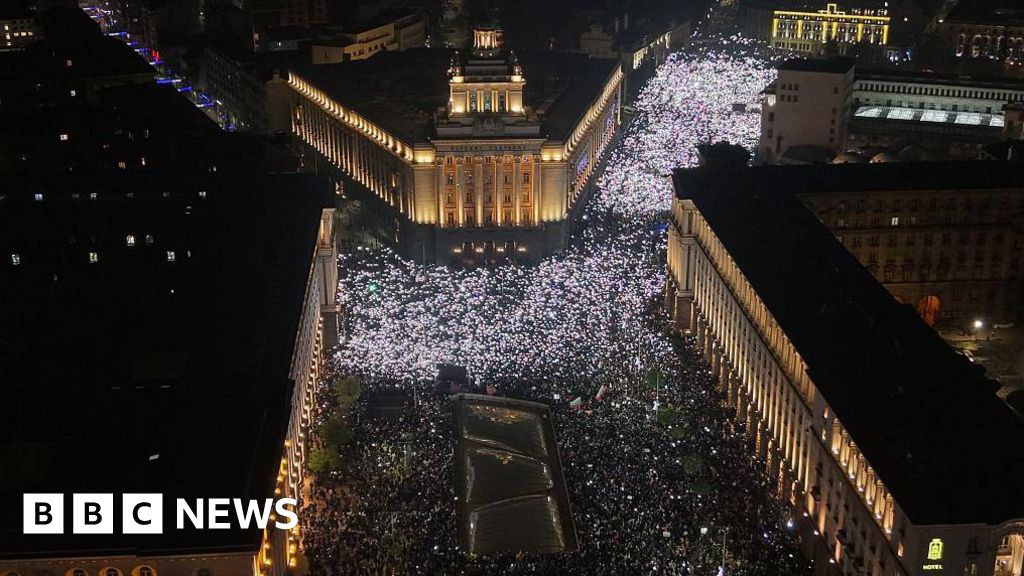
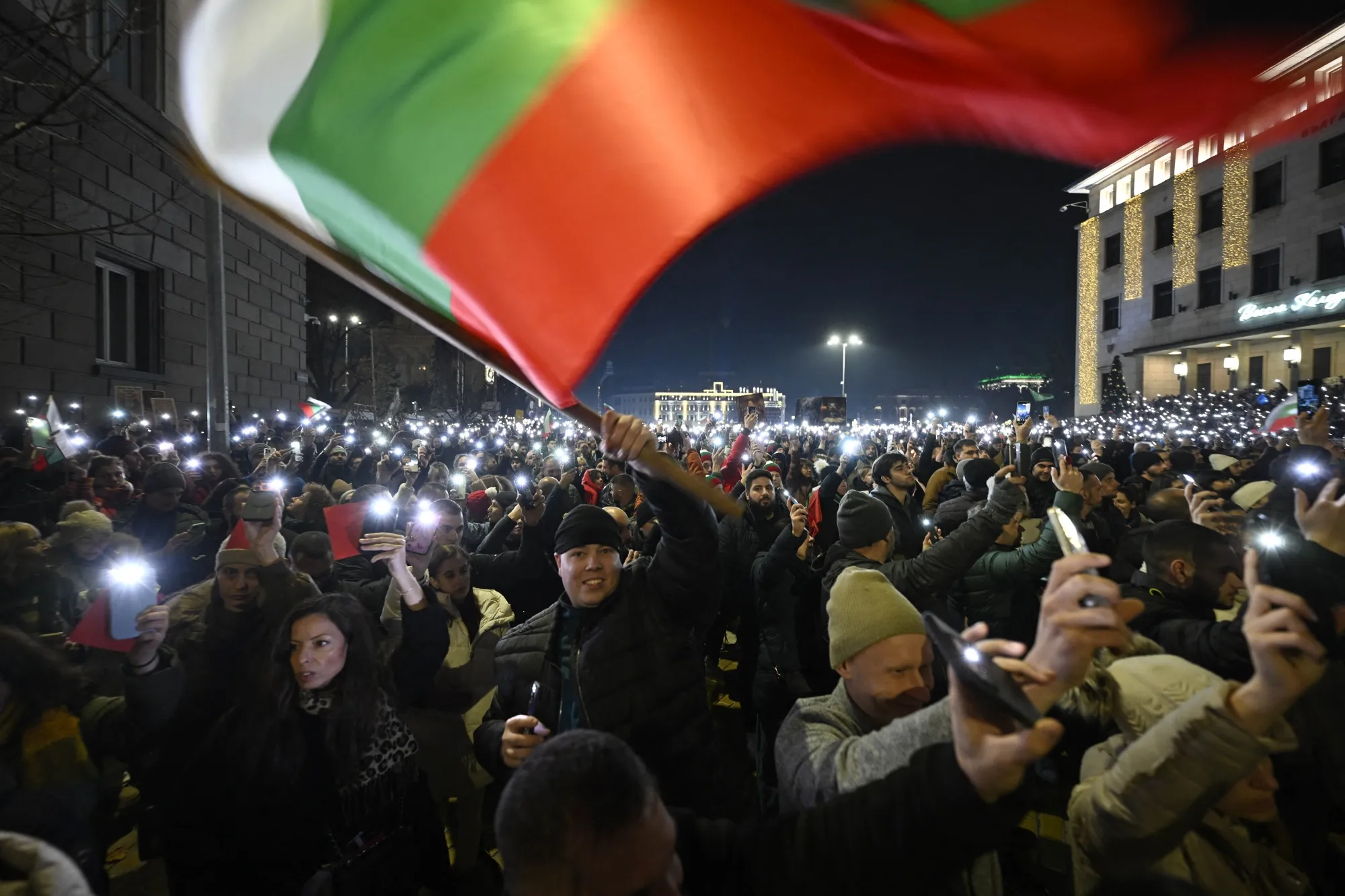
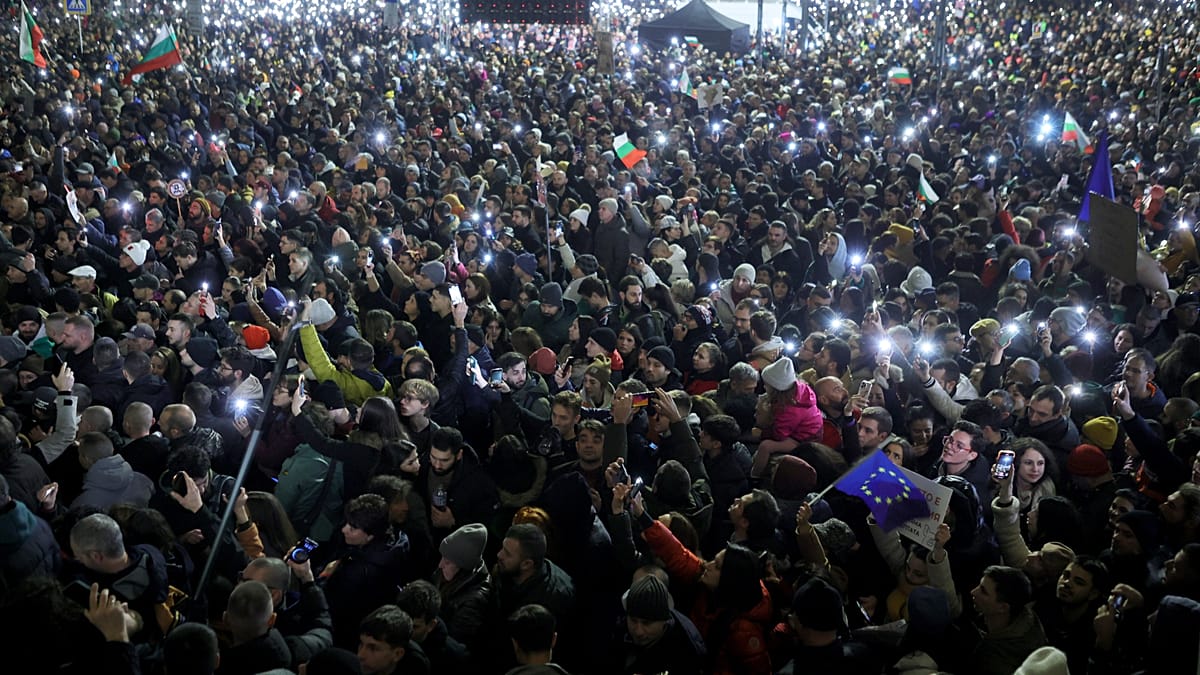
In a watershed moment for generational politics, Bulgarian youth have demonstrated an unprecedented capacity to dismantle established political structures through coordinated digital activism. The government's collapse represents more than a local political event—it signals a fundamental transformation in how political power is conceived and executed in the digital age.
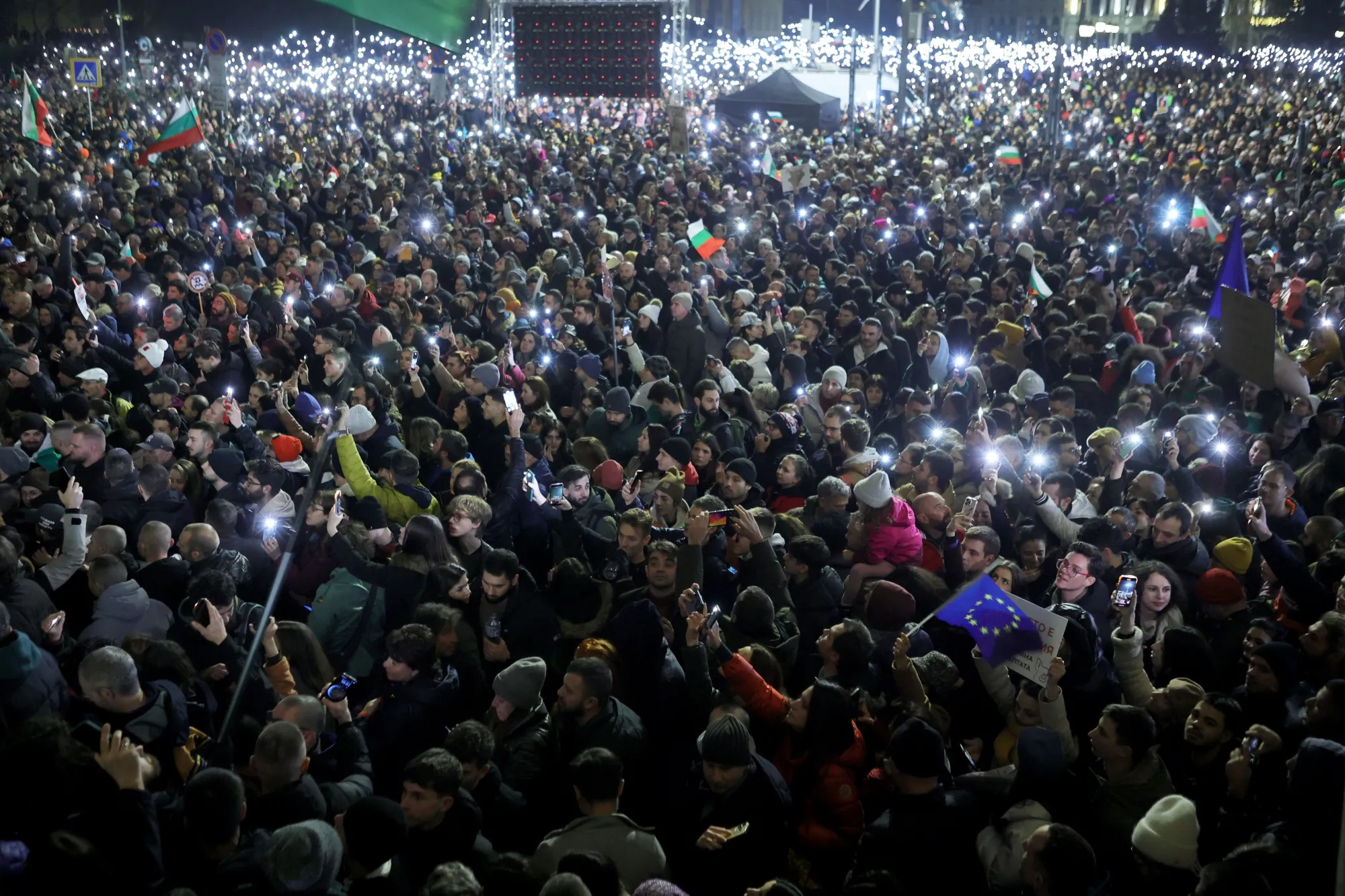
Digital mobilization emerged as the critical catalyst, with young Bulgarians leveraging social media platforms like TikTok and Instagram to rapidly organize and amplify their collective voice. The movement's success—toppling a government within weeks—highlights a new model of political engagement where traditional hierarchical systems can be challenged through networked, technology-enabled collective action.
The strategic implications extend far beyond Bulgaria's borders. Youth-driven movements are revealing critical vulnerabilities in existing governance models, particularly in regions with entrenched political elites. By targeting systemic corruption and demanding transparency, these activists are effectively creating pressure points that can catalyze institutional reforms. For international businesses and policymakers, this represents a critical signal of emerging social dynamics that could rapidly reshape regulatory landscapes and market access strategies.
The Bulgarian case is particularly noteworthy as the first European instance of a government collapse driven explicitly by Gen Z protesters. This suggests a broader global trend where younger generations, armed with digital connectivity and a heightened sense of collective agency, are willing to challenge and fundamentally restructure political systems that they perceive as unresponsive or corrupt.
For cross-border observers, the key insight is the emerging digital political infrastructure that allows rapid, coordinated mobilization. Social media has transformed from a communication platform to a powerful organizational tool capable of generating substantial real-world political pressure. This shift demands that businesses, governments, and institutions develop more responsive, transparent approaches to engage with increasingly empowered younger populations.
Questions 3
How did Bulgarian Gen Z protesters successfully topple their government?
By leveraging social media platforms like TikTok and Instagram, young Bulgarians rapidly organized mass demonstrations targeting systemic corruption. Their coordinated digital activism allowed them to mobilize tens of thousands of protesters, creating substantial political pressure that led to the government's resignation within weeks.
How might this impact international businesses operating in emerging markets?
Businesses must now factor in the potential for rapid, digitally-organized youth movements that can quickly reshape political and regulatory landscapes. This means developing more agile strategies that prioritize transparency, social responsibility, and genuine engagement with younger populations.