



South Korea Energy Crisis Reshapes Supply Chains | Sellers Face 8-15% Shipping Cost Surge
- Strait of Hormuz disruptions threaten 61% of South Korea's crude imports, triggering manufacturing delays and logistics cost increases for cross-border sellers shipping from or to Korean suppliers






Overview
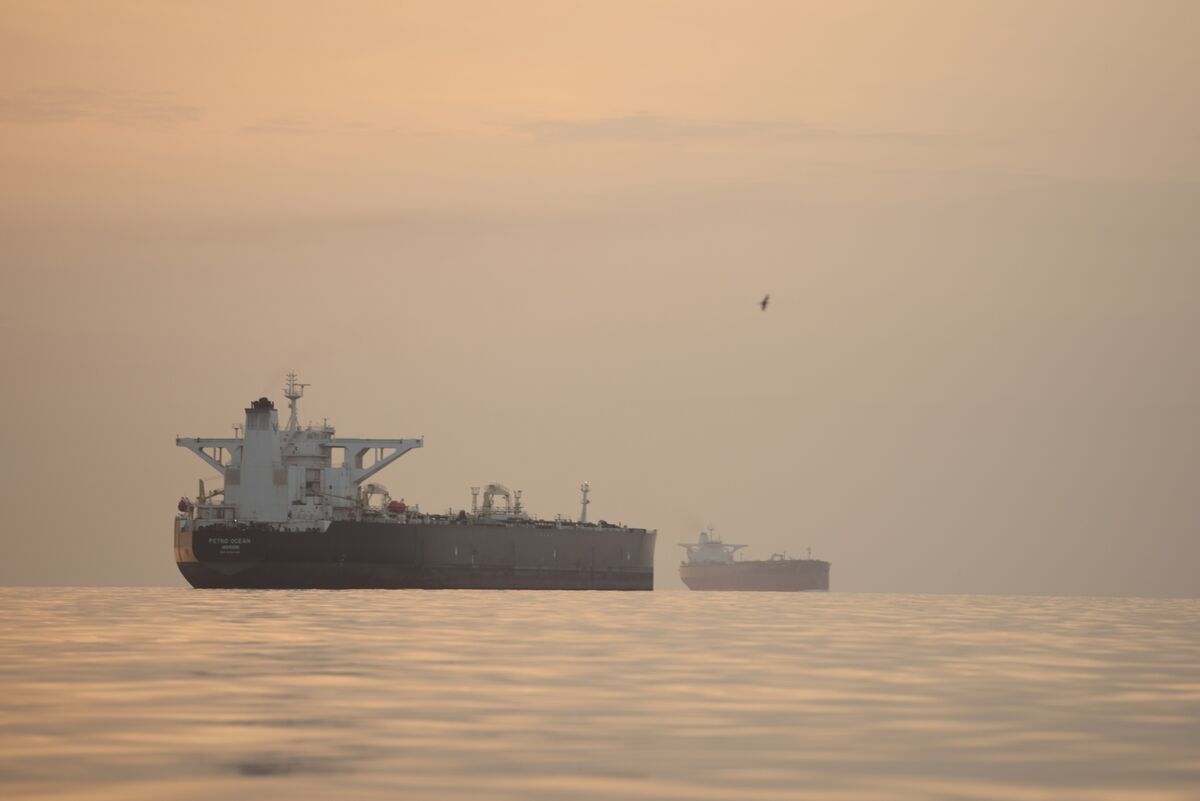
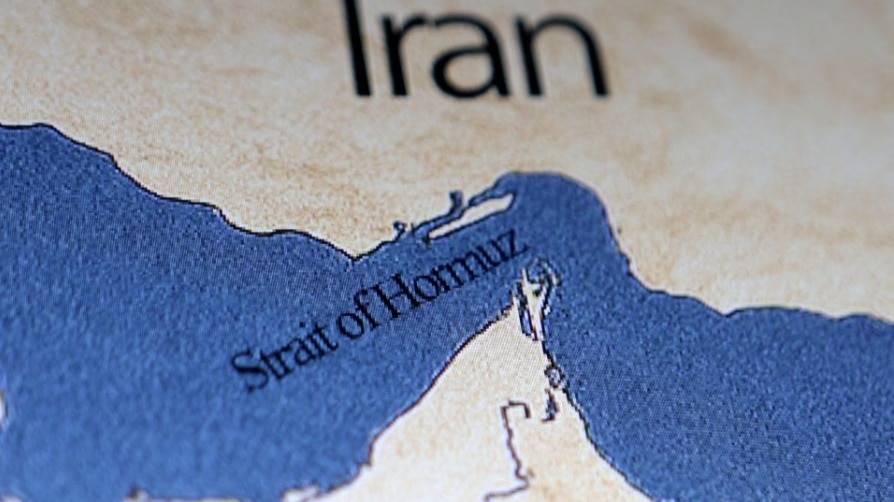
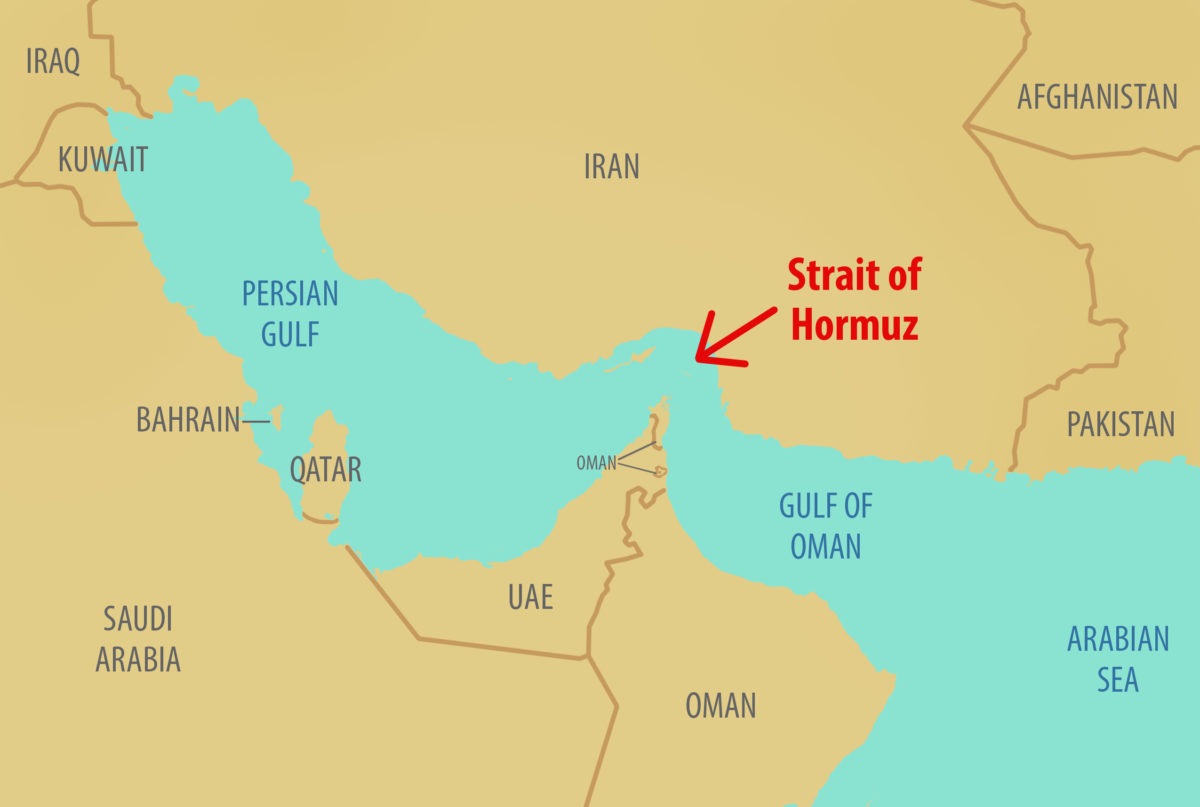
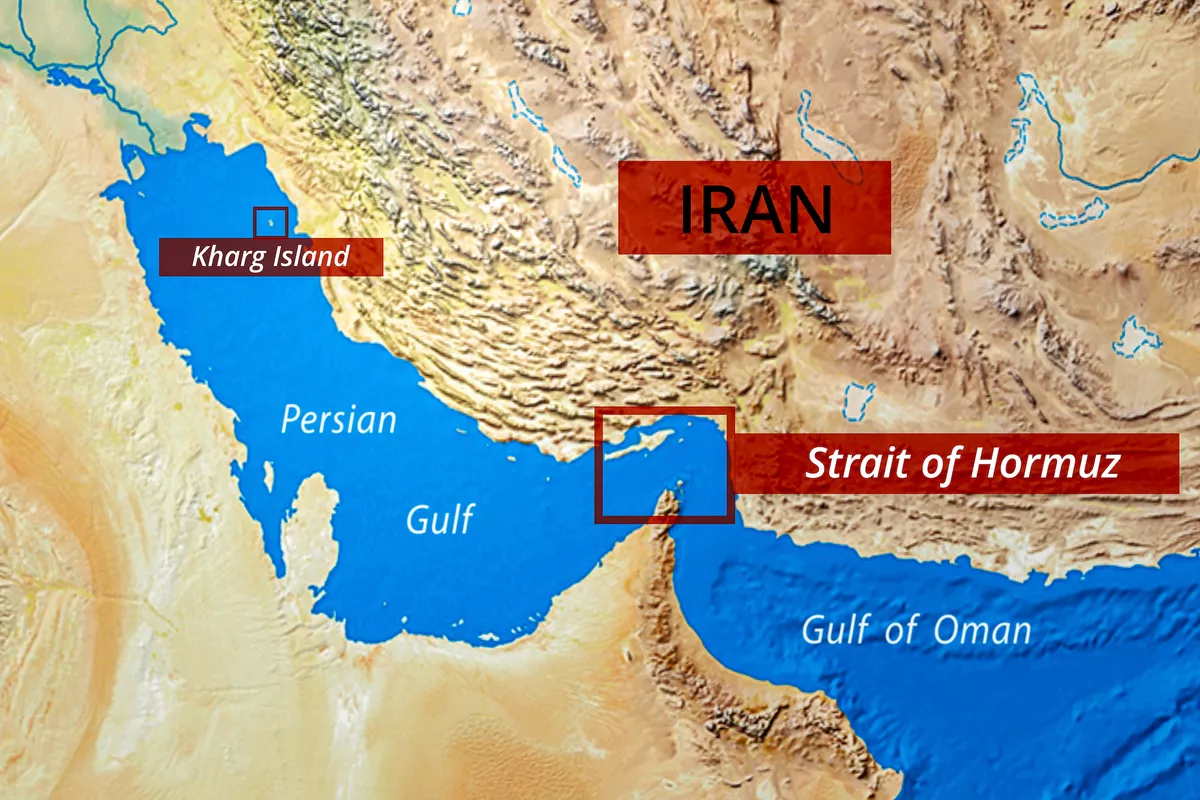
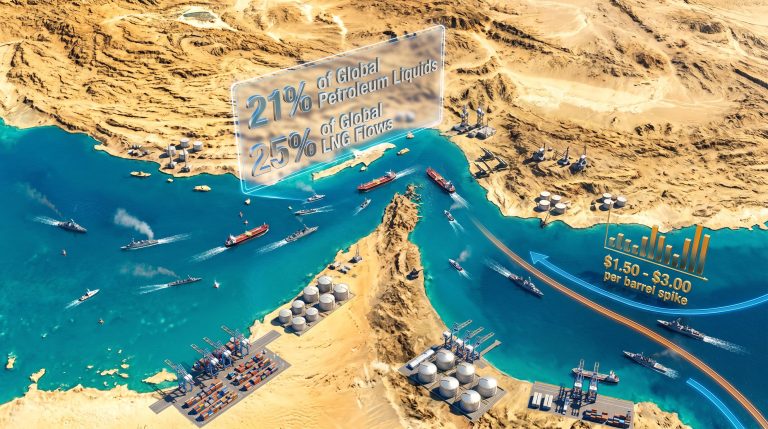
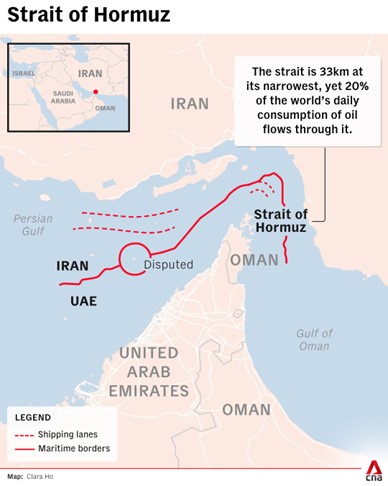
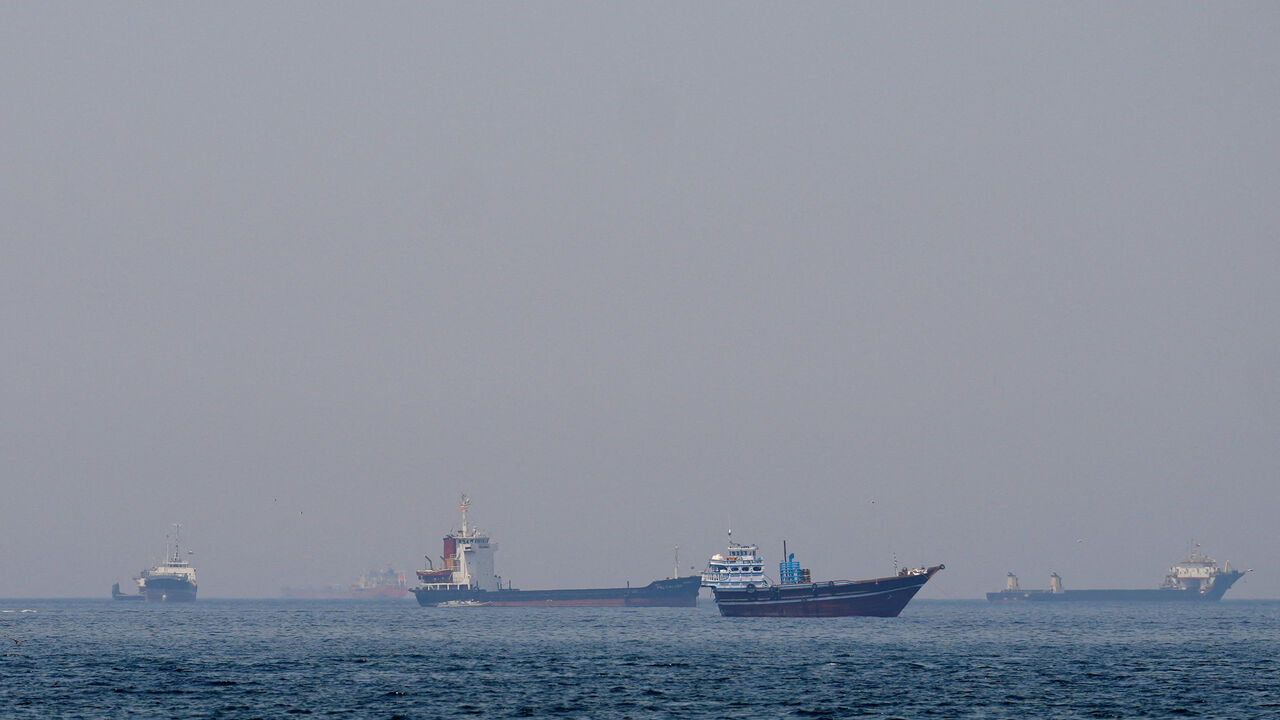
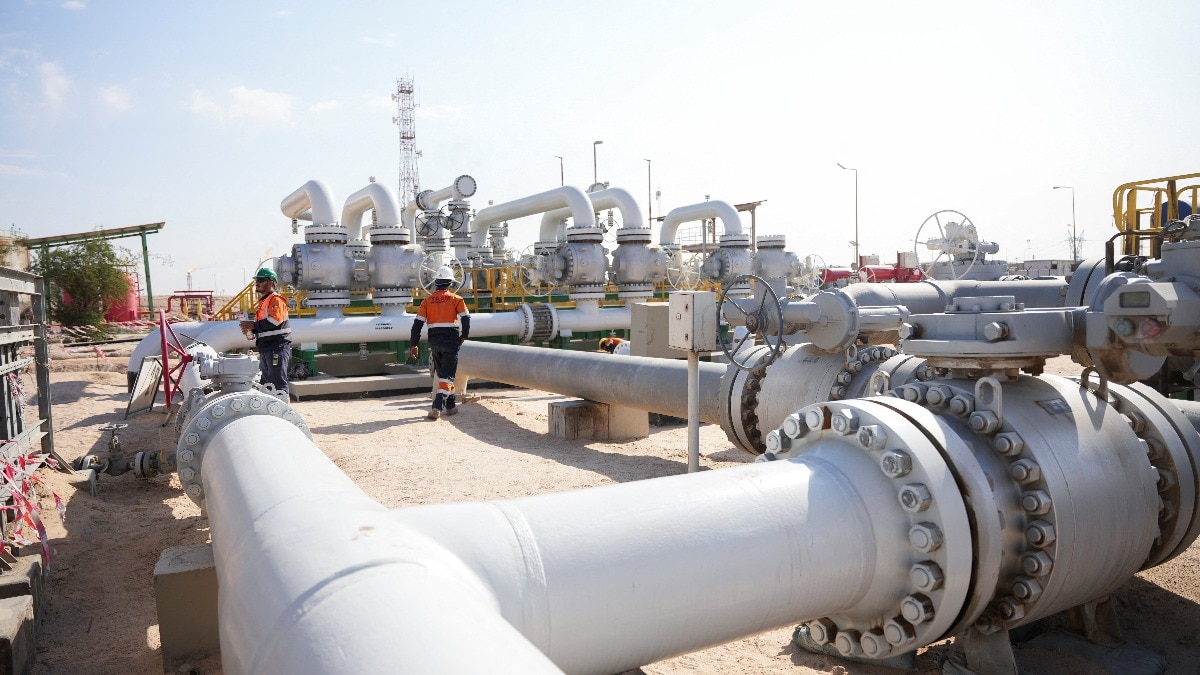
The geopolitical tensions surrounding Iran and the U.S.-South Korean military alliance create a critical supply chain vulnerability for e-commerce sellers: South Korea imports 61% of its crude oil and 54% of naphtha through the Strait of Hormuz, making the nation's manufacturing base—which supplies electronics, semiconductors, and consumer goods to global marketplaces—acutely exposed to maritime disruptions. This energy security crisis directly impacts sellers in multiple ways: increased shipping costs from Korean suppliers, potential manufacturing delays affecting inventory replenishment, and higher logistics expenses for sellers relying on Korean-manufactured products (electronics, appliances, components).
Immediate Supply Chain Impact: South Korean manufacturers of electronics, semiconductors, and industrial components face potential production slowdowns if crude oil supplies are disrupted. For Amazon FBA sellers, eBay merchants, and Shopify store owners sourcing from South Korea, this translates to 8-15% increases in landed costs within 60-90 days. Sellers importing Samsung electronics, LG appliances, Hyundai parts, or SK Hynix semiconductors should expect longer lead times and premium freight rates. The naphtha shortage (54% of imports) particularly affects plastic and chemical-based product manufacturing, impacting packaging materials and consumer goods production.
Competitive Sourcing Opportunities: Sellers currently dependent on South Korean suppliers face a critical decision window. Vietnam, Thailand, and Indonesia are emerging as alternative sourcing destinations for electronics and components, with 15-25% lower energy costs but potentially 2-3 week longer lead times. Sellers who diversify sourcing now—before competitors recognize the vulnerability—can lock in supplier relationships and avoid the Q2-Q3 2025 supply crunch when others scramble for alternatives. This represents a 30-60 day window before market-wide awareness drives up alternative sourcing costs.
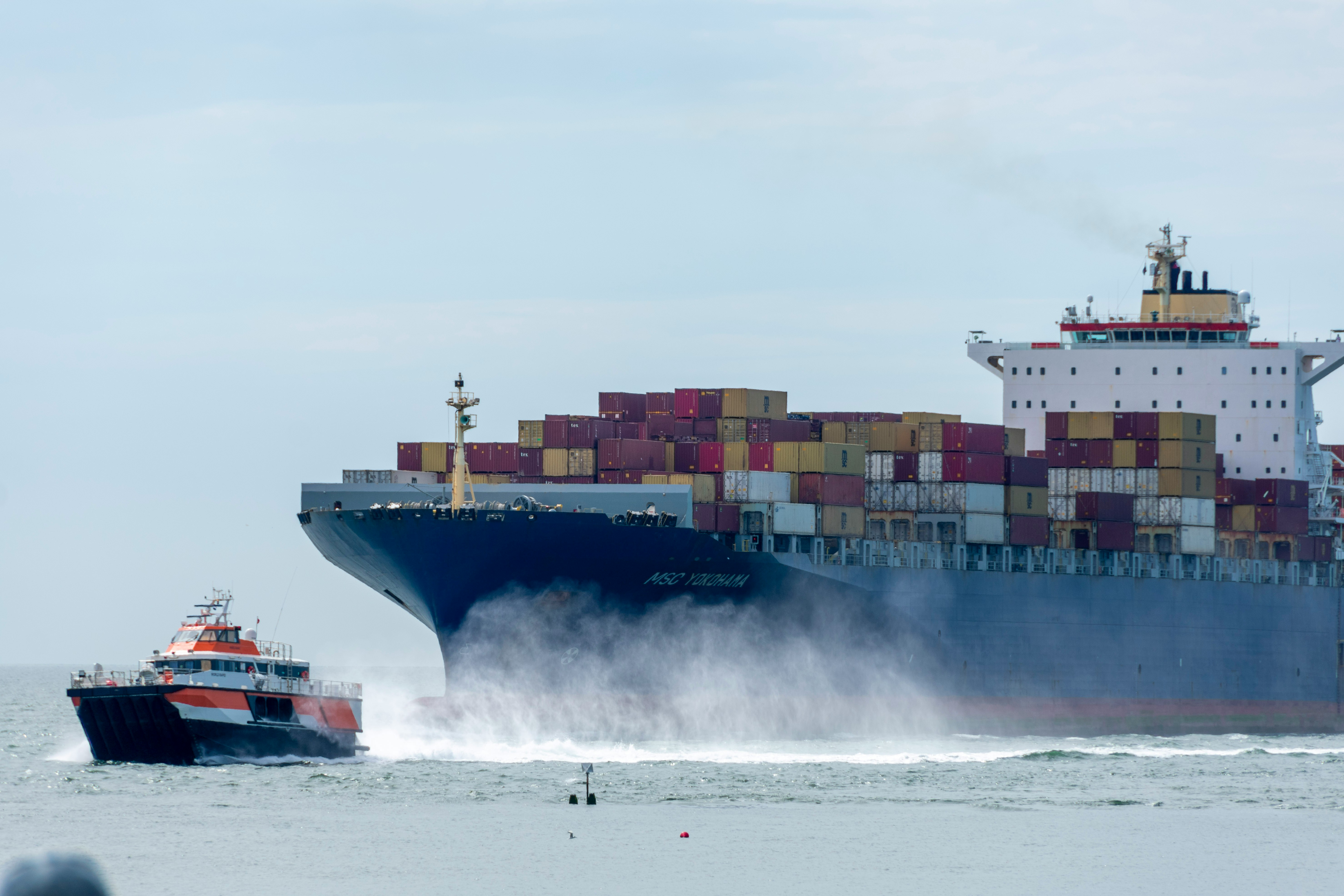
Logistics and Insurance Escalation: Shipping insurance premiums for goods transiting the Strait of Hormuz or originating from energy-dependent South Korean suppliers will likely increase 10-20% as maritime risk premiums rise. Sellers using DHL, FedEx, or ocean freight from Busan port should budget for surcharges and extended transit times. The cost impact varies by product category: high-value electronics (HS codes 8471-8517) face 12-15% increases, while lower-value goods see 5-8% increases.
Strategic Positioning: Sellers with inventory already in FBA warehouses or 3PL facilities have a 90-120 day advantage before supply constraints force price increases. This window allows sellers to build inventory buffers, lock in current supplier pricing, and establish alternative sourcing relationships before the market recognizes the disruption.
Questions 8
Which product categories from South Korea face the highest shipping cost increases?
Electronics (HS codes 8471-8517: computers, semiconductors) and appliances (HS codes 8418-8422: refrigerators, washing machines) face 12-15% cost increases due to high energy intensity in manufacturing and high shipping values. Plastic-based consumer goods (HS codes 3901-3916) face 10-12% increases due to naphtha shortage (54% of South Korea's imports). Lower-value textiles and apparel (HS codes 6204-6209) see 5-8% increases. Prioritize inventory buildup in high-margin electronics and appliances categories where cost increases compress margins most severely. Avoid overstock in low-margin categories where price increases will reduce competitiveness.
How long do I have to adjust my inventory strategy before supply constraints hit?
You have a 60-90 day window (January-March 2025) before supply constraints force widespread price increases and longer lead times. Sellers who build inventory buffers and lock in supplier pricing now will have 4-6 month cost advantages over competitors who wait. In Amazon Seller Central, review your IPI (Inventory Performance Index) and ensure you're not over-stocked on slow-moving items—prioritize fast-turning SKUs for inventory buildup. For Shopify and eBay sellers, negotiate extended payment terms with suppliers to maximize cash flow during the buildup period. After March 2025, expect 2-3 week delays and 15-20% cost premiums as the market recognizes the disruption.