


YouTube TV Multiview Customization | Streaming Personalization Drives Seller Advertising Opportunities
- Google's $55-$83/month tiered pricing strategy signals shift toward personalized content consumption, creating new advertising inventory and market research opportunities for cross-border sellers monitoring consumer behavior patterns



Overview
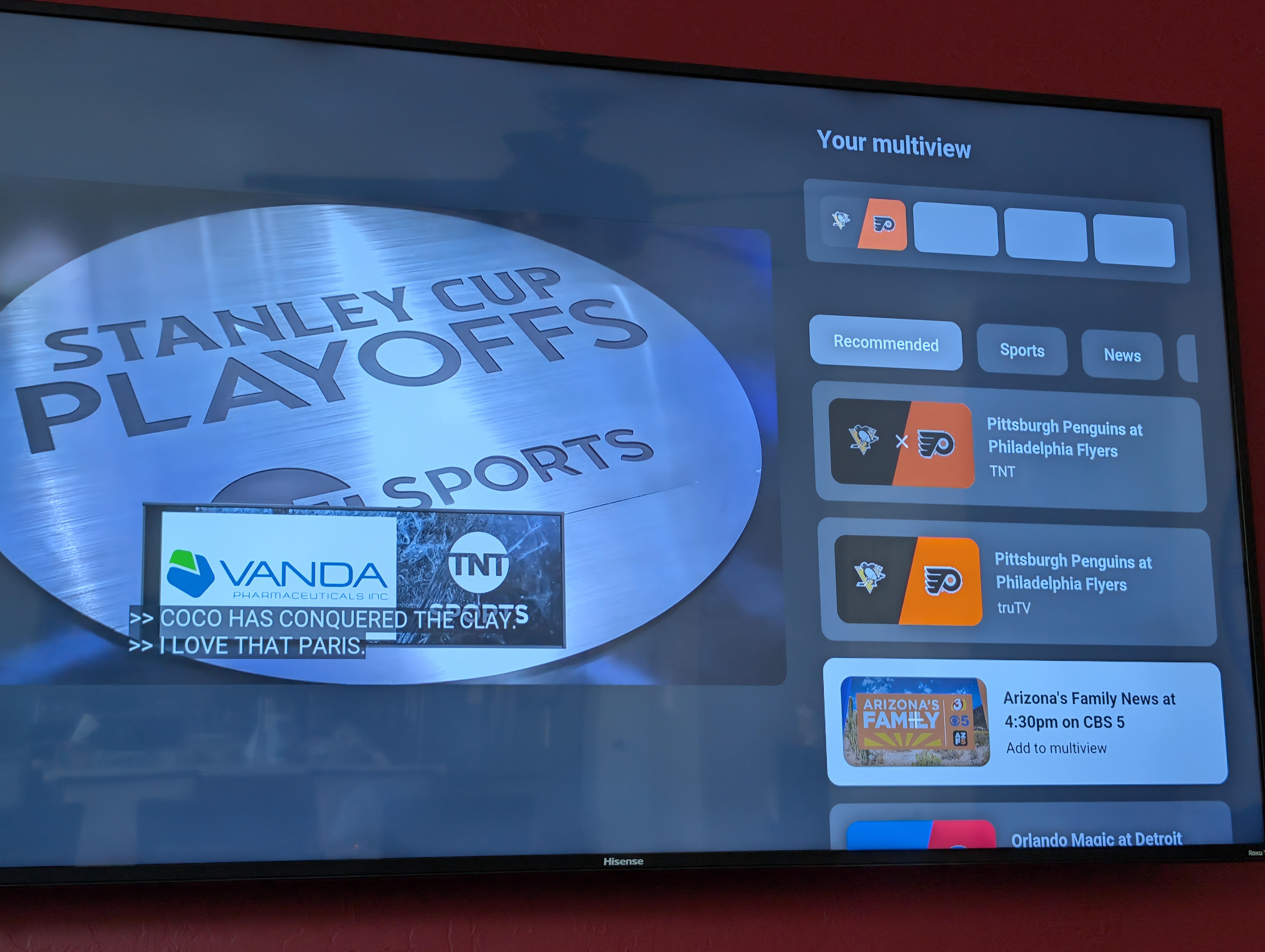
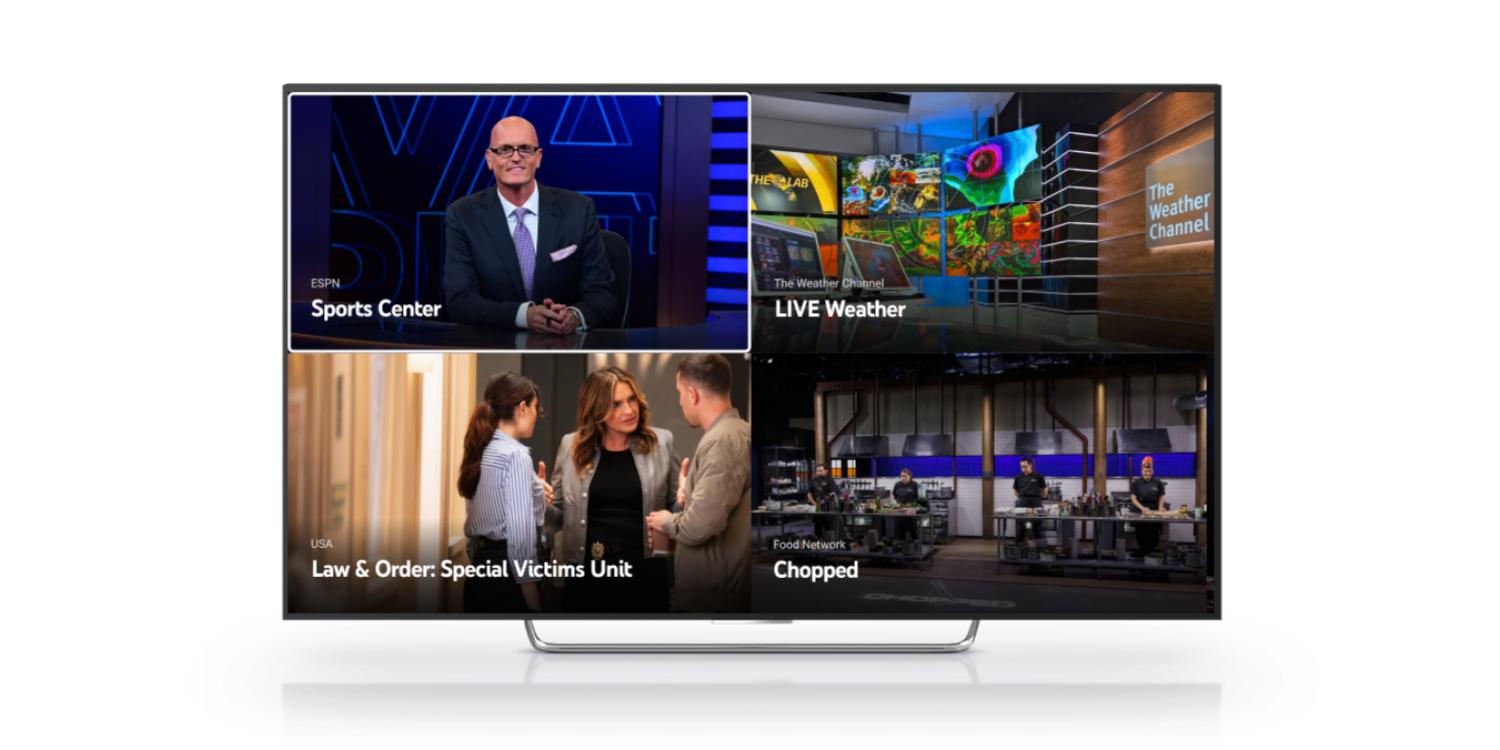
YouTube TV's rollout of fully customizable multiview functionality represents a critical shift in streaming platform strategy that directly impacts how cross-border e-commerce sellers approach market research, competitor analysis, and advertising placement decisions. The feature, announced in January 2025 and currently rolling out in staged phases across the United States, allows subscribers to select any combination of up to four live channels simultaneously—a dramatic expansion from previous preset-only options. This technical capability, combined with YouTube TV's new tiered pricing structure ($55 Entertainment plan, $64.99 Sports plan, $83 standard tier), demonstrates Google's commitment to personalization-driven retention strategies that mirror broader e-commerce trends toward customized consumer experiences.
The competitive positioning implications are substantial for sellers monitoring streaming market dynamics. YouTube TV's server-side processing architecture—which merges multiple livestreams into consolidated delivery—enables efficient scaling across unlimited channel combinations without requiring individual device processing power. This infrastructure investment signals Google's confidence in personalization as a long-term differentiation strategy against competitors like Hulu Live TV ($76.99/month), Sling TV, and traditional cable providers. For sellers, this indicates that streaming platforms are increasingly willing to invest in granular user preference data collection, creating new opportunities for targeted advertising campaigns that leverage viewing pattern insights. The account-specific rollout approach (rather than device-specific) suggests YouTube is building individual user profiles that could inform future advertising targeting capabilities.
Consumer behavior insights from this feature expansion reveal critical market segmentation opportunities. The news reports confirm that users in sports-heavy markets like Philadelphia particularly value the ability to pair local Regional Sports Networks (RSNs) with national broadcasts—a combination previously impossible under preset constraints. This demonstrates strong demand for localized content bundling, which has direct implications for sellers in sports merchandise, regional products, and location-specific services. The feature's organization into categories (Recommended, Sports, News, TV Shows, Movies) mirrors e-commerce category structures, suggesting that YouTube's content taxonomy could inform how sellers should organize product listings and advertising campaigns. Additionally, the five-day free trial period and promotional pricing ($68/month for first three months, down from $83) indicate YouTube is aggressively acquiring price-sensitive subscribers—a demographic that typically shows high engagement with value-oriented e-commerce offerings.
The phased rollout strategy carries operational implications for sellers planning advertising campaigns. YouTube's gradual, account-specific deployment (rather than simultaneous global launch) means advertising effectiveness will vary by user segment and geography during the rollout period. Sellers should expect that early adopters of the customizable multiview feature will demonstrate different viewing patterns and engagement metrics compared to late-stage users. This creates a window for sellers to test advertising creative and messaging on early-adopter audiences before scaling campaigns to broader populations. The feature's optimization for larger television screens suggests that household-level purchasing decisions (typically higher-value transactions) may be influenced by improved multi-channel viewing experiences, particularly for sports-related products, entertainment merchandise, and home goods.
Questions 7
How does YouTube TV's multiview feature compare to competitor offerings for sellers?
YouTube TV's fully customizable multiview (supporting any channel combination) provides stronger differentiation than Hulu Live TV ($76.99/month) and Sling TV, which offer more limited customization. This competitive advantage matters for sellers because it indicates YouTube is investing heavily in user experience features that drive engagement and retention—metrics that correlate with advertising effectiveness. YouTube's server-side processing approach (merging multiple livestreams centrally) is more sophisticated than device-level processing competitors may use, suggesting YouTube can scale personalization features more efficiently. For sellers, this means YouTube TV will likely develop more granular user preference data over time, enabling increasingly precise advertising targeting. Sellers should prioritize YouTube TV advertising as the platform matures its personalization capabilities, particularly for products targeting engaged, multi-channel viewers.
What operational timeline should sellers follow for YouTube TV advertising campaigns?
YouTube TV's account-specific, phased rollout (currently limited in the US with gradual expansion expected) creates a three-phase advertising opportunity window. Phase 1 (immediate): Test advertising creative on early-adopter audiences in sports-heavy markets like Philadelphia, where multiview adoption is highest. Phase 2 (1-3 months): Scale successful campaigns as rollout expands to broader user base, monitoring performance changes as late-adopter audiences gain access. Phase 3 (3+ months): Optimize campaigns based on full rollout data, adjusting messaging for segments that show highest multiview engagement. Sellers should avoid major advertising commitments until rollout reaches their target geographic markets. The five-day free trial period suggests optimal campaign timing aligns with YouTube's promotional windows, when price-sensitive audiences are most receptive to new product discovery.