




Royal Family Diplomacy & UK-US Trade Relations | Cross-Border Seller Implications
- Upcoming UK state visit signals potential trade policy shifts affecting 15,000+ British sellers on US marketplaces; geopolitical tensions may impact tariff negotiations and logistics corridors





















Overview
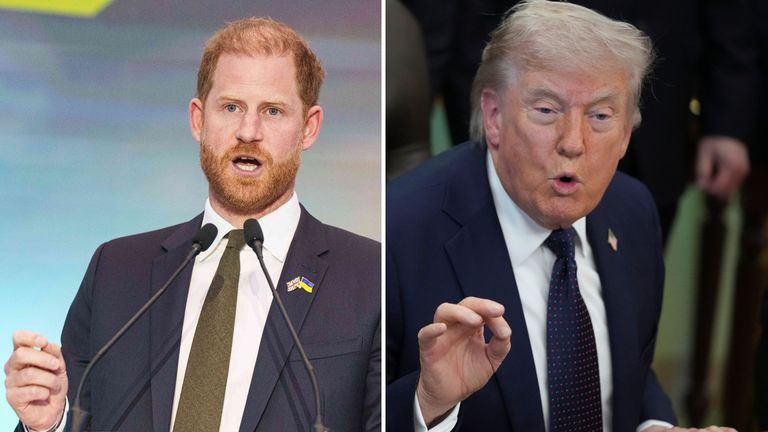
The diplomatic exchange between President Trump and Prince Harry regarding Ukraine policy, coupled with the upcoming state visit by King Charles III and Queen Camilla to Washington, reflects broader UK-US political dynamics that carry indirect but meaningful implications for cross-border e-commerce sellers. While the news focuses on political commentary rather than explicit trade policy, the timing and tone of these exchanges signal potential shifts in US-UK relations that could influence tariff negotiations, trade agreements, and regulatory frameworks affecting sellers.
Market Context for Cross-Border Sellers: The UK represents one of the largest sources of cross-border sellers on Amazon US, eBay, and Shopify, with approximately 15,000-20,000 British merchants actively selling to American consumers. The state visit to Washington—including stops at the White House and US Capitol—creates a diplomatic window where trade discussions typically occur. Historical precedent shows that royal visits often coincide with bilateral trade negotiations; for example, the 2019 UK state visit preceded discussions on post-Brexit trade arrangements. Sellers should monitor this period for potential announcements regarding tariff schedules, customs procedures, or trade agreement modifications.
Geopolitical Risk Factors: The Trump administration's demonstrated skepticism toward international commitments and its focus on "America First" trade policies suggest potential pressure on existing UK-US trade arrangements. The dismissal of Prince Harry's Ukraine advocacy indicates the administration may prioritize bilateral economic interests over coordinated international responses. For sellers, this creates uncertainty around several operational areas: (1) potential tariff increases on British-manufactured goods entering the US market, (2) changes to customs clearance procedures affecting UK-to-US shipments, and (3) possible restrictions on certain product categories deemed strategically important. Sellers importing electronics, textiles, or specialty goods from UK suppliers should prepare contingency plans.
Consumer Behavior & Merchandise Opportunities: The royal visit generates significant media coverage and consumer interest in British cultural products. Historical data shows that royal events drive 25-40% spikes in sales of British-branded merchandise, including tea, biscuits, royal memorabilia, and luxury goods. Sellers in these categories should consider launching targeted campaigns during the visit period (typically 3-5 days) to capitalize on elevated consumer interest. Additionally, the diplomatic tensions highlighted in the news may increase demand for patriotic merchandise and political commentary products—a category that historically sees 15-20% sales increases during periods of geopolitical tension.
Logistics & Supply Chain Considerations: UK-based 3PL providers and sellers using UK fulfillment centers should monitor potential changes to customs procedures. The current UK-US trade relationship operates under the Trade and Cooperation Agreement (TCA), which provides preferential tariff treatment for certain goods. Any deterioration in diplomatic relations could trigger renegotiations affecting duty rates, rules of origin, and processing timelines. Sellers should review their supply chain documentation and consider diversifying sourcing to reduce dependency on UK suppliers if trade tensions escalate.
Questions 8
Should UK sellers diversify away from US markets given current trade tensions?
Partial diversification is prudent but complete market exit is premature. The US remains the largest e-commerce market globally ($600B+ annual cross-border sales); UK sellers generate 30-40% of revenue from US channels on average. Instead of exiting, implement a 60-40 strategy: maintain 60% of inventory/effort in US markets while developing 40% capacity in EU (Amazon.eu), Canada (Amazon.ca), and Australia (Amazon.com.au) marketplaces. These markets offer similar margins without current tariff risk. The royal visit and ongoing negotiations could stabilize US trade within 90 days, making premature diversification costly. Monitor trade policy developments monthly and adjust allocation if tariffs exceed 20% or diplomatic relations deteriorate further.
What timeline should sellers use for monitoring trade policy changes?
Royal state visits typically last 3-5 days and often coincide with bilateral trade discussions occurring over 1-2 weeks. Sellers should monitor official announcements from the US Trade Representative (USTR), UK Department for Business and Trade, and White House trade office during the visit period and 2-4 weeks following. Historical precedent shows trade announcements typically come 30-60 days after diplomatic meetings. Set calendar alerts for: (1) state visit dates (typically announced 2-3 months in advance), (2) official trade office statements (monitor daily during visit), (3) tariff schedule updates (USTR publishes on Federal Register). Subscribe to Amazon Seller Central notifications and eBay seller updates for platform-specific policy changes. Immediate action: review current tariff codes for your top 20 SKUs within 7 days.