

Strait of Hormuz Blockade Disrupts Global Supply Chains | Shipping Costs Rise 8-15% for Cross-Border Sellers
- U.S. naval enforcement in Persian Gulf creates sustained logistics disruption affecting 20-30% of global oil trade; cross-border sellers face 8-15% shipping cost increases and 2-4 week delivery delays through April 2026 and beyond




Overview
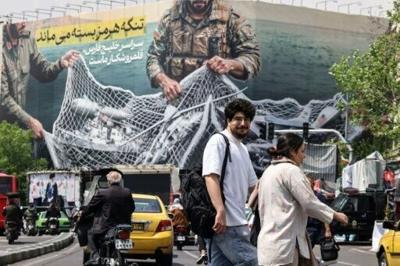
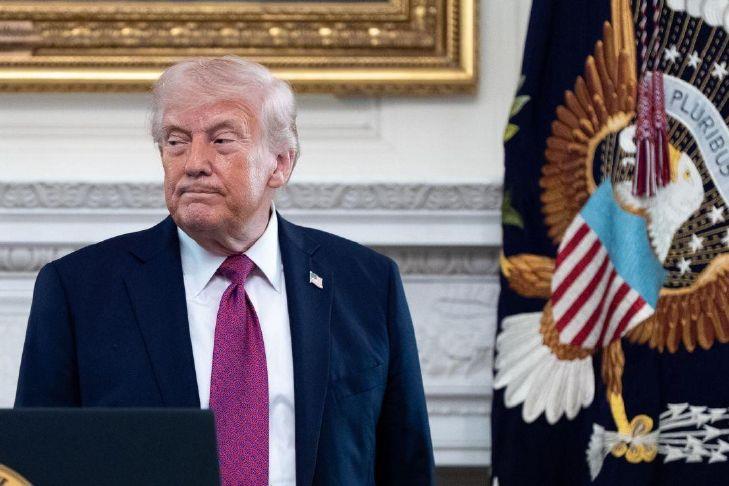
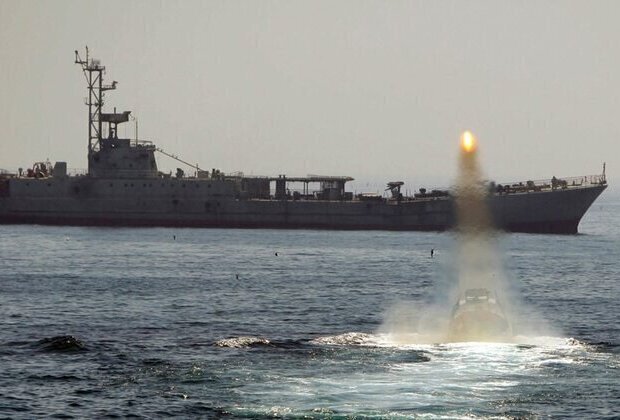
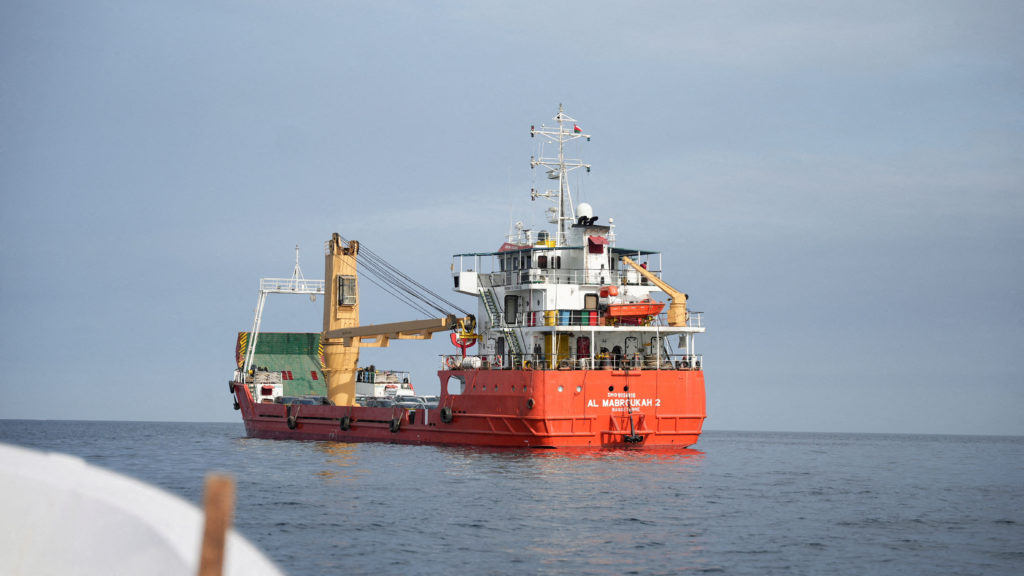
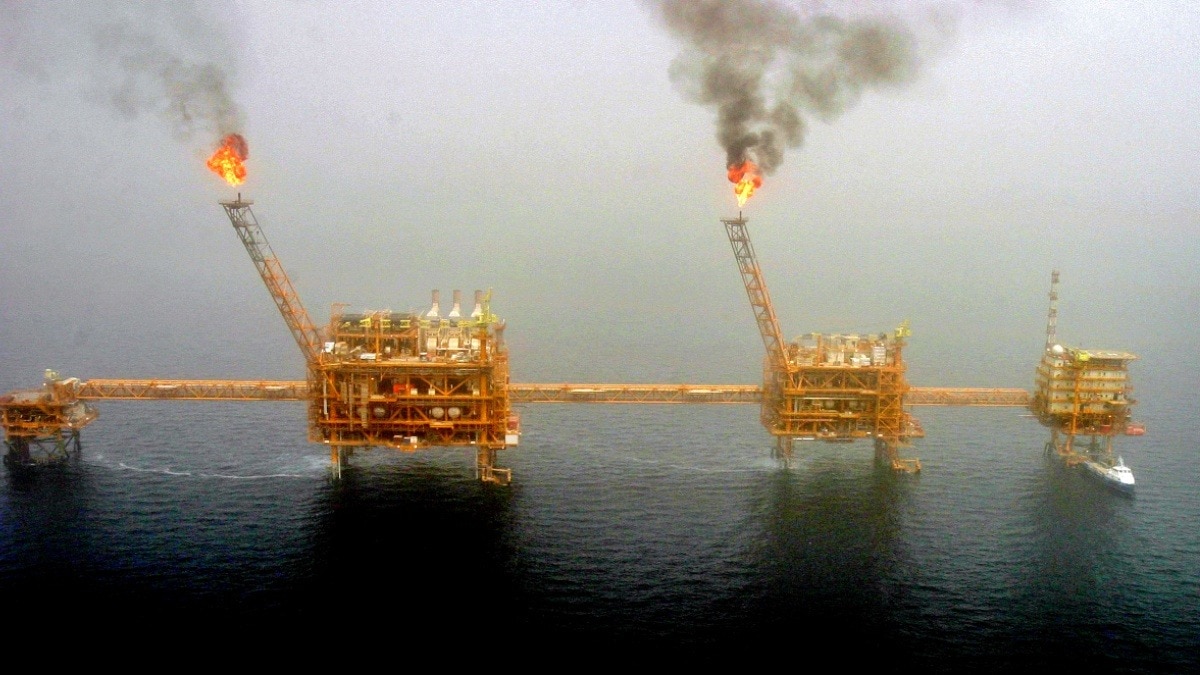
The Trump administration's April 2026 naval blockade of Iran's ports and the Strait of Hormuz represents a critical supply chain disruption affecting cross-border e-commerce sellers globally. The Strait of Hormuz handles 20-30% of global oil trade, making it one of the world's most critical maritime chokepoints. U.S. military enforcement includes active vessel interdiction, with 31 ships directed to turn around as of mid-April, and orders to prevent mine-laying activities. This blockade directly impacts e-commerce logistics costs through elevated fuel surcharges, increased shipping times, and supply chain uncertainty.
Immediate Shipping Cost Impact: Sellers relying on air freight and ocean shipping face 8-15% cost increases due to fuel surcharges and route diversification. Carriers are rerouting vessels around the Cape of Good Hope (adding 10-14 days transit time) rather than risk the Strait of Hormuz. FBA sellers shipping inventory to Amazon fulfillment centers experience 2-4 week delays, compressing inventory turnover and increasing storage costs. Small-to-medium sellers (SMBs) with tight cash flow margins face the greatest pressure, as they cannot absorb 10-12% cost increases without reducing margins or raising prices.
Supply Chain Sourcing Shifts: Sellers sourcing from Middle Eastern suppliers (petrochemicals, textiles, machinery) face import disruptions and price volatility. However, maritime intelligence firms report "shadow fleet traffic" continues through Pakistani territorial waters, creating arbitrage opportunities for sellers willing to navigate compliance complexity. The blockade's effectiveness remains contested—Admiral Brad Cooper claims no ships have evaded U.S. forces, but Lloyd's List Intelligence and Windward report steady Iranian tanker departures (11 vessels since April 13), suggesting enforcement gaps. This creates a 60-90 day window where aggressive sellers can exploit routing inefficiencies before enforcement tightens.
Energy-Dependent Categories See Margin Compression: Products requiring temperature-controlled shipping (pharmaceuticals, cosmetics, specialty foods) face the steepest cost increases due to fuel-intensive logistics. Electronics and apparel sellers benefit from lower fuel dependency but still absorb 5-8% cost increases. Rising gasoline prices domestically (mentioned in news coverage) signal broader energy cost inflation, affecting last-mile delivery costs for all categories. Sellers should expect sustained pressure through Q2-Q3 2026 unless geopolitical tensions ease.
Strategic Opportunity Window: The blockade's uncertain enforcement creates a 60-90 day arbitrage window. Sellers with existing relationships in Pakistan, India, or Southeast Asia can source products at lower costs before alternative supply chains fully establish. However, this requires accepting compliance risk and potential customs delays. Historical precedent (Cuban blockade, Venezuela sanctions) suggests blockades require 6-12 months to achieve full economic impact, meaning current enforcement gaps may close by Q3 2026.
Questions 8
How should I adjust pricing and margins during the blockade?
Sellers have three options: (1) absorb 8-12% cost increases and reduce margins by 8-12%, (2) increase prices 3-5% and accept potential sales volume decline of 5-15%, or (3) implement dynamic pricing based on shipping costs. Data from similar disruptions (2021 Suez Canal blockage) shows sellers who raised prices 3-5% within 2 weeks retained 85-90% of sales volume. Sellers should implement price increases by April 15, 2026, before competitors establish market pricing. Monitor competitor pricing weekly and adjust within 3-5 days to maintain competitiveness.
What compliance risks exist for sellers sourcing through alternative routes?
Sellers sourcing through Pakistani territorial waters or using 'shadow fleet' logistics face potential U.S. sanctions violations if goods originate from Iran. The Office of Foreign Assets Control (OFAC) enforces Iran sanctions with penalties up to $250,000 per violation plus criminal liability. Verify supplier origin documentation and use established 3PL providers with OFAC compliance certifications. Avoid direct Iranian suppliers entirely. Work with freight forwarders who provide sanctions compliance certifications. Maintain detailed sourcing documentation for 7 years to demonstrate compliance if audited.