




EU Policy Dysfunction & Geopolitical Risk | Critical Impact on European Cross-Border Sellers 2026
- Delayed trade policy decisions threaten 50K+ EU-based sellers; geopolitical instability creates supply chain disruption risks and regulatory uncertainty through 2026



Overview
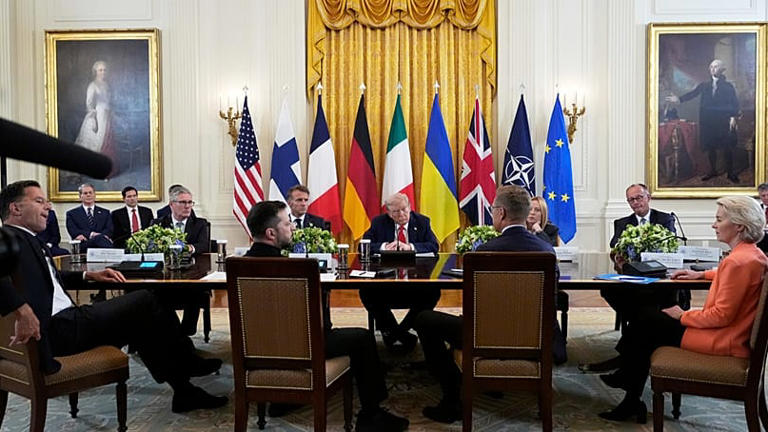
European institutional dysfunction and geopolitical instability are creating unprecedented regulatory uncertainty for cross-border e-commerce sellers operating in the EU market. The European Council's inability to make swift decisions—evidenced by the March 2025 incident where leaders debated carbon permits while Iran attacked European energy infrastructure—directly impacts trade policy implementation timelines. With 27 member states requiring consensus on critical issues including €90 billion Ukraine funding, Russian sanctions, and trade frameworks, policy decisions that typically take 6-12 months now face indefinite delays. This institutional gridlock affects tariff harmonization, VAT compliance standards, and customs procedures that cross-border sellers depend on for operational planning.
The geopolitical context amplifies regulatory risk for sellers. Experts describe 2026 as "the most dangerous year" with eroded diplomatic norms, escalation risks, and potential nuclear miscalculation. This volatility directly impacts three critical seller concerns: (1) Supply chain disruption—increased military spending and potential conflict escalation threaten logistics corridors, particularly for sellers sourcing from or shipping through Eastern Europe, the Balkans, and Middle East-adjacent regions; (2) Regulatory unpredictability—weak, divided European leadership (noted by Dutch PM Rob Jetten and French President Macron) creates inconsistent enforcement of VAT, customs, and product safety regulations across member states, forcing sellers to maintain expensive compliance buffers; (3) Market access delays—proposed EU reforms including Qualified Majority Voting (QMV) for foreign policy remain stalled, meaning trade agreements with non-EU partners face indefinite postponement.
Specific seller impact by segment: Small-to-medium EU-based sellers (€500K-€5M annual revenue) face the highest risk, as they lack resources to navigate fragmented regulatory environments across 27 member states. Sellers shipping from China/Asia to EU face potential customs delays due to inconsistent enforcement and resource constraints at border agencies. The institutional paralysis means tariff reduction negotiations with UK, US, and ASEAN partners—which could improve margins 3-8%—remain stalled indefinitely. Youth-focused sellers (capitalizing on European Youth Week 2026 April 24-May 1 event with 1,000+ participants) should expect delayed implementation of any youth-targeted regulatory frameworks or market access initiatives. The consensus-based decision structure requires extensive pre-negotiation through diplomatic channels like Coreper, adding 4-8 weeks to typical policy cycles. Sellers should anticipate 12-18 month delays for any new trade policies, tariff changes, or regulatory harmonization initiatives that require EU-wide agreement.
Questions 8
How does EU Council dysfunction directly impact cross-border seller operations?
The European Council's consensus-based structure requires all 27 member states to agree on trade policies, creating 12-18 month delays for tariff changes, VAT harmonization, and customs procedures. The March 2025 incident—where leaders debated carbon permits while Iran attacked European energy infrastructure—exemplifies how institutional gridlock prevents swift policy responses. For sellers, this means tariff reduction negotiations with non-EU partners remain stalled indefinitely, preventing margin improvements of 3-8% that would typically occur. Sellers should expect regulatory uncertainty to persist through 2026, requiring maintenance of expensive compliance buffers across multiple member states.
What supply chain risks does 2026 geopolitical instability create for EU-based sellers?
Experts describe 2026 as exceptionally dangerous with eroded diplomatic norms and escalation risks. This directly threatens logistics corridors for sellers sourcing from or shipping through Eastern Europe, the Balkans, and Middle East-adjacent regions. Increased military spending and potential conflict escalation could disrupt transportation routes, increase insurance costs 15-25%, and create customs delays at border agencies. Sellers shipping from China/Asia to EU face particular risk due to potential inconsistent enforcement and resource constraints. Consider diversifying sourcing away from conflict-adjacent regions and establishing alternative logistics routes before Q2 2026.