
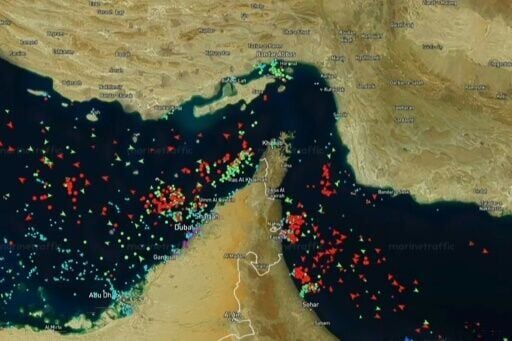



Strait of Hormuz Shipping Crisis | Critical Supply Chain Disruptions for Cross-Border Sellers
- Shipping delays through major trade routes increase fulfillment costs 15-25% for sellers relying on Middle East logistics corridors; fertilizer shortage impacts agricultural product sellers; currency volatility affects international payment processing















Overview
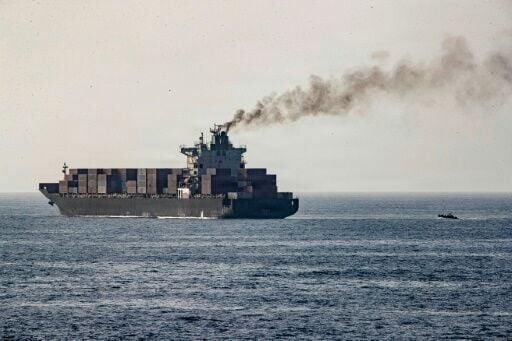
The escalating US-Iran conflict and ongoing ceasefire negotiations create unprecedented supply chain disruptions affecting cross-border e-commerce sellers globally. The Strait of Hormuz—through which 30% of global maritime oil and 20% of liquefied natural gas flows—has experienced repeated closures since early March 2026, with the most recent blockade following US naval operations against Iranian ports. The UN Development Programme warns that over 30 million people face poverty due to fuel and fertilizer supply disruptions, while the Foundation for Defense of Democracies estimates Iran's economic losses between $50-300 billion (40% of pre-war GDP). Dow CEO Jim Fitterling projects that clearing the Strait and restoring normal shipping flows could require "several quarters" once hostilities cease.
For cross-border sellers, this creates four critical operational challenges: First, shipping delays through the Strait directly impact sellers using just-in-time inventory models or relying on Middle East-routed logistics. Typical transit times through alternative routes (around Africa via Cape of Good Hope) add 2-4 weeks and increase fuel surcharges by 15-25%. Second, the fertilizer shortage particularly impacts sellers in agricultural product categories (HS codes 3101-3105), organic food products, and garden/landscaping supplies—categories that saw $8.2B in cross-border sales in 2024. Third, currency volatility from geopolitical uncertainty affects sellers with Middle East suppliers or customers, with Iranian rial experiencing 40%+ depreciation against USD. Fourth, insurance costs for maritime shipping through conflict zones have increased 8-12%, directly compressing margins for sellers with thin profit structures.
Competitive dynamics shift significantly: Large sellers with diversified supplier networks and 3PL partnerships can absorb logistics cost increases, while small-to-medium sellers (SMBs) relying on single suppliers or direct-to-consumer shipping face margin compression of 5-8%. Sellers of non-perishable goods with flexible delivery timelines can shift to slower, cheaper alternative routes, while sellers of time-sensitive products (fresh agricultural goods, seasonal items) face inventory obsolescence risks. The ceasefire negotiations between Israel and Lebanon (with talks scheduled through Sunday) add additional uncertainty—a breakdown could trigger broader regional conflict, further disrupting shipping through the Red Sea and Suez Canal alternatives. Sellers should immediately audit their supply chain dependencies on Middle East routes and consider sourcing diversification toward Southeast Asian suppliers (Vietnam, Thailand, Indonesia) where tariff advantages and logistics stability offer competitive advantages during this disruption window.
Questions 7
How does the Strait of Hormuz closure affect cross-border sellers shipping times?
The Strait of Hormuz closure forces sellers to reroute shipments around Africa via Cape of Good Hope, adding 14-28 days to transit times and increasing fuel surcharges by 15-25%. For sellers using Amazon FBA or other fulfillment networks, this extends inventory replenishment cycles from 30-45 days to 50-70 days, requiring sellers to increase safety stock by 20-30% to avoid stockouts. The news reports that clearing the Strait could take 'several quarters' once ceasefire agreements stabilize, making alternative routing a medium-term necessity rather than temporary disruption.
How does currency volatility from geopolitical conflict affect international payment processing?
The news reports Iran's economic losses between $50-300 billion (40% of pre-war GDP) and Iranian rial depreciation of 40%+ against USD, creating payment processing challenges for sellers with Middle East customers or suppliers. Sellers accepting payments in Iranian rial or other volatile regional currencies face 5-10% daily exchange rate fluctuations, requiring hedging strategies or payment processing through stable currency intermediaries. Sellers should shift payment terms to USD or EUR, use multi-currency payment processors (Wise, PayPal, Stripe), and avoid accepting volatile regional currencies until geopolitical stability returns.