


EU Weaponizes Financial Diplomacy by Freezing Russian Assets for Ukraine Support
- Unprecedented economic maneuver transforms frozen assets into geopolitical leverage against Russia's invasion












)















Overview
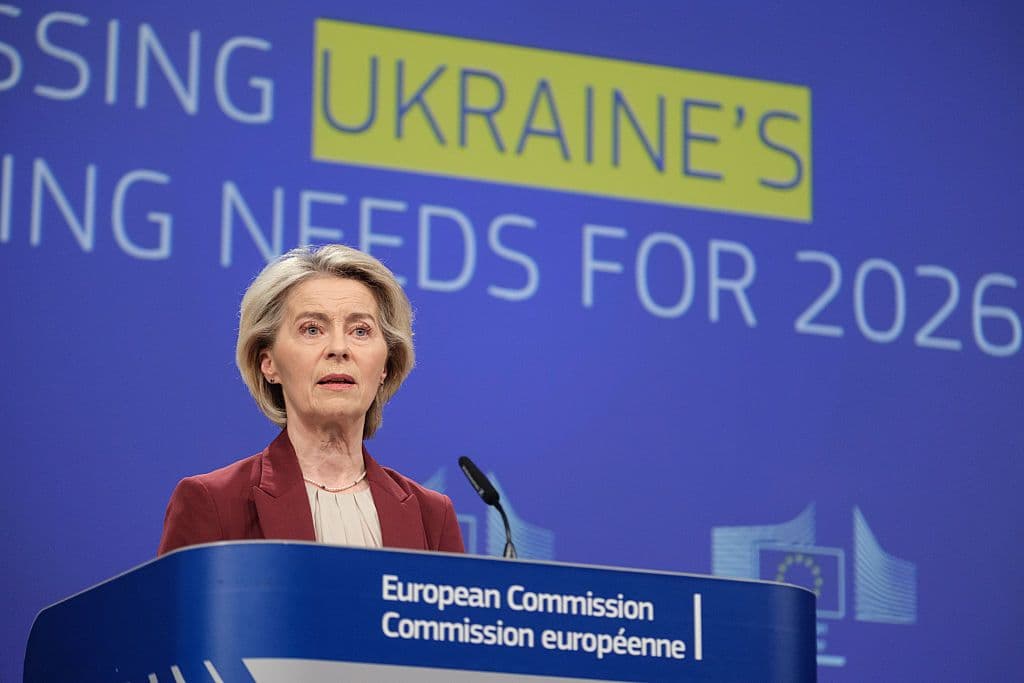
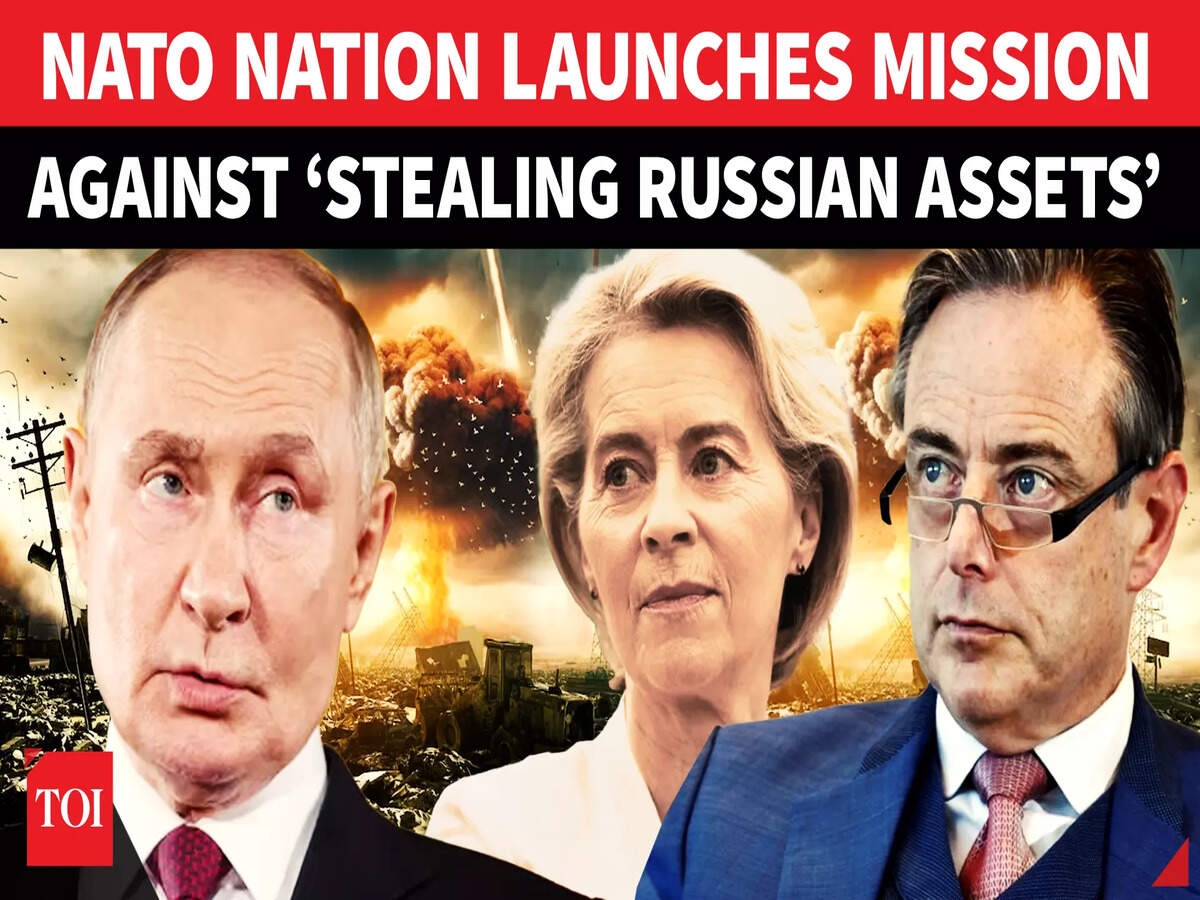
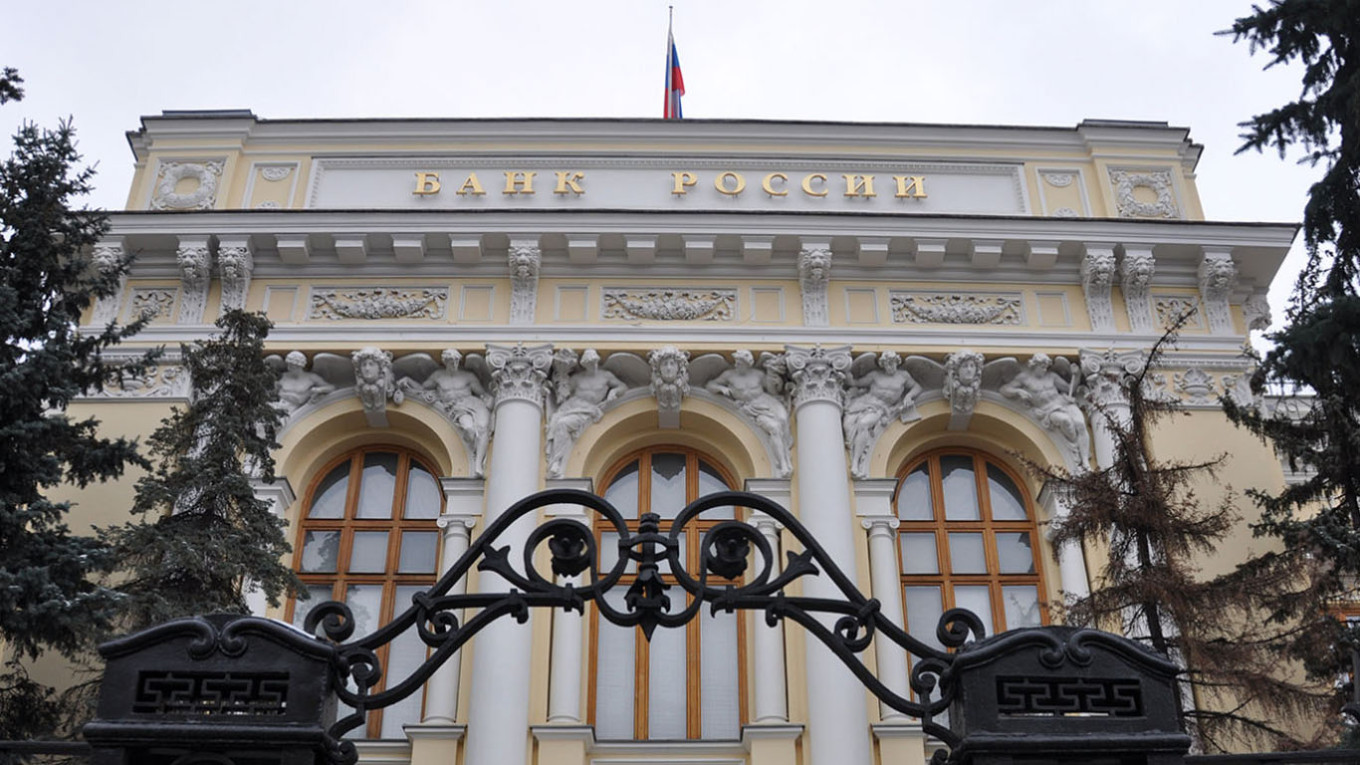
The European Union is executing a sophisticated financial strategy that transforms economic sanctions into a strategic geopolitical instrument, effectively neutralizing Russia's financial resources while supporting Ukraine. By indefinitely freezing approximately 210 billion euros of Russian central bank assets, the EU has created an innovative mechanism to circumvent traditional diplomatic obstacles and provide substantial financial support to Ukraine.
The core innovation lies in the EU's use of Article 122, which allows economic measures through qualified majority voting, strategically bypassing potential vetoes from Russia-friendly nations like Hungary and Slovakia. This approach represents more than a financial transaction—it's a calculated diplomatic chess move that demonstrates the EU's ability to adapt institutional mechanisms in response to complex geopolitical challenges.
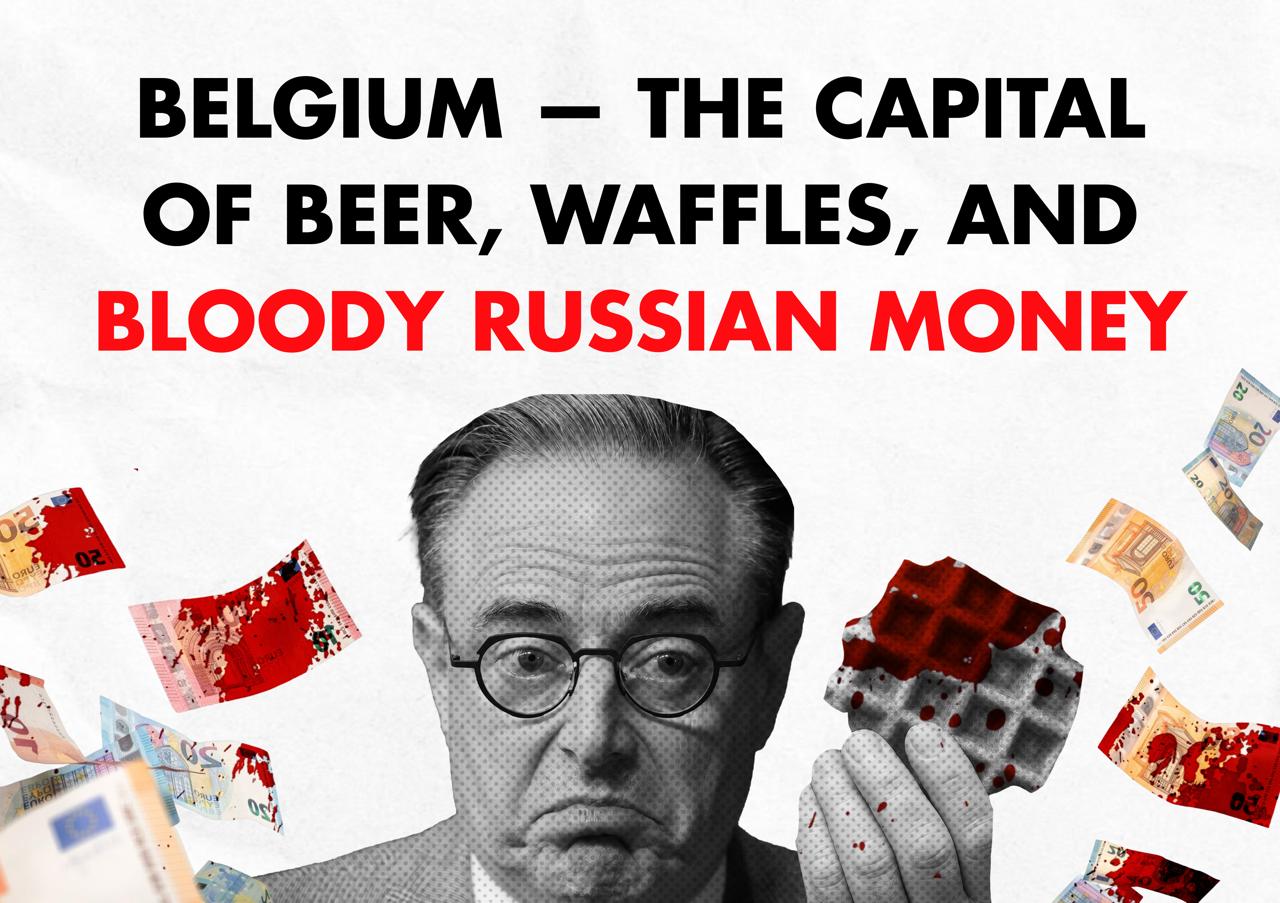
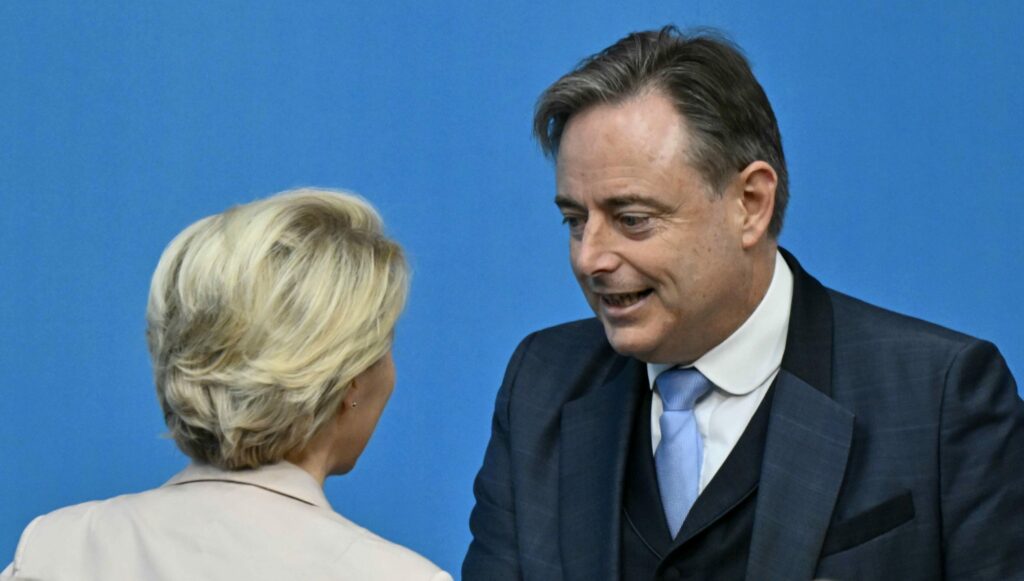
The proposed Reparations Loan scheme is particularly ingenious. By structuring the Ukrainian financial support as a loan contingent on future Russian war reparations, the EU creates a legal framework that maintains plausible deniability while effectively redirecting Russian state assets. The majority of these funds (around 193 billion euros) are held by Euroclear, a Belgian financial clearing house, which becomes the pivotal mechanism for this unprecedented financial intervention.
Russia's immediate legal counterattack—filing lawsuits against Euroclear and characterizing the asset utilization as "theft"—signals the high-stakes nature of this confrontation. However, the EU's carefully constructed legal approach suggests this is not a simple asset seizure, but a sophisticated financial instrument designed to provide Ukraine with critical support while maintaining legal legitimacy.
The strategic implications extend far beyond the immediate conflict. This approach establishes a potential precedent for how economically powerful blocs might use financial mechanisms as geopolitical tools, potentially reshaping international conflict resolution strategies.
Questions 3
How does the EU legally justify freezing Russian assets?
The EU uses Article 122 of its treaty, which allows economic measures through qualified majority voting. By framing the asset freeze as a temporary measure contingent on 'immediate threats to economic interests' and structuring it as a potential loan rather than a seizure, the EU maintains legal plausibility while creating a powerful financial intervention mechanism.
What makes this financial strategy different from previous sanctions?
Unlike traditional sanctions that simply restrict transactions, this approach transforms frozen assets into an active financial tool. By creating a 'Reparations Loan' mechanism that only requires repayment if Russia pays war damages, the EU turns economic pressure into a potential long-term accountability mechanism for war-related expenses.