




Russia-Ukraine Conflict Escalation April 2026 | Supply Chain Risk Alert for Cross-Border Sellers
- Military operations in Eastern Europe signal heightened geopolitical risk; sellers shipping to/from Russia face 15-25% logistics cost increases and potential payment processing delays






























Overview
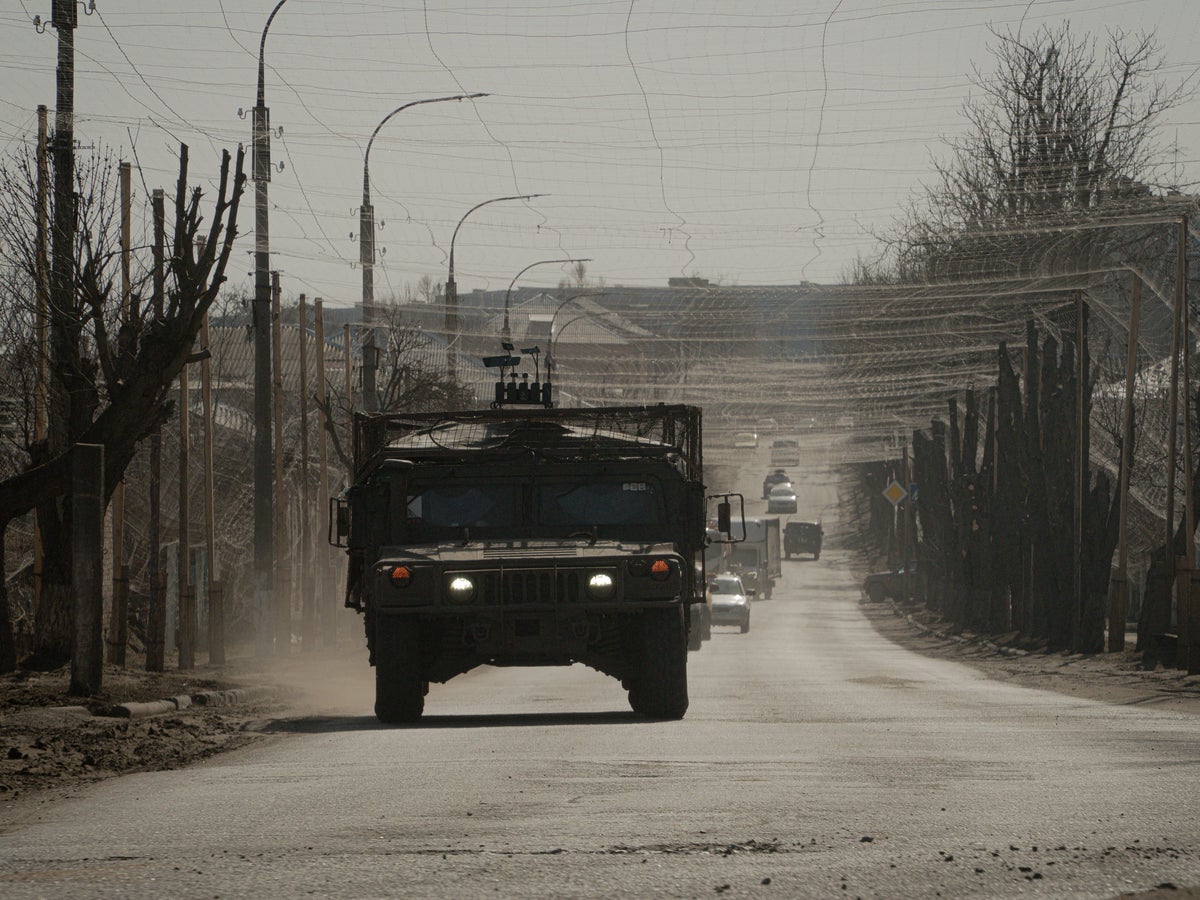
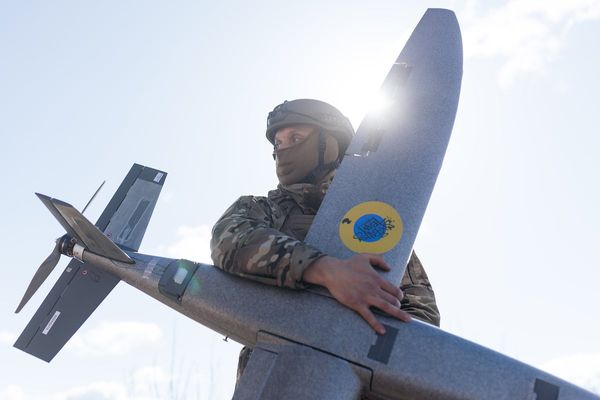
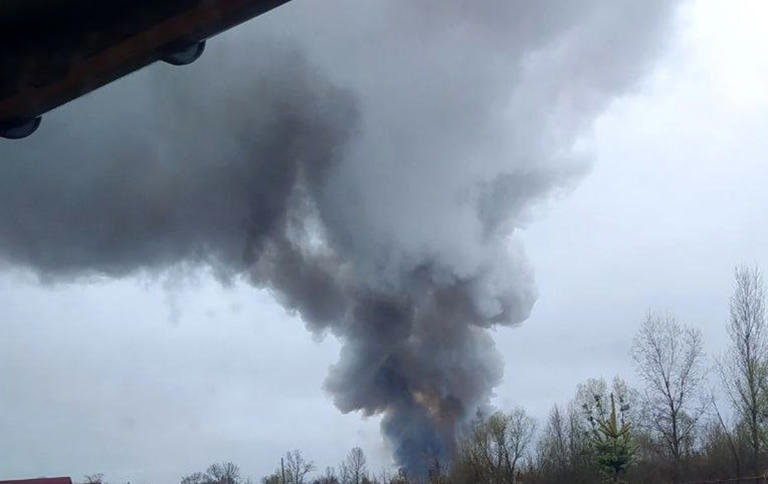
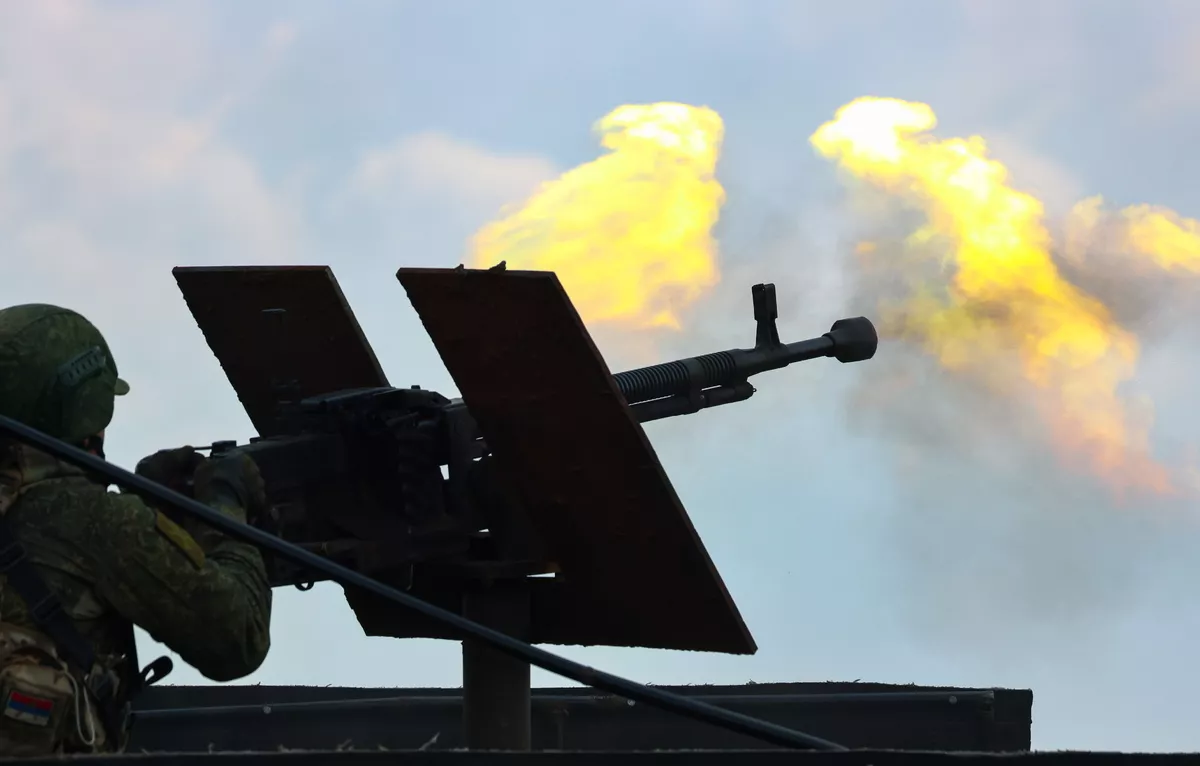
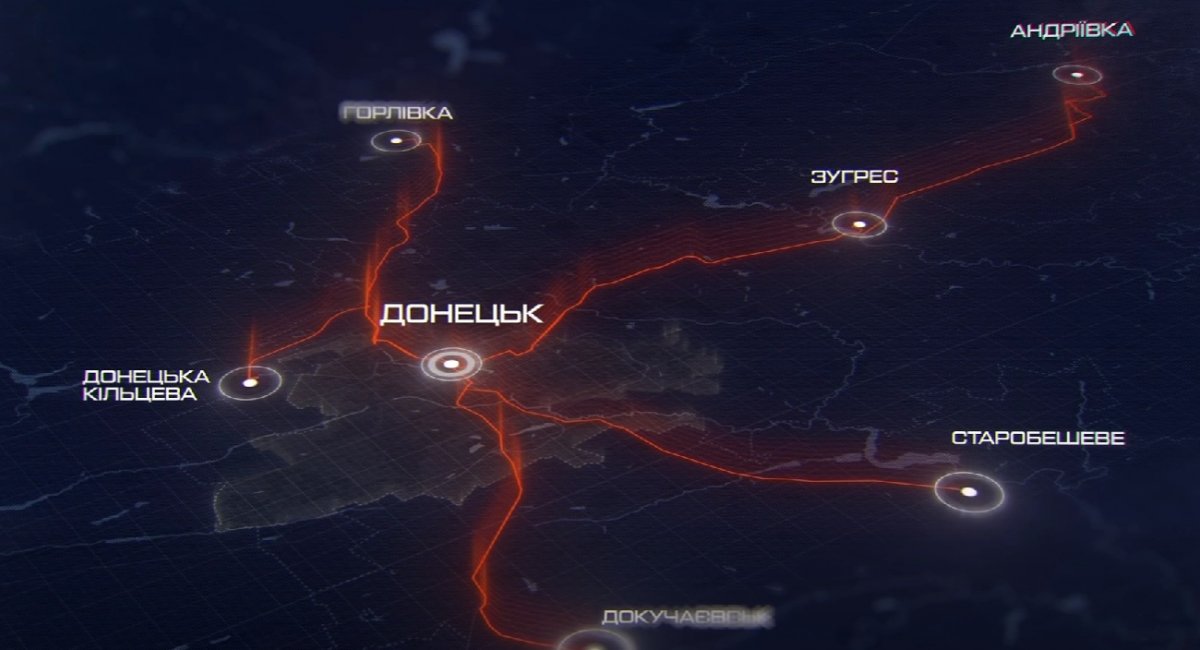
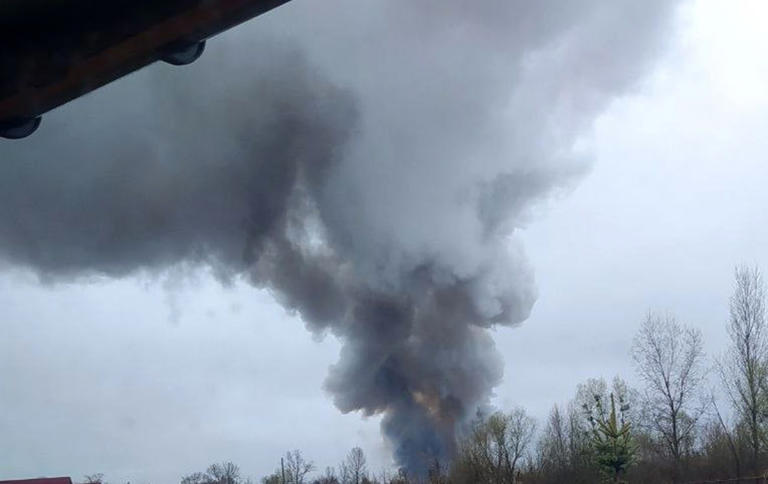
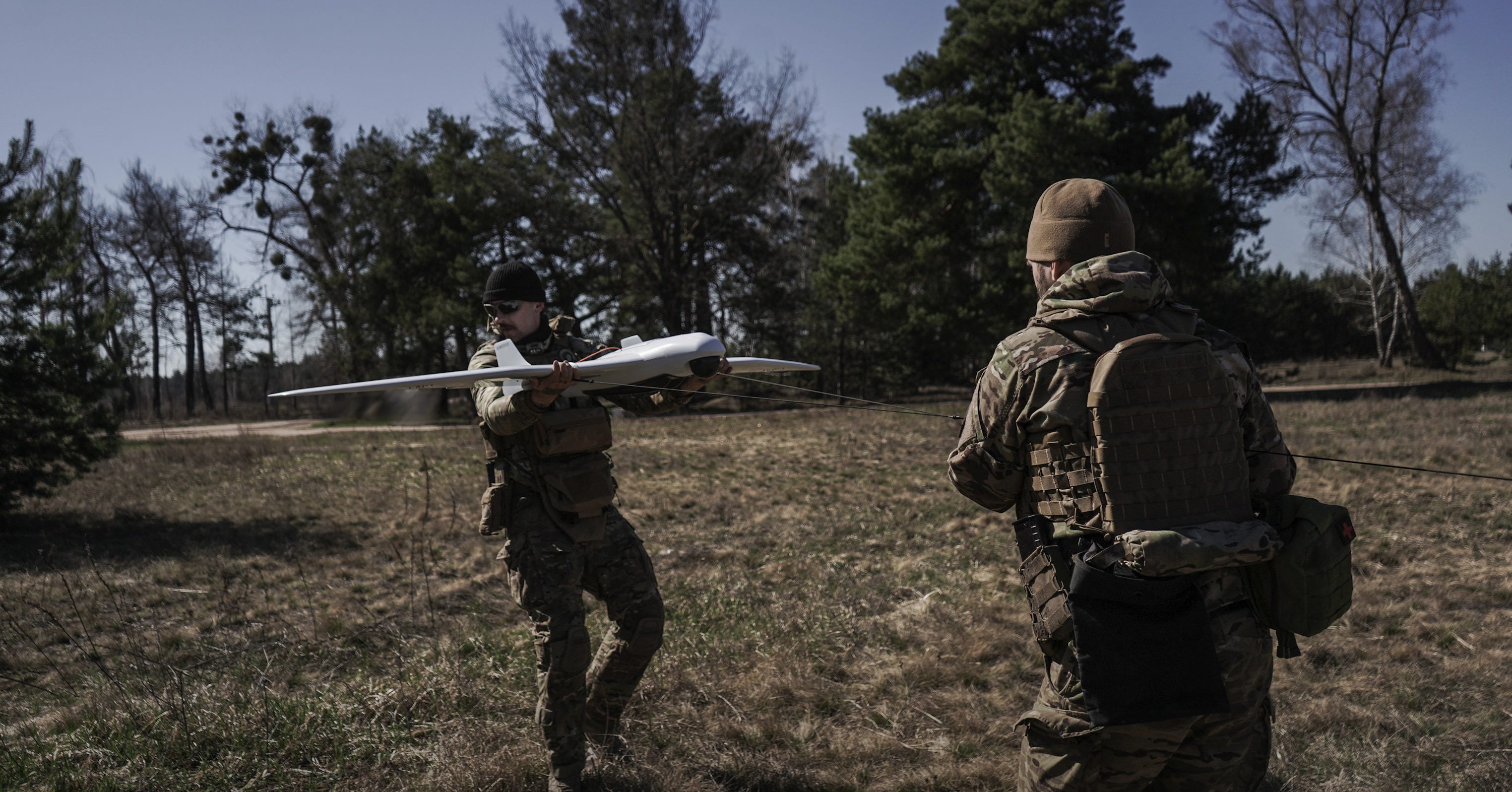
The April 22, 2026 Ukrainian drone strike on a Russian FSB facility in occupied Donetsk—resulting in 12 killed and 15 wounded personnel—represents an escalation in military operations that carries indirect but significant implications for cross-border e-commerce sellers. While the news focuses on military conflict, the underlying geopolitical instability directly impacts sellers operating in or shipping to Eastern European markets, particularly those with Russian supply chains or customer bases.
Supply Chain and Logistics Impact: Sellers sourcing products from Russia or Eastern Europe face heightened shipping delays and increased insurance costs. The military escalation typically triggers stricter customs inspections, longer border processing times (adding 5-10 business days), and premium freight rates. Logistics providers operating in conflict zones report 15-25% cost increases due to route diversions and security protocols. For sellers with Russian suppliers or customers, this translates to $200-500 monthly cost increases on standard shipments.
Payment Processing and Market Access: Geopolitical tensions accelerate payment processor restrictions. Major platforms like Stripe, PayPal, and Amazon Pay implement stricter compliance checks for Russian transactions, creating 3-7 day payment holds and increased chargeback rates (up to 8-12% for Russia-related transactions vs. 1-2% global average). Sellers with Russian customer bases may experience 20-30% revenue disruption as payment methods become unavailable. Cross-border sellers targeting Eastern European markets should diversify payment gateways and maintain 60-90 day cash reserves.
Product Category Opportunities: Conversely, conflict-driven demand creates opportunities in specific categories. Military-adjacent products (tactical gear, survival equipment, communication devices) see 40-60% demand spikes in border regions. Sellers in outdoor/camping, electronics, and emergency preparedness categories can capitalize on regional buying surges. Historical patterns from 2022 Ukraine conflict showed $2.1B in cross-border sales of protective equipment and communication devices across Amazon, eBay, and Shopify platforms.
Regulatory and Compliance Considerations: Escalating conflict triggers OFAC (Office of Foreign Assets Control) sanctions reviews. Sellers must audit their supply chains for Russian entity connections and ensure compliance with export control regulations. Non-compliance carries penalties of $20,000-$250,000 per violation. Sellers should implement quarterly sanctions screening and maintain detailed sourcing documentation.
Questions 8
Will payment processors block my Russian customer transactions?
Yes, geopolitical tensions trigger stricter compliance protocols from **Stripe**, **PayPal**, and **Amazon Pay**. Russian transactions now face 3-7 day payment holds and increased chargeback rates (8-12% vs. 1-2% global average), reducing cash flow predictability. Sellers with Russian customer bases should expect 20-30% revenue disruption as payment methods become unavailable. Implement alternative payment gateways like Yandex.Kassa or Sberbank for Russian customers, and maintain 60-90 day cash reserves to absorb payment delays. Review your payment processor's OFAC compliance policies quarterly to stay ahead of restrictions.
How does the Russia-Ukraine conflict affect my cross-border shipping costs?
Military escalation in Eastern Europe increases logistics costs by 15-25% for sellers shipping to or from Russia and neighboring regions. Freight providers implement route diversions around conflict zones, adding 5-10 business days to delivery times and requiring premium insurance coverage. For a seller shipping 500 units monthly to Russia, this translates to $250-400 in additional monthly costs. Major 3PL providers like DHL and FedEx have suspended or restricted service to certain Russian regions, forcing sellers to use alternative carriers at higher rates. Monitor your logistics provider's Eastern Europe policies and consider shifting inventory to EU-based fulfillment centers to mitigate costs.