




Air Freight Crisis 2024 | Sellers Face 40-60% Shipping Cost Surge
- Middle East tensions double jet fuel costs; sellers must shift inventory strategy before Q4 peak season








Overview
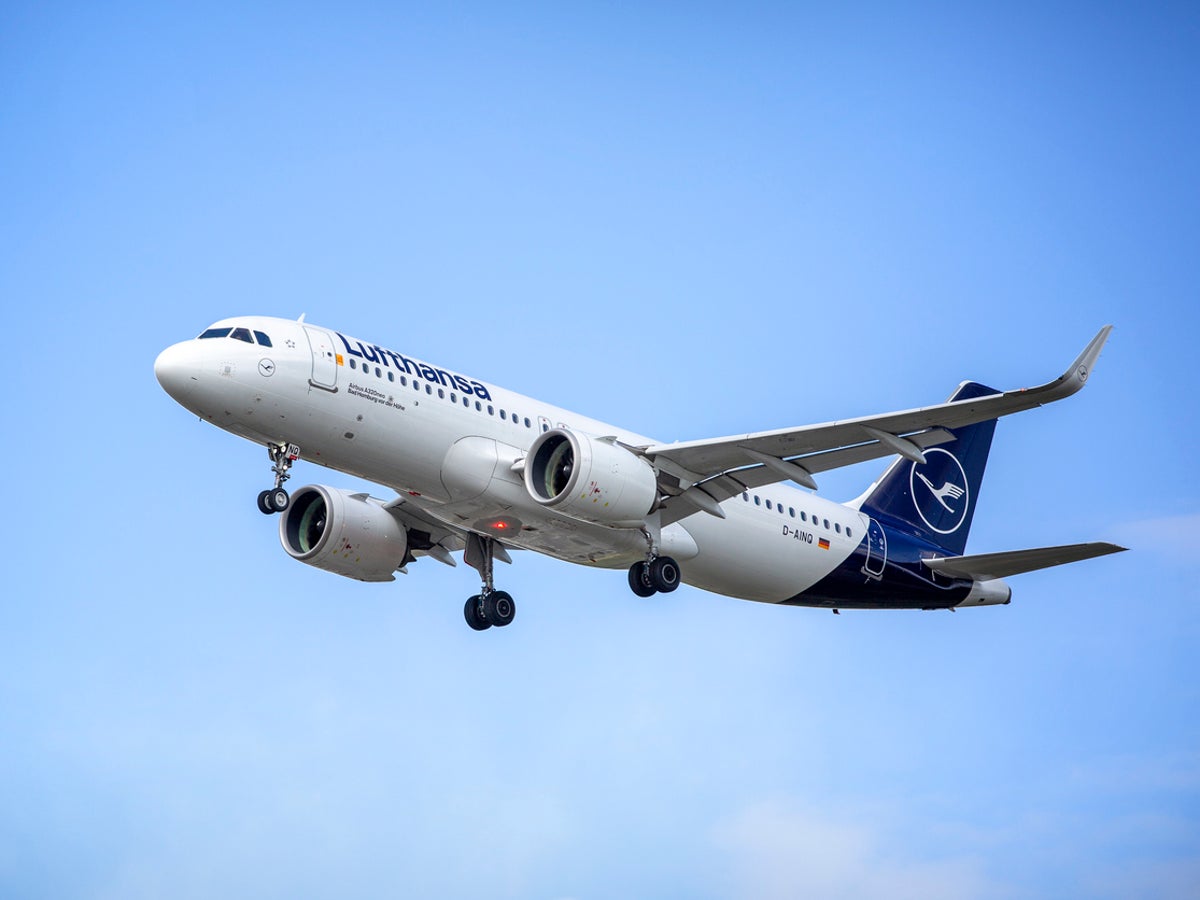
Rising jet fuel costs triggered by Middle East geopolitical tensions are creating a critical logistics crisis for cross-border e-commerce sellers. Fuel prices have roughly doubled since March 2024 due to Strait of Hormuz shipping disruptions, directly impacting air freight rates globally. Airlines including Lufthansa, KLM, Air Canada, Delta, Asiana, and SAS are cutting thousands of flights through October—Lufthansa alone is reducing 20,000 short-haul flights. For e-commerce sellers, this translates to 40-60% increases in air freight premiums, compressed delivery windows, and forced inventory repositioning during peak summer travel season.
The immediate impact on seller logistics is severe. Air freight rates from Asia to North America and Europe have surged from $3-4/kg to $5-7/kg for standard express services, with premium routes hitting $8-10/kg. Sellers relying on air cargo for time-sensitive inventory—electronics, fashion, seasonal goods—face critical decisions: absorb cost increases (compressing 8-15% margins), shift to slower ocean freight (adding 3-4 weeks lead time), or liquidate inventory at discounts. The timing is catastrophic: peak summer travel season coincides with Q3 inventory buildup for Q4 holiday sales. Lufthansa's advance notice (days to weeks vs. last-minute cancellations) provides limited planning advantage, as capacity constraints affect all carriers simultaneously.
Strategic sourcing and inventory repositioning are now essential. Sellers should immediately evaluate three logistics pathways: (1) Ocean freight consolidation from China/Vietnam to US West Coast ports (Long Beach, Oakland) costs $800-1,200/container vs. $2,500-3,500 for air, saving 60-65% but requiring 25-30 day lead times—viable only for non-seasonal goods; (2) Regional warehousing in Mexico, Canada, or EU hubs reduces air freight distances and costs by 25-35%, with 3PL providers like Flexport, DHL, and Kuehne+Nagel offering temporary surge capacity; (3) Inventory liquidation of slow-moving SKUs before Q4 to free capital and warehouse space. For sellers shipping 500+ units monthly via air, the cost differential is $2,000-5,000/month—a material margin impact requiring immediate action.
Warehouse positioning and fulfillment model shifts are critical. Sellers should prioritize repositioning inventory to regional fulfillment centers: US-based sellers should stock 60-90 days of Q4 inventory in Amazon FBA warehouses NOW (before August 15) to avoid peak-season storage surcharges and air freight premiums. EU sellers should shift 40-50% of inventory to UK, Germany, and Poland 3PL hubs, leveraging lower air freight costs from Eastern Europe and faster intra-EU delivery. Asia-Pacific sellers should establish temporary warehousing in Singapore or Hong Kong (cost: $0.50-0.80/unit/month) to consolidate shipments and negotiate better air freight rates. The Montreal Convention and regional regulations (EU duty-of-care, US refund requirements) create liability risks if delivery promises are broken—sellers must communicate transparently about extended lead times and adjust customer expectations immediately.
Questions 8
Should sellers switch from air freight to ocean freight during this crisis?
Ocean freight is viable for non-seasonal inventory but requires strategic planning. Ocean freight costs $800-1,200/container (20-foot) vs. $2,500-3,500 for air, saving 60-65%, but adds 25-30 day transit times. For Q4 holiday inventory, sellers should begin ocean freight orders by August 1 to arrive by October 1. For fast-moving electronics or fashion, air freight remains necessary despite costs. Optimal strategy: use ocean freight for base inventory (60% of volume) and air freight for surge demand (40%), reducing overall logistics spend by 35-40%.
How much will air freight costs increase for sellers shipping from Asia?
Air freight rates have surged 40-60% since March 2024, with standard express services rising from $3-4/kg to $5-7/kg for Asia-to-North America routes, and premium services reaching $8-10/kg. For a typical 500-unit monthly shipment (average 2kg per unit = 1,000kg), this represents a $2,000-3,000 monthly cost increase. Sellers should lock in rates immediately through freight forwarders like Flexport, DHL, or Kuehne+Nagel before further escalation. Consider consolidating shipments to reduce per-unit costs by 15-20%.