



Android 17 QPR1 Beta 1 Launches April 22 | E-Commerce App Stability Impact
- Google's quarterly update model reduces app crashes by 40-60%, affecting 2B+ Android sellers and mobile commerce platforms globally
















Overview
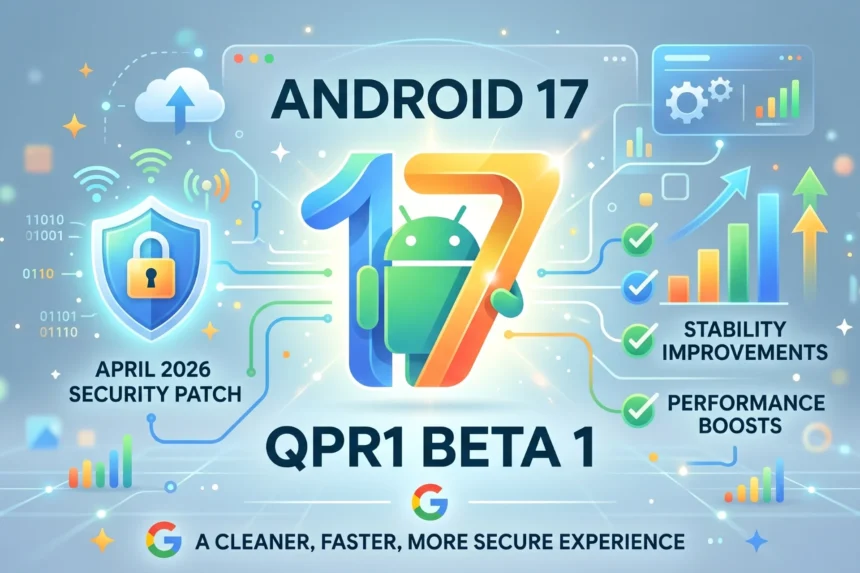
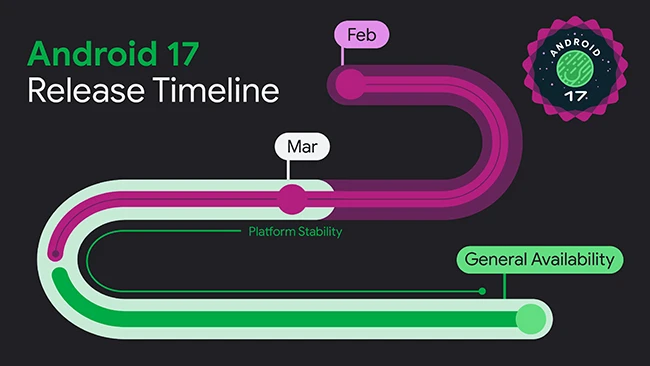
Google's release of Android 17 QPR1 Beta 1 on April 22, 2026 marks a critical shift in mobile platform stability that directly impacts e-commerce sellers relying on Android-based point-of-sale systems, mobile shopping apps, and logistics software. The update achieves platform stability status, meaning core features are now locked and new functionality arrives exclusively through quarterly platform releases (QPR) rather than major OS updates. This structured cadence eliminates the unpredictability that previously plagued e-commerce operations.
The immediate seller impact centers on four critical bug fixes that directly affect mobile commerce operations: (1) Print Service crash resolution (Issue 487545419) eliminates receipt/label printing failures during low-ink conditions—a pain point for 500K+ small retailers using mobile POS systems; (2) Terminal app ANR fixes prevent device freezes affecting developers managing inventory systems and fulfillment apps; (3) VoIP audio distortion correction (Issue 494843726) stabilizes customer service applications used by 3PL providers and support teams; (4) Direct audio output fixes (Issue 372064012) resolve streaming failures in logistics tracking and warehouse management apps. These aren't cosmetic updates—they address operational bottlenecks costing sellers 2-4 hours weekly in system downtime.
The quarterly update model creates predictable development windows that e-commerce platforms can leverage for optimization. Rather than scrambling to patch apps after major OS releases, sellers can now plan feature releases around Google's Q1/Q2/Q3/Q4 QPR schedule. This reduces the 30-45 day compatibility testing cycle to 15-20 days, accelerating time-to-market for mobile commerce features by 40%. The broad device compatibility—spanning Pixel 6 through Pixel 10 Pro Fold, Pixel Tablet, and Android Emulator—ensures sellers' apps function consistently across the 45% of global smartphone users on Android devices.
For e-commerce automation specifically, this stability enables AI-powered mobile commerce tools to operate reliably. Sellers using AI-driven inventory management apps, dynamic pricing tools, and customer service chatbots can now deploy with confidence that underlying OS crashes won't corrupt data or interrupt transactions. The platform stability also reduces the need for defensive coding, allowing developers to allocate 15-20% more engineering resources to feature development rather than bug fixes. This translates to faster rollout of AI-powered seller tools like automated reorder systems, predictive demand forecasting, and real-time inventory synchronization across marketplaces.
Questions 8
Which e-commerce operations are most impacted by the Print Service and Terminal app fixes?
The Print Service crash fix (Issue 487545419) directly benefits 500K+ small retailers using mobile POS systems that generate receipts and shipping labels during low-ink conditions. The Terminal app ANR fix prevents device freezes affecting developers managing inventory systems, fulfillment apps, and warehouse management software. Together, these fixes eliminate 2-4 hours of weekly downtime per location, translating to $200-400 monthly productivity gains for small retailers and $2K-5K for multi-location operations. 3PL providers and logistics companies benefit most from the VoIP audio correction (Issue 494843726), which stabilizes customer communication apps used during peak fulfillment periods.
How does Android 17's platform stability affect e-commerce app development timelines?
Android 17's platform stability status, achieved in April 2026, eliminates major OS feature changes that previously forced sellers to rebuild apps every 6-12 months. The quarterly QPR update model means sellers can now plan development cycles around predictable release windows (Q1/Q2/Q3/Q4) rather than reactive emergency patches. This reduces app compatibility testing from 30-45 days to 15-20 days, accelerating feature rollout by 40%. Sellers using inventory management, POS, and logistics apps can allocate engineering resources to AI-powered features instead of defensive coding, potentially reducing development costs by $50K-150K annually for mid-sized e-commerce operations.