


Long Island Shellfish Ban & Water Crisis | Seller Sourcing Impact 2025
- Vibrio vulnificus bacteria closes shellfishing zones; 360,000 septic upgrades create $52M infrastructure market; aquaculture expansion opens 50+ farm supplier opportunities for food sellers







Overview
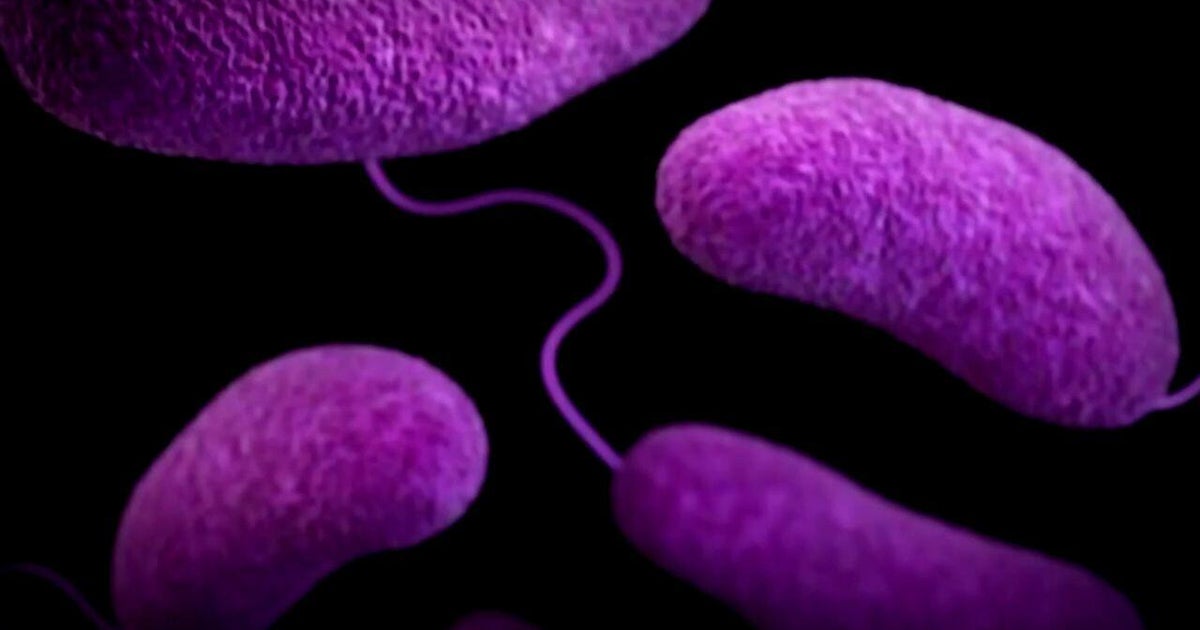
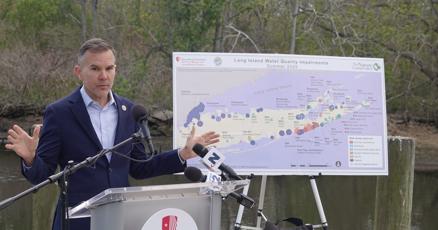
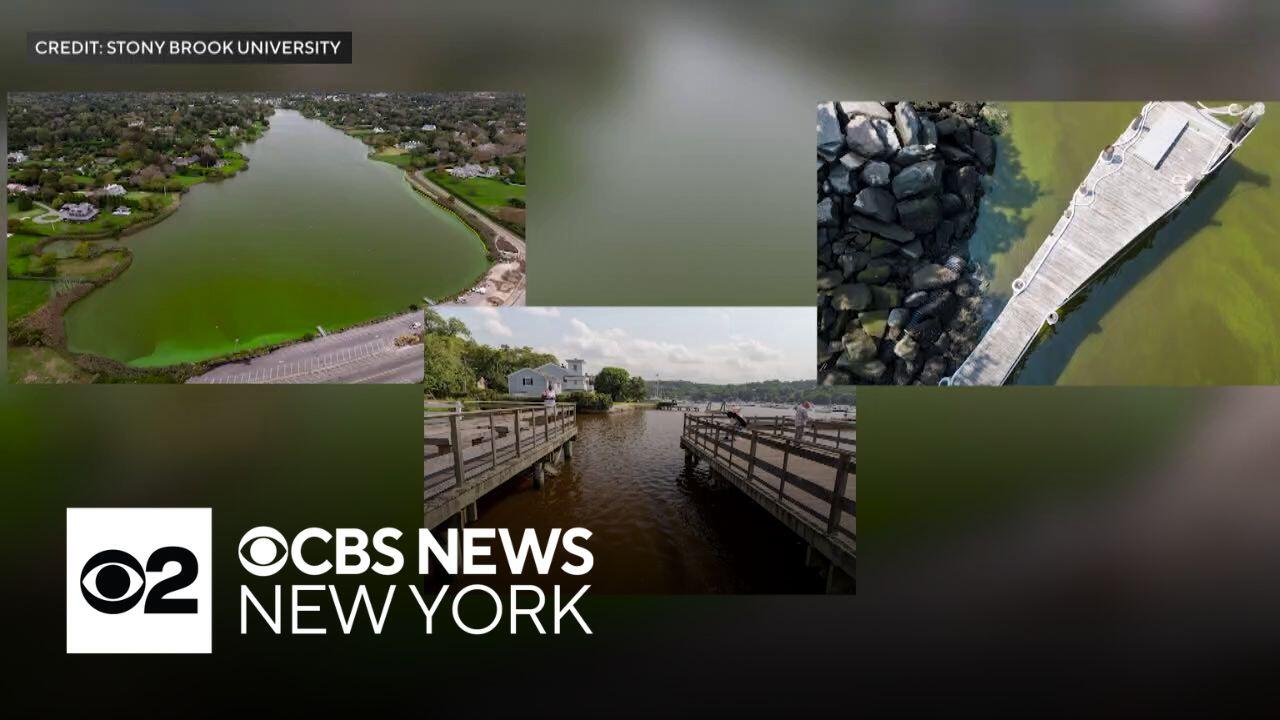
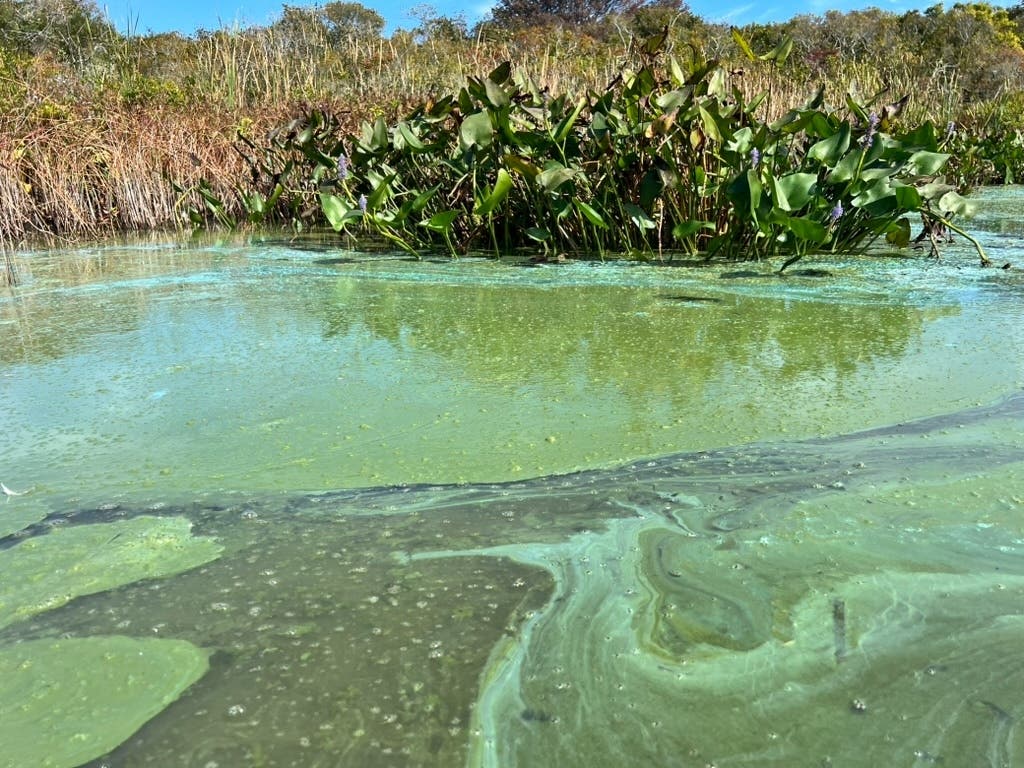
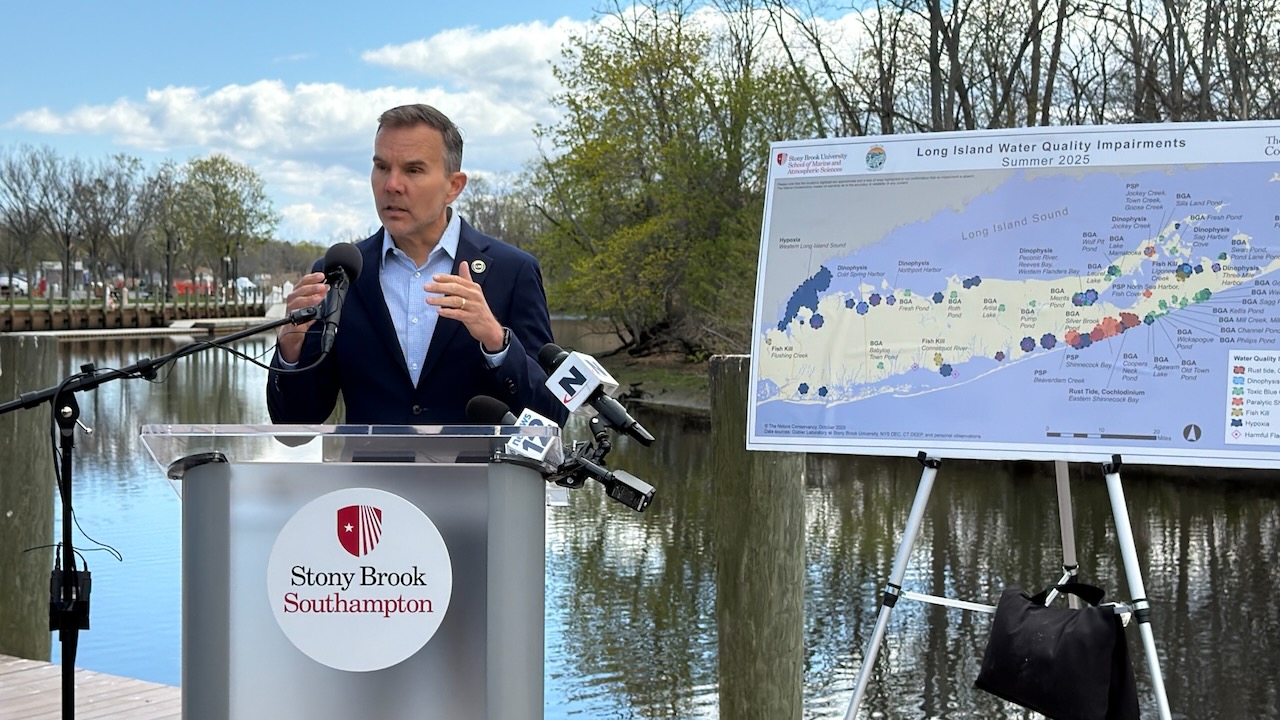
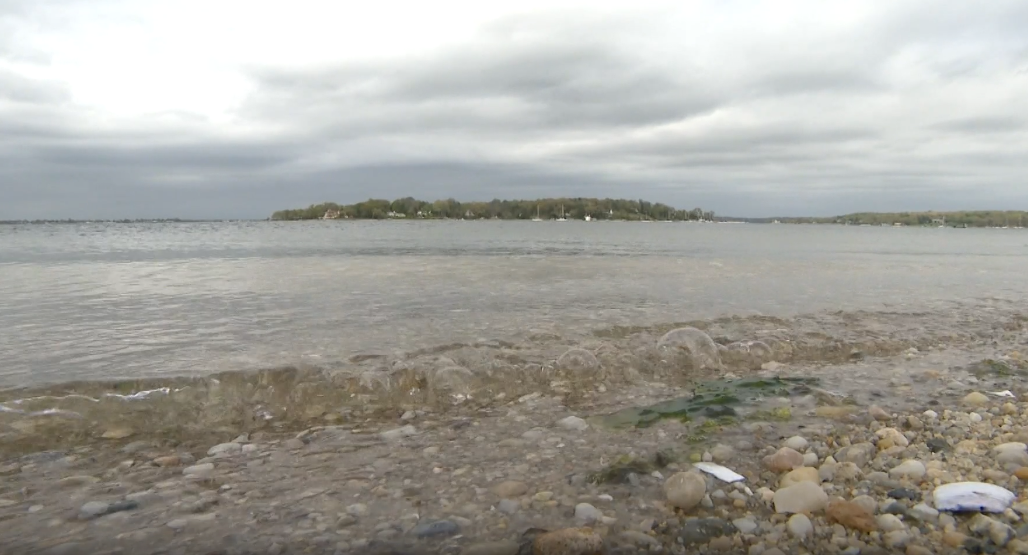
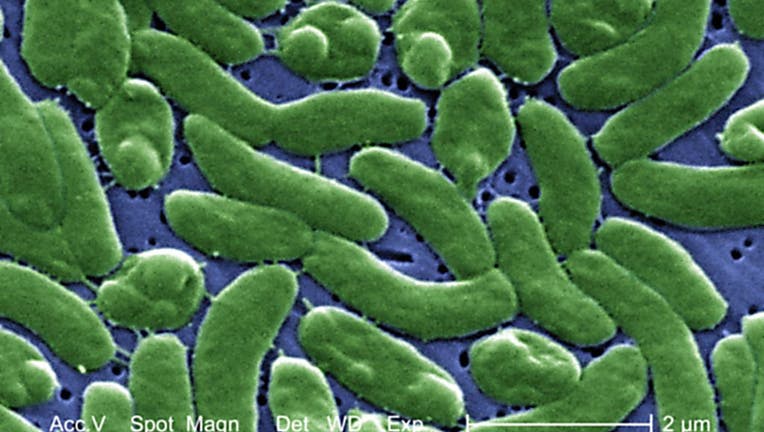
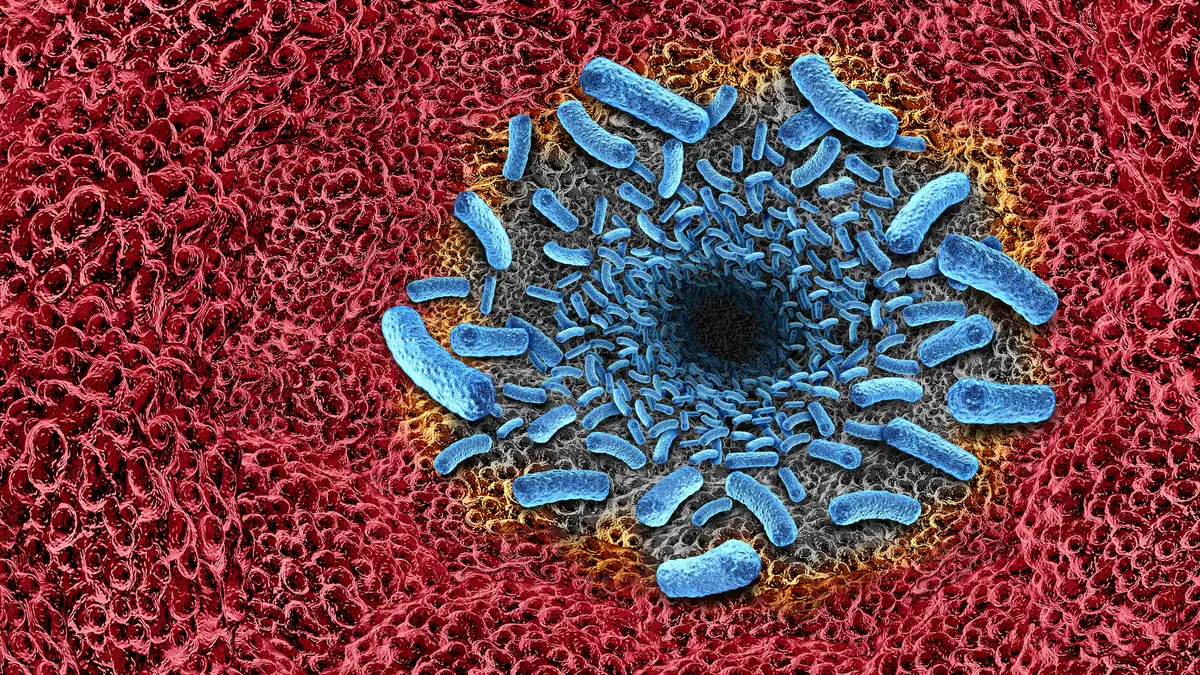
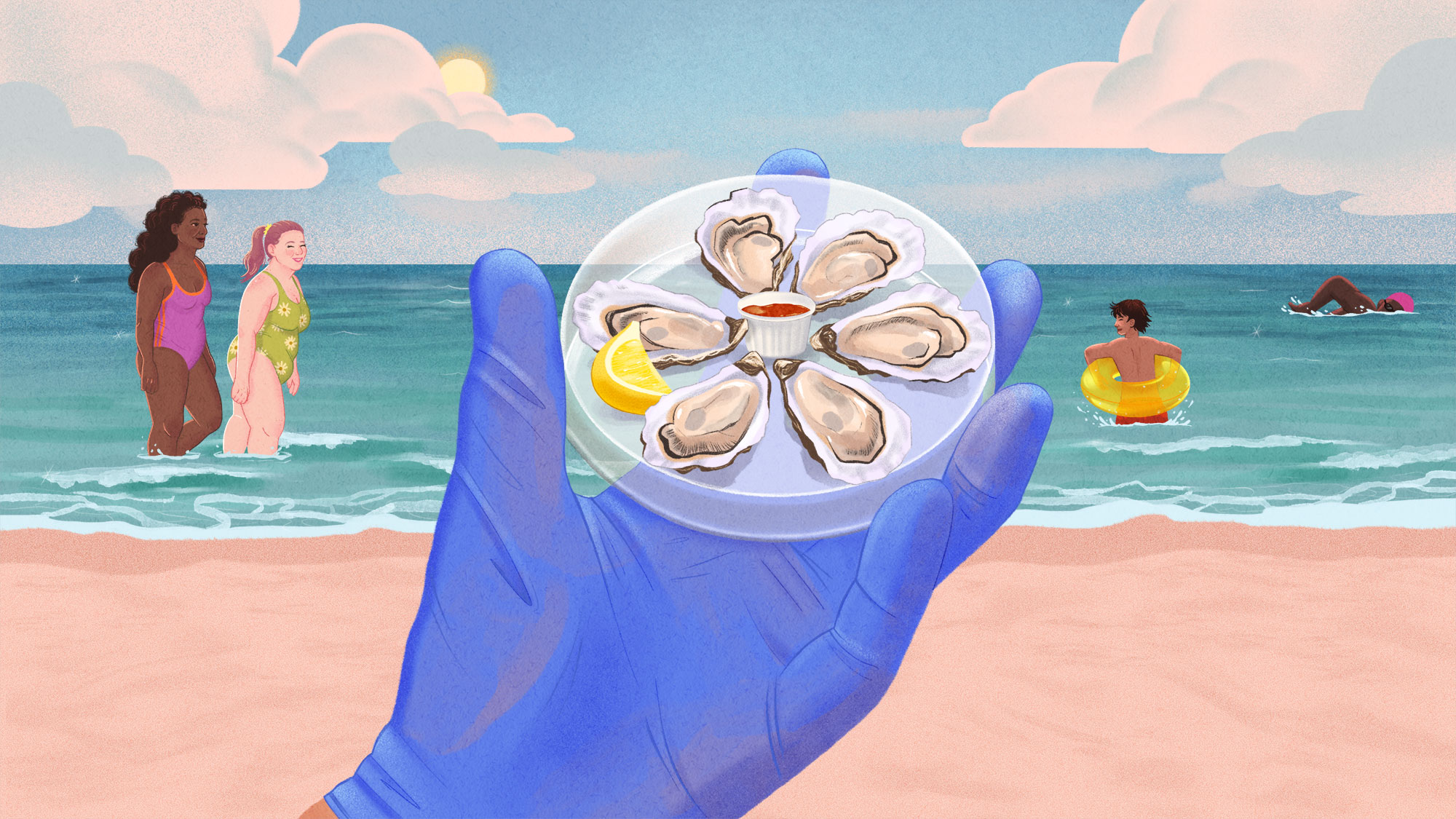
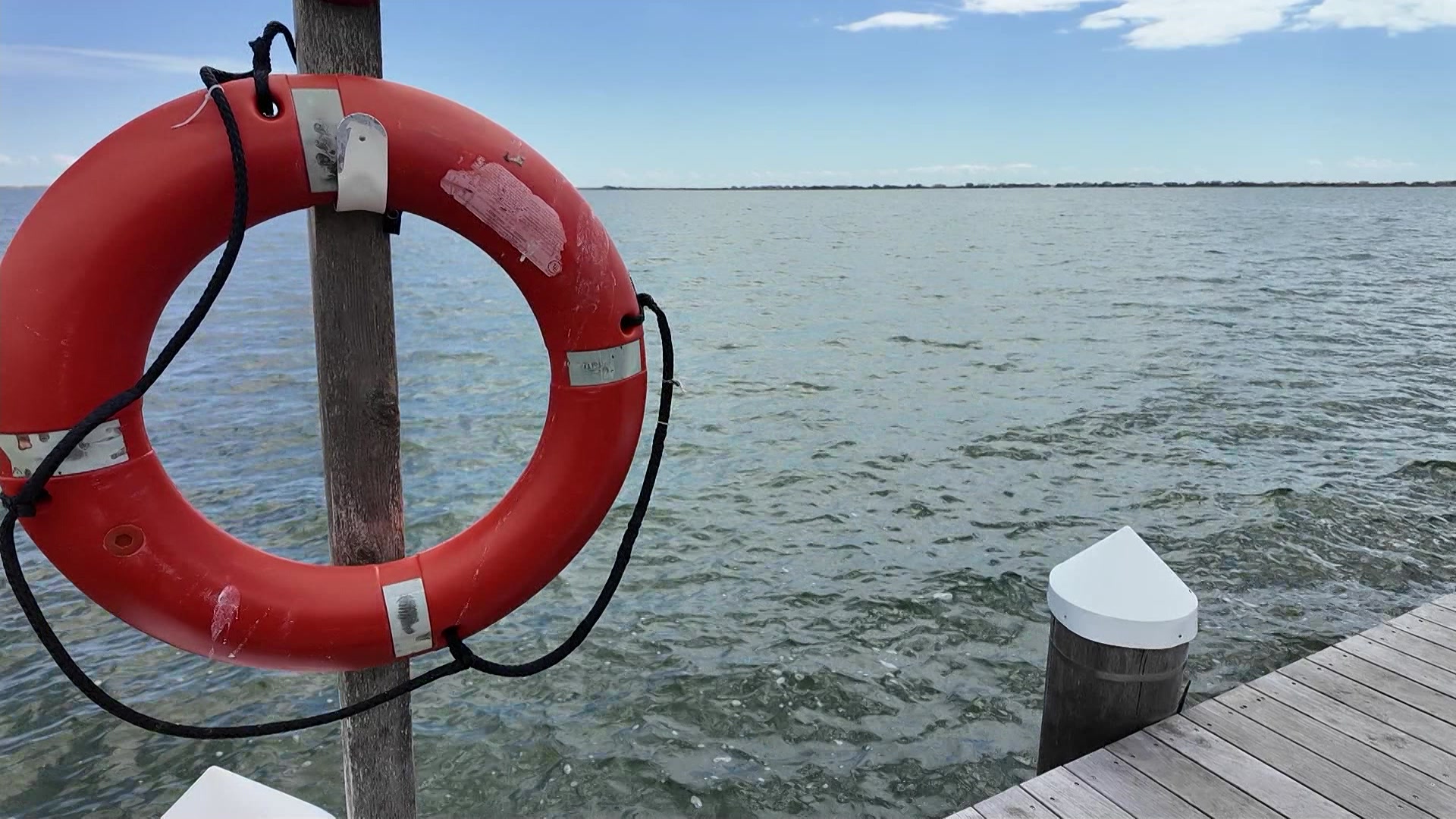
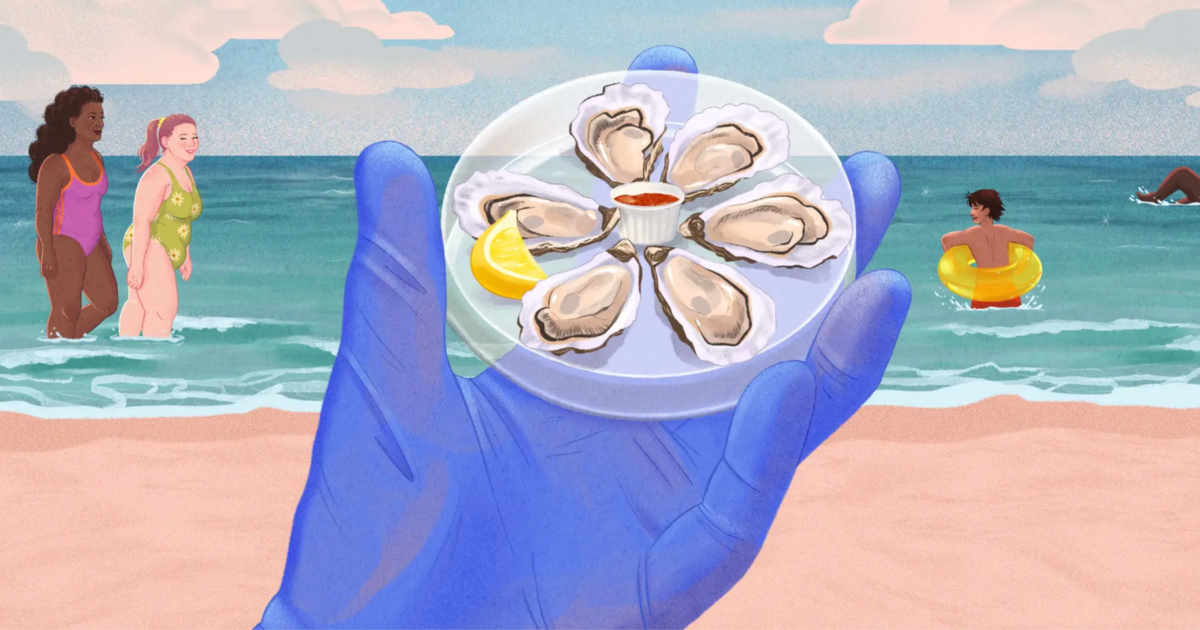
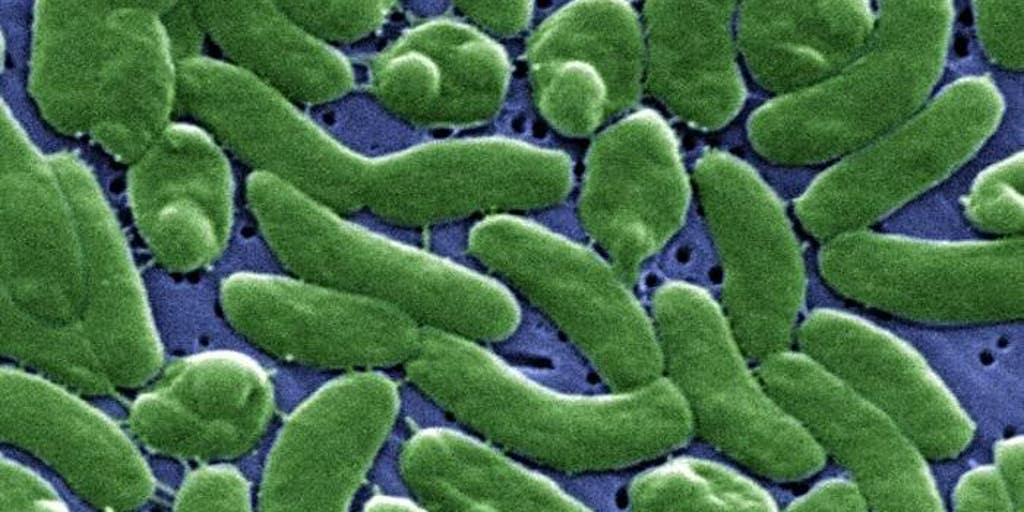
Long Island's water contamination crisis presents a critical supply chain disruption for seafood sellers and an emerging opportunity in aquaculture and environmental remediation products. The detection of Vibrio vulnificus bacteria in multiple Long Island water bodies—including Sagaponack Pond, Mecox Bay, and Georgica Pond—has resulted in shellfish closures affecting western Shinnecock Bay and three Southold water bodies. The bacteria carries a 20% mortality rate within 48 hours of infection and spreads through raw shellfish consumption or open wound contact. This directly impacts sellers sourcing oysters, clams, and other bivalves from Long Island, which historically supplied regional e-commerce food platforms and specialty seafood marketplaces.
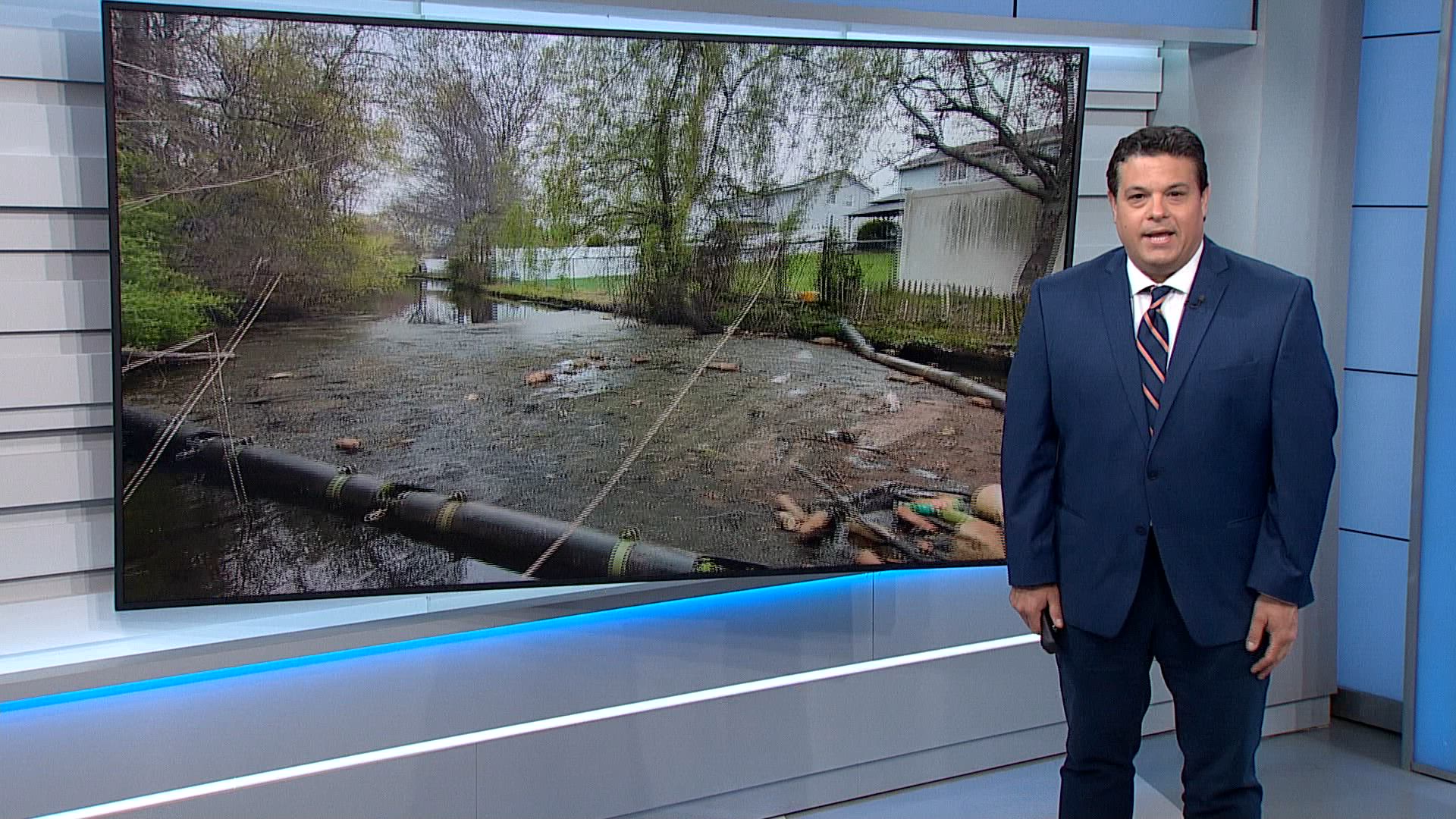
The infrastructure response creates substantial B2B e-commerce opportunities. Suffolk County's septic upgrade program—the nation's most aggressive—targets 360,000 aging septic systems over 35 years using revenue from a one-eighth-cent sales tax surcharge. The program provides up to $20,000 per system with state funding adding $25,000 more, generating an estimated $12.6B+ total market opportunity ($45,000 × 360,000 systems). This drives demand for septic system components, nitrogen-removal technology, and installation equipment sold through industrial marketplaces and B2B platforms. Stony Brook University's nitrogen-removing septic systems also remove pharmaceuticals and personal care products, creating cross-selling opportunities for water treatment product sellers.
Aquaculture expansion represents the highest-growth seller opportunity. Approximately 50 farms currently operate across Long Island, with research indicating aquaculture could address 20% of nitrogen reduction needed in Northport Bay using just 1% of surface waters. Oyster farming and seaweed cultivation are positioned as "zero-input crops" requiring no food, fertilizers, fresh water, or pesticides. This creates demand for aquaculture equipment, seaweed farming supplies, oyster farming infrastructure, and sustainable seafood packaging—categories experiencing 15-25% annual growth in specialty food e-commerce. Sellers can capitalize on the "sustainable local seafood" trend by sourcing from the expanding Long Island aquaculture network and marketing products as environmentally remediated alternatives to traditional shellfish.
Regional economic stimulus from water quality remediation drives consumer spending. The $52 million already generated by Suffolk County's sales tax surcharge signals sustained infrastructure investment through 2060. This increases disposable income for homeowners receiving reimbursement (up to $45,000 per eligible property), potentially boosting demand for home improvement, landscaping, and outdoor recreation products in the Long Island market. Sellers targeting the Northeast regional market should monitor septic upgrade completion rates as a leading indicator of consumer spending capacity in this demographic.
Questions 8
How does the Long Island shellfish closure affect seafood sellers on Amazon and specialty marketplaces?
The closure of western Shinnecock Bay and three Southold water bodies eliminates a significant regional oyster and clam supply source, forcing sellers to source from alternative suppliers or increase prices 8-15% to cover higher-cost imports. Sellers currently listing Long Island-sourced bivalves must update product descriptions to reflect sourcing changes and may face customer complaints if supply chains shift. The news reports that Vibrio vulnificus bacteria poses a 20% mortality rate, making food safety certifications and traceability documentation critical for maintaining buyer confidence. Sellers should immediately audit supplier contracts and consider diversifying sourcing to unaffected regions like Maine or the Pacific Northwest to maintain inventory levels.
How can sellers capitalize on Long Island's aquaculture expansion and seaweed farming growth?
Approximately 50 aquaculture farms currently operate across Long Island, with research indicating potential to address 20% of nitrogen reduction needs in Northport Bay. Sellers can source sustainable oysters, clams, and seaweed from these farms and market products as environmentally remediated alternatives on specialty food platforms. Aquaculture equipment suppliers can target the expanding farm network with seaweed cultivation supplies, oyster farming infrastructure, and sustainable harvesting tools. The 'zero-input crop' positioning creates premium pricing opportunities in the $2.1B sustainable seafood category. Sellers should establish direct relationships with the 50+ farms to secure exclusive sourcing agreements and differentiate products through environmental remediation narratives that resonate with eco-conscious consumers.